Lavender has been cultivated for over 2,500 years, first by ancient Romans who used it to scent bath water and preserve linens. That long history of selection has given us an extraordinary range of cultivars - from tight 10-inch mounds perfect for container edges to towering 40-inch lavandin stems built for the cutting garden.
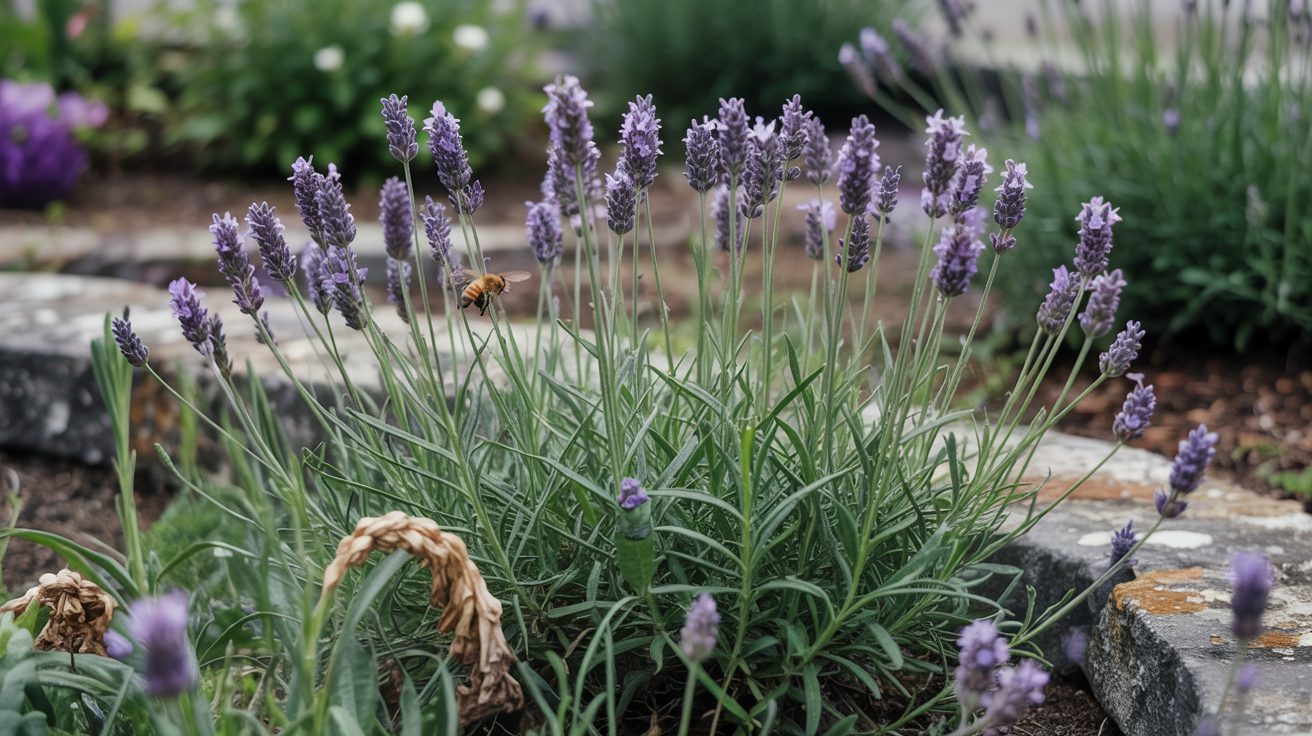
Knowing which variety suits which role is what separates a planting that performs for a decade from one that rots out in its second season.
This list covers 12 lavender varieties across four species groups — English lavender (Lavandula angustifolia), lavandin (Lavandula x intermedia), Spanish lavender (Lavandula stoechas), and specialty types — organized by garden role.
Whether you need formal edging, fragrant cut stems, or drought-tolerant massing, there's a variety here that fits.
English Lavender Varieties for Borders and Edging
Lavandula angustifolia is the cold-hardiest species group, surviving winters down to Zone 5 without protection. These are the compact, tidy varieties most gardeners picture when they think of lavender - dense silver-green mounds topped with slender violet spikes in June and July.
Remember it later
Planning to try this recipe soon? Save it for a quick find later!
English lavenders are also the most fragrant species for sachets and dried flower crafts, since their essential oil is sweeter and less camphor-heavy than lavandin. If you're new to growing lavender, the care basics for lavender apply most directly to this group.
1. Lavandula angustifolia 'Hidcote'
Zone 5–8 Easy
'Hidcote' is the benchmark English lavender for formal knot gardens and edging, with some of the deepest violet flower color in the species.
Plants stay tight and uniform - rarely exceeding 18 inches - which makes spacing every 12-15 inches practical for a solid hedge effect.
- Flower color: Deep violet-purple, one of the darkest available in English lavender.
- Fragrance: Strong and sweet - well suited for sachets and dried bundles.
- Pruning: Cut back by one-third immediately after first bloom to encourage a second flush in late summer.
2. Lavandula angustifolia 'Munstead'
Zone 5–8 Easy
Developed at Gertrude Jekyll's garden in Surrey, 'Munstead' has been a cottage-garden staple for over a century. It establishes faster than most English lavenders in poor, sandy soil and starts blooming about two weeks earlier than 'Hidcote.'
- Flower color: Soft lavender-blue, lighter than 'Hidcote' - blends well with pink and white companions.
- Soil tolerance: Handles nutrient-poor, gritty soil better than most cultivars; avoid clay without amendment.
- Height: 12-18 inches, with a slightly looser mound habit than 'Hidcote.'
'Munstead' pairs well with pale pink roses and catmint. For a full soft-color border scheme, look at pink-flowering perennials that share its same well-drained soil requirements.
3. Lavandula angustifolia 'Royal Velvet'
Zone 5–8 Easy
At 18-24 inches, 'Royal Velvet' sits between compact edging types and the taller cut-flower lavandins. Its blooms have a distinctly velvety texture and a rich, saturated purple that deep purple-flowered perennials rarely match in fragrance intensity.
- Pollinator value: High - bees work these stems heavily from first bud through petal drop.
- Harvest timing: Cut stems when the bottom third of flower buds has opened for longest vase life.
- Bloom period: Mid-June through mid-July in most Zone 6 gardens.
4. Lavandula angustifolia 'Folgate'
Zone 5–8 Easy
'Folgate' produces longer, slimmer flower stems than 'Hidcote' - a meaningful difference when you're cutting for fresh arrangements. It also reblooms reliably if you deadhead promptly after the first flush, which is worth the effort in a well-maintained border.
Learning how to deadhead correctly extends this variety's season by four to six weeks.
- Stem length: Up to 14 inches - longer than most compact English lavenders.
- Habit: Neat, compact mound that holds its shape without staking.
- Rebloom: Consistent second flush in late August when deadheaded to the first set of leaves below spent spikes.
5. Lavandula angustifolia 'Munstead Compact'
Zone 5–8 Easy
The smallest variety on this list, topping out at 10-14 inches, 'Munstead Compact' was bred specifically for narrow borders and container use. Space plants just 8-10 inches apart for a solid low hedge along a path.
- Container use: Fits 8-inch pots comfortably - good for patio fragrance near seating areas.
- Border role: Front-of-border edging where taller varieties would block shorter plants behind them.
- Cold hardiness: Same Zone 5 minimum as standard Munstead, so it overwinters in most of the northern US.
Lavandin Varieties for Fragrance and Cutting
Lavandula x intermedia, the hybrid cross between English lavender and spike lavender (L. latifolia), produces the tallest plants, the longest stems, and the strongest camphor-edged fragrance in the lavender world.
Most commercial essential oil comes from lavandin farms, not English lavender, because these hybrids are simply more productive.
Lavandins are also sterile - they don't set seed - so all the plant's energy goes into vegetative growth and flower production. They're hardy to Zone 6 in most cases, with one notable exception.
Lavandula x intermedia 'Phenomenal' is the only lavandin reliably rated to Zone 5, making it the go-to cutting lavender for gardeners in the upper Midwest and New England.
6. Lavandula x intermedia 'Grosso'
Zone 6–9 Easy
Walk through any Provençal lavender farm in July and you're almost certainly looking at 'Grosso.' It's the global industry standard for essential oil because its large, densely packed flower heads yield more oil per acre than any other cultivar.
For home gardeners, those same qualities translate into outstanding dried bouquets that hold their color and scent for two or more years.
- Stem length: 24-36 inches - no other home-garden lavender produces longer harvestable stems.
- Fragrance profile: Bold with a strong camphor note underneath the floral; different from English lavender's sweeter scent.
- Drying: Harvest when one-quarter of florets are open; hang upside down in bundles of 10-15 stems in a dark, airy space.
7. Lavandula x intermedia 'Provence'
Zone 6–9 Easy
Often sold as 'Lavandin Provence,' this variety tolerates heat better than 'Grosso' and keeps blooming through mid-July even in Zone 8 summers. Its gray-green foliage is more silver than most lavandins, giving it strong ornamental value even between bloom periods.
If you garden in the South, 'Provence' outperforms 'Grosso' in sustained summer heat by a noticeable margin.
- Heat tolerance: Handles Zone 8 summers better than most lavandins; needs no afternoon shade in hot climates.
- Foliage: Silver-gray - attractive as a textural contrast plant even out of bloom.
- Fragrance: Intensely floral with a slightly sweeter profile than 'Grosso.'
8. Lavandula x intermedia 'Phenomenal'
Zone 5–9 Medium
'Phenomenal' was bred to solve the two biggest lavandin problems: winter kill in cold zones and root rot in humid climates. It's a patented cultivar that genuinely delivers on both fronts, surviving Zone 5 winters and resisting Phytophthora root rot better than older lavandin varieties.
- Disease resistance: Noticeably more tolerant of wet soil in winter than 'Grosso' or 'Provence' - important in clay-heavy sites.
- Cold hardiness: Rated Zone 5, making it the only lavandin choice for upper Midwest and New England cutting gardens.
- Size: 18-30 inches - slightly more compact than 'Grosso,' fitting smaller cutting garden beds.
9. Lavandula x intermedia 'Provence Giant'
Zone 6–9 Easy
The tallest lavandin on this list, 'Provence Giant' regularly reaches 3 feet or more in good conditions. It functions less as a border plant and more as a vertical accent - a dramatic, fragrant backdrop behind shorter perennials in a mixed planting.
- Height: 30-40 inches - towers over most lavender relatives and many border companions.
- Harvest yield: More stems per plant than any other lavandin; a single mature plant can produce 50+ cuttable stems in a season.
- Placement: Middle or back of a wide border - it can overwhelm small beds if planted at the front.
Lavandins, including 'Provence Giant,' have woody bases that die back if cut too hard. Never cut below the green growth — always leave at least 2–3 inches of foliage on each stem when pruning.
Spanish Lavender and Specialty Types
Lavandula stoechas looks nothing like its English cousins. Its pineapple-shaped flower heads are topped with prominent petal-like bracts - the visual equivalent of a lavender with rabbit ears.
It blooms earlier in the season (often April to June) and fades faster in summer heat than English or lavandin types.
The two specialty varieties in this section - a white-flowered hybrid and a fernleaf species - fill design gaps that the main lavender groups can't. They bring texture and color contrast that pure violet-purple plantings often lack.
Browse the broader category of garden plants to find companions that work alongside these unusual varieties.
10. Lavandula stoechas (Spanish/Italian Lavender)
Zone 7–10 Easy
Spanish lavender is the showiest species in early spring, when its distinctive bract-topped flower heads open weeks before any English lavender. It's the right choice for gardeners in Zones 7-10 who want lavender color from April onward, not just June.
- Flower structure: Compact oval heads topped with 2-4 showy purple bracts - unmistakable in the garden and in arrangements.
- Bloom timing: April through June in Zone 7 - fades in midsummer heat; may rebloom lightly in fall.
- Cold limit: Damaged below 10°F - not suitable for Zone 6 or colder without heavy mulching or container overwintering.
11. Lavandula x chaytorae 'Edelweiss' (White Lavender)
Zone 6–9 Medium
Pure white lavender flower spikes are unusual enough that 'Edelweiss' stops most visitors in their tracks. This lavandin hybrid grows 20-28 inches tall with the same silvery foliage as its purple relatives.
It works beautifully beside blue-violet lavandins and blends into cottage-style plantings that add white-flowered anchors for visual balance.
- Flower color: True white - not pale lavender; the contrast against silver foliage is sharp and clean.
- Fragrance: Softer and sweeter than purple lavandins - pleasant but less intense.
- Design use: Plant in groups of 3 between purple lavandins for a two-tone effect that reads clearly from a distance.
12. Lavandula multifida (Fernleaf Lavender)
Zone 8–10 Medium
Fernleaf lavender looks almost nothing like a typical lavender plant. Its leaves are finely dissected and fern-like, giving it a texture no other species in the genus matches.
It grows fast in hot, dry conditions - reaching full size within a single season where other lavenders trudge along.
- Foliage: Deeply cut, fern-like leaves - the most texturally distinctive lavender in the group.
- Hot-site performance: Excels in Zone 9-10 heat that stresses English lavender; suits gravel gardens and dry slopes.
- Cold hardiness: Hardy only to about 20°F - treat as an annual in Zone 7 or bring containers inside before first frost.
Lavender Varieties Side-by-Side
Choosing between varieties is much easier when key specs appear in one place. This table covers the practical numbers - zone, height, and best garden use - for every variety on this list.
| Variety | Zone | Height | Best Use |
|---|---|---|---|
| 'Hidcote' | 5–8 | 12–18 in | Formal edging |
| 'Munstead' | 5–8 | 12–18 in | Cottage borders |
| 'Royal Velvet' | 5–8 | 18–24 in | Pollinator planting |
| 'Folgate' | 5–8 | 18–24 in | Fresh cutting |
| 'Munstead Compact' | 5–8 | 10–14 in | Containers, narrow edging |
| 'Grosso' | 6–9 | 24–36 in | Dried bouquets, oil |
| 'Provence' | 6–9 | 24–36 in | Hot-climate fragrance |
| 'Phenomenal' | 5–9 | 18–30 in | Cold-zone cutting |
| 'Provence Giant' | 6–9 | 30–40 in | Vertical accent, harvest |
| L. stoechas | 7–10 | 12–24 in | Early spring color |
| 'Edelweiss' | 6–9 | 20–28 in | White accent, contrast |
| L. multifida | 8–10 | 12–20 in | Dry slopes, gravel beds |
How to Prune Lavender Without Killing It?
Pruning is the single biggest skill gap for lavender growers who lose plants unnecessarily. Cutting into old wood - the gray, leafless base of the plant - kills lavender because it cannot regenerate from bare wood the way roses or butterfly bush can.
This is true of every variety on this list.
The right approach depends on the time of year and whether you're growing English lavender or lavandin. Both need annual cuts, but the timing and depth differ.
Pairing lavender in a sunny border with other low-water plants like tall annual sunflowers can make pruning logistics easier - you're working the same bed on the same schedule.
Which Lavender Should You Plant?
After reviewing all 12 varieties, the right choice comes down to zone, garden role, and what you want to do with the harvest. Most gardens benefit from planting at least two types - one compact English lavender for edging and one lavandin for fragrance and cutting.
You can find the full breakdown of species and hybrid categories in our guide to lavender species differences.
- Zone 5 gardeners: Stick to English lavender ('Hidcote,' 'Munstead,' 'Folgate') plus 'Phenomenal' as your only lavandin option. Avoid L. stoechas entirely.
- Zone 6-7 gardeners: You have the widest selection - English types for edging, full lavandin range for cutting, and 'Edelweiss' for white contrast. L. stoechas is marginal but possible with good drainage.
- Zone 8-10 gardeners: L. stoechas and L. multifida outperform English lavender in summer heat. For cutting, 'Provence' or 'Provence Giant' handle heat better than 'Grosso.'
- Cutting garden focus: 'Grosso' and 'Provence Giant' give the most stems per plant. 'Folgate' is the best English lavender for fresh cutting because of its longer stem length. Blue-violet lavandin spikes also make striking companions for the blue-flowering perennials many cutting gardeners grow.
- Small spaces and containers: 'Munstead Compact' at 10-14 inches is the only variety genuinely built for confined spaces. Everything else needs at least 18 inches of spread at maturity.
- Formal hedging: 'Hidcote' is still the standard - its compact, uniform habit holds a crisp edge better than any other English lavender.
Lavender's worst enemy isn't cold — it's wet roots in winter. Even 'Phenomenal,' the most disease-tolerant lavandin, performs better in raised beds or sloped sites where water drains away fast. In clay-heavy soil, raising the planting area by just 4–6 inches makes a measurable difference in plant longevity. For comparison, azaleas in clay soil need similar drainage amendments to avoid root rot.

Frequently Asked Questions
'Hidcote' works best for formal low edging at 12–18 inches, while 'Munstead' suits casual cottage borders and establishes faster in poor soil. For mid-border height with strong color, 'Royal Velvet' reaches 18–24 inches.
'Grosso' lavandin produces the longest stems (up to 36 inches) and highest oil content, making it the top choice for drying. 'Provence Giant' yields more stems per plant and suits large-harvest cutting gardens in Zones 6–9.
All Lavandula angustifolia varieties — including 'Hidcote,' 'Munstead,' and 'Folgate' — are hardy to Zone 5, surviving temperatures down to about -20°F. Among lavandins, only 'Phenomenal' reaches Zone 5 reliably.
Lavender struggles in dense clay because standing water causes root rot within one to two winters. Raising the planting bed 4–6 inches above native clay, or amending with coarse grit and compost, gives roots the drainage they need to survive.
Compact English lavenders like 'Munstead Compact' can be planted 8–10 inches apart for a tight hedge, while standard English varieties need 12–18 inches. Lavandins require 24–36 inches of spacing to allow full air circulation and prevent fungal issues.
Pin it for your next lavender flowers: 15 stunning varieties project.