Spring catalogs flood gardeners with pink options, but choosing the wrong variety for your zone or light conditions means months of waiting for a bloom that never comes.
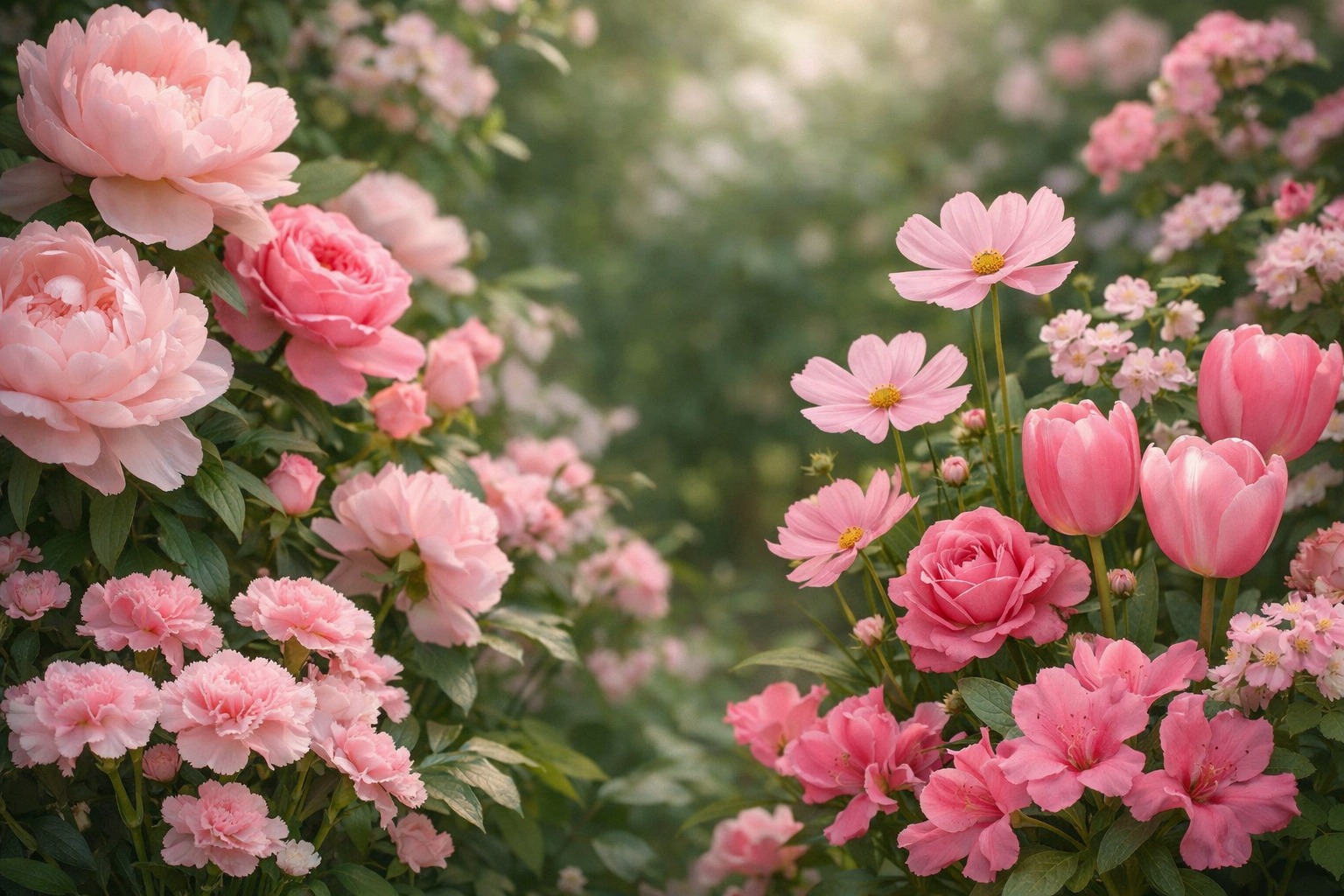
Whether you're filling a shady border, a sunny cutting garden, or a container on a south-facing porch, the right pink flower makes all the difference between a garden that stops neighbors in their tracks and one that just limps along.
These 12 pink-flowering plants span annuals, perennials, bulbs, and shrubs across a wide range of zones and light conditions. From fragrant peonies in Zone 3 to heat-loving bedding geraniums grown as annuals, there's a pink bloom suited to nearly every garden situation.
Spring Pink Flowers
Spring delivers some of the most dramatic pink blooms in the garden, often before most other plants have woken up. Getting the timing right means planting bulbs in fall and shrubs a season ahead.
Remember it later
Planning to try this recipe soon? Save it for a quick find later!
Peony Zone 3–8 Easy
Paeonia lactiflora 'Sarah Bernhardt' is the standard by which most pink garden flowers get measured. Dinner-plate-sized double blooms open in late May to early June, carrying a strong rose fragrance, and established clumps produce more stems each year for a decade or more.
- Chill requirement: Needs at least 6 weeks below 40°F - plants in Zone 9 and warmer rarely bloom reliably.
- Support: Heavy blooms flop in rain; wire peony rings installed in early spring prevent stem collapse.
- Cut flower: Cut stems when buds are just showing color, before they fully open, for longest vase life.
Tulip Zone 3–8 Easy
Pink garden tulips (Tulipa spp.) range from the pale blush of 'Angelique' to the hot cerise of 'Pink Impression,' covering almost every shade in a single genus.
They're short-lived in warm climates - in Zone 7 and south, treat them as annuals and replant bulbs each fall for consistent flowering.
- Depth: Plant bulbs 6-8 inches deep in well-drained soil to discourage squirrel digging and frost heave.
- Pairing: Interplant with summer perennials to hide the yellowing foliage that must stay until it browns completely.
Bleeding Heart Zone 3–9 Easy
Dicentra spectabilis in pink is one of the few flowering perennials that genuinely prefers shade, producing arching wands of heart-shaped nodding flowers in April and May.
The entire plant dies back cleanly to the ground by midsummer - plan a white-flowering hosta or fern nearby to fill the gap it leaves.
- Disappearing act: Mark the crown location in fall so you don't accidentally dig into dormant roots.
- Moisture: Needs consistent moisture in spring but tolerates drier conditions after foliage dies back.
Azalea Zone 5–8 Medium
Pink-flowered Rhododendron species and hybrids put on a loud show in April and May, often covering the entire shrub in blooms before a single leaf fully expands.
They're acid-soil specialists - pH between 4.5 and 6.0 is non-negotiable, and azalea root health deteriorates fast in alkaline or poorly drained ground.
- Mulch: Keep 2-3 inches of pine bark or wood chip mulch over shallow roots year-round to retain moisture.
- Compact picks: 'Karen' and 'Girard's Rose' stay under 4 feet, useful where space is limited.
- Pruning window: Only trim immediately after bloom - cutting in late summer removes next year's flower buds.
Camellia Zone 7–9 Medium
Where other flowering shrubs are done for the year, Camellia japonica opens its pink blooms from January through March, making it arguably the most valuable winter-interest shrub in mild climates.
Growth is slow - expect 6 inches per year - but the glossy evergreen foliage earns its keep twelve months out of twelve.
- Siting: Morning sun with afternoon shade suits most pink japonicas; avoid planting on south-facing walls that accelerate bud opening before frost risk has passed.
- Frost protection: A hard freeze below 10°F can damage open flowers; a frost cloth overnight saves blooms during cold snaps.
Camellia japonica is borderline hardy in Zone 7a — established plants can handle brief dips to 0°F, but newly planted shrubs need winter protection for the first two seasons.
Summer Pink Flowers
Summer pink bloomers carry the garden through the longest stretch of the growing season. Many also double as cut flowers or pollinator magnets, giving them more than one reason to earn a spot in the bed.
Phlox Zone 4–8 Medium
Phlox paniculata cultivars in pink bloom from July into September, sending up fragrant domed flower heads on 2-4 foot stems that butterflies circle constantly.
Powdery mildew is the main threat - disease-resistant varieties like 'David's Lavender' and 'Robert Poore' hold up far better than older cultivars in humid summers.
- Air circulation: Space plants 18-24 inches apart and avoid overhead watering to reduce mildew pressure.
- Deadheading: Remove spent flower heads promptly to encourage a second flush and prevent self-seeding with inferior offspring.
Hydrangea Zone 5–9 Medium
Hydrangea macrophylla blooms pink when soil pH sits at 6.0 or above - in more acidic soils, the same plant shifts toward blue or purple.
Pink-flowered mopheads like 'Incrediball Blush' and 'Endless Summer Blushing Bride' perform best with morning sun and afternoon shade, where flowers hold color longer without scorching.
- pH management: Add garden lime to raise soil pH toward 6.5 if your hydrangeas keep going blue on you.
- Pruning rule: Most macrophylla types bloom on old wood - prune only lightly right after flowering, never in fall or early spring.
- Dried flowers: Cut stems when blooms begin to dry on the plant in late summer for long-lasting indoor arrangements.
Scratch a tablespoon of dolomitic lime into the soil around each hydrangea in early spring to nudge color toward pink without overshooting into washed-out white.
Dianthus Zone 3–9 Easy
Called pinks or sweet William (Dianthus spp.), these compact clump-formers carry a clove-like fragrance that's strongest on warm afternoons. They're among the most responsive plants to deadheading - remove spent blooms every few days and most varieties rebloom continuously from May through October.
- Soil preference: Neutral to slightly alkaline, fast-draining soil - they rot quickly in wet winter conditions.
- Compact size: Most stay under 18 inches, making them reliable edging plants along path borders.
Salvia Zone 4–8 Easy
Pink forms of Salvia nemorosa produce dense spikes from June onward that bees visit obsessively all day. At 12-24 inches tall, salvia fits mid-border spots where taller plants would block sight lines, and pairing it with coneflowers extends the pollinator season from midsummer through fall.
- Cutback timing: Shear the entire plant to 6 inches after the first flush fades - a second bloom follows within 3-4 weeks.
- Drought tolerance: Established clumps survive on rainfall alone in most summers once roots are 2 years deep.
Climbing Rose - 'New Dawn' Zone 5–9 Medium
'New Dawn' (Rosa 'New Dawn') covers fences, pergolas, and arbors with pale blush-pink semi-double flowers from June through fall, earning its reputation as one of the most reliable climbers available.
It tolerates partial shade better than most roses - a fence with 5-6 hours of direct sun supports good flowering where full-sun roses would be the only other option.
- Training: Tie new canes horizontally to encourage more blooming lateral shoots along the full length of support.
- Disease resistance: Notably resistant to black spot, which reduces the spray schedule most rose growers dread.
Repeat-Blooming Pink Shrubs and Bedding Plants
Some pink flowers earn their place by blooming not once but from late spring straight through to hard frost. These are the backbone plants of a low-maintenance pink garden.
Pink Knock Out Rose Zone 5–9 Easy
Rosa 'Radrazz' Pink Knock Out blooms in continuous flushes from May until November, rarely pausing for more than two weeks at a stretch.
Unlike hybrid tea roses, it needs no spray schedule and no deadheading - though cutting spent clusters back a few inches speeds the next flush by about a week.
- Size: Tops out at 4 feet with similar spread - plant 3 feet apart for a flowering hedge effect.
- Hard pruning: Cut the whole shrub to 12 inches in early spring before new growth begins to keep it shapely and vigorous.
- Contrast planting: Pairs well with silver-leaved plants like artemisia, which make the pink blooms read as much warmer.
Bedding Geranium Zone 10–11 Easy
Pink Pelargonium × hortorum is the classic container and bedding annual across most of North America, grown as a tender perennial only in Zones 10-11. For containers, pairing it with zinnias and trailing sweet potato vine produces a full season of color without replanting.
- Overwintering: Bring pots indoors before first frost - plants survive winter on a sunny windowsill and transplant back out in spring.
- Watering: Let soil dry slightly between waterings; geraniums in constantly wet soil develop stem rot faster than almost any other bedding plant.
Knock Out roses are resistant to black spot but not immune — in humid climates with poor air circulation, apply a fungicide at the first sign of spotting rather than waiting until defoliation begins.
How Pink Flower Colors Compare Across the Garden Palette?
Pink sits between red and white on the spectrum, and choosing where your pink sits on that range dramatically changes how a planting reads. Knowing how it behaves next to other colors helps you design borders that hold together rather than clash.
Warm pinks work alongside red-flowering plants better than cool pinks do - the shared warm undertone creates harmony rather than conflict. Cool pinks need the contrast of blue salvias or agapanthus to prevent them from looking washed out in bright summer light.
Picking Pink by Bloom Season
One table cuts through the guesswork of which pink flower lands when. Matching bloom season to your gap periods keeps color in the garden from March through November.
| Plant | Bloom Season | Zone | Sun | Best Use |
|---|---|---|---|---|
| Camellia | Winter–Spring | 7–9 | Part shade | Winter interest |
| Tulip | Early spring | 3–8 | Full sun | Bulb display |
| Bleeding Heart | Mid-spring | 3–9 | Full shade | Shade border |
| Azalea | Mid-spring | 5–8 | Part shade | Foundation shrub |
| Peony | Late spring | 3–8 | Full sun | Cut flower |
| Dianthus | Late spring–fall | 3–9 | Full sun | Edging, containers |
| Climbing Rose | Summer–fall | 5–9 | Full sun | Vertical structure |
| Hydrangea | Summer–fall | 5–9 | Part shade | Dried flowers |
| Phlox | Midsummer–fall | 4–8 | Full sun | Pollinator border |
| Salvia | Midsummer–fall | 4–8 | Full sun | Pollinator border |
| Knock Out Rose | Late spring–frost | 5–9 | Full sun | Hedge, mass planting |
| Bedding Geranium | Spring–frost | Annual | Full sun | Containers |
Pairing an early bloomer like tulips with a late-starting perennial like phlox in the same bed means you get color from the same patch of ground for six months straight. Yellow-flowering companions like rudbeckia planted beside warm-pink phlox extend the season visually into October.
Which Pink Flower Fits Your Situation?
The right match depends on what you're actually dealing with in your garden. Use these scenario-based shortcuts before buying anything.
- Shade garden, Zones 3-9: Bleeding heart for spring, followed by azalea in acid soil, or camellia if you're in Zone 7-9 with light canopy shade.
- Cut flower garden, full sun: Peonies deliver the best vase life, but add pink phlox and dianthus for summer succession - all three cut well.
- Container or patio planting: Bedding geraniums for heat tolerance, or a dwarf dianthus variety that stays compact and fragrant through multiple flushes.
- Low-maintenance shrub border: Pink Knock Out rose needs only one hard cutback per year and skips the spray calendar entirely.
- Pollinator focus: Phlox and salvia together cover July through September with blooms bees and butterflies use heavily.
- Vertical structure on a fence: 'New Dawn' climbing rose covers up to 15 feet with support and handles more shade than any other repeat-blooming climber in its zone range.
You can grow tall annuals like sunflowers in gaps left by spring bloomers — bleeding heart and tulips both go dormant by June, leaving space that summer annuals fill naturally without replanting the bed.

Caring for Pink Flowers Through the Season
Most pink-flowering plants share a few maintenance principles, but the timing differs enough by type that it's worth breaking down the annual task list clearly.
For roses specifically, a midsummer feed of slow-release fertilizer around the same time you'd feed heavy feeders helps sustain bloom cycles into fall without forcing soft growth that's vulnerable to powdery mildew.
Frequently Asked Questions
Tulips, bleeding heart, azaleas, and camellias all bloom in spring — tulips peak earliest in March–April, while peonies close out the spring season in late May and early June across Zones 3–8.
Phlox paniculata and Salvia nemorosa are the strongest pollinator draws among pink flowers — both attract bees and butterflies from July through September, with salvia producing rebloom after a midsummer cutback.
Raise soil pH to 6.0–6.5 by applying dolomitic lime each spring — at that range, Hydrangea macrophylla holds pink rather than shifting toward blue, which happens in acidic soils below pH 5.5.
Camellia japonica is the main evergreen pink-flowering shrub, hardy in Zones 7–9 with glossy foliage year-round and winter blooms; many azalea cultivars are also semi-evergreen in Zone 6 and warmer.
Bedding geraniums (Pelargonium × hortorum) and compact dianthus varieties perform best in containers — geraniums bloom from spring to frost, tolerate brief drought, and can overwinter indoors in any zone below 10.
Pin it for your next pink flowers: 20 stunning varieties project.