Coral sits in that rare sweet spot between warm red and soft pink - energetic enough to anchor a border, mellow enough to pair with almost anything.
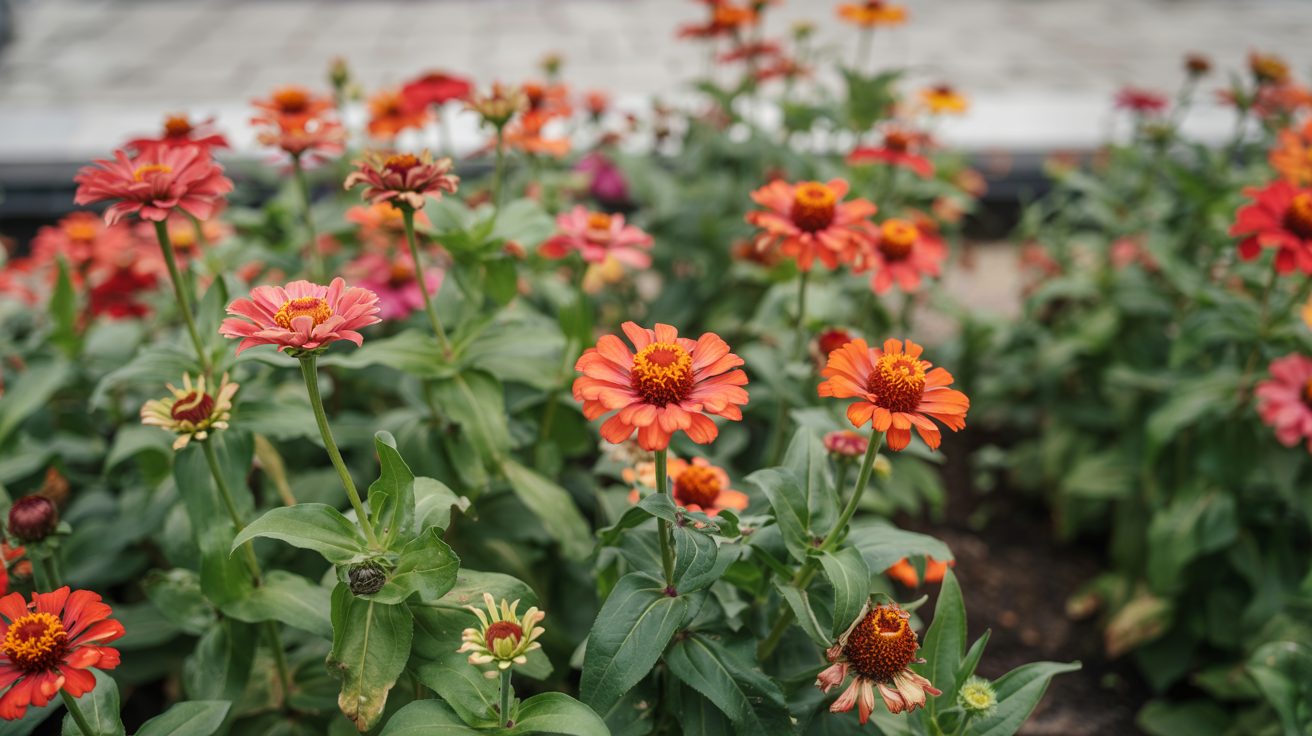
Whether you're filling a shaded container or covering a sunny fence, coral-blooming plants deliver color that reads cheerful without tipping into garish.
These 12 plants cover the full range of coral and salmon blooms, from shade-tolerant perennials to fast annual fillers. We selected species with reliable true-coral color, wide nursery availability, and useful coverage across zones, sun exposures, and garden roles.
Coral Flowers for Sun-Drenched Borders and Open Gardens
Full-sun beds are where coral really ignites. These plants produce their most saturated color with at least six hours of direct light daily.
Remember it later
Planning to try this recipe soon? Save it for a quick find later!
Coral Charm Peony (Paeonia 'Coral Charm')
Zone 3–8 Easy
Few perennials generate as much excitement as this award-winning peony, whose buds open a vivid coral and slowly fade to peachy pink over a 5-7 week bloom window. The color shift itself becomes a feature.
Established peony plants in full sun can produce dozens of stems per season, making them serious cut-flower workhorses.
- Bloom time: Mid-spring, approximately May in most zones.
- Height: 24-30 inches - no staking needed if you plant in a sheltered spot.
- Cold hardiness: Reliable to Zone 3 with no mulching required once established.
Zinnia (Zinnia elegans) - Coral and Salmon Types
Annual Easy
Direct-sow after your last frost date and you'll have blooms in 6-8 weeks. Zinnias are the fastest payoff in the coral color range - no waiting, no coddling.
If you're already growing zinnias from seed, varieties like 'Coral Beauty' and 'Salmon Queen' give consistent color without the muddy orange that cheaper seed mixes produce.
- Size range: 6-36 inches depending on variety - 'Profusion Coral' stays short for containers, 'Benary's Giant Coral' hits 36 inches for cutting.
- Heat tolerance: One of the best performers in hot, humid summers where many annuals quit.
- Deadheading: Remove spent blooms every 7-10 days to maintain heavy flowering through frost.
Dahlia (Dahlia pinnata) - Salmon and Coral Cultivars
Zone 8–11 Medium
Dahlias hit their stride in late summer when most perennials are flagging, carrying coral color from July straight through frost. 'Café au Lait' edges peachy-coral; 'Karma Prospero' runs truer coral with doubled petals.
Tubers must come out of the ground in zones below 7 after the first frost - store them dry at 40-50°F over winter.
- Height: Ranges enormously - dwarf bedding types reach 12 inches, dinner-plate types hit 4-5 feet.
- Bloom season: Peak color August through October.
- Lifting tip: Cure tubers for two weeks before storage to prevent rot.
Plant dahlia tubers horizontally, 4–6 inches deep, with the eye facing up. They rot fast in cold wet soil — wait until soil hits 60°F before planting.
Tithonia - Mexican Sunflower, Coral-Orange Varieties
Annual Easy
Tithonia grows to 4-5 feet in a single season, producing daisy-like coral-orange blooms from midsummer until hard frost. It handles poor soil and skipped waterings better than almost any annual on this list.
Readers who already understand how sunflowers grow will recognize the same tap-root logic - both resent transplanting, so direct sow where they'll stay.
- Drought tolerance: Exceptional - established plants survive a week without water in summer heat.
- Pollinator value: Monarch butterflies and native bees use it heavily August-October.
- Spacing: Give each plant 24-30 inches - they get wide fast.
Penstemon - Coral Selections (Penstemon spp.)
Zone 3–9 Medium
Penstemon's tubular coral flowers are engineered for hummingbirds - narrow throats, outward-facing tubes, no landing platform needed. Penstemon barbatus 'Coral Baby' stays compact at 18 inches; P. eatonii runs taller at 24-36 inches and pushes harder coral-red tones.
Both garden plants in this genus demand sharp drainage and go quickly in wet winter soils.
- Soil requirement: Gritty, fast-draining soil - raised beds are ideal in clay-heavy gardens.
- Pruning: Cut back by one-third after bloom to encourage a second flush in late summer.
Penstemon planted in heavy clay or irrigated lawn areas will die by the second winter. Root rot from standing water is the primary cause of failure — not cold temperatures.
Coral Flowers for Shade, Part Shade, and Filtered Light
Coral is harder to find in the shade-tolerant palette, but these three plants deliver genuine warmth even under tree canopy or on north-facing walls.
Coral Bells (Heuchera sanguinea)
Zone 4–8 Easy
The foliage alone earns its place - rounded, lobed leaves in bronze, silver, or green depending on cultivar - but the real draw is the airy coral flower spikes that appear in late spring and reach 24 inches above the mound. Unlike many shade plants, Heuchera holds color well even in deep afternoon shade.
If you're already pairing purple-leafed varieties in mixed borders, coral bells bridge the gap between cool and warm tones beautifully.
- Foliage season: Evergreen to semi-evergreen in zones 6-8; dies to a rosette in zones 4-5.
- Division: Split clumps every 3-4 years when the crown heaves out of the soil.
- Companion planting: Pairs naturally with ferns and hostas in shaded beds.
Wax Begonia (Begonia x semperflorens-cultorum)
Zone 10–11 Easy
No other plant on this list delivers continuous coral color in deep shade as reliably as wax begonias. They bloom from transplant time until the first frost with essentially zero maintenance.
These are true annuals in most of the US - start them indoors 8 weeks before last frost, or buy transplants in spring for instant container color.
- Container performance: Compact at 6-12 inches, making them ideal for window boxes and hanging baskets.
- Moisture needs: Water when the top inch of soil dries - they rot in soggy conditions despite liking shade.
- Heat ceiling: Tend to go leggy above 95°F consistently - afternoon shade helps in Zone 9.
Impatiens (Impatiens walleriana) - Coral Varieties
Annual Easy
Impatiens are the default shade bedding annual - millions sold every spring - but their coral selections are genuinely good, not just filler. Varieties like 'Super Elfin Coral' and 'Accent Coral' hit consistent true-coral tones that photograph well and hold color through summer heat.
Space them 10-12 inches apart and they'll fill gaps with almost no intervention. For gardens where clean white blooms anchor shady spots, coral impatiens provide the warmth counterpoint.
- Bloom duration: Non-stop from planting until frost - no deadheading required.
- Disease risk: Impatiens downy mildew has affected many regions since 2011 - use SunPatiens or New Guinea hybrids if you've had issues.

Coral Vines and Climbers for Vertical Structure
Two reliable climbers produce coral blooms - one native, one tropical - and they suit very different climates and structures.
Coral Honeysuckle (Lonicera sempervirens)
Zone 4–9 Easy
This eastern North American native twines up trellises and pergolas, producing clusters of narrow tubular coral-red flowers from late spring through fall - especially if you trim back spent stems monthly. Unlike the invasive Japanese honeysuckle, Lonicera sempervirens is well-behaved and doesn't self-seed aggressively.
Hummingbirds seek it out reliably; ruby-throated hummingbirds will visit within days of the first bloom opening.
- Growth rate: Can cover a 6-foot trellis in a single season once established.
- Pruning: Cut back hard in late winter - it blooms on new wood.
- Wildlife value: Also produces red berries in fall that birds eat through winter.
In Zone 4 and 5, Coral Honeysuckle may die back to the roots in harsh winters but typically regrows from the base in spring. Protect the root zone with 3–4 inches of mulch the first winter after planting.
Coral Vine (Antigonon leptopus)
Zone 9–11 Easy
In frost-free zones, Coral Vine covers fences at an almost aggressive pace - up to 20 feet in a growing season - with cascading racemes of coral-pink flowers through summer and fall. It fixes nitrogen, tolerates drought, and blooms heavily in poor soil.
In Zone 8 it dies to the ground in winter but returns from tuberous roots in spring, though it flowers later that way.
- Self-seeding: Sets seed readily - deadhead if spread is a concern in warm climates.
- Structure needed: Requires a fence, trellis, or tree for support - it doesn't stand alone.
Coral Flowers That Work Double Duty as Cut Flowers
Not every coral bloom translates to a useful vase life. These three have the stem length, structure, and longevity to perform in arrangements - not just in the garden.
Gerbera Daisy (Gerbera jamesonii) - Coral Cultivars
Zone 9–11 Medium
Gerbera daisies produce some of the most vivid coral tones available in the cutting garden - flat, open faces 3-5 inches across on stems reaching 12-18 inches. 'Festival Coral' and 'Revolution Coral Halo' are two named cultivars worth seeking out.
In containers they need a pot at least 12 inches deep and should be watered at soil level - wet crowns cause crown rot fast.
- Vase life: 7-14 days when stems are re-cut and placed in clean water.
- Cold sensitivity: Frost-tender - bring pots indoors before temps drop below 35°F.
- Light: Full sun to bright partial shade - avoid deep shade or stems go floppy.
Salvia Coccinea - Coral Forms (Salvia coccinea)
Zone 7–10 Easy
The coral-flowered forms of Tropical Sage - particularly the variety 'Coral Nymph' - produce soft two-toned blooms in pale coral and white on loose upright spikes. It's less showy than gerbera but far tougher, tolerating heat, humidity, and dry spells that collapse showier plants.
It reblooms well when you deadhead weekly; learning proper deadheading technique makes a visible difference in bloom density by late summer.
- Self-seeding: Drops seed freely in Zones 8-10 - you'll get volunteers the following spring.
- Height: 18-30 inches - works as a mid-border filler between taller dahlias and lower annuals.
How to Compare the Top Coral Picks at a Glance?
Different goals call for different plants. This table lets you match coral bloomers to your specific zone, light level, and use case without reading every profile twice.
| Plant | Zone | Sun | Height | Best Use |
|---|---|---|---|---|
| Coral Charm Peony | 3–8 | Full sun | 24–30 in | Cut flowers, borders |
| Coral Honeysuckle | 4–9 | Sun–light shade | 6–20 ft | Trellis, wildlife |
| Coral Bells | 4–8 | Part–full shade | 12–24 in | Shade borders |
| Zinnia (coral) | Annual | Full sun | 6–36 in | Cutting, pollinator |
| Gerbera Daisy | 9–11 | Sun–part shade | 12–18 in | Containers, cutting |
| Dahlia (coral) | 8–11 | Full sun | 12–60 in | Late-season borders |
| Salvia coccinea | 7–10 | Sun–part shade | 18–30 in | Heat-tolerant filler |
| Tithonia | Annual | Full sun | 30–60 in | Back of border |
Getting True Coral Color: What to Watch For at the Nursery
Coral is one of the most misrepresented colors in plant marketing. Labels say coral; actual blooms arrive salmon, orange, or washed-out pink.
Here's how to avoid that problem.
The safest approach is buying named cultivars rather than species seed mixes. 'Coral Charm' Peony, 'Coral Nymph' Salvia, and 'Profusion Coral' Zinnia are registered names with color standards behind them. Generic "coral mix" packets are a gamble.
For gardens where you're also choosing between soft lavender tones or deeper shades, nail your coral selections first - they anchor the warm side of the palette.
- Buy in bloom when possible: Spring nursery visits let you see the exact flower tone before you commit.
- Check the base of petals: True coral has orange warmth at the petal base, not a pink flush - that base color tells you how the flower will read in full sun.
- Avoid "apricot" as a synonym: Apricot leans far paler and more yellow than coral - they're not interchangeable in a designed border.
- Seed catalog photos: Reputable catalogs like Floret and Johnny's photograph under natural light - trust those over big-box store tag art.
Coral flower color often shifts through the bloom cycle — Coral Charm Peony is the most dramatic example, opening deep coral and finishing pale peach. If you need a consistent tone for an event or cutting display, harvest stems when buds are just cracking open.
Which Coral Flower Fits Your Situation?
Use these scenario-based shortcuts to match the right plant to your actual garden conditions without second-guessing. Gardens that include cool-toned blue perennials particularly benefit from a strong coral anchor to balance the palette.
- You have deep shade and want color all summer: Wax Begonias or Impatiens - both bloom continuously without any direct sun.
- You want to attract hummingbirds: Coral Honeysuckle (native, zones 4-9) or Penstemon - tubular flowers are specifically adapted to hummingbird feeding.
- You need a fast result from seed: Zinnia or Tithonia - both go from seed to flower in under 8 weeks in warm soil.
- You want a perennial that comes back for decades: Coral Charm Peony in zones 3-8 or Penstemon in well-drained soils - both improve with age.
- You garden in Zone 9-11 year-round: Coral Vine, Gerbera Daisy, and Wax Begonia all overwinter as perennials in frost-free climates.
- You want a cut flower with vase impact: Gerbera Daisy for wide heads, Zinnia for stem length and volume, Dahlia for late-season showstopping arrangements. Those who also grow deep burgundy dahlias alongside coral ones get a naturally rich contrast in bouquets.
Frequently Asked Questions
Coral Bells (Heuchera sanguinea), Wax Begonias, and Impatiens are the most reliable coral bloomers for shade — all three produce continuous color in part to full shade across zones 4–8, 10–11, and as annuals respectively.
Coral Honeysuckle (Lonicera sempervirens) and Penstemon are the top two — both produce tubular coral blooms specifically suited to hummingbird feeding, with Coral Honeysuckle attracting ruby-throated hummingbirds reliably in zones 4–9.
Coral Charm Peony blooms in mid-spring — typically May in zones 5–7 — with a display window of 5–7 weeks; buds open deep coral and gradually fade to peachy pink as individual flowers age over 7–10 days.
Yes — Wax Begonias, Gerbera Daisies, and dwarf Zinnias like 'Profusion Coral' all perform well in containers; Gerbera Daisies require a pot at least 12 inches deep to prevent root crowding and crown rot.
Deadhead spent zinnia blooms every 7–10 days and make sure plants receive at least 6 hours of direct sun daily — in those conditions, coral zinnia varieties like 'Benary's Giant Coral' will flower continuously from late June until the first frost.
Pin it for your next coral flowers: 15 stunning varieties project.