Peach blossoms rank among the most reliable spring spectacles a home orchard can offer - vivid pink to blush-white flowers covering bare branches weeks before most trees have leafed out.
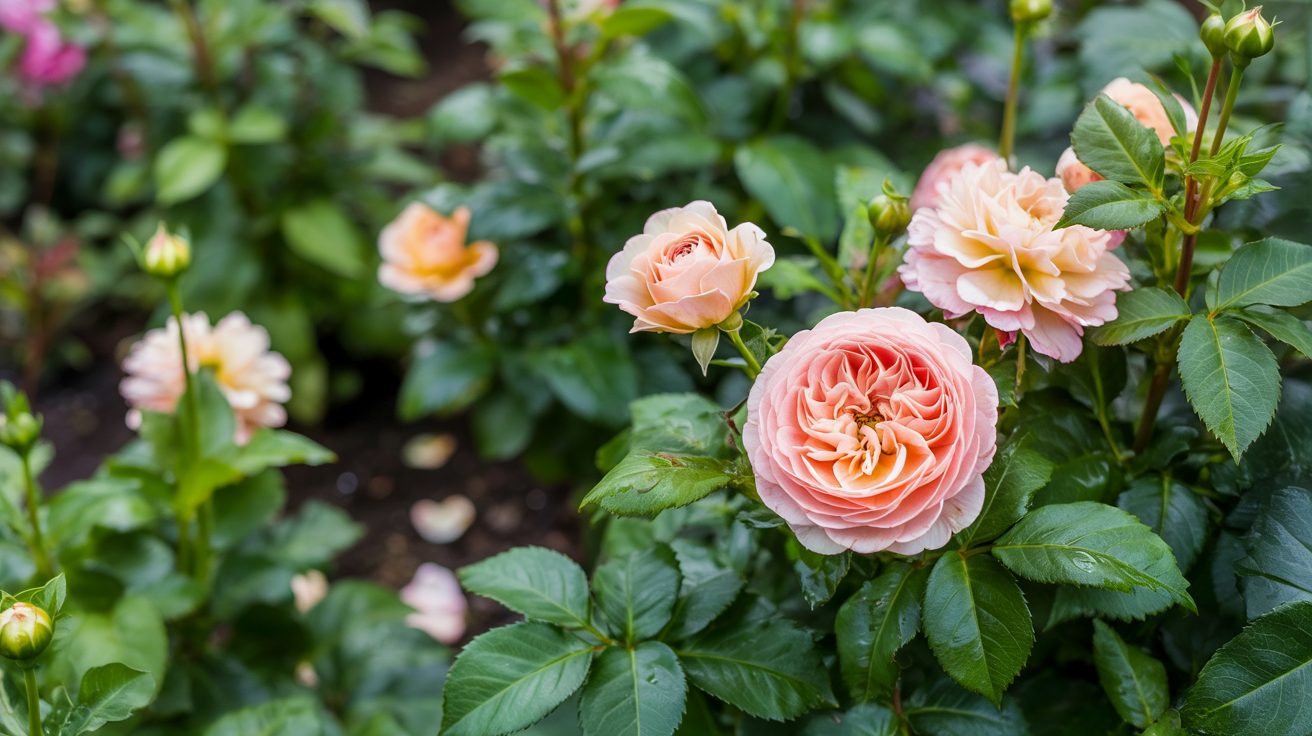
Whether you want a compact patio tree dressed in blooms or a full-size fruiting specimen that earns its keep twice over, the cultivar you choose determines both the flower show and how well that show survives a late frost.
These 12 peach cultivars were selected for flower quality, bloom reliability, and clear landscape use.
Selections range from dwarf container trees in zone 5 to warm-climate varieties suited to zone 9, covering single, semi-double, and double flower forms across a spectrum of pink, blush, and white.
What Makes a Peach Blossom Worth Noticing?
Most peaches bloom on one-year-old wood, so last season's growth directly controls this spring's flower count. A tree that was pruned hard the previous summer often produces the most densely flowered branches come April.
Remember it later
Planning to try this recipe soon? Save it for a quick find later!
Flower form varies more than most people expect. Single blooms have five petals and open fully, letting pollinators access nectar easily.
Semi-double and double forms carry 10 to 20+ petals and tend to hold their color longer - though double-flowered ornamental types sometimes produce reduced or absent fruit.
- Single flowers: Five petals, wide open, excellent for pollinator access and fruit set.
- Semi-double flowers: 8-12 petals, showy but still fruit-productive in most cultivars.
- Double flowers: 15-20+ petals, maximum visual impact, fruit set varies by cultivar.
- Bloom timing: Early types open in late February in zone 9; late types hold until mid-April in zone 4-5.
A warm week in late winter can trigger bud swell on early-blooming cultivars. If temperatures then drop below 28°F, open flowers freeze and fruit set drops to near zero — even on otherwise healthy trees.
Cold-Hardy Picks for Zones 4-5
Gardeners in the northern tier need peaches where bud hardiness is the baseline requirement, not an afterthought. These three varieties were specifically bred or selected to survive late frosts without losing the entire flower crop.
Reliance Zone 4–8 Easy
Prunus persica 'Reliance' came out of New Hampshire research and it shows. This is the variety that still blooms when neighbors' trees have given up after a hard freeze.
- Flower color: Pale pink single blooms, modest in size but carried in dense clusters along every branch.
- Frost tolerance: Buds survive temperatures as low as -25°F in dormancy; open flowers tolerate a brief dip to 28°F.
- Height: 12-15 feet at maturity; responds well to annual thinning cuts.
Redhaven Zone 4–8 Medium
Few cultivars match Redhaven's combination of large single pink blossoms and reliable bud set after a cold winter. Flowers open in late spring, after many frost-risk dates have passed.
- Flower size: Noticeably larger than average single-flowered types, making individual blooms stand out.
- Bloom timing: Mid-season - about 10 days after Reliance - which helps dodge the last hard freezes in zone 4.
- Landscape use: Works well as a specimen tree where the flower display matters as much as the fruit yield.
Frost Zone 4–8 Easy
'Frost' stays compact at 10-14 feet, which makes it manageable in smaller yards. Light-pink flowers open slightly earlier than Redhaven but the buds shrug off cool snaps that damage more tender cultivars.
- Flower color: Soft, light pink - paler than most peaches, almost blush in full sun.
- Cold performance: Developed in the Pacific Northwest specifically for cool, wet springs where late frost is common.
- Size advantage: At 10-14 feet, it fits along a fence line without overwhelming a small garden.
In zones 4 and 5, plant peaches on a north-facing gentle slope when possible. The cooler soil delays bud break by 5–7 days, moving your bloom window past the most dangerous frost dates.

Mid-Range Performers for Zones 5-8
This is where the widest selection lives. Zones 5-8 cover most of the eastern U.S. and the Pacific Coast, and these varieties reward gardeners with both a reliable deep-colored flower display and a decent fruit harvest in the same season.
Elberta Zone 5–9 Easy
Elberta is the peach that defined American orchards for a century. Its semi-double to double deep-pink flowers appear before the leaves fully open, which means nothing competes with the blooms for visual attention.
- Flower form: Semi-double to double, with a richer, deeper pink than most other fruiting peaches.
- Display window: Flowers on bare wood before leaf-out, giving 10-14 days of unobstructed bloom.
- Mature size: 15-20 feet - give it space or plan to keep it pruned to 10-12 feet.
Cresthaven Zone 4–8 Easy
Cresthaven blooms late for a peach - sometimes two weeks behind Redhaven - and that delayed timing is a feature, not a flaw. By the time those large pale-pink blossoms open, the worst frost risk has passed in most of zones 5-7.
- Petal color: Pale pink with a faint white center that lightens in strong sunlight.
- Branch structure: Strong, wide-angled branching means flowers display along horizontal limbs, not just upright shoots.
- Zone fit: Cold-hardy to zone 4 but bloom timing makes it especially reliable in zone 5-6 orchards.
Glohaven Zone 5–9 Medium
After a mild winter, Glohaven sets more flower buds per linear foot of branch than almost any other standard-size peach.
The blooms are pale pink with a slight fragrance - unusual enough in a fruiting peach that it's worth planting near a path or patio where you'll catch the scent.
- Fragrance: Mild but detectable at close range; one of the few fruiting cultivars with noticeable floral scent.
- Bloom density: Heavy bud set after mild winters; still produces a decent display after cold winters.
- Height: 15-20 feet without pruning - plan annual structural cuts to keep it in bounds.
Redskin Zone 5–9 Easy
What sets Redskin apart visually is the color contrast: intense pink single flowers open against dark reddish new shoots, creating a two-tone effect in early spring that few other peaches can match.
- Flower color: Deep, saturated pink - among the most vivid of the standard single-flowered fruiting types.
- Shoot color: New growth emerges dark bronze-red, creating sharp contrast with the pink blooms.
- Growth habit: Upright branching displays flowers along vertical stems for a columnar spring silhouette.
Dwarf and Small-Space Options
Not every garden has room for a 15-foot tree. Growing vertically isn't always the answer - sometimes a compact variety does the job better in a courtyard, raised bed, or large container.
Bonanza (Dwarf) Zone 5–9 Easy
Bonanza tops out at 6-8 feet and still covers itself in single pink flowers each spring. It's the standard recommendation for patio containers and urban gardens where a full-size tree simply isn't an option.
- Size: 6-8 feet tall, 5-6 feet wide - fits a large container or a 6-foot planting strip.
- Flower type: Single pink blooms, abundant relative to canopy size; the tree looks almost entirely pink at peak bloom.
- Fruit: Produces real, edible peaches earlier in the season than most standard-size trees.
Dwarf peaches in containers need a pot at least 24 inches wide and 18 inches deep. Use a fast-draining mix and water every 2–3 days in summer — container peaches dry out far faster than ground-planted trees.
Warm-Climate and Southern Zone Picks
Peaches for zones 7-9 need low chill-hour requirements - typically under 650 hours below 45°F - or they won't break dormancy properly in mild winters. Planting in January is common in zone 8-9, where the growing season starts early.
Flordaking Zone 7–9 Medium
Flordaking was developed for the Gulf Coast and Florida panhandle, where most standard peaches fail to bloom after warm winters. Its vivid pink flowers appear a bit later than the earliest Florida types, which actually reduces freeze risk during those unpredictable late-January warm spells.
- Chill hours required: Around 400-450 hours - workable in most zone 8 locations.
- Flower color: Vivid, saturated pink with a slightly ruffled petal edge.
- Fruit timing: Early-season fruit, often ready by late May in zone 8.
Crown Princess Zone 6–9 Medium
Crown Princess produces some of the most ornamentally impressive flowers on this list. Double to semi-double blush-pink blooms with a heavy petal count create a dense, almost rose-like flower display on a compact 10-14 foot tree.
- Flower form: Double to semi-double with 12-18 petals per flower - the showiest bloom structure on this list.
- Bloom timing: Slightly later than mid-season, which helps in zones 6-7 where late frosts linger.
- Fruit note: Fruit set is lighter than single-flowered types but still productive.
O'Henry Zone 6–9 Easy
O'Henry blooms during full leaf expansion - unlike most peaches that flower on bare wood - which means you get a layered effect of fresh green foliage and large pale-pink blossoms simultaneously. It's a different look entirely.
- Bloom context: Flowers open as leaves expand, creating a foliage-and-flower display rather than pure blossom spectacle.
- Flower size: Large single blooms, noticeably bigger than average, which compensates for the busy backdrop of new foliage.
- Fruit: Large, firm late-season fruit that extends the harvest into August in zone 7.
Georgia Belle Zone 6–9 Easy
An heirloom cultivar with a distinctly different flower palette - white to pale blush rather than the standard pink. If you want white-toned blooms on a fruiting tree, Georgia Belle is the most reliable option in zones 6-9.
- Flower color: White to very pale pink - unique among the fruiting peaches on this list.
- Fragrance: Noticeably fragrant; stronger scent than most peach cultivars at comparable bloom density.
- History: Dates to the late 1800s in Georgia; still widely grown for both the flower display and white-fleshed fruit.
How Peach Bloom Timing Works by Zone?
Bloom dates shift roughly 7-10 days earlier for every zone warmer you move. That single fact has big consequences for which varieties are worth planting where you live.
| Zone | Early Cultivars | Mid Cultivars | Late Cultivars |
|---|---|---|---|
| Zone 4 | Late April | Early May | Mid May |
| Zone 5 | Early April | Mid April | Late April |
| Zone 6 | Late March | Early April | Mid April |
| Zone 7 | Mid March | Late March | Early April |
| Zone 8 | Late Feb | Early March | Mid March |
| Zone 9 | Early Feb | Late Feb | Early March |
These windows assume average chill-hour accumulation for each zone. A warm winter in zone 7 can push bloom 2-3 weeks earlier; a cold snap in February can delay zone 9 trees by a similar margin.
Peach trees need 600–1,000 chill hours (hours below 45°F) to bloom reliably — except low-chill varieties like Flordaking. Check your county extension office for local chill-hour averages before buying a cultivar.
Side-by-Side Cultivar Comparison
Choosing between similar varieties is easier with direct comparison. The table below covers the most decision-relevant traits across all 12 picks - use it to narrow your shortlist before buying.
| Cultivar | Zone | Flower Form | Color | Height | Best Use |
|---|---|---|---|---|---|
| Reliance | 4–8 | Single | Pale pink | 12–15 ft | Cold climates |
| Redhaven | 4–8 | Single (large) | Pink | 12–18 ft | Specimen tree |
| Frost | 4–8 | Single | Light pink | 10–14 ft | Small yards |
| Elberta | 5–9 | Semi/double | Deep pink | 15–20 ft | Ornamental + fruit |
| Cresthaven | 4–8 | Single (large) | Pale pink | 15–18 ft | Late-frost zones |
| Glohaven | 5–9 | Single | Pale pink | 15–20 ft | Fragrance |
| Redskin | 5–9 | Single | Deep pink | 12–16 ft | Color contrast |
| Bonanza | 5–9 | Single | Pink | 6–8 ft | Containers/patio |
| Crown Princess | 6–9 | Double/semi | Blush pink | 10–14 ft | Max flower show |
| Flordaking | 7–9 | Single | Vivid pink | 12–18 ft | Low-chill zones |
| O'Henry | 6–9 | Single (large) | Pale pink | 15–20 ft | Late season |
| Georgia Belle | 6–9 | Single | White/blush | 12–18 ft | White flowers + scent |
How to Get the Most Bloom Each Spring?
Flower count isn't fixed - it responds directly to how you treat the tree the year before. These steps reliably increase bloom density without resorting to fertilizer overload, which pushes leaf growth at the expense of flowers.
Annual pruning is the single highest-impact practice. Removing spent wood and cutting back last year's long shoots to 18-24 inches stimulates the short, twiggy growth where flower buds form most densely.

Which Peach Fits Your Situation?
The right cultivar depends on three factors in order: your zone, your available space, and whether fruit matters as much as flowers. The scenarios below cut through the overlap between similar varieties.
- Zone 4-5, full-size tree: Plant Reliance for maximum cold hardiness, or Cresthaven if you want a later bloom that clears the last hard frosts.
- Zone 5-7, showiest possible bloom: Elberta's semi-double flowers on bare wood are the hardest to beat; Redskin comes close with better color contrast.
- Zone 5-9, patio or container: Bonanza at 6-8 feet is purpose-built for this - no other fruiting peach on this list fits a large pot as well.
- Zone 6-9, fragrance as a priority: Georgia Belle for scented flowers alongside other fragrant spring bloomers, or Glohaven for a larger, more vigorous tree.
- Zone 7-9, mild winters: Flordaking is the only reliable choice when chill hours fall below 500; standard varieties simply won't bloom consistently.
- Any zone, ornamental over fruit: Crown Princess delivers the most flower petals per branch of any pick here; fruit is secondary but still present.
If you're building a spring-flowering sequence, pair an early cultivar like Frost with a mid-season pick like Redhaven and a late bloomer like Cresthaven. Doing so extends your peach blossom season from early April through mid-May in zone 6, rather than getting one concentrated two-week burst.
For layering spring color across the season, that staggered approach makes a measurable difference.
Peach flowers also pair well with cool-toned blue blooms planted beneath or nearby - the contrast between warm pink and blue is one of the strongest color combinations in a spring garden.
Think grape hyacinth, Siberian squill, or forget-me-nots at the base of any of these trees.
Frequently Asked Questions
Bloom timing shifts roughly 7–10 days earlier per warmer zone — zone 9 trees can open flowers in early February, while zone 4 trees typically don't bloom until late April or early May depending on the cultivar.
Crown Princess produces the densest floral display with 12–18 petals per bloom, while Elberta's semi-double flowers on bare wood create the most dramatic before-leaf-out spectacle in zones 5–9.
Most semi-double fruiting cultivars like Elberta still set a solid crop, but purely ornamental double-flowered peaches bred solely for bloom — not listed here — often produce no usable fruit at all.
Georgia Belle, an heirloom cultivar dating to the 1800s, produces white to pale blush flowers with noticeable fragrance and is reliably productive in zones 6–9.
Standard cultivars require 600–1,000 chill hours below 45°F; low-chill varieties like Flordaking need only 400–450 hours, making them suitable for zone 8–9 gardens with mild winters.
Pin it for your next peach flowers: 15 stunning varieties project.