Deer pressure turns a carefully planted yard into an overnight salad bar, and no single fence or spray solves that problem for every gardener.
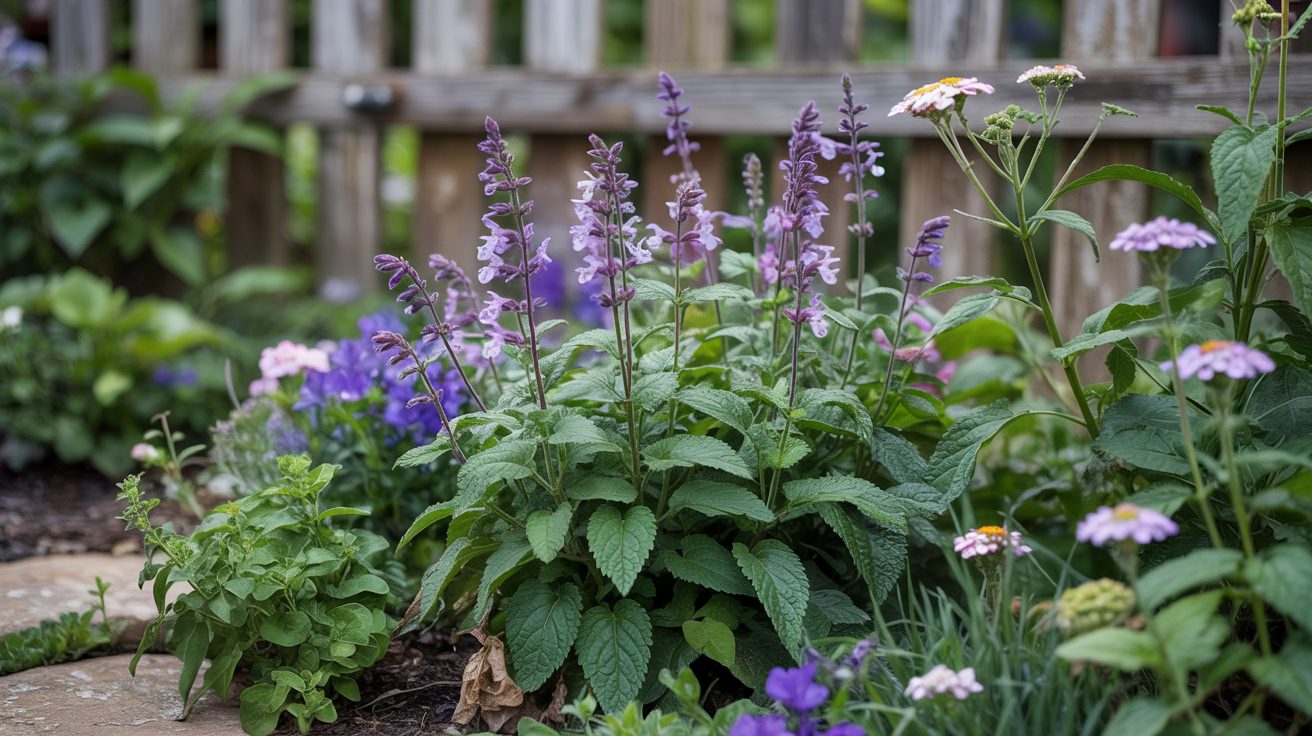
The most reliable defense is planting what deer genuinely avoid - not just what catalogs label "deer resistant" loosely, but plants with built-in deterrents: bitter alkaloids, sharp spines, sulfur compounds, or dense aromatic oils that make browsing unpleasant enough to skip.
These 12 plants were selected because each carries a structural or chemical deterrent that extension services consistently back. They span perennials, bulbs, shrubs, and ornamental grasses — covering zones 3 through 9, full sun to partial shade, and heights from 8 inches to 8 feet.
Why Some Plants Actually Work?
Deer rely heavily on smell before taste. Plants that emit strong volatile oils - lavender, catmint, Russian sage - register as unappealing before a deer ever takes a bite.
Remember it later
Planning to try this recipe soon? Save it for a quick find later!
That's a different mechanism than, say, daffodils, where toxic alkaloids in the bulb and foliage teach deer to avoid the plant entirely after one encounter.
Physical deterrents work differently again. Spiny shrubs like barberry don't smell bad - they cause discomfort.
Layering aromatic, toxic, and spiny plants across a bed closes gaps that any single category leaves open.
No plant is 100% deer-proof during late winter food scarcity. Even reliably avoided species get browsed when natural forage disappears. The varieties here hold up far better than most under normal seasonal pressure.
Deer Resistant Perennials
Perennials form the backbone of most deer-resistant plantings. The best ones combine multi-season interest with sensory deterrents strong enough that deer learn to route around entire beds.
You can find these and other tough long-blooming perennials worth pairing here.
English Lavender 'Munstead'
Zone 5–9 Easy
Lavandula angustifolia 'Munstead' is one of the most reliably deer-avoided plants in North America, almost entirely because of its dense aromatic oil content. Deer associate the camphor-heavy scent with irritation and consistently bypass it.
If you want to grow lavender successfully, sharp drainage is non-negotiable - wet roots kill it faster than cold.
- Deterrent: Volatile aromatic oils in foliage and flowers repel deer reliably across all seasons.
- Best use: Low hedge, path edging, or mass planting along a border that deer approach from an open lawn.
- Winter note: In zone 5, a dry mulch layer after hard frost extends survival without smothering crowns.
Catmint 'Walker's Low'
Zone 3–8 Easy
Nepeta x faassenii 'Walker's Low' blooms for 8-10 weeks of lavender-blue flowers, and its mint-family foliage is aromatic enough that deer reliably skip it. Hard shear after the first flush restarts bloom within three weeks.
- Spread: Reaches 24 inches wide; space 18 inches apart for a solid weed-suppressing mat by year two.
- Cold hardiness: Survives zone 3 winters reliably, making it one of the toughest aromatic perennials available.
- Pairing: Plant at the front of Russian sage for layered height and continuous aromatic deterrence.
Russian Sage 'Blue Spire'
Zone 5–9 Easy
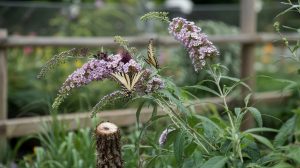
Reaching 3-4 feet tall, Perovskia 'Blue Spire' fills mid-border space with silvery stems and airy violet-blue spikes from July through September. Brushing the foliage releases a sharp, sage-like scent - which is exactly why deer avoid it.
It also handles drought well once roots establish, making it useful in dry-climate beds that already stress deer browsing pressure.
- Soil: Demands excellent drainage; clay soils cause crown rot before deer become an issue.
- Pruning: Cut to 6 inches in early spring - new growth emerges from the base, not old wood.
Perennial Salvia 'May Night'
Zone 4–8 Easy
Salvia nemorosa 'May Night' produces compact, upright spikes of deep violet flowers on near-black stems, and its pungent foliage makes deer consistently pass it by. Deadhead after the first bloom for a strong rebloom in late summer.
- Height: Stays 18-24 inches, fitting neatly at the front-to-mid border without staking.
- Reblooming: Cut spent spikes to basal foliage for a second flush - most gardeners get two full flushes per season.
- Zone floor: Dependably hardy to zone 4 with minimal winter preparation needed.
Yarrow 'Moonshine'
Zone 3–8 Easy
With feathery, silver-green foliage and flat-topped chartreuse-to-cream flower clusters, Achillea millefolium 'Moonshine' tolerates poor soil and summer heat that would exhaust other perennials. Deer avoid it because the foliage tastes bitter and the scent is medicinal.
This is one of the few plants that genuinely handles both deer pressure and common garden pest stress without extra intervention.
- Soil tolerance: Grows in rocky, sandy, or nutrient-poor soil where deer-favored plants won't compete.
- Bloom period: June through August; cut flower heads for dried arrangements before petals fully open.
Plant aromatic perennials — lavender, catmint, salvia — in a continuous front-border strip. Deer that approach from an open yard encounter the scent barrier first and often turn back without testing anything behind it.
Deer Resistant Bulbs
Bulbs often get overlooked in deer-resistant planting plans, but two categories - alliums and daffodils - carry chemical deterrents so effective that deer almost never touch them. Both naturalize over time, which means one planting compounds in coverage each year.
Ornamental Allium 'Globemaster'
Zone 4–8 Easy
The 6-8 inch spherical flower heads of Allium 'Globemaster' make it one of spring's most striking vertical accents, and every part of the plant contains sulfur compounds that deer find repellent.
Plant bulbs 6 inches deep in fall, and they'll return for 3-5 years before needing division.
- Height: Scapes reach 24-36 inches, creating striking vertical contrast above low groundcovers.
- Foliage timing: Leaves die back before flowering - interplant with hostas or ornamental grasses to cover the gap.
- Companion benefit: Planted near roses or tulips, alliums' sulfur scent may deter deer from browsing more vulnerable neighbors.
Daffodil 'Carlton'
Zone 3–8 Easy
Narcissus 'Carlton' is an early-to-mid spring single-trumpet daffodil with classic large yellow blooms that naturalizes reliably in lawns and woodland edges. The bulbs and foliage contain toxic alkaloids - lycorine specifically - that deer learn to avoid permanently after a single taste.
- Naturalizing: Spreads by offset bulbs; a planting of 25 bulbs can triple in coverage over five years.
- Shade tolerance: Handles partial shade well, making it viable under deciduous trees where deep shade plants would struggle.
- Planting depth: Set bulbs 6 inches deep, pointed end up, in September or October for reliable spring bloom.
All parts of daffodils are toxic to dogs and cats, not just deer. Keep that in mind for high-traffic pet areas. The same alkaloids that deter deer make them dangerous to mammals generally.
Deer Resistant Shrubs and Statement Plants
Shrubs add structure and height that perennials and bulbs can't provide, and several carry deterrents that work year-round - including during late winter when deer pressure peaks. For homeowners near woodland edges, shrubs with physical barriers like spines matter as much as chemistry.
Lamb's Ear 'Silver Carpet'
Zone 4–9 Easy
At 8-12 inches tall, Stachys byzantina 'Silver Carpet' functions as a dense low-growing ground layer that deer consistently avoid. The thick felt texture on the leaves registers as unpleasant in the mouth, and the foliage is mildly bitter - a combination that keeps deer moving.
- Spread: Forms tidy mats 18-24 inches wide; divide every 3 years to prevent center die-out.
- Sun flexibility: Tolerates partial shade, unlike most silver-foliage plants that fade without direct sun.
Dwarf Barberry 'Crimson Pygmy'
Zone 4–8 Medium
Berberis thunbergii 'Crimson Pygmy' relies on physical deterrence - its stems are densely spiny and uncomfortable to push through. At 18-24 inches, it works as a low border shrub or foundation planting where deer approach along fence lines.
Note that barberry is invasive in some northeastern states; check local restrictions before planting.
- Foliage: Deep crimson in summer, then scarlet in fall - ornamental value extends well past deer protection.
- Winter interest: Persistent red berries and bare spiny stems remain visible and deterrent through cold months.
Japanese Holly 'Sky Pencil'
Zone 6–9 Easy
Ilex crenata 'Sky Pencil' grows as a narrow evergreen column reaching 6-8 feet tall while staying under 2 feet wide. Its dense, leathery foliage and stiff structural habit make it genuinely difficult for deer to browse comfortably.
If you've been trying to protect ornamental specimens near entrances, a flanking pair of Sky Pencil adds structure and year-round deterrence simultaneously.
- Use case: Ideal as flanking plants at gates, entries, or corners where deer funnel through.
- Maintenance: Needs minimal pruning - its naturally narrow habit holds without shearing in most conditions.
Foxglove (Cottage Varieties)
Zone 4–8 Medium
Standing 36-60 inches tall, Digitalis purpurea fills vertical space in part-shade beds with tubular spires that deer universally avoid - the entire plant is toxic, containing cardiac glycosides. It's technically biennial, but it self-seeds so freely that most plantings behave as perennial colonies once established.
- Self-seeding: Leave a few seed heads in place each summer; plants will naturalize in shaded borders over time.
- Light range: Handles partial shade to full sun in cool climates - one of few tall deer-resistant plants for shadier spots.
- Toxicity note: Keep away from areas where children or pets play unsupervised.
Deer Resistant Ornamental Grasses
Deer rarely browse ornamental grasses unless completely starved. Most grasses have silica-edged blades that cut softly, and the habit of clumping grasses provides no nutritional incentive.
For more on keeping grasses healthy long-term, solid ornamental grass care practices matter more than deer pressure alone.
Dwarf Fountain Grass 'Hameln'
Zone 5–9 Easy
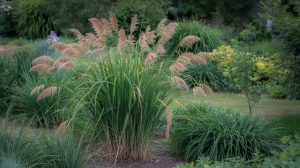
Pennisetum alopecuroides 'Hameln' grows in tidy arching clumps 24-36 inches tall, with bottlebrush seed heads that persist through fall. It's compact enough for small beds but substantial enough to anchor a border corner.
Deer consistently ignore it across most growing conditions.
- Soil: Tolerates clay, sandy, and loamy soils as long as drainage is adequate - standing water causes crown rot.
- Cut-back timing: Leave standing through winter for structural interest; cut to 4 inches in late February before new growth emerges.
- Spacing: Plant 24 inches apart for a continuous ribbon effect; clumps double in diameter by year three.
Side-by-Side Comparison
Use this table to match plants to your specific conditions quickly. The deterrent column shows the primary mechanism - useful when building a layered defense across a bed.
| Plant | Zone | Height | Sun | Primary Deterrent |
|---|---|---|---|---|
| Lavender 'Munstead' | 5–9 | 12–18 in | Full sun | Aromatic oils |
| Catmint 'Walker's Low' | 3–8 | 18–24 in | Full sun | Aromatic foliage |
| Russian Sage 'Blue Spire' | 5–9 | 36–48 in | Full sun | Volatile compounds |
| Salvia 'May Night' | 4–8 | 18–24 in | Full sun | Pungent foliage |
| Yarrow 'Moonshine' | 3–8 | 18–24 in | Full sun | Bitter taste |
| Allium 'Globemaster' | 4–8 | 24–36 in | Full sun | Sulfur compounds |
| Daffodil 'Carlton' | 3–8 | 14–18 in | Full–part sun | Toxic alkaloids |
| Lamb's Ear 'Silver Carpet' | 4–9 | 8–12 in | Full–part sun | Texture + bitterness |
| Dwarf Barberry | 4–8 | 18–24 in | Full–part sun | Spines |
| Holly 'Sky Pencil' | 6–9 | 6–8 ft | Full–part sun | Stiff habit + density |
| Fountain Grass 'Hameln' | 5–9 | 24–36 in | Full sun | Silica blades |
| Foxglove | 4–8 | 36–60 in | Part–full sun | Cardiac glycosides |

Designing a Layered Defense
A single deer-resistant plant in an otherwise attractive bed still gets deer into your yard. The plants that hold best are the ones planted with intention - using deterrent types that reinforce each other and eliminate the gaps deer test first.
Deer typically approach from woodland edges, fence lines, and low-traffic corners. Spiny shrubs at entry points slow physical access, while aromatic perennials inside the bed discourage foraging once deer are present.
Understanding how deer move through a landscape is a genuine pest management strategy, not just a planting preference.
Zone 3–4 gardeners have fewer woody shrub options but can rely heavily on catmint, yarrow, daffodils, and salvia — all of which are cold-hardy and carry strong chemical deterrents without needing winter protection.
Which Plant Fits Your Situation?
Not every yard has the same deer pressure, sun exposure, or aesthetic goal. Use these scenarios to narrow choices before buying.
If you're still weighing options, exploring a broader range of lavender cultivars can help you find one suited to your specific zone and soil type.
- Heavy deer pressure, full sun border: Lead with Russian sage at the back, salvia 'May Night' in the middle, and catmint at the front - all aromatic, all zone 4-8 compatible.
- Shady woodland edge: Foxglove for height, daffodils for spring coverage, and lamb's ear as a mat layer handle partial shade reliably without competing with tree roots.
- Formal or structured look: Sky Pencil hollies as vertical anchors, dwarf barberry as a low border, and lavender as edging keep the geometry clean while deterring browsers.
- Low-maintenance naturalistic planting: Yarrow, catmint, and ornamental alliums require near-zero intervention after year one and self-sustain well in zones 3-8.
- Zone 6-9 with drought conditions: Russian sage, lavender, and fountain grass are all drought-tolerant once established - a combination that handles both deer and dry summers without irrigation increases.
Frequently Asked Questions
Deer consistently avoid plants with strong aromatic oils (lavender, catmint, Russian sage), toxic compounds (daffodils, foxglove), or physical deterrents (barberry spines). Plants containing alkaloids like lycorine in daffodil bulbs are learned aversions — deer avoid them permanently after one encounter.
Yes — both are reliably avoided because their volatile aromatic oils are highly concentrated in the foliage. Lavandula angustifolia cultivars like 'Munstead' are particularly consistent in zones 5–9, while rosemary is best suited to zones 7–10 where it overwinters without protection.
Daffodils and ornamental alliums are the two most reliable deer-resistant bulb choices. Both are toxic or chemically repellent — Narcissus bulbs contain lycorine, while allium bulbs contain sulfur compounds — and both naturalize over several seasons, expanding coverage without replanting.
Deer rarely browse ornamental grasses under normal foraging conditions. Pennisetum 'Hameln' and similar clumping grasses have silica-edged blades that are physically unpleasant and offer little nutritional value — though extremely hungry deer in late winter may sample any available vegetation.
In most suburban settings with moderate deer pressure, a layered planting strategy — mixing aromatic, toxic, and spiny plants — reduces browsing damage significantly without fencing. In high-pressure rural areas near dense woodland, physical barriers remain more reliable for protecting vulnerable plants like roses or vegetables.
Pin it for your next deer resistant plants: best varieties and growing tips project.