Most gardens fail not from bad soil or bad luck, but from plants that demand constant attention their owners never had time to give. The 12 plants in this list were chosen specifically because they don't.
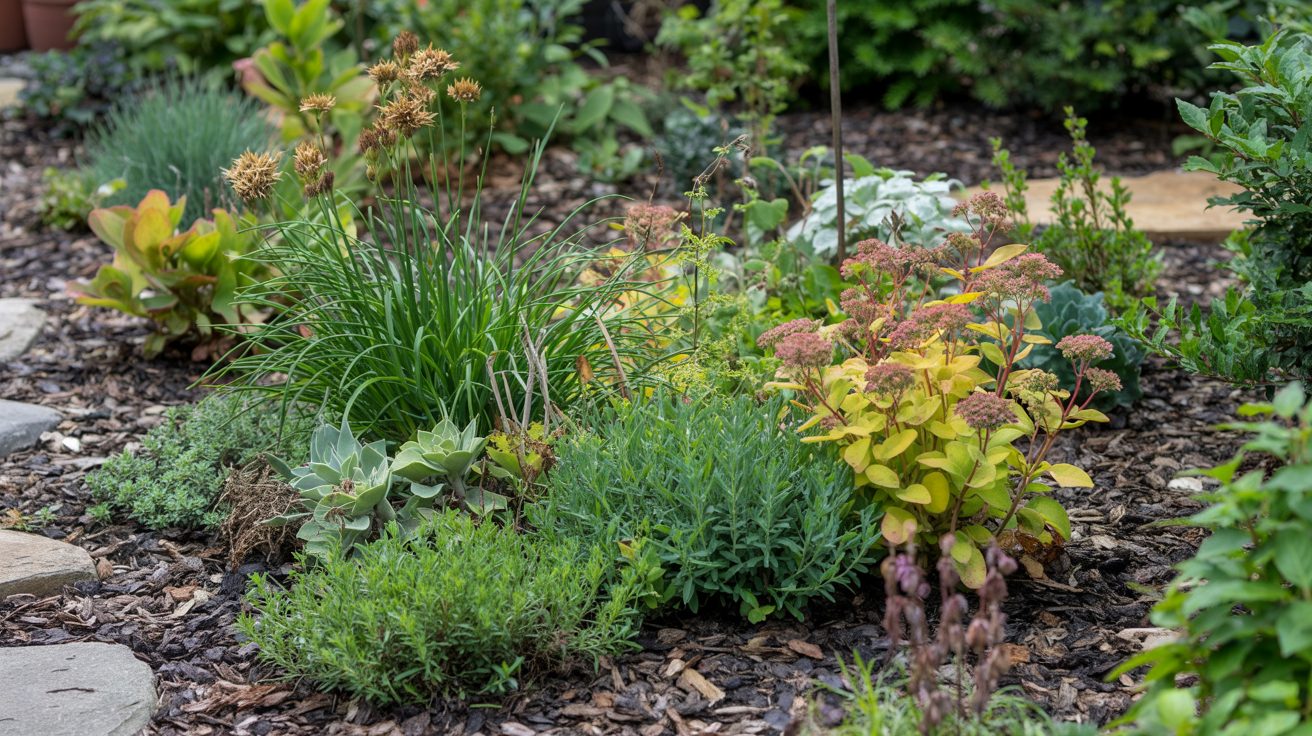
They establish quickly, tolerate lean conditions, and keep producing without regular fertilizing, staking, or pest-fighting. Whether you're filling a sunny border, shading a corner, or starting an indoor collection, these varieties give you reliable results with minimal input.
These 12 low-maintenance plants cover indoor and outdoor growing, zones 3-12, and a range of light conditions. Each was selected for drought tolerance, pest resistance, or self-renewing habit — traits that reduce your workload from the start.
What Makes a Plant Truly Low Maintenance?
The label gets overused. A plant earns it only when it needs minimal watering, fertilizing, and deadheading once settled into the right spot.
Remember it later
Planning to try this recipe soon? Save it for a quick find later!
Matching the plant to its preferred zone, light, and drainage is the real work - after that, these varieties largely handle themselves.
- Water needs: Established plants should survive on rainfall alone in most growing seasons, or close to it.
- Fertilizer: Annual feeding or none at all. Plants that demand monthly feeding don't qualify.
- Division or pruning: Needed only every few years, or just once per season at most.
- Pest resistance: Either deer-resistant, slug-resistant, or simply unpalatable enough to avoid constant intervention.
Soil drainage appears on nearly every plant's must-have list here. Poor drainage causes more failures with "easy" plants than anything else - it's worth amending before you plant.
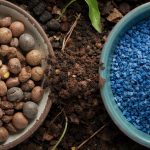
Dig a hole 12 inches deep and fill it with water. If it drains in under 4 hours, you're fine. If not, raise your beds or add grit before planting sedums, lavender, or Russian sage.
Outdoor Perennials for Sun
Full-sun perennials make up the backbone of a low-maintenance border. The varieties below thrive with minimal intervention compared to annual replanting, and most stay attractive for multiple seasons without deadheading.
Sedum 'Autumn Joy' (Hylotelephium telephium)
Zone 3-9 Easy
Few perennials offer this much seasonal interest with this little water. The flat-topped flower clusters open dusty pink in late summer and age to russet-red through fall, staying attractive even into winter as dried seed heads.
- Watering: Needs no supplemental irrigation after the first season in most climates.
- Soil: Performs best in poor, rocky, or sandy soil - rich soil causes floppy stems.
- Pest resistance: Slug damage is minimal; deer typically leave it alone.
Lavender 'Munstead' (Lavandula angustifolia 'Munstead')
Zone 5-8 Easy
At under 18 inches, 'Munstead' stays compact enough for container growing or front-of-border planting. To enjoy scented flowers reliably each year, cut it back by one-third in early spring before new growth starts - this is the one annual task it truly needs.
- Drainage: Sharp drainage is non-negotiable; wet winter soil kills lavender faster than cold does.
- Fertilizer: Skip it entirely - nitrogen-rich soil reduces fragrance and causes legginess.
Catmint 'Walker's Low' (Nepeta x faassenii 'Walker's Low')
Zone 4-8 Easy
Despite the name, 'Walker's Low' reaches 18-24 inches and sprawls into a soft, aromatic mound that deer consistently avoid. Shear it back hard after the first bloom flush in June and it rebounds with fresh growth and a second flush by August.
- Bloom extension: A single cut-back doubles the flowering season without any other intervention.
- Spacing: Plant 24 inches apart - it spreads wider than it looks in the first year.
- Soil: Tolerates clay as long as it doesn't stay waterlogged in winter.
Russian Sage (Perovskia atriplicifolia)
Zone 5-9 Easy
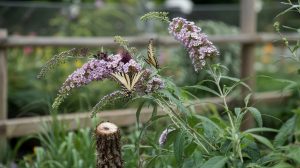
Russian sage produces airy blue flower spikes on silver-gray stems from July through September with almost no care.
It's one of the few large perennials that actively performs better in lean, infertile soil - feeding it causes floppy, open stems that need staking, which defeats the purpose.
- Height management: Cut woody stems back to 6 inches in early spring; new growth emerges from the base each year.
- Drought tolerance: Established plants handle 3-4 weeks without rain without leaf scorch.
Russian sage is borderline in zone 5 during harsh winters. In those areas, leave the woody stems standing until spring — they protect the crown from freeze-thaw cycles and improve overwintering survival significantly.
Daylily 'Stella de Oro' (Hemerocallis 'Stella de Oro')
Zone 3-9 Easy
Spanning zones 3-9 with golden-yellow blooms that repeat from June through frost, 'Stella de Oro' earns its widespread reputation. For healthy rebloom, divide the clumps every 3-4 years when the center thins out - otherwise, no annual care is required.
- Soil tolerance: Adapts to clay, loam, or sandy soil as long as it isn't constantly saturated.
- Fertilizer: One application of balanced slow-release fertilizer in spring is all it needs, if anything.

Outdoor Perennials for Shade and Part Shade
Shady spots trip up many gardeners who assume fewer options exist. These two perennials fill low-light areas with season-long interest and almost no upkeep beyond a spring cleanup.
Coral Bells 'Palace Purple' (Heuchera 'Palace Purple')
Zone 4-9 Easy
The deep-purple foliage of 'Palace Purple' holds its color from spring through fall without any deadheading or cutting back. A 2-inch layer of mulch over the shallow roots keeps them cool in summer heat and reduces watering frequency significantly.
- Light flexibility: Performs in partial shade but tolerates morning sun if mulched well.
- Maintenance: Pull off any tattered outer leaves in spring - that's about it for annual care.
- Pairing: Works well at the base of shrubs or along woodland paths where grass won't establish.
Feather Reed Grass 'Karl Foerster' (Calamagrostis x acutiflora)
Zone 4-9 Easy
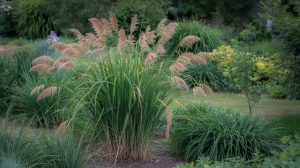
Unlike many ornamental grasses, 'Karl Foerster' stays in a tight, upright column rather than flopping open - flower stalks reach 5-6 feet but never need staking.
It's one of the few grasses that extends visual interest well into winter as the tawny seed heads hold their shape through snow.
- Division schedule: Cut to 4 inches in late winter; divide every 4-6 years when the crown center dies out.
- Wet soil tolerance: Handles poorly drained areas better than most ornamental grasses.
Low-Maintenance Shrubs and Edging Plants
A well-chosen shrub or ground-level plant eliminates the need to replant that spot for decades. These two options require one pruning session per year at most, and garden structure benefits from having at least one evergreen anchor in every border.
Boxwood 'Green Velvet' (Buxus sempervirens × B. microphylla)
Zone 5-8 Medium
'Green Velvet' grows slowly to 2-4 feet, naturally holding a dense, rounded form that rarely needs shaping. In humid climates like the Southeast, choose only disease-resistant cultivars - boxwood blight has hit older varieties hard, and cultivar selection matters more than any spray program.
- Pruning frequency: One light trim in late spring is sufficient to maintain shape for the season.
- Watering: Established plants need watering only during extended drought, roughly 2+ weeks without rain.
Hens and Chicks (Sempervivum spp.)
Zone 3-8 Easy
Rooting in as little as an inch of gritty soil, hens and chicks spread by producing offsets (the "chicks") that fill gaps without any replanting effort. Many varieties survive temperatures below -20°F, making them among the most cold-hardy succulents available to gardeners in zones 3-4.
- Container use: Excellent in shallow troughs, rock wall crevices, or green roofs where soil depth is limited.
- Maintenance: Remove spent rosettes after they flower and die - the offsets fill the space within a season.
Rosemary 'Arp' (Salvia rosmarinus 'Arp')
Zone 6-9 Easy
'Arp' is the most cold-tolerant rosemary selection widely available, surviving zone 6 winters that kill standard rosemary outright.
In zones colder than 6, grow it in a container and move it to an unheated garage when temperatures stay below 15°F - it needs light but not warmth to overwinter.
- Pruning: Cut back by one-third in early spring to prevent woody, bare stems from forming at the base.
- Soil: Requires excellent drainage - more rosemary dies from wet roots than from cold.
- Fertilizer: None needed in-ground; container-grown plants benefit from half-strength liquid feed once in spring.

Indoor Plants That Survive Neglect
Indoor plants in this category earn their place by tolerating irregular watering and low light without dropping leaves or dying back. Both options below have water-storing tissue that buffers against missed waterings for weeks at a time.
Snake Plant (Dracaena trifasciata)
Easy Zones 10-12 outdoors
For upright leaf architecture in low-light rooms, no houseplant competes with the snake plant. Water it every 2-3 weeks in summer and once a month in winter - overwatering, not underwatering, is what kills them.
- Light range: Survives in rooms with no direct sun; grows faster near a bright window but tolerates deep corners.
- Fertilizer: One diluted feeding in spring and one in summer is sufficient for the whole year.
- Soil: Use cactus mix or add perlite to standard potting soil to ensure drainage.
ZZ Plant (Zamioculcas zamiifolia)
Easy Zones 9-11 outdoors
The ZZ plant stores water in thick rhizomes at its base, which means it can go 4-6 weeks without water in a cool room and show no stress.
The glossy, dark-green leaves make it look well-tended even when it isn't - a practical advantage for rooms with minimal natural light like offices or north-facing bedrooms.
- Watering interval: Water only when the top 2 inches of soil are completely dry - in winter, that can mean once every 6 weeks.
- Growth rate: Slow, which also means it rarely needs repotting - expect to move up one pot size every 2-3 years.
ZZ plant sap is a skin and eye irritant. Wear gloves when repotting or dividing, and keep it away from pets — the rhizomes are toxic to cats and dogs if ingested.
Side-by-Side Comparison
Use this table to quickly match plants to your specific conditions. Sun requirements and zone range are the two filters to apply first before considering height.
| Plant | Zone | Sun | Height | Best Use |
|---|---|---|---|---|
| Sedum 'Autumn Joy' | 3-9 | Full sun | 18-24 in | Dry sunny border |
| Lavender 'Munstead' | 5-8 | Full sun | 12-18 in | Edging, containers |
| Hens and Chicks | 3-8 | Full sun/part shade | 1-4 in | Rock gardens, troughs |
| Snake Plant | Houseplant | Low-bright indirect | 12-48 in | Indoor low-light rooms |
| ZZ Plant | Houseplant | Low-bright indirect | 12-36 in | Offices, dark corners |
| Daylily 'Stella de Oro' | 3-9 | Full sun/part shade | 12-18 in | Mass planting, slopes |
| Catmint 'Walker's Low' | 4-8 | Full sun | 18-24 in | Deer-resistant border |
| Russian Sage | 5-9 | Full sun | 36-48 in | Back-of-border filler |
| Feather Reed Grass | 4-9 | Full sun/part shade | 48-72 in | Vertical accent |
| Coral Bells 'Palace Purple' | 4-9 | Part shade | 12-18 in | Shade border, edging |
| Boxwood 'Green Velvet' | 5-8 | Part shade-full sun | 2-4 ft | Foundation, hedging |
| Rosemary 'Arp' | 6-9 | Full sun | 24-48 in | Herb bed, containers |
How Often Do These Plants Need Fertilizing?
Overfeeding is a real problem with low-maintenance plants. Most on this list evolved in lean conditions, and excess nitrogen produces weak, floppy stems, reduced fragrance, and greater disease susceptibility - especially in lavender, rosemary, and Russian sage.
- No fertilizer needed: Hens and chicks, Russian sage, catmint, sedum, lavender. Established plants in average soil need nothing.
- Once in spring: Daylilies, feather reed grass, coral bells. A single slow-release balanced feed is plenty.
- Houseplants (spring and summer only): Snake plant and ZZ plant each need one or two diluted liquid feeds during the active growing season - skip completely in fall and winter.
- Container plants: Rosemary 'Arp' in containers benefits from a half-strength liquid feed once in spring since potting mix depletes faster than garden soil.
For outdoor plants in native or undisturbed soil, skip the fertilizer entirely in the first year and assess growth before adding anything. Many low-maintenance plants fed too early simply produce more leaf and less flower.
If a low-maintenance plant is blooming well, growing at a normal rate, and showing good color — don't fertilize it. Adding nutrients to a plant that doesn't need them creates problems that wouldn't otherwise exist.
Which Plant Fits Your Situation?
The right choice depends on your light, zone, and whether you're planting outdoors or in. Run through these scenarios to narrow it down fast.
For a broader view of what grows naturally in your region, native plant lists by state can also help confirm zone compatibility.
- Sunny dry slope with poor soil: Sedum 'Autumn Joy' and catmint 'Walker's Low' both tolerate lean, fast-draining conditions and need no irrigation once established.
- Shady border under trees: Coral bells 'Palace Purple' with feather reed grass behind it gives foliage contrast and vertical structure in low-light spots.
- Cold climate (zone 3-4): Hens and chicks, sedum, daylily 'Stella de Oro', and feather reed grass all survive zone 3 winters reliably.
- Indoor with low light: ZZ plant for deep rooms, snake plant near a window - both handle missed waterings for weeks at a time.
- Deer pressure in a suburban garden: Catmint 'Walker's Low', Russian sage, and lavender 'Munstead' are all consistently deer-resistant due to aromatic foliage.
- Container growing in a colder zone: Rosemary 'Arp' overwinters well in an unheated garage in zones 5-6 when grown in a container with good drainage.
Pairing plants from different categories - say, a sun perennial with an ornamental grass behind it - reduces the need for annual gap-filling and gives the border structure across all four seasons.
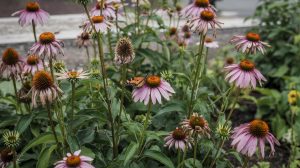
Plants like coneflowers in mixed borders pair especially well with feather reed grass and Russian sage for late-summer coverage.
Frequently Asked Questions
Sedum 'Autumn Joy', catmint 'Walker's Low', and Russian sage all perform in full sun with no supplemental irrigation after the first season, needing only one annual pruning at most.
ZZ plant can go 4-6 weeks between waterings in a cool room thanks to water-storing rhizomes; snake plant tolerates monthly watering in winter without any leaf drop.
Most need no feeding at all once established in average garden soil; daylilies and ornamental grasses benefit from a single slow-release application each spring, but lavender and sedum perform better with none.
Yes — sedum 'Autumn Joy', daylily 'Stella de Oro', feather reed grass 'Karl Foerster', and hens and chicks all carry zone 3 ratings and survive winters below -30°F with no winter protection needed.
Cut 'Munstead' lavender back by one-third every spring before new growth starts — never cut into bare wood below the foliage, as stems without green growth won't regenerate.
Pin it for your next low maintenance plants: best varieties and growing tips project.