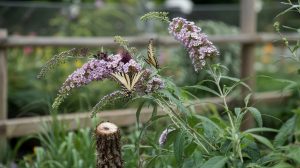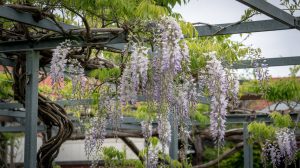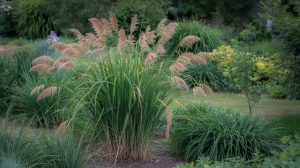
Bare soil under trees, steep banks that wash out every spring, gaps between stepping stones - these are the spots where ground cover plants earn their keep. A well-chosen ground cover outcompetes weeds, controls erosion, and asks almost nothing from you once it settles in.
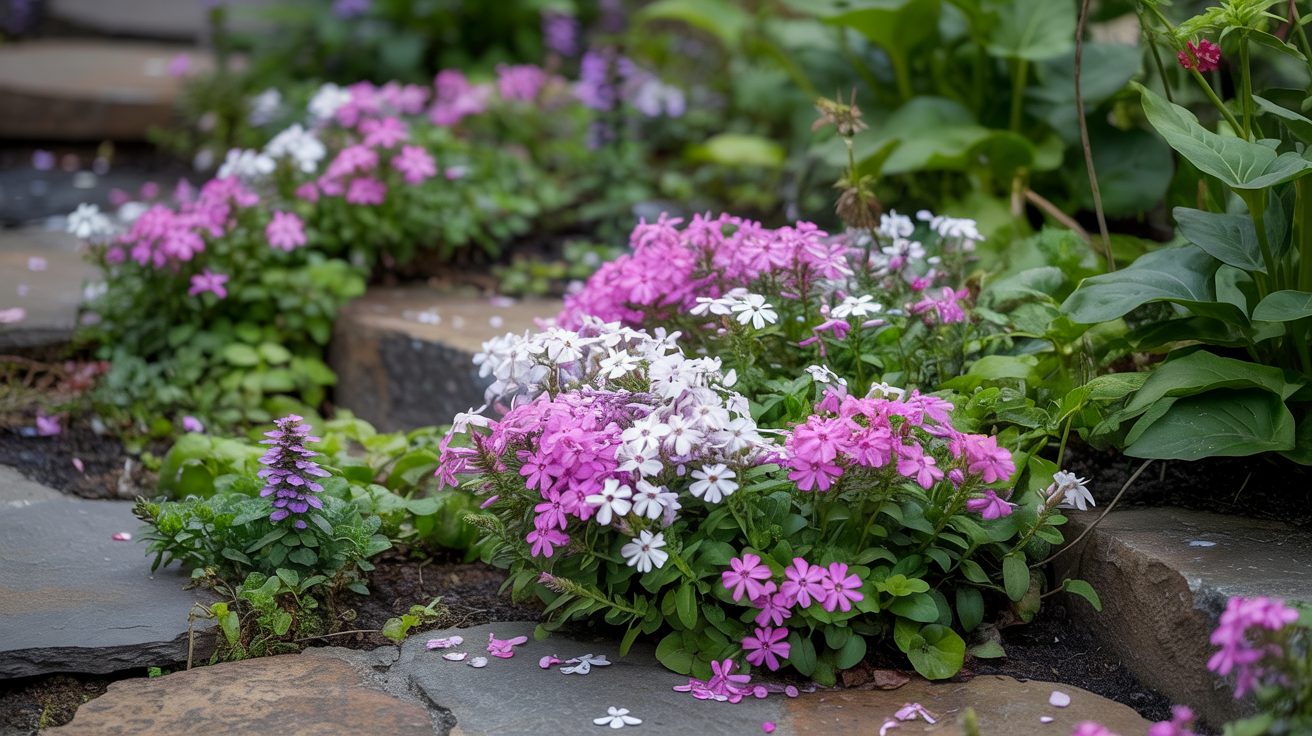
The best low-maintenance ground covers spread reliably, tolerate your specific conditions (shade, dry soil, foot traffic), and stay put without escaping into neighboring beds.
This list covers 12 field-proven perennial options from sun-baked rock gardens to dense woodland shade, with spacing, zone, and spread habits included.
How to Choose the Right Ground Cover?
Before picking a plant, answer three questions: How much sun does the area get? Does water pool there or drain fast?
Remember it later
Planning to try this recipe soon? Save it for a quick find later!
Will anyone walk on it? Those answers eliminate most of the wrong choices immediately.
Spacing matters more than most guides admit. Plant too far apart and weeds fill the gaps for two or three seasons.
Too close and you waste money on plants that would have spread on their own. General rule: fast spreaders like Ajuga reptans go 12 inches apart; slow clumpers like Carex oshimensis need 18 inches or more.
- Sun exposure: Full-sun covers like creeping thyme fail quickly in shade. Shade-adapted plants like pachysandra scorch in afternoon sun.
- Soil moisture: Sedum and woolly thyme want lean, dry soil. Sweet woodruff and creeping Jenny need consistent moisture to stay attractive.
- Foot traffic: Only a handful of ground covers - creeping thyme, mazus, and veronica - tolerate regular stepping. Most others thin out quickly under feet.
- Spread speed: Fast spreaders cover ground in one season but may need annual edging. Slow spreaders require more patience up front but rarely escape their borders.
Creeping Jenny (Lysimachia nummularia) and vinca are listed as invasive in several states, including parts of the Midwest and Pacific Northwest. Check your local extension service before planting either near natural areas or waterways.
Ground Covers for Shade and Partial Shade
Shaded yards are where most lawn grasses give up. These plants cover challenging low-light areas without the annual reseeding battle that shade-tolerant turf requires.
Ajuga reptans (Common Bugle) Zone 3–9 Easy
Ajuga is arguably the fastest-establishing shade ground cover you can plant. Glossy rosettes in bronze, burgundy, or green spread by surface runners, and 6-10 inch purple flower spikes appear in mid-spring, attracting early pollinators.
- Spacing: 12 inches apart; fills in within one full growing season under good conditions.
- Soil tolerance: Adapts to clay, loam, and dry shade - one of the broadest tolerances on this list.
- Caution: Can develop crown rot in poorly drained spots; avoid low-lying areas that hold water after rain.
Vinca minor (Periwinkle) Zone 4–9 Easy
Evergreen trailing stems root wherever they touch soil, giving vinca a steady, low-effort spread across dry shade - exactly where little else performs. Pale blue to white flowers appear in spring and rebloom sporadically through summer.
- Spacing: 12-18 inches; fills in by year two in average conditions.
- Dry shade: More drought-tolerant once established than most shade ground covers.
- Invasive risk: Spreads aggressively near woodland edges; edge twice per year to contain it.
Pachysandra terminalis (Japanese Spurge) Zone 4–8 Medium
The classic under-tree solution in zones 4-8. Pachysandra terminalis builds a dense 6-12 inch evergreen carpet with glossy, whorled leaves that block weeds almost completely once established - but "once established" takes patience.
- First year: Spreads slowly; expect gaps through year one and sometimes year two.
- Disease watch: Volutella leaf blight hits plants in wet, poorly drained soils; improve drainage before planting.
- Spacing: 12 inches apart in amended soil; 6-8 inches if you want faster coverage.
Galium odoratum (Sweet Woodruff) Zone 4–8 Easy
Few ground covers smell as good as sweet woodruff in spring. Whorled star-shaped leaves release a fresh hay scent when brushed, and white star flowers blanket the plant in April and May.
- Heat limit: Dies back in summer in zones 7-8 unless shaded and kept consistently moist.
- Best use: Under deciduous trees or shrubs where it gets spring sun then summer shade.
- Spacing: 12 inches apart; self-seeds modestly to fill gaps over time.
Carex oshimensis 'Evergold' (Japanese Sedge) Zone 5–9 Medium
Where most ground covers hug the ground, 'Evergold' adds a foot of arching gold-striped texture. It spreads by short rhizomes rather than runners, so it fills space gradually without becoming a nuisance.
- Height: 12-18 inches - taller than others here, giving layered depth to shade beds.
- Spread rate: Slow; space 18 inches apart and fill gaps with annuals for the first two seasons.
- Pairing: Works well under Japanese maples and other structural shade trees.
Pachysandra and vinca both prefer acidic to neutral soil (pH 5.5–7.0). If your soil is alkaline, amend with sulfur or pine bark before planting, or yellowing foliage will appear within the first season.

Ground Covers for Full Sun and Dry Conditions
Sunny, dry slopes and gravel paths need plants built for lean conditions. These selections handle drought, compaction, and reflected heat that would kill most ornamental plants.
Several also make credible low-maintenance alternatives to turfgrass in high-sun areas.
Thymus serpyllum (Creeping Thyme) Zone 4–9 Easy
At half an inch to two inches tall, creeping thyme is one of the flattest ground covers available. It blooms in dense pink-to-purple mats in early summer and releases a mild herbal scent underfoot - genuinely pleasant between stepping stones.
- Foot traffic: Handles light-to-moderate stepping better than almost any other option here.
- Deer resistance: Reliably avoided by deer, making it useful near browse-prone borders.
- Spacing: 9-12 inches in lean, well-drained soil; sandy or gravelly soil gives best results.
Sedum spurium (Dragon's Blood Sedum) Zone 3–9 Easy
Red-tinged succulent rosettes turn deep burgundy in fall sun, and flat clusters of summer flowers attract bees reliably. Sedum spurium shrugs off frost heaving better than most low sedums, making it a solid pick in zones 3-5.
- Soil need: Lean, rocky, or sandy soil is ideal - rich soil causes floppy growth and rot.
- Drought: Among the most drought-tolerant covers here; skip watering after the first season entirely in zones 4-7.
- Spacing: 12 inches apart; establishes quickly and fills in by end of year one.
Thymus pseudolanuginosus (Woolly Thyme) Zone 5–9 Easy
Silvery-gray, densely hairy foliage gives woolly thyme a soft, almost felt-like texture that looks different from anything else in a rock garden or path edge. It spreads more slowly than creeping thyme but forms a tighter, neater cushion.
- Height: Only 0.5-1 inch - the flattest cover in this entire list.
- Fire resistance: Notably low flammability compared to dry ornamental grasses; worth noting for fire-prone zones.
- Spacing: 9-12 inches; expect two seasons to achieve full coverage.
Veronica repens (Creeping Speedwell) Zone 5–9 Easy
A versatile bridge plant - handles both dry shade and full sun, which few covers manage well. Small blue flowers appear in spring, and the evergreen mat recovers from light foot traffic faster than most non-thyme options.
- Adaptability: Works between pavers in sun or as an edging filler in partial shade.
- Spacing: 8-12 inches apart; spreads by creeping stems that root at nodes.
- Water needs: If you're looking at surviving summer dry spells, this outperforms vinca in drier spots.
Ground Covers for Moist or Tricky Spots
Wet edges, pond margins, and consistently moist soil present their own challenges. These covers fill those niches without rotting out.
Lysimachia nummularia 'Aurea' (Creeping Jenny) Zone 3–9 Easy
Chartreuse coin-shaped leaves brighten dark corners faster than almost anything else. In full sun, the color turns a vivid gold; in shade, it softens to lime green.
Both are attractive, but the spread rate demands respect.
- Moisture: Excels at wet pond edges and rain garden margins where other plants drown.
- Invasive caution: Spreads aggressively in moist soil near natural waterways; contain with edging barriers.
- Spacing: 12-18 inches, but it will fill gaps in weeks under moist summer conditions.
Mazus reptans Zone 4–8 Easy
Two-inch stems covered in purple-and-white flowers in early spring make mazus one of the showiest low ground covers available. It also tolerates more foot traffic than its delicate look suggests.
- Soil: Prefers moist, well-drained soil; tolerates brief waterlogging better than thyme or sedum.
- Establishment: Fills gaps quickly after planting - often visible spreading within six weeks of transplanting.
- Spacing: 6-8 inches for fast coverage; low-growing perennial flowers like mazus combine well with spring bulbs.
Sagina subulata (Irish Moss) Zone 4–8 Medium
At a quarter-inch tall, Irish moss forms the finest-textured carpet on this list. Tiny white flowers appear in late spring, and the cushion-like mounds look elegant between flagstones in cool-summer climates.
- Climate limit: Fails in hot, dry summers - zones 7-8 need afternoon shade and consistent moisture to keep it looking good.
- Soil pH: Prefers slightly acidic to neutral soil; alkaline soil causes yellowing within one season.
- Spacing: 6 inches apart; grows slowly but stays extremely tidy once established.
For path gaps and stepping stone edges, mix creeping thyme and woolly thyme side by side. The texture contrast — wiry versus fuzzy — looks intentional and both handle dry conditions equally well.

Side-by-Side: Top 5 Ground Covers Compared
Choosing between the most popular options is easier with the key specs lined up. This comparison focuses on the five covers most frequently used as lawn alternatives or large-area fills.
| Plant | Zone | Sun | Height | Foot Traffic | Best Use |
|---|---|---|---|---|---|
| Creeping Thyme | 4–9 | Full sun | 0.5–2 in | Yes | Path edges, lawn swap |
| Ajuga | 3–9 | Part–full shade | 3–6 in | Light only | Shade banks, tree circles |
| Vinca minor | 4–9 | Part–full shade | 2–4 in | No | Dry shade, slopes |
| Pachysandra | 4–8 | Full–part shade | 6–12 in | No | Dense shade under trees |
| Dragon's Blood Sedum | 3–9 | Full sun | 2–4 in | No | Dry slopes, rock gardens |
Creeping thyme wins on versatility for sunny spots; pachysandra wins on weed suppression in deep shade. For zones 3-5 specifically, ajuga and sedum are the safest bets for harsh-winter reliability.
Planting Ground Covers the Right Way
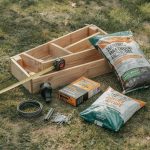
Most ground cover failures happen at planting time, not years later. Get the first steps right and these plants largely take care of themselves.
The approach is similar whether you're filling a raised bed or planting in-ground.
Controlling Spread Before It Becomes a Problem
Fast-spreading ground covers are a gift and a liability. Vinca, ajuga, and creeping Jenny all send stems beyond their intended borders without much warning.
Edging twice per season - once in spring, once in early fall - keeps most of them in check.
For slopes or naturalized areas where spread is welcome, these same plants are a genuine asset. A steep bank covered in garden-proven perennials like ajuga or vinca needs almost no maintenance after year two and controls erosion far better than mulch alone.
- Physical edging: A plastic or steel edging strip buried 3-4 inches deep stops most surface-rooting spreaders. It won't stop underground rhizomes.
- Annual trimming: Cut back vinca and pachysandra hard every 2-3 years in early spring to refresh growth and prevent a woody, bare-center problem.
- Rhizome spreaders: Creeping Jenny and sweet woodruff spread underground as well as above - hand-pull escapees promptly before they establish new colonies.
In zones 3–4, creeping Jenny and sweet woodruff may die back to the ground each winter but reliably return in spring. In zones 8–9, pachysandra struggles in summer heat — swap it for ajuga or vinca for better persistence.
Which Ground Cover Fits Your Situation?
The right pick depends on conditions more than preference. These scenarios match common problem areas with the covers most likely to succeed there.
If you're cross-referencing with other low-effort perennials, these all rank well on the maintenance scale.
- Dense shade under mature trees: Pachysandra or sweet woodruff. Both handle root competition and deep shade where grass never takes hold.
- Sunny slope with erosion risk: Dragon's blood sedum or creeping thyme. Both root quickly, tolerate dry soil, and spread laterally to bind loose soil.
- Between stepping stones with occasional foot traffic: Creeping thyme or mazus. Woolly thyme works too but fills in more slowly.
- Wet area or pond edge: Creeping Jenny. Nothing else on this list handles standing moisture as well.
- Large shaded area, want fast results: Ajuga. Spreads the fastest of all the shade options and establishes reliably in zones 3-9.
- Formal look with neat edges: Irish moss or 'Evergold' sedge. Both stay tidy and look intentional rather than wild.
- Deer pressure is heavy: Creeping thyme. Strong aromatics deter deer reliably; pair it with other deer-avoided plants for a fully resistant border.
Frequently Asked Questions
Pachysandra terminalis, Ajuga reptans, and Vinca minor are the three most reliable shade ground covers, performing well in zones 4–9 with minimal supplemental care after year two.
Spacing ranges from 6 inches for slow spreaders like Irish moss to 18 inches for vinca and pachysandra; fast spreaders like ajuga fill in at 12 inches within one growing season.
Creeping thyme (Thymus serpyllum), mazus reptans, and creeping speedwell (Veronica repens) handle light-to-moderate foot traffic; only creeping thyme reliably recovers from regular stepping between pavers.
Fast spreaders like ajuga and creeping Jenny fill in within one season when spaced 12 inches apart; slow growers like pachysandra and woolly thyme typically need two to three seasons for complete coverage.
Creeping thyme is the strongest lawn substitute — it handles light foot traffic, stays under 2 inches tall, and blooms in early summer; it works best in zones 4–9 on well-drained, sunny sites.
Pin it for your next ground cover plants: best varieties and growing tips project.