Growing flowers you can actually eat turns an ordinary garden bed into something genuinely useful. Edible flowers add flavor, color, and texture to food - but only if you grow the right varieties, skip the pesticides, and pick them at the right time.
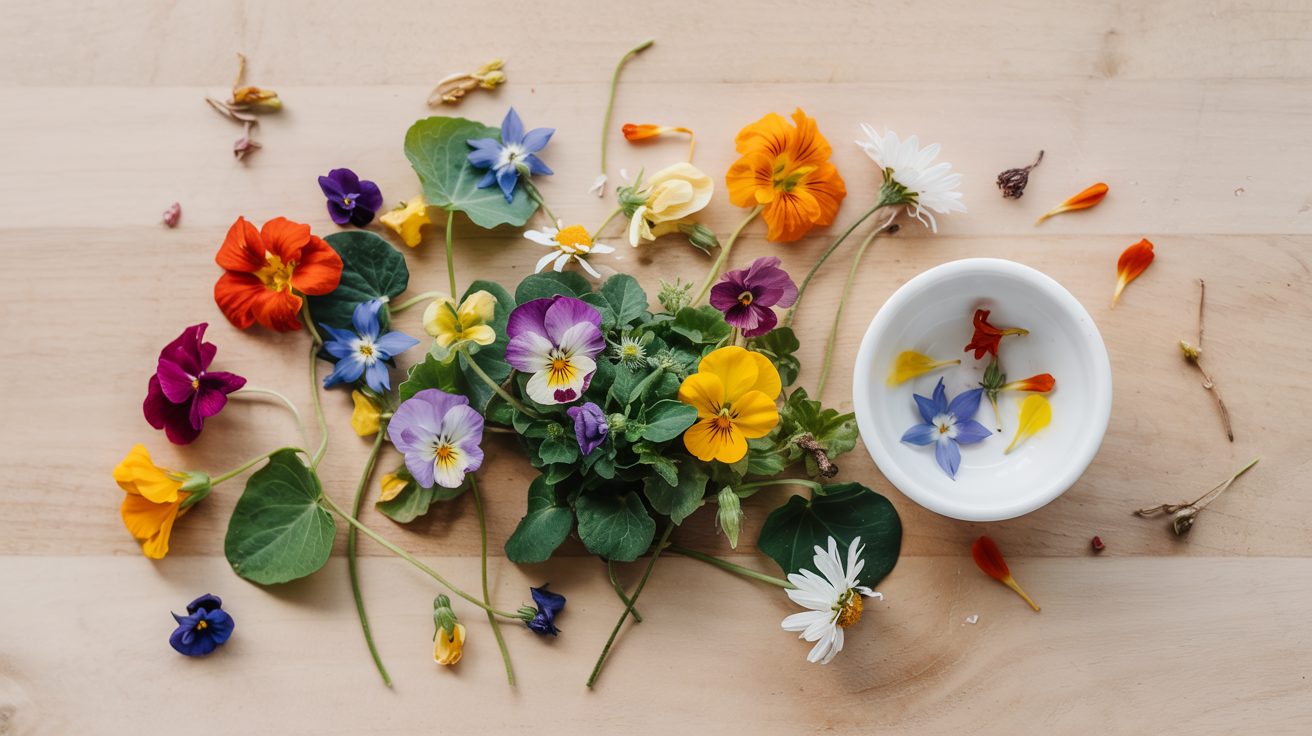
This guide covers 12 reliable varieties, how to grow them, and exactly what to do with the harvest.
Twelve edible flower varieties suited to home gardens across USDA zones 3–11. Selection covers annuals, perennials, and cool-season bloomers with confirmed culinary uses — from peppery nasturtiums to tart hibiscus calyces.
All entries include zone range, sun needs, and harvest guidance.
Before You Eat Any Flower: Two Non-Negotiable Rules
Every edible flower guide needs to say this clearly: pesticide-free growing is not optional. Flowers sold at garden centers or grocery stores are often treated with systemic insecticides not cleared for food use.
Remember it later
Planning to try this recipe soon? Save it for a quick find later!
Grow your own from seed or buy certified edible-flower plugs. Rinse gently under cool water and inspect for insects before use - petals bruise easily, so skip the salad spinner.
- Positive ID first: Only eat flowers you've identified to species. Many ornamentals look similar to edible ones but are toxic - foxglove and sweet pea are common mix-ups.
- Harvest timing matters: Pick flowers in the morning after dew has dried. Fully open blooms have peak flavor; wilted or overripe flowers taste bitter and fall apart.
- Remove non-edible parts: Stamens and pistils can cause reactions in sensitive individuals - use petals only unless the whole head is confirmed edible (borage, chamomile, viola).
- Start small: Introduce one new flower at a time. Mild allergic reactions to pollen are possible even with safe species.
Never eat flowers from florists, roadsides, or neighbors' gardens unless you know exactly how they were grown. Systemic pesticides don't wash off.
Cool-Season Edible Flowers
These varieties prefer temperatures between 45-65°F and produce their best blooms in spring and fall. In extending the bloom season into colder months, cool-season edibles are especially useful for northern gardeners.
Viola / Violets and Johnny Jump-Ups
Zone 4-9 Easy
Viola spp. are small, pansy-like flowers that bloom prolifically in cool weather and stop producing once summer heat arrives. The whole flower is edible - petals, sepals, and all - with a mild, slightly floral flavor.
- Best use: Candied with egg white and superfine sugar for cake decoration; also pressed onto butter or cheese boards.
- Growing tip: Direct sow 4-6 weeks before last frost or start indoors 8 weeks early. Thin to 6 inches apart.
- Harvest window: Blooms last 4-6 weeks per flush; deadhead regularly to extend production.
Chamomile
Zone 3-9 Easy
German chamomile (Matricaria chamomilla) is an annual; Roman chamomile (Chamaemelum nobile) is a low perennial. Both produce daisy-like heads used primarily for tea.
Harvest entire flower heads when petals are fully reflexed back and the yellow disk is bright - that's peak essential oil content.
- Height: 8-18 inches; German type grows taller and self-seeds freely.
- Drying tip: Spread heads single-layer on a screen for 1-2 weeks at room temperature. Store in an airtight jar away from light.
- Sun: Full sun to part shade; tolerates poor, dry soil better than most edibles.
Borage
Zone 3-10 Easy
Star-shaped blue flowers of Borago officinalis taste unmistakably of cucumber - mild, clean, and refreshing. Direct sow after last frost; it self-seeds like a native and will return year after year without replanting.
- Best use: Float whole flowers in cocktails or lemonade; freeze into ice cubes for a visual effect that holds for weeks.
- Pollinator value: One of the strongest bee attractors in the edible garden - plant near squash and cucumbers.
- Note: Remove the small hairy calyx before eating; it can irritate the mouth.
Fast-Growing Annual Workhorses
These annuals germinate quickly from seed, bloom heavily, and tolerate a wide range of conditions. They're the best entry point for anyone new to growing edible flowers.
Nasturtium (Standard)
Zone 3-11 Easy
Tropaeolum majus is probably the most versatile edible flower in the home garden. Petals are peppery like watercress, the leaves are edible too, and the unripe seed pods can be pickled as caper substitutes.
Sow seeds directly - they resent transplanting - and expect first blooms 6-10 weeks after sowing.
- Vining vs. trailing: Climbing types reach 4-6 feet and need support; bush types stay under 18 inches.
- Soil trick: Poor, lean soil produces more flowers. Rich soil pushes leaves at the expense of blooms.
- Best use: Stuffed with herbed cream cheese; scattered over salads for color and heat.
Dwarf Nasturtium
Zone 3-11 Easy
Tropaeolum minus is the compact form - same peppery flavor, same ease of growing, but it stays 6-12 inches tall and never vines. It's the better choice for container growing or tight edging where the standard type would sprawl out of bounds.
- Container performance: Works well in 6-inch pots; combine with herbs for a windowsill edible display.
- Bloom density: Dwarf forms often bloom more densely per square foot than climbing types.
Calendula / Pot Marigold
Zone 3-10 Easy
Bright orange and yellow petals of Calendula officinalis have a slightly bitter, resinous flavor that works best as a color agent rather than a primary flavor.
The petals hold pigment beautifully when dried and infuse oils with a golden hue - a technique used in both cooking and skincare.
- Harvest method: Pinch off individual petals rather than whole heads for continuous production; deadheading spent blooms extends the season by weeks.
- Drying: Lay petals flat on a screen; fully dry in 5-7 days. Use in rice, soups, or infused butter.
- Season length: Blooms from late spring until hard frost - one of the longest-producing edibles in this list.
Sow calendula seeds directly in fall in zones 7–10. They overwinter as seedlings and bloom 3–4 weeks earlier than spring-sown plants.
Perennial Edible Flowers Worth the Investment
These plants take longer to establish but pay back with years of harvests. Plan their placement carefully - moving a mature lavender or daylily clump is disruptive work.
Lavender
Zone 5-8 Medium
English lavender (Lavandula angustifolia) is the only type reliably used in food - its flavor is floral and slightly herbaceous without the camphor bite of Spanish or French types.
Use buds and small florets sparingly; lavender is potent and not all cultivars taste the same in baking.
- Best culinary varieties: 'Hidcote' and 'Munstead' have the mildest, sweetest flavor for edible use.
- Harvest timing: Cut spikes when the bottom third of buds have opened - this maximizes essential oil and flavor.
- Soil requirement: Sharp drainage is mandatory. Raised beds or gritty, alkaline soil prevents root rot in zones with wet winters.
In zones 9–11, lavender struggles with summer humidity. Grow it as a winter annual or stick to heat-tolerant types like Lavandula dentata, though flavor differs. For growing lavender successfully in borderline climates, drainage matters more than zone rating.
Daylily
Zone 3-9 Easy
Each Hemerocallis bloom lasts one day, which concentrates the harvest into a short window - pick in the morning before the flower fully opens for best texture. Petals taste mildly sweet, and the closed buds can be sautéed or added to stir-fries.
- Caution: Only Hemerocallis species are edible - not true lilies (Lilium spp.), which are toxic. Confirm your ID before eating.
- Harvest window: A single plant may produce 20-40 buds per season; stagger plantings for a longer supply.
Established clumps need dividing every 4-5 years to maintain vigor. Full daylily care instructions cover soil, fertilizing, and division timing in detail.
Roses
Zone 4-9 Medium
Rose petals range from nearly flavorless to intensely perfumed depending on the variety. Fragrance predicts flavor - a scentless hybrid tea petal tastes like nothing.
Rugosa roses and old garden rose types carry the strongest edible flavor and tend to be hardier and more pest-resistant than modern hybrids.
- Best edible varieties: Rosa rugosa, Damask roses, and Gallica roses for the most pronounced petal flavor.
- White heel removal: The white base of each petal is bitter - remove it before using in food.
- Uses: Rose petal jam, infused honey, candied petals, rosewater syrup.
Specialty and Large-Bloom Varieties
These plants require more space or specific conditions but offer harvests you can't get from compact annuals.
Squash Blossoms
Zone 4-10 Easy
Any summer squash (Cucurbita pepo) produces male and female blossoms - harvest male flowers (those on straight stems, no fruit behind them) to keep production balanced. Female flowers are identifiable by the tiny fruit swelling at the base; leave most of them to set fruit.
- Harvest window: Pick male flowers in the morning before they close. Use within hours or refrigerate wrapped in damp paper towel for up to 24 hours.
- Classic use: Stuffed with ricotta and herbs, dipped in a light batter, and pan-fried.
- Production tip: Each plant produces several male flowers per female; one zucchini plant gives you ample blooms without sacrificing fruit. If you're direct-seeding summer crops, sow squash at the same time for a mid-summer harvest.
Hibiscus / Roselle
Zone 9-11 Medium
Hibiscus sabdariffa, known as roselle, is grown for its fleshy calyces rather than petals - the deep red calyces that develop after the flower drops are the edible part, tasting sharply of cranberry and citrus.
In zones 3-8, grow it as an annual started indoors 8-10 weeks before last frost.
- Harvest timing: Calyces are ready 3-4 weeks after flowers drop when they're plump, dark red, and still firm.
- Height warning: Plants reach 3-8 feet in a single season - give them space at the back of a bed.
- Common use: Dried calyces brewed as hibiscus tea (agua de jamaica); also used in syrups and jam.
Chrysanthemum (Edible Type)
Zone 5-9 Medium
Not all mums are edible - the key distinction is variety. Chrysanthemum morifolium cultivars bred for East Asian cuisine (often sold as "tong ho" or "shungiku") have a mildly bitter, tea-like flavor used in hot pot and stir-fries.
Standard ornamental mums from a garden center are not confirmed safe to eat.
- Source carefully: Buy from seed suppliers that specifically label the variety as edible or culinary.
- Best use: Petals scattered over soups and noodle dishes in the last 30 seconds of cooking.
- Growing note: Start from seed in early spring; plants bloom in fall when days shorten.
How These 12 Varieties Compare?
Choosing between varieties often comes down to zone, available space, and intended use. This table puts the key variables side by side.
| Flower | Zone | Height | Sun | Best Use |
|---|---|---|---|---|
| Nasturtium (standard) | 3–11 (annual) | 6–48 in | Full–part shade | Salads, capers, stuffed petals |
| Dwarf Nasturtium | 3–11 (annual) | 6–12 in | Full–part shade | Containers, edging |
| Calendula | 3–10 | 12–24 in | Full sun | Dried petals, infused oil |
| Viola | 4–9 | 3–8 in | Part–full sun | Candied flowers, garnish |
| Borage | 3–10 | 12–24 in | Full–light shade | Cocktails, ice cubes |
| Squash Blossom | 4–10 (annual) | Spreading | Full sun | Stuffed and fried |
| Lavender | 5–8 | 12–36 in | Full sun | Baking, infusions |
| Chamomile | 3–9 | 8–18 in | Full–part shade | Tea, dried flower heads |
| Daylily | 3–9 | 18–36 in | Full–part shade | Sautéed buds, garnish |
| Rose | 4–9 | 2–6+ ft | Full sun | Jam, rosewater, candied |
| Chrysanthemum | 5–9 | 12–36 in | Full–part shade | Soups, hot pot |
| Hibiscus / Roselle | 9–11 (annual elsewhere) | 3–8 ft | Full sun | Tea, syrup, jam |
Harvesting and Using Edible Flowers in the Kitchen
Good harvest practice determines whether flowers taste fresh or flat. The window between "just right" and "past it" is often less than 24 hours.
Infused lavender flower honey is one of the simplest preserves: warm honey to 100°F, steep dried buds for 30 minutes, strain, and jar. No canning required — honey's low water activity prevents spoilage.
Which Edible Flower Fits Your Situation?
Not every garden needs all 12 varieties. Here's a shortcut based on common growing conditions and goals.
- New to edible flowers, want fast results: Start with nasturtium - direct sow in any sunny spot after last frost and harvest in 6-8 weeks.
- Small space or containers: Dwarf nasturtium and violas fit in 6-inch pots; both produce heavily relative to their footprint.
- Cool climate (zones 3-5): Borage, calendula, chamomile, and nasturtium are all zone-3 hardy as annuals and won't struggle with cold springs.
- Want to dry and preserve: Calendula and chamomile dry easily and store for up to a year; lavender dried buds last even longer in sealed jars.
- Cooking with flowers regularly: Squash blossoms and daylily buds work as actual ingredients in cooked dishes, not just garnishes.
- Already growing shrubs or perennials: Add roses (use rugosa for both hips and petals) and lavender to existing beds for years of low-effort harvest.
- Zone 9-11 warm climates: Roselle hibiscus is the standout choice - it sizes up fast, produces heavily, and tolerates heat that stops cool-season edibles entirely.

Frequently Asked Questions
Confirmed-safe edible flowers include nasturtium, calendula, viola, borage, chamomile, rose, lavender, daylily (Hemerocallis only), squash blossom, roselle hibiscus, and culinary chrysanthemum — all must be grown without systemic pesticides to be safe for consumption.
Rinse flowers briefly in cool water, drain on paper towels, and remove stamens, pistils, and any bitter white petal bases — then add just before serving, since petals wilt within 10–15 minutes of dressing contact.
No — only fragrant, pesticide-free roses are worth eating. Rosa rugosa and Damask roses have the strongest flavor; scentless modern hybrid teas taste of nothing and are frequently treated with systemic pesticides not approved for food use.
Calendula and chamomile petals dried properly on a screen last 10–12 months in sealed glass jars stored away from light; lavender buds retain flavor for up to 2 years under the same conditions.
Male squash blossoms grow on straight thin stems with no fruit behind them; female blossoms sit atop a tiny swelling that becomes the squash — harvest males for cooking and leave most females to ensure fruit production continues.
Pin it for your next edible flowers: best varieties and growing tips project.