Mosquitoes don't care that you spent all weekend building the perfect patio. They'll ruin a summer evening in minutes, and most commercial repellents either smell harsh or need constant reapplication.
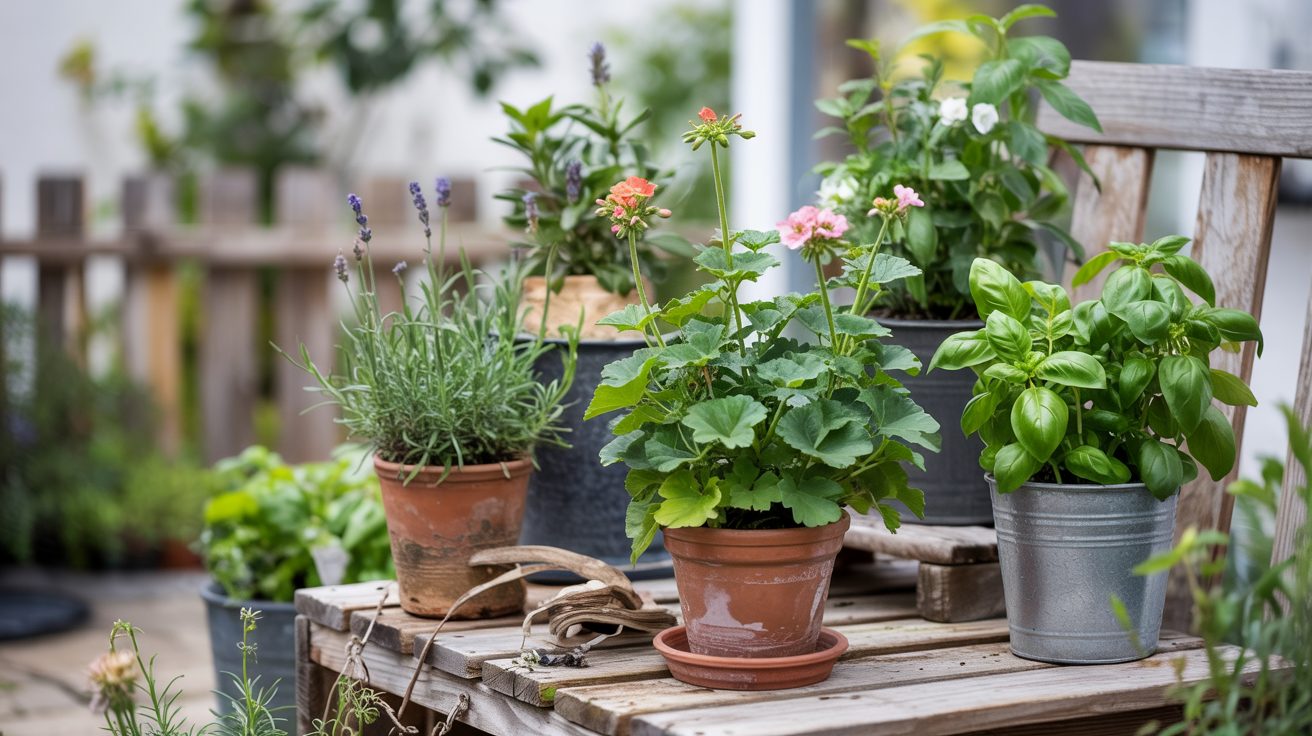
Repellent plants won't replace a full pest-control plan, but the right species planted close to seating areas genuinely reduces mosquito activity - some backed by peer-reviewed lab data, others proven across decades of gardener experience.
Twelve plants with real repellent compounds — from citronella grass and catnip to rosemary and garlic — reduce mosquito activity near seating areas when planted in dense groups or containers. Most work best when foliage is crushed or brushed to release volatile oils.
Several double as culinary herbs.
Tall Grasses and Statement Plants
These are the anchors of a mosquito-repellent garden - large, fast-growing plants that release oils continuously and establish a visible barrier around outdoor spaces. Plant in clumps of 3 or more for the best scent output.
Remember it later
Planning to try this recipe soon? Save it for a quick find later!
1. Citronella Grass
Zone 9–11 Medium
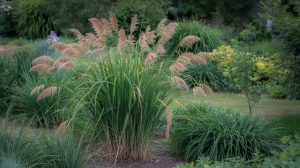
Cymbopogon nardus and C. winterianus are the actual source plants behind commercial citronella candles and sprays. A dense 4-foot clump near a seating area releases oil passively in heat and more intensely when leaves are brushed.
In zones 7-8, treat it as a container specimen that moves indoors before first frost.
- Oil output: Highest of any plant on this list - the benchmark for citronella repellency.
- Container growth: Use a 15-gallon pot minimum; roots need room to support full height.
- Overwintering: Cut back to 6 inches, bring indoors, and water sparingly until spring.
2. Lemon Grass
Zone 8–11 Easy
Reaching 2-4 feet, Cymbopogon citratus smells nearly identical to citronella grass and tolerates frequent harvesting - which makes it practical for cooks and gardeners alike. It roots readily from divisions, so one pot can supply cuttings for new containers every season.
Place in patio container arrangements alongside lower-growing herbs for layered coverage.
- Harvest benefit: Regular cuttings increase oil-rich new growth and keep the plant compact.
- Soil: Rich, well-drained mix - waterlogged roots rot fast in containers.
Rub a lemon grass leaf between your fingers and apply the oily residue to exposed skin for a quick field-expedient repellent. It won't last as long as DEET, but it works for 30–60 minutes outdoors.
Compact Herbs for Borders and Containers
These plants stay under 3 feet and mix easily into existing beds or container groupings. Most do double duty as kitchen herbs.
Their repellency comes from volatile aromatic oils in leaves, stems, and flowers - so proximity to people matters.
3. Catnip
Zone 4–8 Easy
Iowa State University research found nepetalactone - the active compound in Nepeta cataria - to be roughly 10 times more effective than DEET against mosquitoes in controlled lab settings. That data comes from isolated compound testing, not whole-plant field trials, but it's the strongest repellency evidence on this list.
Plant it in a buried pot or a raised bed edge to manage its aggressive spread.
- Containment: Sink a plastic pot 8 inches deep in the ground to block underground runners.
- Hardiness: Fully cold-hardy in zones 4-8, dying back and returning reliably each spring.
- Cat interference: Neighborhood cats may roll on it and damage foliage - a wire cage helps.
4. Catmint
Zone 4–8 Easy
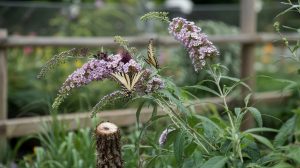
Nepeta x faassenii carries the same nepetalactone chemistry as catnip but stays tidier at 12-18 inches and won't take over a bed. It's also a long-blooming perennial that fills a border with fragrance from late spring through early fall when cut back after first bloom.
Poor soils and dry spells don't faze it.
- Bloom re-trigger: Cut to 4 inches after the first flush fades - you'll get a second wave in 4-6 weeks.
- Spread: Clump-forming, not running; division every 3 years keeps it vigorous.
5. Lavender
Zone 5–9 Easy
Lavandula angustifolia provides moderate mosquito repellency through linalool and linalyl acetate in its flowers and stems. It also pulls in pollinators, which makes it one of the few repellent plants that actively benefits the rest of your garden.
There are dozens of named varieties - compact forms like 'Hidcote' (12 inches) suit containers, while 'Vera' reaches 24 inches and works as a low hedge. If you want to grow lavender successfully, sharp drainage is non-negotiable: wet feet kill it faster than cold.
- Placement: Plant along path edges where foot traffic brushes stems and releases oil.
- Soil pH: Prefers slightly alkaline soil (pH 6.5-7.5) - add lime in acidic beds.
- Longevity: Lasts 10-15 years in well-drained soil with annual light trimming after bloom.
In zones 5–6, choose cold-hardy lavender cultivars like 'Hidcote' or 'Munstead' rather than French or Spanish types. English lavender (L. angustifolia) survives zone 5 winters reliably; L. stoechas doesn't.
6. Basil
Annual Easy
Sweet basil and lemon basil both emit eugenol and other volatile compounds that mosquitoes avoid - and frequent pinching actually increases oil production in new foliage. Ocimum basilicum 'Siam Queen' and lemon basil ('Mrs.
Burns') are the most aromatic choices for repellent purposes. When you harvest basil regularly, you trigger bushier growth that puts out more scent surface area per plant.
- Pinching schedule: Remove flower buds as soon as they form - flowering drops leaf oil content.
- Placement: A pot of basil on the table beside food is both functional and highly aromatic.
7. Peppermint
Zone 3–8 Easy
Few plants smell more intensely than Mentha x piperita when leaves are crushed. The menthol and pulegone content deters multiple biting insects, not just mosquitoes.
It handles partial shade better than most plants on this list - useful under trees or near covered patios where sun is limited. Always grow it in a container; aggressive spreaders like peppermint can colonize an entire bed in one season if planted directly in the ground.
- Shade tolerance: Performs in as little as 3-4 hours of direct sun, unlike most herbs here.
- Container depth: 8-10 inches minimum - root systems go deeper than most people expect.
8. Sage
Zone 5–9 Easy
Salvia officinalis packs its gray-green leaves with camphor, thujone, and cineole - a mix that makes it aromatic enough to deter insects from close range. It tolerates poor, dry soils where other herbs struggle, which makes it useful in low-water borders alongside rosemary and lavender.
Plant 3-5 in a row for a low informal hedge that releases scent all day in summer heat.
- Soil: Sandy or rocky soil outperforms rich loam - too much fertility reduces oil concentration.
- Pruning: Cut back by one-third after flowering to prevent woody leggy stems.
9. Rosemary
Zone 7–10 Easy
Now classified as Salvia rosmarinus, rosemary is one of the most resinous plants on this list - its camphor-heavy oil releases on contact and lingers in warm air. A mature hedge or large container specimen provides continuous ambient scent near seating areas.
It's among the closest companions to lavender in both care requirements and scent chemistry, and both look excellent planted together.
- Water: Let soil dry out between waterings - weekly in summer, every 2-3 weeks otherwise.
- Winter hardiness: Zone 7 plants may die back in hard freezes; mulch heavily or bring containers in.
Alliums and Tender Favorites
This group covers two plants that don't fit the typical herb-border mold. One's a flowering ornamental often used as a houseplant; the other's a bulb crop grown in rows.
Both earn a place in integrated pest management for outdoor spaces.
10. Citronella Geranium
Zone 9–11 Easy
Often sold simply as "the mosquito plant," Pelargonium 'Citrosum' is a scented-leaf geranium - not a true geranium - with rose-cut foliage that smells powerfully of lemon and citrus when touched. Studies show the plant itself doesn't emit enough volatile oil to clear a space passively; it works best when guests brush leaves as they walk past.
At 12-24 inches, it's the ideal container companion for lavender or lemon grass.
- Frost tolerance: Light frost (28-30°F) damages it; bring indoors before first fall freeze.
- Overwintering: Treat as a houseplant in bright indirect light through winter months.
- Scent activation: Place pots where guests naturally brush or touch them - near seating armrests.
11. Marigold
Annual Easy
Tagetes erecta (African marigold) and T. patula (French marigold) both produce thiophene compounds in their foliage and roots that have demonstrated some repellent activity in field trials. African marigolds top out at 3 feet and work as a border edge; French types stay under 12 inches and fit window boxes.
The pungent scent that some people find unpleasant is exactly what makes them effective - so don't pick the mildest-smelling variety you can find.
- Strongest repellency: African marigold 'Crackerjack' and French 'Striped Marvel' have the most pungent foliage.
- Planting density: Space 8-10 inches apart for a solid scent barrier rather than isolated plants.
12. Garlic
Zone 4–9 Easy
Interplanting Allium sativum through a perennial border or vegetable bed adds sulfur compounds to the local atmosphere that reduce mosquito landings. It's not a standalone solution, but mixed into beds with lavender, sage, or rosemary, the layered chemistry builds up.
If you want to plant garlic for maximum yield, fall planting in zones 4-7 produces larger bulbs than spring planting.
- Interplanting: Tuck 3-4 cloves between perennial clumps - foliage repels insects through the growing season.
- Scapes: Curl-top scapes in early summer also release sulfur when cut - don't waste them.
Garlic foliage dies back in mid-summer after bulb maturation, leaving gaps in the border. Plan for this by interplanting with marigolds or basil that fill in as garlic fades.
Side-by-Side Comparison
Different situations call for different plants. This table helps you match top performers to your specific conditions - zone, sun availability, and intended use.
| Plant | Zone | Sun | Height | Best Use |
|---|---|---|---|---|
| Citronella Grass | 9–11 / annual 7–8 | Full sun | 3–5 ft | Anchor / screen |
| Catnip | 4–8 | Full–part sun | 18–36 in | Border perennial |
| Lavender | 5–9 | Full sun | 12–24 in | Hedge / path edge |
| Peppermint | 3–8 | Part–full sun | 12–24 in | Shaded container |
| Citronella Geranium | 9–11 / tender | Full–part sun | 12–24 in | Patio container |
| Rosemary | 7–10 | Full sun | 2–5 ft | Hedge / dry border |

How to Maximize Repellent Effect?
Individual plants scattered across a large yard do very little. Concentration and placement determine whether you get real results or just a pleasant-smelling garden that mosquitoes ignore.
No plant fully replaces topical repellent in high-mosquito conditions. Use repellent plants as a first layer of defense in combination with eliminating standing water within 20 feet of seating areas.
Which Plants Fit Your Situation?
Not every garden has full sun, and not every gardener in zone 4 can grow citronella grass outdoors. Use this shortcut to match your conditions to the best performers on the list.
- Cold climate (zones 3-6): Catnip, catmint, lavender ('Hidcote' or 'Munstead'), and peppermint are all fully hardy - no annual replanting required.
- Container patio setup: Citronella geranium, lemon grass, basil, and peppermint all thrive in pots and can be arranged around furniture and moved as needed.
- Dry, poor soil beds: Rosemary, sage, lavender, and catmint tolerate neglect and low-fertility ground better than most other options here.
- Partial shade yard: Peppermint, catnip, and catmint manage in 3-4 hours of direct sun - most others need 6+ hours to stay productive.
- Edible garden priority: Basil, lemon grass, garlic, and peppermint all have kitchen uses, so they pull double duty with no wasted growing space.
- Budget-first approach: Marigold seeds cost under $3 a packet and can cover 20+ linear feet of border; catnip self-seeds generously after the first season.
Frequently Asked Questions
Frequently Asked Questions
True citronella grass (Cymbopogon nardus) does contain the same oils used in commercial repellents, but passive plant emission covers only a small radius — typically 2–3 feet — and works best when leaves are actively crushed or brushed.
Catnip carries the strongest lab-tested compound (nepetalactone), followed by peppermint, basil, and rosemary. Planting all four together in a 6-square-foot cluster near seating gives broader chemical coverage than any single herb alone.
Place plants within 3 feet of where people sit. Volatile oils disperse quickly in open air, so a lavender border 8–10 feet away contributes far less than a container of citronella grass set directly beside outdoor chairs.
Yes, but only as a container annual. Pot it in a 15-gallon container in spring, move it outdoors after last frost, then bring it indoors before temperatures drop below 40°F — it won't survive a zone 6 winter in the ground.
Burning dried Salvia officinalis at a fire pit releases camphor and thujone smoke that does deter insects in the immediate smoke zone — typically within 4–6 feet downwind — though it's more effective as a complement to planted borders than a standalone method.
Pin it for your next plants that repel mosquitoes: best varieties and growing tips project.