Ferns have been growing on this planet for over 360 million years, and they've earned their place in the modern garden. Shade-tolerant, low-maintenance, and architecturally distinct, they solve real landscaping problems - from dry, dark corners to waterlogged stream banks where almost nothing else survives.
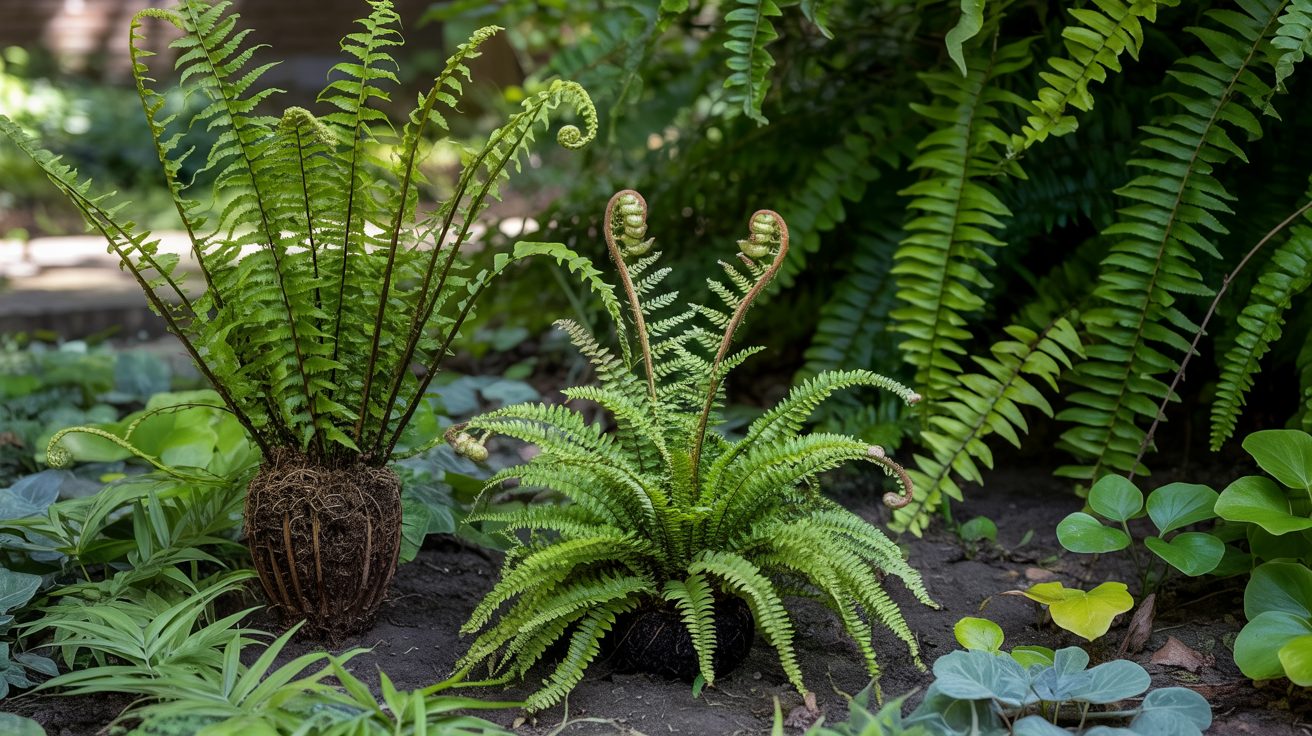
This guide covers 12 fern varieties suited to indoor containers, outdoor shade beds, and everything between. We've organized them by use-case — indoor houseplants, cold-hardy landscape ferns, and specialty types — with care tips for each.
Indoor Ferns for Containers and Hanging Baskets
Most people meet ferns as houseplants first, and a handful of species genuinely do well indoors - if you respect their humidity needs. Among the shade-tolerant ornamentals, these four are the most widely available and forgiving inside the home.
Remember it later
Planning to try this recipe soon? Save it for a quick find later!
1. Boston Fern
Zone 9-11 Easy
Nephrolepis exaltata 'Bostoniensis' is the classic hanging-basket fern for a reason. Its long, arching fronds can reach 36 inches, making it one of the most dramatic options for a porch or bright window.
- Humidity: Needs 40%+ relative humidity indoors - mist daily or use a pebble tray with water.
- Light: Bright indirect to partial shade; direct sun scorches the fronds quickly.
- Watering: Water every 2-3 days in summer, weekly in winter - never let the root ball dry out completely.
2. Maidenhair Fern
Zone 9-11 (indoors 3-8) Demanding
Adiantum raddianum is visually unmatched - delicate, fan-shaped leaflets on near-black wiry stems give it an airy, almost translucent appearance. Beauty comes at a price, though.
- Watering: Soil must stay evenly moist; a single dry-out causes mass frond drop that takes weeks to recover from.
- Drafts: Keep away from air vents and cold windows - even mild cold air browns the tips fast.
- Soil pH: Prefers slightly acidic mix around pH 5.5-6.5; regular potting soil often needs peat or pine bark added.
Group maidenhair ferns with other tropical houseplants. The collective transpiration raises local humidity by 5-10%, reducing how often you need to mist.
3. Bird's Nest Fern
Zone 10-11 (houseplant) Easy
Where most ferns have finely cut fronds, Asplenium nidus goes the opposite direction - broad, strap-like fronds radiate from a central rosette that resembles a bird's nest. It tolerates lower light than most ferns and handles brief dry spells without collapse.
- Frond care: Pour water into the soil, not the central crown - trapped moisture in the cup causes rot.
- Light tolerance: Survives in rooms with only a north-facing window, though growth slows noticeably.
4. Rabbit's Foot Fern
Zone 10-11 (houseplant) Easy
The real draw of Davallia fejeensis is its fuzzy, tan rhizomes - they creep over and down the pot edges like small furry legs. The fine-textured fronds reach only 8-14 inches, making it ideal for small shelves or hanging displays.
- Rhizome care: Never bury the rhizomes - they need to sit on or above the soil surface to breathe.
- Watering: Let the top inch of soil dry between waterings; this fern rots quickly in consistently soggy pots.
Cold-Hardy Landscape Ferns for Shade Gardens
Gardeners in zones 3-8 have a strong lineup of ferns that survive hard winters and fill shade beds with texture through the growing season. Several of these also pair well with hosta varieties that share the same moist, shaded conditions.
5. Ostrich Fern
Zone 3-7 Easy
For sheer size and presence, nothing in this list matches Matteuccia struthiopteris. Fronds emerge in a perfect upright vase shape and can hit 6 feet tall in moist, fertile soil.
- Spread: Creeping rhizomes form colonies over time - give it space or plan to divide every 3-4 years.
- Soil: Tolerates wet and even seasonally flooded ground; a natural choice for stream banks or rain gardens.
- Edible note: Young fiddleheads in spring are edible when cooked - a bonus in the landscape garden.
6. Japanese Painted Fern
Zone 4-8 Easy
Athyrium niponicum 'Pictum' is the most ornamental fern in the cold-hardy group. Silvery-gray fronds with burgundy or purple midribs look almost metallic in a shaded border - color intensifies in cooler temperatures.
- Color: Deepest silver and purple tones appear in partial shade; too much darkness washes out the variegation.
- Height: Compact at 12-18 inches, which makes it useful for edging paths or fronting taller ferns like ostrich.
Japanese painted fern is reliably hardy to zone 4, but mulching crowns with 2-3 inches of shredded leaves in late fall extends its performance in zone 3 microclimates.
7. Christmas Fern
Zone 3-8 Easy
Polystichum acrostichoides stays green through winter across most of its range - fronds flatten to the ground under snow but bounce back in spring. It's native to eastern North America and adapts to dry shade once established.
- Winter interest: Evergreen fronds provide color in the garden from November through March when little else does.
- Growth rate: Slow to establish in year one, but forms dense clumps by year three with minimal intervention.
8. Lady Fern
Zone 3-8 Easy
Few ferns offer the same combination of fine texture and adaptability as Athyrium filix-femina. Its arching, finely cut fronds reach 18-30 inches and look delicate, but this plant handles a wide range of moist, shaded sites with minimal fuss.
- Division: Responds well to division every 3-5 years - split clumps in early spring before fronds unfurl.
- Siting: Works in rain gardens, woodland borders, or anywhere moisture collects under deciduous trees.
9. Sensitive Fern
Zone 3-8 Easy
The name is misleading - Onoclea sensibilis is only "sensitive" to early frost, which blackens the fronds quickly. Otherwise, it's one of the toughest wet-soil ferns available, and its large, coarse fronds turn a warm bronze in fall.
- Wet tolerance: One of few ornamental ferns that handles seasonal flooding - ideal for bog gardens or low spots.
- Spread: Spreads aggressively by rhizomes in ideal conditions; plant where it has room or in confined beds.
Specialty Ferns: Deer-Resistant, Drought-Tolerant, and Epiphytic Types
Some ferns fill very specific gaps in the garden - resisting deer browse, surviving drier conditions, or growing mounted on a board instead of in soil.
The approach used for growing succulents on vertical surfaces actually applies to staghorn ferns too: mount them, mist them, and let air reach the roots.
10. Staghorn Fern
Zone 9-11 (indoors elsewhere) Medium
Platycerium bifurcatum grows as an epiphyte - no soil required. Antler-like fertile fronds grow outward while flat shield fronds anchor the plant to its mount.
Frond length varies from 12 to 48 inches depending on age and conditions.
- Mounting: Attach to a wooden board with sphagnum moss at the base; wire holds the shield frond in place until it grabs on its own.
- Watering: Soak the entire mount in water for 10-20 minutes every 1-2 weeks; let it dry fully between soakings.
- Light: Needs bright filtered light - a few feet back from a south or east window works well indoors.
11. Holly Fern
Zone 6-9 Easy
Glossy, dark green fronds with a lobed, holly-like outline make Cyrtomium falcatum one of the most distinctive landscape ferns. It's also unusually deer-resistant - the tough, leathery texture appears to deter browsing where softer ferns get eaten.
- Drought tolerance: Once established (typically after one full growing season), handles dry shade better than most ferns.
- Evergreen: Holds its fronds through mild winters in zones 7-9, providing year-round structure in the border.
Holly fern and Christmas fern are two of the best options for deer-prone gardens. Both have tough frond textures that deer typically pass over in favor of softer plants nearby.
12. Leatherleaf Fern
Zone 7-10 Easy
Florists use Rumohra adiantiformis as filler in arrangements because its stiff, glossy fronds last 2-3 weeks after cutting without wilting. In the garden, it forms slow-spreading colonies and handles more drought than you'd expect from a fern.
- Drought resistance: Once established after its first season, survives extended dry periods that would kill most ferns.
- Cut foliage: Harvest outer fronds at the base for arrangements - cutting stimulates fresh growth from the center.
Fern Variety Comparison at a Glance
Choosing between varieties gets easier when you can compare them directly on the factors that matter most for your specific situation. This table covers the key decision points - zone, size, light tolerance, and where each fern fits best.
| Fern | Zone | Height | Light | Best Use |
|---|---|---|---|---|
| Boston Fern | 9-11 (HP) | 18-36 in | Bright indirect | Hanging basket, porch |
| Maidenhair Fern | 9-11 (HP) | 8-18 in | Filtered/full shade | Indoor container |
| Ostrich Fern | 3-7 | 3-6 ft | Part-full shade | Wet woodland, mass planting |
| Japanese Painted Fern | 4-8 | 12-18 in | Part-full shade | Border edging, containers |
| Bird's Nest Fern | 10-11 (HP) | 18-36 in | Low to bright indirect | Low-light indoor |
| Staghorn Fern | 9-11 (HP) | 12-48 in | Bright filtered | Mounted display, basket |
| Leatherleaf Fern | 7-10 | 18-36 in | Partial shade | Cut foliage, dry shade |
| Rabbit's Foot Fern | 10-11 (HP) | 8-14 in | Bright indirect | Shelf, hanging pot |
| Holly Fern | 6-9 | 18-24 in | Full-part shade | Deer-prone dry shade |
| Christmas Fern | 3-8 | 12-24 in | Part-full shade | Evergreen groundcover |
| Sensitive Fern | 3-8 | 18-36 in | Part-full shade | Wet/boggy sites |
| Lady Fern | 3-8 | 18-30 in | Part-full shade | Woodland border, division |
(HP = houseplant in colder zones)
How to Get Ferns Established Successfully?
Most ferns fail in the first season not from neglect, but from being planted too deep or in the wrong soil. Getting establishment right matters more than any ongoing care routine - similar to how Japanese maples need correct planting depth to avoid crown rot.
Many ferns go dormant in summer heat above 90°F — don't assume they've died. Stop cutting back yellowed fronds and reduce watering slightly; most rebound when temperatures drop in early fall.
Which Fern Fits Your Situation?
The variety comparison table shows specs, but this shortcut focuses on the real-life scenarios most gardeners actually face. Note that some of these same decision points apply when choosing between hydrangea species for shaded garden beds.
- Darkest corner of the house, no direct light: Bird's nest fern handles lower light than any other species on this list and still produces bold, attractive foliage.
- Hanging basket for a covered porch in zones 9-11: Boston fern. Elsewhere, treat it as an annual or bring it indoors before first frost.
- Deer eat everything in your zone 6-8 shade bed: Holly fern and Christmas fern both have tough frond textures that deer consistently avoid.
- Wet, boggy low spot in the yard: Ostrich fern in zones 3-7, or sensitive fern if you also want fall color from the same plant.
- Want color, not just green, in the shade border: Japanese painted fern delivers silver and burgundy tones that no other cold-hardy fern matches.
- Statement piece mounted on a wall or post: Staghorn fern is the only epiphytic option here and grows mounted on a board without any pot or soil.
- Cut foliage for flower arrangements: Leatherleaf fern - fronds last 2-3 weeks in a vase and the plant regrows quickly after harvesting.
Mixing Ferns With Other Shade Plants
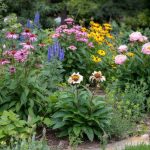
Ferns rarely look their best in isolation. Pairing them with broad-leaved companions creates contrast that makes both plants stand out more.
Hosta cultivars with large, corrugated leaves work particularly well next to fine-textured ferns like lady fern or Japanese painted fern.
In zones where cold-hardy palm varieties are grown, leatherleaf fern fills the understory gap beneath the palm canopy without competing for moisture. The combination gives a lush, layered look without irrigation complexity.
- Fern + hosta: Classic pairing - bold hosta leaves contrast fern texture; both share moist, acidic soil needs.
- Fern + astilbe: Astilbe adds vertical color from June to August; ferns provide background texture before and after bloom.
- Fern + bleeding heart (Lamprocapnos spectabilis): Bleeding heart goes dormant by midsummer - ferns fill the resulting gap naturally as they reach full size.
- Fern + hellebore: Both evergreen in mild climates and both shade-tolerant; hellebore blooms Feb-April when ferns are still unfurling, creating seamless seasonal coverage.
For gardeners who also grow sun-loving plants nearby, the transition zone between sun and shade beds benefits from shade-tolerant rose varieties that bridge the two environments.
Frequently Asked Questions
Bird's nest fern (Asplenium nidus) and rabbit's foot fern (Davallia fejeensis) are the most forgiving indoors, tolerating lower humidity and occasional dry spells that would kill a maidenhair fern within days.
Holly fern (Cyrtomium falcatum, zones 6-9) and Christmas fern (Polystichum acrostichoides, zones 3-8) are the most reliably deer-resistant options, both with tough leathery frond textures that deer consistently avoid.
Water Boston ferns every 2-3 days in summer and once a week in winter, ensuring the root ball never dries out completely — dry soil causes mass frond yellowing that takes 3-4 weeks to reverse.
Almost none of the 12 varieties in this guide tolerate full sun — ostrich fern and sensitive fern handle the most light, doing fine in morning sun with afternoon shade in zones 3-7.
Ostrich fern and sensitive fern spread aggressively by creeping rhizomes and can overtake a bed within 4-5 years; Christmas fern and Japanese painted fern stay in tight, manageable clumps that rarely need intervention.
Pin it for your next types of ferns: best varieties and growing tips project.