Bare soil loses moisture fast, invites weeds, and swings between temperature extremes that stress roots.
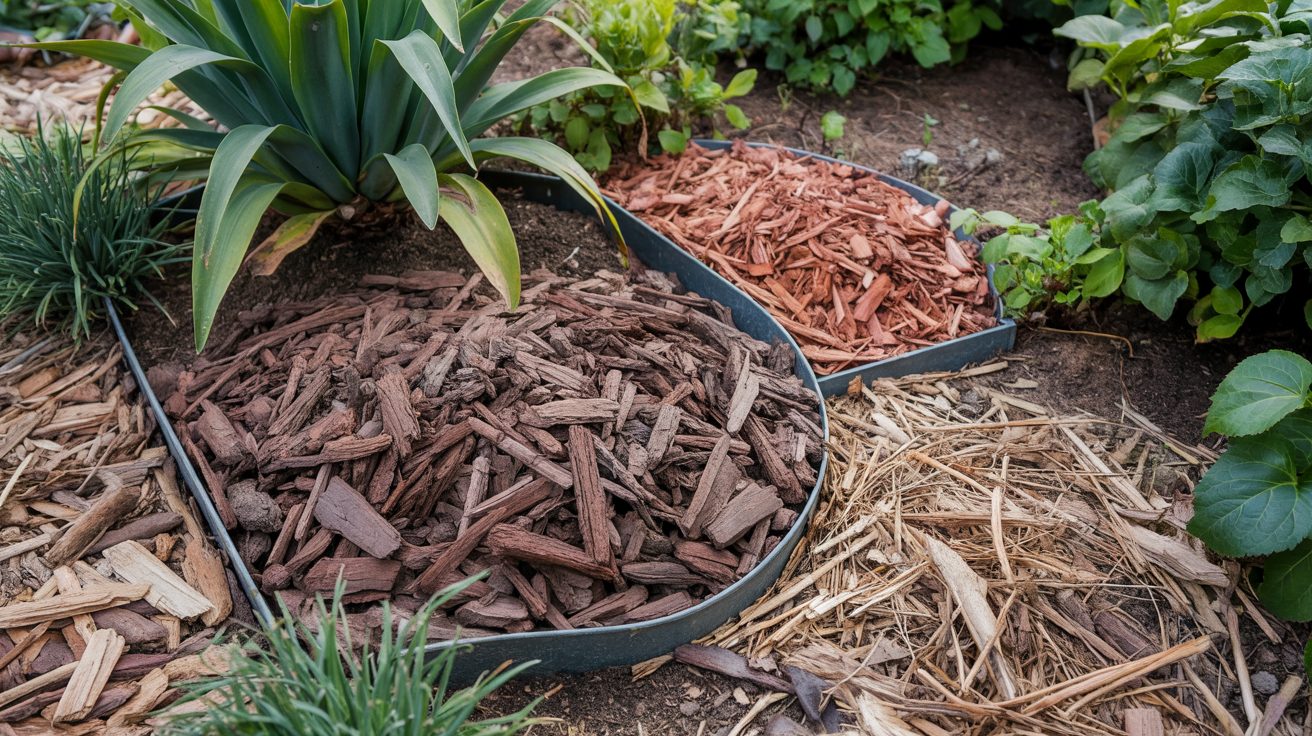
Mulch solves all three problems at once, but the wrong material in the wrong spot can create new headaches - from pH crashes to pest harborage to matted layers that block rain entirely.
There are two camps: organic mulches that decompose and feed soil, and inorganic mulches that persist indefinitely without adding nutrients.
The best choice depends on your goal — moisture retention, weed suppression, pH management, or decorative coverage — and how much maintenance you want each season.
How Mulch Actually Works?
Every mulch - whether cedar chips or crushed gravel - works by creating a physical barrier between the soil surface and the atmosphere. That barrier cuts evaporation, moderates soil temperature, and physically blocks weed seeds from reaching light.
Remember it later
Planning to try this recipe soon? Save it for a quick find later!
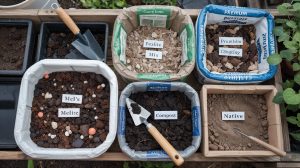
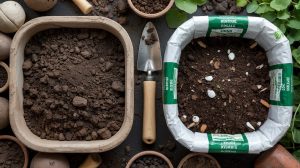
Understanding what soil type you have matters here, because sandy soils need moisture-retaining organic mulches while clay soils benefit from materials that improve surface drainage.
Organic mulches do a second job as they break down: they feed soil microbes and slowly add organic matter to the top few inches of your bed. Inorganic mulches skip that process entirely but never need replacing.
- Weed suppression: A 2-3 inch layer blocks about 80-90% of annual weeds. Thinner layers let light-seeded weeds through; thicker than 4 inches can suffocate shallow roots.
- Moisture retention: Mulched beds can reduce watering frequency by 30-50% in summer, depending on material density and climate.
- Temperature buffering: Mulch keeps soil cooler in summer heat and slows freezing in fall, extending the active root season.
- Decomposition benefit: Organic mulches add 1-2% organic matter per year to the top layer, improving structure over multiple seasons.
Volcano mulching — piling material directly against a tree trunk — traps moisture against the bark and invites rot and fungal disease. Keep all mulch at least 2–3 inches away from any trunk or woody stem.
Organic Mulches
Organic options are the workhorses of most home gardens.
They break down at different speeds - from 2-6 weeks for grass clippings to 2-4 years for large pine bark nuggets - so matching the decomposition rate to how often you want to top-dress is half the decision.
Shredded Hardwood Bark
Zone 3–9 Easy
The most widely available bag mulch at hardware stores, shredded hardwood bark comes from mixed species in 2-4 inch shredded pieces. It knits together as it settles, which makes it better at resisting washout than loose chips.
It breaks down over 12-24 months and choosing between hardwood and softwood matters most if you're mulching acid-sensitive plants like boxwood.
- Decomposition: 12-24 months; slight pH drop as it breaks down, so monitor beds with pH-sensitive shrubs.
- Depth: 2-3 inches around perennials; 3-4 inches in shrub beds.
- Best use: General-purpose landscape beds, pathways, and tree rings.
Cedar Wood Chips
Zone 4–9 Easy
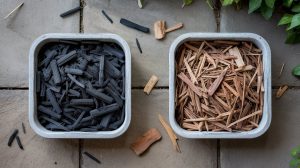
Cedar's natural oils give it a longer lifespan than most wood mulches - 18 to 36 months - and those same volatile compounds can mildly deter some wood-boring insects. The coarse 1-3 inch chips stay loose, which improves air circulation around stems.
Cedar won't eliminate pest problems on its own, but it's a sensible background choice in areas where you'd otherwise use weed barrier fabric under a standard chip layer.
- Longevity: 18-36 months before needing significant topping.
- Pest deterrence: Mild repellent effect on some insects; not a substitute for pest management.
- Best use: Foundation plantings, mixed shrub borders, anywhere aesthetics and durability both matter.
Pine Needles (Pine Straw)
Zone 5–9 Easy
Apply at just 1.5-2.5 inches deep and pine straw still outperforms many thicker mulches at erosion control because the interlocking needles resist water displacement on slopes.
It's the preferred mulch for acid-loving plants like blueberries and azaleas, gradually lowering soil pH toward 5.5-6.0 over several seasons.
- Water infiltration: The loose, airy layer lets rainfall pass through faster than dense wood mulches.
- pH effect: Slight acidification over time; useful for rhododendrons, camellias, and hollies.
- Best use: Slopes, acid-garden beds, woodland gardens in zones 5-9.
On slopes steeper than 15 degrees, pine needles outperform shredded bark for erosion control because their needle structure locks together rather than washing downhill in heavy rain.
Composted Leaf Mulch
Zone 3–9 Easy
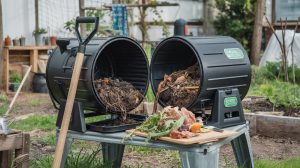
Leaves composted down to a crumbly, humus-rich material are essentially free if you make them yourself and among the most soil-beneficial mulches available. A 1-2 inch layer breaks down in 6-12 months and adds measurable organic matter each season.
For guidance on making and using your own, the soil and composting resource hub covers the full composting process step by step.
- Decomposition: 6-12 months; feeds soil microbes far more than wood-based mulches.
- Depth: Keep to 1-2 inches; deeper layers mat and repel water.
- Best use: Vegetable beds, perennial borders, any bed where annual soil improvement is the goal.
Native Hardwood Mulch (Kiln-Dried)
Zone 3–9 Medium
The kiln-drying process kills weed seeds and any pathogens present in the raw wood - a meaningful advantage over bulk municipal mulch, which sometimes harbors viable weed seeds. The uniform dark color fades to grey within a season but looks sharp at installation.
Apply at a 2-3 inch depth and expect to top-dress annually.
- Weed seed risk: Negligible compared to non-kiln-dried bulk mulch.
- Color retention: Dark on install, fades grey in 6-9 months; dye-enhanced versions hold color longer.
- Best use: Front-yard beds, entrance plantings, anywhere clean appearance on install matters.
Cocoa Hull Mulch
Zone 4–9 Medium
Ground cocoa bean shells have a genuine chocolate smell when fresh and a rich brown color that photographs well. They decompose in 6-12 months, making them one of the faster-cycling wood alternatives.
The serious caveat: theobromine in the hulls is toxic to dogs, and even small amounts can cause vomiting, tremors, or worse.
- Aesthetics: Deep brown color with a naturally fine texture that suits formal beds.
- Toxicity risk: Do NOT use in any yard where dogs have access - the risk is real, not theoretical.
- Best use: Dog-free decorative beds and container surrounds in zones 4-9.
Straw (Wheat or Oat)
Zone 3–9 Easy
Straw is the standard mulch for vegetable gardens and new seedings because it's cheap, light to handle, and decomposes within 3-6 months - fast enough to till in at season's end without residue problems. The hollow stems insulate soil and reduce erosion effectively at a 2-4 inch layer.
Always source certified straw, not hay; hay contains grass species seeds that will sprout in your beds.
- Decomposition: 3-6 months; ideal for annual vegetable beds.
- Seed contamination: Certified straw is weed-seed-free; hay is not - never substitute one for the other.
- Best use: Vegetable gardens, strawberry beds, erosion control on newly seeded slopes.
Grass Clippings (Well-Dried)
Zone 3–10 Medium
Free and high in nitrogen, dried grass clippings are an underused vegetable garden mulch. The catch is the word "dried" - fresh wet clippings mat into an anaerobic layer within days, creating a barrier that repels rain and smells bad.
Spread them thin, no more than 1-1.5 inches, and let them dry first.
- Nutrient content: High nitrogen breaks down in 2-6 weeks, releasing nutrients directly into the top soil layer.
- Application rule: Never apply fresh, never deeper than 1.5 inches, and avoid clippings from lawns treated with herbicide within 3 applications.
- Best use: Vegetable garden paths, around tomatoes and squash as a nutrient booster mid-season.
Compost (Coarse)
Zone 3–9 Easy
Screened, stable compost works better as a top-dressing than a weed-suppressing mulch because a thin 0.5-1 inch layer doesn't block light well enough to stop weeds on its own. Its real strength is soil improvement - it feeds the microbial community, improves water-holding capacity in sandy soils, and loosens clay.
Use it under a second mulch layer for maximum effect, which the mulching how-to guide covers in detail.
- Depth: 0.5-1 inch as a top-dressing; not effective as a standalone weed barrier.
- Best pairing: Apply compost first, then cover with 2-3 inches of shredded bark or wood chips.
- Best use: Established perennial beds, vegetable gardens, any bed needing annual organic matter input.
Inorganic Mulches
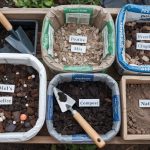
Inorganic mulches don't feed your soil, but they last indefinitely and suit specific settings - high-drainage areas, playgrounds, xeriscapes, and formal landscapes where a consistent look matters year after year.
The tradeoffs involve heat retention, cost, and difficulty of removal if you ever change your mind.
Pine Bark Nuggets (Large)
Zone 4–9 Easy
Technically organic but long-lasting enough to compare with inorganic options, large ¾-2 inch pine bark nuggets last 2-4 years without significant breakdown. The chunky texture maintains air pockets around roots and resists compaction.
They're too coarse for fine-seeded beds - seeds fall into gaps and germinate unevenly - but excellent around established shrubs and trees.
- Longevity: 2-4 years; significantly longer than shredded bark.
- Air circulation: Loose structure keeps soil surface aerated; good for trees with surface roots.
- Best use: Tree rings, large shrub borders, foundation plantings where you want minimal annual maintenance.
Rubber Mulch (Recycled Tires)
All zones Medium
Rubber mulch runs $3-$6 per square foot installed, making it the most expensive option here, but it never decomposes and provides shock absorption that no organic mulch can match. Those qualities make it the standard for playground surfaces.
For ornamental beds, weigh whether to use rubber versus wood chips carefully - rubber retains more heat in summer and may leach trace compounds over decades in some climates.
- Longevity: Indefinite - this material will outlast your garden layout.
- Heat retention: Surface temperatures under rubber mulch can run 10-20°F higher than wood mulch on hot days.
- Best use: Playgrounds, dog runs, high-traffic paths - not recommended for ornamental plant beds.
Gravel / Decorative Rock
All zones Medium
Quarter-inch to ¾-inch gravel reflects heat rather than absorbing it, which suits Mediterranean herbs and xeriscape plants that prefer dry, warm root zones. It never decomposes and improves drainage around succulents and alpine plants.
The comparison between mulch and rock landscaping comes down to this: rock suits permanent plantings with low water needs; organic mulch suits beds you'll change seasonally.
- Drainage: Excellent - no matting, no moisture retention, no fungal growth in the mulch layer itself.
- Migration: Requires solid edging or borders to prevent gravel from spreading into lawn areas.
- Best use: Xeriscape beds, succulent gardens, driveways, and full-sun foundation strips where you want zero maintenance.
Gravel and decorative rock can slowly compact the soil beneath them over years by shedding all water to edges rather than infiltrating. Place a permeable landscape fabric layer underneath to slow this compaction in established beds.
Comparing the Top Mulches Side by Side
Narrowing down from twelve options is easier with direct side-by-side comparisons on the attributes that matter most - lifespan, depth requirement, and whether the material actively feeds your soil. The five most commonly compared materials are below.
| Mulch | Lifespan | Depth | Feeds Soil? | Best Use |
|---|---|---|---|---|
| Shredded Hardwood Bark | 12–24 months | 2–3 in | Yes | General beds |
| Cedar Wood Chips | 18–36 months | 2–4 in | Slowly | Shrub borders |
| Pine Needles | 12–18 months | 1.5–2.5 in | Yes (acid) | Slopes, acid beds |
| Rubber Mulch | Indefinite | 2–4 in | No | Playgrounds |
| Gravel / Rock | Indefinite | 1–2 in | No | Xeriscape |
Notice the tradeoff: the two longest-lasting options add nothing to soil biology, while the materials that actively improve your ground need replacing every 1-3 seasons.
For beds where improving soil structure over time is a priority, organic mulches are the clear choice even with the maintenance commitment.
Mulch Depth and Application Rules
Depth is where most mulching mistakes happen. Too thin and you get weed breakthrough; too thick and you create anaerobic conditions, moisture barriers, and root problems.
These guidelines apply across all organic mulches.
In zones 3–5, apply mulch after the ground has frozen in fall — not before. Pre-freeze mulching can keep soil warm enough to delay dormancy or encourage voles and mice to overwinter in the layer near your plant crowns.
Mulch Costs: What to Budget
Material prices vary widely depending on whether you buy bags, bulk by the cubic yard, or sourced locally. Estimating your mulch budget before ordering bulk material prevents both shortfalls and expensive overages.
As a general rule, one cubic yard covers about 100 square feet at a 3-inch depth.

Which Mulch to Choose: Scenarios?
The right material depends almost entirely on what problem you're solving. Here's a fast decision guide organized by common landscaping situations.
- Vegetable garden beds: Straw or dried grass clippings are the practical choice - cheap, fast to decompose, and easy to turn in at season's end without leaving woody residue.
- Acid-loving shrubs (rhododendrons, azaleas, blueberries): Pine needles or composted leaf mulch; both acidify slightly and keep moisture levels stable without raising pH.
- Tree rings in a formal yard: Kiln-dried native hardwood mulch or large pine bark nuggets give a clean look, last 1-3 years, and resist displacement around high-traffic areas.
- Slopes and erosion-prone banks: Pine straw's interlocking needle structure holds better on grades above 10 degrees than any shredded bark product.
- Xeriscape and drought-adapted plantings: Gravel or decorative rock suits Mediterranean herbs and succulents that prefer drier, warmer root zones year-round.
- Dog-friendly yards: Avoid cocoa hull mulch entirely; cedar chips or shredded hardwood are the safest organic alternatives around pets.
- Playgrounds or play areas: Rubber mulch is the safety standard for shock absorption, though it requires edging to prevent migration and should not contact plant roots.
Frequently Asked Questions
Wood mulch feeds soil as it decomposes and costs $25–$80 per cubic yard, but needs replacing every 1–3 years. Rubber mulch lasts indefinitely and absorbs impact better, but runs $3–$6 per square foot installed, retains more surface heat, and adds zero organic matter to soil.
Apply 2–4 inches of organic mulch across the root zone, keeping a 2–3 inch gap around the trunk itself. Deeper than 4 inches restricts oxygen exchange and can cause crown rot, especially in heavy clay soils.
Wood mulch can harbor termites if piled against a foundation or wooden structure, but keeping mulch 6 inches away from siding eliminates most of that risk. Cedar and cypress chips are slightly less attractive to termites than pine or hardwood mulches due to their natural oils.
Mulching over annual weeds at 3–4 inches can smother them, but perennial weeds with established root systems will push through almost any mulch depth. Remove perennial weeds entirely before applying any material.
Certified wheat or oat straw is the most practical choice for vegetable gardens — it decomposes within 3–6 months, insulates soil, and can be tilled in at season's end without leaving woody debris behind.
Pin it for your next types of mulch: best varieties and growing tips project.