Most gardening problems trace back to the dirt beneath the plant, not the plant itself. Soil texture and drainage determine whether roots suffocate, dry out, or anchor firmly - and knowing which type you're working with is the fastest way to fix persistent failures.
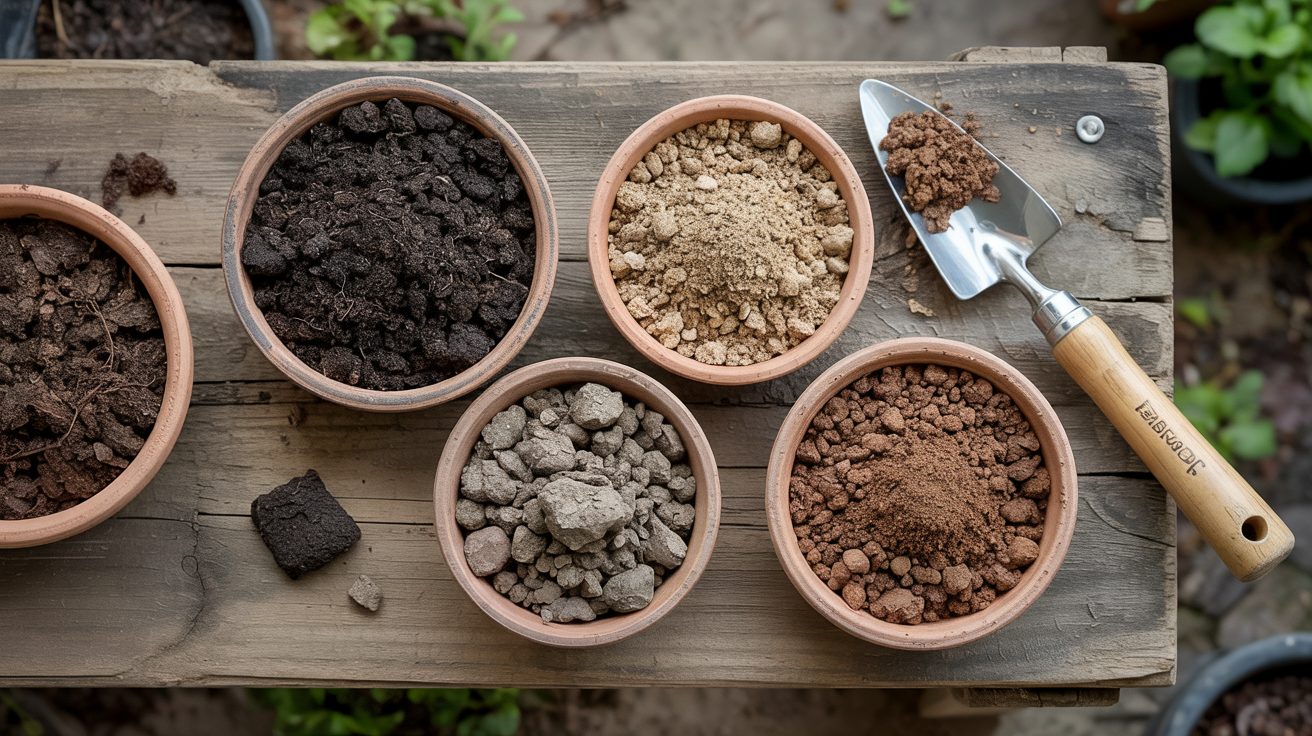
This guide covers 12 soil types home gardeners encounter, from pure beach sand to heavy clay and commercial potting mixes. We look at drainage, pH, organic matter, and the best amendments or plants for each.
Understanding your soil's texture class is the first step to fixing nutrient loss, compaction, or waterlogging.
Sandy Soil Types
Sandy soils drain fast - sometimes too fast. Water and dissolved nutrients move through the root zone before plants can absorb them, which means frequent, light watering beats deep, infrequent soaks here.
Remember it later
Planning to try this recipe soon? Save it for a quick find later!
The upside is workability: sandy ground warms early in spring and rarely compacts under foot traffic.
Adding compost to improve sandy beds raises water retention without sacrificing the drainage that makes these soils easy to dig.
Beach/Coarse Sandy Soil Zone 3-10 Hard to Work
Pure coarse sand drains an inch of water in under ten minutes. That speed is brutal for vegetable crops but perfect for drought-tolerant natives and Mediterranean herbs like rosemary and lavender.
- Drainage: Extremely fast - standing water almost never occurs, but drought stress appears within 2 days without irrigation.
- pH: Near-neutral to slightly alkaline (6.8-7.5); rarely needs acidifying.
- Fix: Work in 3-4 inches of compost each season; consider drip irrigation to offset rapid moisture loss.
Loamy Sand Zone 4-9 Medium
With 10-20% silt and clay plus up to 6% organic matter, loamy sand holds noticeably more water than pure beach sand. It's a realistic starting point for building a productive garden bed with moderate amendments.
- Water retention: Holds moisture for 3-4 days in mild weather - still needs consistent irrigation in summer heat.
- Best for: Root vegetables (carrots, parsnips) that crack in heavier soils but need more body than pure sand provides.
- Amendment target: Raise organic matter above 8% to approach sandy loam performance.
Test your sandy soil's organic matter content before amending. A simple jar test (shake soil in water and let it settle) shows your sand/silt/clay ratio in about an hour — free, and surprisingly accurate for planning amendment rates.
Sandy Loam (Garden Bed Mix) Zone 3-10 Easy
At roughly 60% sand, 30% silt, and 10% clay, sandy loam is the most forgiving soil to grow vegetables in. It warms quickly, cultivates without clumping, and drains well enough to prevent root rot in most conditions.
- Tilth: Loose and crumbly even after rain - easy to direct-seed without soil crusting over germinating seedlings.
- Organic matter: 5-8% is typical; maintain it with an annual compost top-dress of 1-2 inches.
- Versatility: Suits most annual vegetables, cut flowers, and shrubs including hybrid roses that need drainage with adequate fertility.
Loam and Silt Soil Types
Classic loam and silt soils sit in the middle of the texture triangle - not as extreme as sand or clay, but each with a distinct behavior under wet and dry conditions. Most gardeners consider this range the productive sweet spot.
Classic Loam (True Loam) Zone 3-9 Easy
True loam runs approximately 40% sand, 40% silt, and 20% clay. It's the benchmark soil type that composting guides and seed packets are written around - balanced drainage, good nutrient retention, and workable in spring without waiting weeks to dry out.
- Cation exchange capacity (CEC): High enough to hold calcium, potassium, and magnesium between waterings - reducing fertilizer frequency.
- pH: Typically 6.0-7.0, ideal for most edibles and ornamentals without amendment.
- Maintenance: Annual compost addition keeps organic matter at 5-10%; avoid heavy foot traffic which can compact the silt fraction.
Silt Soil (River Silt) Zone 4-10 Medium
Silt particles are the finest you can feel - flour-like between your fingers. Riverside and floodplain gardens often contain high-silt profiles that are extremely fertile but compact into a crust after rain dries.
- Fertility: Naturally high mineral content from river deposits; often requires no added fertilizer in the first few years.
- Compaction risk: Avoid working silt when wet; a surface crust blocks seedling emergence within 48 hours of drying.
- Best fix: Mulching with organic material prevents surface sealing and keeps silt workable through dry spells.
River silt can contain weed seeds and occasional contaminants from upstream runoff. If your plot is in a known floodplain, test for heavy metals before growing edible crops directly in unammended silt.
Clay and Clay-Heavy Soil Types
Clay soils hold nutrients exceptionally well - cation exchange capacity in heavy clay can be four to five times higher than in coarse sand. The trade-off is drainage, compaction, and slow spring warming.
The goal with clay is never elimination; it's management.
Heavy Clay Zone 3-9 Hard to Work
More than 40% clay content turns soil into a sticky mass when wet and a cracked slab when dry. Heavy clay is the most common reason vegetables fail in established garden beds - not fertility, but oxygen starvation at the root zone.
- Drainage fix: Raised beds filled with quality raised bed mix bypass clay entirely and are the fastest solution for vegetables.
- In-ground fix: Add 3-4 inches of compost and grit per year for at least 3 years; do not add pure sand (it creates a concrete-like mix at wrong ratios).
- Best plants for untreated clay: Asters, daylilies, hostas, and shrub roses tolerate compaction better than most.
Silty Clay Loam Zone 4-9 Medium
This type is clay-dominant but the silt fraction improves its workability and fertility compared to pure clay. A ribbon of moist silty clay loam held between thumb and forefinger will extend 3-5 cm before breaking - the classic field test for this class.
- Drainage: Standing water after heavy rain is common; consider a French drain or raised planting mounds for sensitive crops.
- Fertility: High naturally - phosphorus and potassium often need no supplement in year one.
- Amendment: Annual cover crops worked in as green manure improve structure faster than compost top-dress alone.
Sandy Clay Loam Zone 4-9 Easy
With 20-30% clay in a sand matrix, sandy clay loam balances drainage and nutrient retention without the extremes of either parent texture. It's less prone to cracking in summer than pure clay and holds fertility better than loamy sand.
- Best use: Fruit trees and cane berries that need consistent moisture but suffer in waterlogged ground.
- Workability: Can be tilled when slightly moist without smearing - a significant advantage over heavier clay types.
- Organic matter: Maintain above 4% to prevent the sand fraction from dominating drainage in drought years.
Never rototill clay or clay-loam soils when they're wet. Tillage on wet clay destroys soil structure and creates compaction layers (plow pans) 6–8 inches down that block root penetration for years.
Specialty and Organic Soil Types
Some soils form from unusual parent materials - peat bogs, chalk deposits, riverine sediment - and behave nothing like standard mineral soils. Each has a narrow set of ideal conditions and plants that benefit from them.
Peaty Soil (Peat Bog Type) Zone 5-9 Medium
Peat forms from partially decomposed sphagnum moss over thousands of years. Natural peaty soil has a pH as low as 3.5 and holds water like a sponge - but it's low in mineral nitrogen and needs supplementing before growing most food crops.
- Best plants: Blueberries, cranberries, heathers, and acid-loving drought-adapted succulents that prefer pH under 5.5.
- pH fix: Raising pH above 6.0 requires ground limestone applied at 5-10 lbs per 100 sq ft, retested annually.
- Water risk: In heavy rain, peat soils can become waterlogged and anaerobic - bog drainage channels may be necessary.
Chalky/Calcareous Soil Zone 4-8 Hard to Work
High lime content pushes pH to 7.5-8.5, locking up iron and manganese. Plants like blueberries, rhododendrons, and hydrangeas show iron chlorosis (yellowing between leaf veins) within one growing season on chalk.
- Common regions: Glacial till zones and areas with marine limestone bedrock across USDA zones 4-8.
- pH fix: Sulfur applications at 1-2 lbs per 100 sq ft lower pH, but results take 3-6 months; raised beds are more reliable.
- Tolerant plants: Lavender, clematis, scabious, and many ornamental grasses accept alkaline conditions without amendments.
Alluvial Soil (Floodplain Alluvium) Zone 3-10 Easy
River deposits layer sand, silt, clay, and organic pockets in unpredictable combinations. Alluvial soils can be extraordinarily fertile - many of the world's most productive agricultural regions sit on ancient floodplains - but behavior varies by the meter in a single garden.
- Variability: One bed may drain in hours; an adjacent bed may hold water for days - probe before planting.
- Fertility: Often high in calcium, potassium, and trace minerals deposited from upstream geological sources.
- Fix for compacted patches: Sub-surface aeration (broadfork at 12-inch depth) breaks layered compaction without disrupting topsoil profile.
Commercial Potting Mix (Peat-based Mix) All Zones Easy
Bagged potting mix isn't a natural soil type at all - it's an engineered blend of peat moss, perlite or vermiculite, and a starter fertilizer charge. Low bulk density means containers are lighter and roots encounter almost no compaction resistance.
- pH: Most peat-based mixes run 5.5-6.5 - ideal for tomatoes, herbs, and most annuals; check the bag before buying for acid-loving or alkaline-preferring plants.
- Weed seeds: Sterile production means near-zero weed pressure - a major advantage over garden soil in containers.
- Replacement: Refresh container mix every 1-2 years; old peat compresses and loses drainage; review peat-free potting alternatives if sustainability matters to you.
How the 12 Types Compare at a Glance?
When choosing between soil types or buying soil to fill raised beds, drainage speed and pH are the two numbers that matter first. This table summarizes where each type falls on both scales.
| Soil Type | Drainage | pH Range | Best Use |
|---|---|---|---|
| Beach/Coarse Sandy | Very fast (<10 min/in) | 6.8–7.5 | Drought-tolerant natives |
| Loamy Sand | Fast | 6.5–7.0 | Root vegetables |
| Sandy Loam | Fast-moderate | 6.0–7.0 | Vegetables, annuals |
| Classic Loam | Moderate | 6.0–7.0 | All-purpose growing |
| Silt Soil | Moderate-slow | 6.5–7.5 | Perennials, grains |
| Heavy Clay | Very slow | 5.5–7.0 | Shrubs, raised beds over top |
| Silty Clay Loam | Slow | 6.0–7.5 | Perennials, cover crops |
| Sandy Clay Loam | Moderate | 6.0–7.0 | Fruit trees, berries |
| Peaty Soil | Variable (spongy) | 3.5–5.5 | Blueberries, heathers |
| Chalky/Calcareous | Fast (stony) | 7.5–8.5 | Lavender, clematis |
| Alluvial | Variable | 6.0–7.5 | High-fertility vegetables |
| Potting Mix | Fast | 5.5–6.5 | Containers, seed starting |
How to Read Your Soil Before You Spend Money on Amendments?
Buying bags of amendment without testing first is how gardeners waste hundreds of dollars improving soil that doesn't need it. Two hands-on tests tell you most of what you need to know before you spend anything.
In zones 3–5, clay soils stay frozen longer in spring, pushing planting dates back 2–3 weeks compared to sandy plots in the same zone. If your clay beds consistently warm late, a 2-inch black plastic mulch laid in April raises soil temperature by 8–10°F within a week.
Which Soil Type Fits Your Situation?
Not every gardener can change their native soil - but knowing what you have points directly to the right plant selection or amendment strategy. The choice between building up versus working with what's there depends on budget, time, and what you're growing.
- You want vegetables with minimal amendment: Sandy loam or classic loam is your target texture. If you have neither, a raised bed filled with a custom mix gets you there in one season.
- You have heavy clay and want vegetables now: Build 10-12 inch raised beds over the clay surface. Using wood chip mulch paths between beds prevents clay compaction from foot traffic below.
- You want acid-loving fruit (blueberries, cranberries): Peaty or alluvial soil with pH below 5.5 is your natural advantage - work with it rather than correcting it.
- You have chalky, alkaline soil: Focus on lavender, ornamental grasses, and drought-tolerant perennials rather than fighting pH long-term.
- You're container gardening in any zone: Commercial peat-based or peat-free potting mix outperforms garden soil in pots - never fill containers with garden soil regardless of how good it looks.
- You have alluvial or silty floodplain soil: Probe for variable drainage pockets before laying out beds. Fertile areas can grow heavy crops like squash and sweet corn with zero fertilizer input in year one.
The One Thing Every Soil Type Shares
Organic matter is the universal improver. Sandy soil gains water retention from it.
Clay soil gains drainage and aeration. Silt gains structural stability.
Adding 2-3 inches of compost annually moves almost any soil type closer to the loam benchmark over three to five years.
The right mulch choice on top of beds slows moisture loss, feeds soil biology, and reduces the frequency of compost additions needed at the surface. Soil health compounds - small annual inputs add up faster than most gardeners expect.

Frequently Asked Questions
The six classic soil texture classes are sandy, loamy sand, sandy loam, loam, silt, and clay — defined by the USDA texture triangle based on relative proportions of sand (2–0.05 mm), silt (0.05–0.002 mm), and clay (under 0.002 mm) particles.
Work in 3–4 inches of compost each autumn for at least three consecutive years; avoid adding pure sand, which creates a concrete-like mix at ratios below 50%. For immediate results, raise beds 10–12 inches above the clay surface and fill with sandy loam or quality raised bed mix.
Sandy loam (roughly 60% sand, 30% silt, 10% clay) produces the most durable lawn — it withstands foot traffic, drains after rain within 2 hours, and allows deep rooting. Pure sand needs irrigation every 2–3 days in summer; heavy clay stays waterlogged and compacts under mowing.
Garden soil — even quality loam — compacts in pots within one watering cycle, blocking drainage holes and suffocating roots. Use a perlite-amended potting mix with pH 5.5–6.5 for containers; garden soil is only appropriate in ground beds.
Most vegetables grow best between pH 6.0 and 7.0, where phosphorus, calcium, and trace minerals are most available to roots. Exceptions include potatoes (pH 5.0–6.0) and asparagus (pH 7.0–7.5), which tolerate a wider alkaline range than most crops.
Pin it for your next types of soil: best varieties and growing tips project.