
Strawberries reward patient gardeners with fruit that tastes nothing like the supermarket version. Homegrown berries ripen fully on the plant, developing sugars that picked-early commercial fruit never reaches.
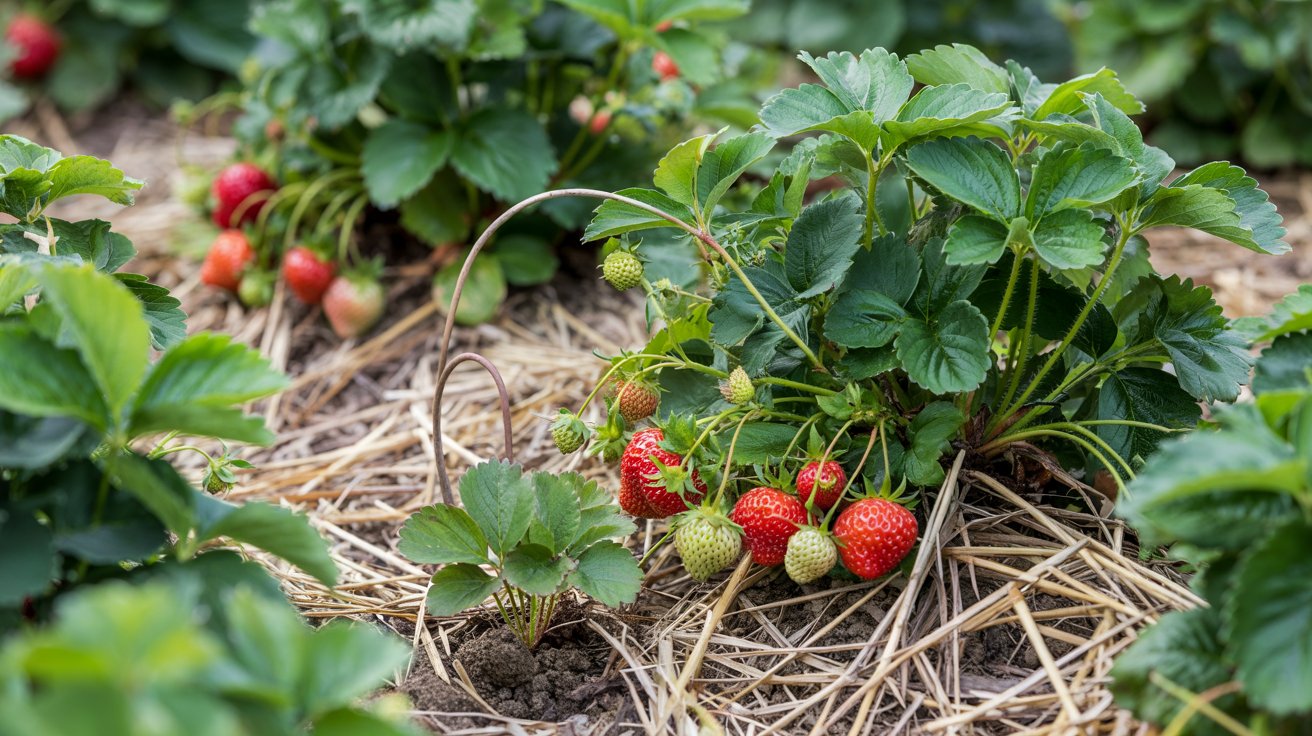
The process isn't complicated, but a few decisions made before you plant - type, site, soil - determine whether you harvest quarts or a handful.
Growing strawberries means choosing the right planting type, preparing well-drained soil at pH 5.5–6.5, and managing runners and mulch each season. June-bearing varieties produce one big flush; day-neutral types fruit continuously from summer into fall.
June-Bearing vs. Day-Neutral: Pick Your Type First
The single most useful decision you'll make is choosing between June-bearing and day-neutral strawberries. They behave so differently that the rest of your management plan depends on which one you grow.
Remember it later
Planning to try this recipe soon? Save it for a quick find later!
- June-bearing (Fragaria × ananassa, short-day types): Produces one concentrated crop over 2-3 weeks in early summer. Best for jam-making or freezing in bulk. Varieties like 'Earliglow' and 'Honeoye' are widely adapted across zones 3-8.
- Day-neutral types: Fruit continuously from June through frost, regardless of day length. 'Albion' and 'Seascape' are reliable picks. Smaller individual harvests, but fresh berries for months.
- Everbearing (older category): Similar to day-neutral but produces two distinct flushes - spring and fall - with a summer gap. Less popular now that true day-neutral varieties are widely available.
If you're in zones 9-10, day-neutral varieties tolerate heat better and won't drop fruit set as temperatures climb. In zones 3-5, June-bearing cultivars bred for cold hardiness like 'Cavendish' or 'Sparkle' handle late frosts more reliably.
In zones 3–4, plant in early spring as soon as soil is workable. In zones 8–10, fall planting works better — it lets crowns establish before summer heat arrives.
Soil Prep: What Strawberries Actually Need
Strawberries fail more often from poor drainage and wrong pH than from any other cause. Get these two right before you buy a single plant.
Aim for a soil pH between 5.5 and 6.5. Outside that range, plants absorb nutrients poorly even in fertilized beds.
A $15 soil test from your local extension office gives you exact numbers. If pH runs high, work granular sulfur in 2-3 months before planting.
- Drainage: Strawberries rot in waterlogged soil. Raise beds 6-8 inches above grade if your native soil stays wet after rain.
- Organic matter: Work 2-3 inches of compost into the top 10 inches. This improves both drainage in clay and water retention in sand.
- Avoid old tomato beds: Verticillium wilt persists in soil for years. Don't plant where tomatoes, potatoes, or eggplant grew recently.
- Sun requirement: Choose a spot with 8+ hours of direct sun daily. Six hours produces weak plants and small fruit. Unlike shade-tolerant perennials, strawberries need full exposure to develop sugars.
Never plant strawberries where the soil stays compacted or pools after heavy rain. Crown rot sets in fast in anaerobic conditions, and there's no recovering a planting once it's established in bad ground.
Planting Step by Step
Crown depth is the single most critical planting detail. Too deep buries the growing point; too shallow exposes roots to drying air.
Both kill plants within weeks.
Watering, Feeding, and Keeping Fruit Clean
Strawberries need consistent moisture during fruit development. Inconsistent watering causes misshapen fruit and cracking, especially in the 3-4 weeks before harvest.
Water deeply every 3 days in dry summer weather, targeting about 1 inch per week. Drip irrigation delivers water at the root zone without wetting foliage or fruit - this matters because wet leaves and berries dramatically increase Botrytis cinerea (gray mold) pressure.
Overhead watering works if you do it early morning so foliage dries by midday. Unlike plants that skip irrigation for weeks, strawberries can't tolerate extended dry spells during fruiting.
- Fertilizing in spring: Apply a balanced 10-10-10 fertilizer at 1 pound per 100 square feet just as new growth starts. Don't overfeed nitrogen - leafy growth at the expense of fruit is a common result.
- Post-harvest feeding: After June-bearing plants finish fruiting, apply a light dose of balanced fertilizer to fuel runner production and next year's crown development.
- Keeping fruit clean: Straw mulch under developing fruit prevents soil splash and rot. Tuck straw under fruit clusters as they form.
Gray mold (Botrytis) spreads fastest in humid, still air. Thin crowded plantings in early spring and avoid watering in the evening during flowering and fruiting. Pick ripe fruit promptly — overripe berries are the primary infection source.

Managing Runners and Renewing Your Bed
Strawberry plants spread aggressively via runners - long stems that root wherever they touch soil. Left unchecked, an overcrowded bed stops producing well within 2-3 years.
The approach you take depends on your planting system. This is a decision worth thinking through before year one, because managing self-spreading perennials differently from the start saves significant labor later.
- Matted-row system: Allow runners to root freely until the row fills to about 18 inches wide, then remove any additional runners. Best for June-bearing varieties. Beds need renovation every 3-4 years.
- Hill system: Remove all runners as they form, keeping plants as individual crowns. Produces larger fruit. Works well for day-neutral types and container growing.
- Renovation after harvest: For matted-row June-bearing beds, mow foliage to 1 inch immediately after fruiting ends, narrow rows back to 12 inches, thin plants to 6 per square foot, and fertilize. This resets the bed for next year.
Most strawberry beds produce best in years 2 and 3, then decline. Plan to replace or renovate plantings on a 3-year cycle rather than trying to nurse an aging bed back to productivity.
Where Strawberry Growers Go Wrong?
Most problems in a strawberry bed trace back to a small set of repeatable mistakes. Recognizing them early saves a full season of work.
- Burying the crown: Planting too deep is the fastest way to kill a strawberry plant. If the crown sits below soil level after watering in, lift and reposition before the plant roots in - it's a 2-minute fix that most people skip.
- Planting in a low-wet spot: Crown rot and root rot are near-impossible to reverse once established. Replanting in better-drained soil is the only real solution. Like peppers in cold, wet ground, strawberries in poor drainage simply won't perform.
- Skipping flower removal in year one: Letting June-bearing plants fruit in their first season feels rewarding but cuts second-year yields significantly. The roots need that first season to build reserves.
- Ignoring gray mold until visible: Botrytis spreads invisibly before fruit shows gray fuzz. By the time you see infection, surrounding fruit is already compromised. Preventive airflow management and prompt harvesting are the best defenses.
- Allowing runners to overtake the bed: An unmanaged planting produces dozens of small, weak daughter plants that compete for the same resources. More plants in a crowded bed doesn't mean more fruit - it means less.

Growing Strawberries in Containers and Raised Beds
Not every garden has a dedicated strawberry patch, and containers or raised beds work surprisingly well for this fruit. The rules shift slightly when plants aren't in the ground.
Choose containers at least 12 inches deep with drainage holes. Strawberry pots with side pockets look appealing but dry out fast - standard planters with consistent watering actually outproduce them.
Fill with a mix of potting soil and perlite (3:1 ratio) to ensure fast drainage. Container plants need water every 1-2 days in summer heat, since pots dry out faster than in-ground beds.
Day-neutral varieties suit containers best because they don't rely on a specific photoperiod and fruit throughout the season.
- Raised bed depth: Build beds at least 10-12 inches deep. Shallower beds restrict root development and dry out too quickly.
- Feeding containers: Nutrients leach with every watering. Apply a dilute balanced liquid fertilizer every 2 weeks during the growing season instead of a single granular application.
- Winter care in containers: Roots in pots are more exposed than in-ground roots. In zones 5 and colder, move containers into an unheated garage after the first hard frost, or insulate pots with burlap and straw. Plants in exposed garden sites also benefit from a light straw covering in zone 5 winters.
- Vertical towers: Fabric tower planters work for day-neutral varieties but need drip lines or very consistent hand-watering. The top pockets dry far faster than the bottom ones.
Container strawberries also sidestep soil-borne disease issues entirely - a real advantage if your garden ground has a history of Verticillium or other persistent pathogens. Pairing them near a sunny wall where heat radiates into the evening can extend your fruiting season by 2-3 weeks at both ends.
This same warm-microclimate logic helps when establishing Mediterranean herbs next to south-facing structures, so it's worth keeping in mind as you plan the wider garden layout. Similarly, choosing a site away from shallow-rooted competition matters - fast-establishing trees planted too close will eventually shade and out-compete a strawberry bed.
One more practical note: strawberries in containers attract slugs and earwigs less than ground-level beds, but birds find them just as easily. A simple net frame over the planter is worth building before fruit starts to color.
Waiting until you spot damage means losing the first ripe berries, which are always the most anticipated ones of the season. Hanging reflective tape nearby also deters birds with minimal effort and no barrier to pollinator access in the bed.
Frequently Asked Questions
In zones 3–6, plant bare-root strawberries in early spring as soon as soil reaches 40°F; in zones 7–10, fall planting between September and November allows crowns to establish before summer heat.
Water strawberries every 3 days during dry spells, delivering about 1 inch per week; container-grown plants may need daily watering in summer since pots lose moisture far faster than in-ground beds.
Strawberries need a minimum of 8 hours of direct sun daily; 6 hours produces small, poorly flavored fruit because the plant cannot synthesize enough sugar without full light exposure.
Most strawberry beds peak in years 2 and 3, then decline; plan to renovate June-bearing beds every 3–4 years by mowing, thinning, and fertilizing immediately after the harvest ends.
Gray mold is caused by Botrytis cinerea, a fungus that spreads fastest in humid, still air; it's best controlled through drip irrigation, good plant spacing, and harvesting ripe fruit within 24 hours of full color.
Pin it for your next how to grow strawberries in your garden project.