Peppers are one of those crops that reward patience more than effort. Whether you're after the sweet crunch of a bell pepper or the slow burn of a habanero, Capsicum annuum grows on the same basic principles - warm soil, full sun, and consistent water.
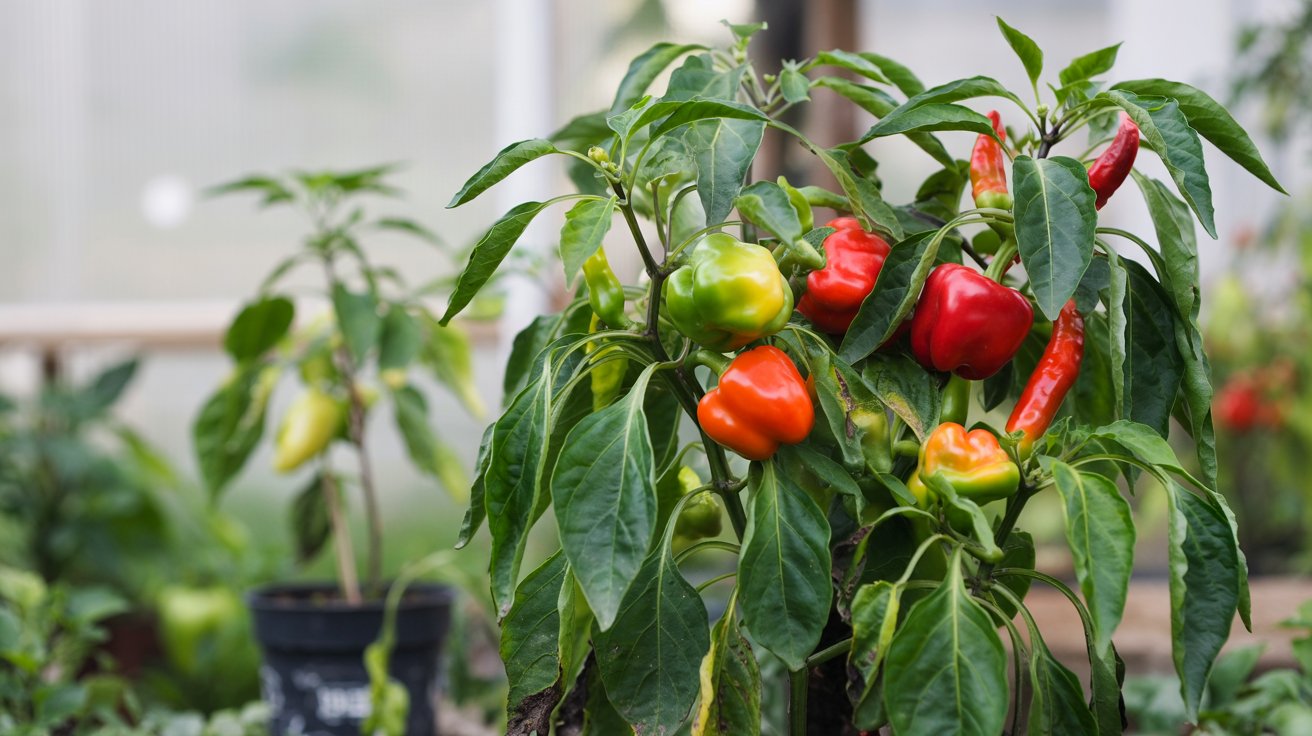
Get those three things right, and a single plant can produce dozens of fruits across a long season.
Sweet and hot peppers need full sun, well-drained soil with a pH of 6.0–6.8, and warm temperatures above 60°F at night. Start seeds indoors 8–10 weeks before your last frost, transplant after soil hits 65°F, and expect fruit in 60–90+ days depending on variety.
Starting Peppers the Right Way
Most pepper failures start before the plant ever hits the ground. Peppers need a long growing season - often 100+ days from seed to ripe fruit - so starting indoors is non-negotiable in most climates.
Remember it later
Planning to try this recipe soon? Save it for a quick find later!
Sow seeds 8-10 weeks before your average last frost date.
Germination stalls below 70°F. Use a heat mat to keep the seed-starting mix between 80-85°F, and expect sprouts in 10-14 days.
Once seedlings emerge, move them to bright light immediately - a south-facing window or grow lights kept 2-3 inches above the leaves.
- Seed depth: Plant seeds ¼ inch deep in moist, well-draining seed-starting mix - not garden soil.
- Light after germination: Peppers need 14-16 hours of light per day as seedlings to avoid leggy, weak stems.
- Pot up once: When seedlings reach 3 inches, move them to 3-4 inch pots before outdoor transplanting.
- Hardening off: Set plants outside in a sheltered spot for 7-10 days before transplanting, starting with 2 hours of shade and building up to full sun exposure.
Transplanting too early is the most common mistake. Even a brief cold snap below 50°F stunts pepper roots and delays fruiting by weeks. Wait until nighttime temperatures stay reliably above 60°F.
Planting Peppers in the Garden
Peppers want full sun - at least 6 hours per day, but 8 is better. A spot that gets afternoon sun is ideal, especially in cooler climates where heat accumulates in the soil.
Like growing tomatoes, peppers planted in the same family bed year after year invite disease, so rotate your crops on a 3-year cycle.
Soil prep matters more than fertilizer. Loosen the bed to 12 inches deep and work in 2-3 inches of compost before planting.
Target a soil pH between 6.0 and 6.8 - below that, calcium becomes less available and blossom end rot becomes a real risk.
- Spacing: Set plants 18-24 inches apart in rows 24-36 inches wide to allow air circulation and prevent fungal issues.
- Planting depth: Bury the stem up to the first set of true leaves to encourage a stronger root zone.
- Mulch: Apply 2-3 inches of straw or wood chip mulch around plants to hold moisture and keep soil temperatures stable above 65°F.
- Containers: Sweet bells need at least a 5-gallon pot; compact hot varieties like Thai peppers do well in 3-gallon containers with daily watering.
In USDA zones 9–11, peppers can be grown as short-lived perennials. Cut plants back hard in fall, mulch the base, and many will regrow the following spring with an even larger root system and earlier fruit set.
Watering, Feeding, and Sun Through the Season
Peppers need about 1-2 inches of water per week. Inconsistent watering - dry spells followed by heavy soaking - causes fruit to crack and can trigger blossom drop.
Water at the base, not overhead, to keep foliage dry.
How much sun do peppers need? The short answer: as much as possible.
At least 6 hours of direct sun produces acceptable yields, but 8 or more hours pushes fruiting into high gear. Shaded plants grow slowly, flower late, and produce fewer peppers overall.
- Early feeding: Apply a balanced 10-10-10 fertilizer at planting, then switch to a low-nitrogen formula once flowering begins - excess nitrogen produces leafy plants with little fruit.
- Midsummer boost: Side-dress with compost or a diluted liquid tomato fertilizer every 3-4 weeks through peak summer.
- Calcium matters: If your soil pH is off or watering is erratic, use a calcium spray on leaves to prevent blossom end rot on maturing fruits.
- Staking: Tall varieties like 'Carmen' sweet Italian or 'Poblano' can reach 3 feet and need a stake or cage once they're loaded with fruit.
Pinch off the first few flower buds on young transplants. It feels counterproductive, but redirecting energy to root and stem development in weeks 1–3 after transplanting results in significantly more fruit later in the season.
How to Grow Peppers Step by Step?
Once the groundwork is laid, pepper growing follows a predictable rhythm from seed to harvest. Here's the full process from indoor start to picking ripe fruit.
Sweet vs. Hot: What Changes in Your Approach
Sweet and hot peppers share the same growing requirements, but a few differences affect how you manage them.
Garden plants in the Capsicum family vary widely in days to maturity - bells typically take 70-85 days to full color, while some superhots like 'Carolina Reaper' need 100-120 days from transplant.
Hot peppers also tend to be more drought-tolerant once established and less prone to blossom drop in heat. Bell peppers, by contrast, drop flowers when temperatures exceed 90°F or drop below 60°F - a narrow window that makes timing critical in hot climates.
If you're growing hot peppers for maximum heat, stress matters. Slightly reducing water as fruits mature concentrates capsaicin - the compound that creates burn.
Don't let plants wilt completely, but backing off to every 4-5 days in late season intensifies flavor in varieties like cayenne or serrano.
Why Pepper Plants Stop Producing Fruit?
A pepper plant covered in flowers but producing no fruit is one of the most frustrating things in a summer garden. Temperature is usually the culprit - peppers drop blossoms when nights fall below 55°F or daytime highs exceed 95°F consistently.
This is especially common with bell peppers in humid southern summers.
Other causes are easier to fix. When you start fruiting crops in soil that's too nitrogen-heavy, they put energy into leaves instead of reproduction.
A quick fix: stop feeding nitrogen and let the plant redirect resources.
- Blossom drop from heat: Shade cloth (30%) over beds during extreme heat waves can reduce blossom drop by keeping canopy temperatures 5-10°F cooler.
- Poor pollination: In low-wind conditions or when bee activity is low, hand-pollinate by shaking plants gently midday or using a small brush inside open flowers.
- Blossom end rot: Dark, sunken spots on the bottom of fruit indicate calcium deficiency, almost always triggered by irregular watering rather than low soil calcium.
- Overcrowding: Plants too close together compete for light and air - cut back to proper spacing at planting rather than thinning later.
Three Mistakes That Stall Pepper Growth
Most pepper problems come down to timing and temperature. These are the three that show up most often, even in experienced gardens.
- Transplanting into cold soil: Soil below 60°F shocks pepper roots and causes permanent stunting. Use a soil thermometer - not the calendar - as your guide. In zones 5-6, this often means waiting until late May or early June even when air temps feel warm.
- Overwatering in spring: Pepper roots need oxygen. Soggy soil in cool spring weather invites Phytophthora root rot, which kills plants fast and leaves no recovery option. Water only when the top inch of soil feels dry after transplanting.
- Skipping mulch: Bare soil around peppers dries unevenly, spikes in temperature, and triggers the water stress that causes blossom end rot and cracking. A simple 2-inch mulch layer fixes all three problems at once.
Pepper plants that get hit by a mild frost but survive often recover slowly and never produce well. If frost is forecast after transplanting, cover plants with row cloth — it's cheaper and faster than replacing a stunted plant in July.
Companion Planting and Garden Placement
Where you put peppers in the garden matters beyond just sun exposure. Planting near basil, carrots, or flowering annuals that attract pollinators measurably improves fruit set.
Zinnias in particular draw multiple bee species that also work pepper flowers.
Avoid planting peppers near fennel, which stunts many vegetables nearby, or near other nightshades like eggplant, which share pest and disease pressure. Rotating out of the nightshade family entirely - including spots where tomatoes grew - cuts down on Verticillium wilt risk significantly.
- Good companions: Basil (repels aphids), marigolds (deter nematodes), carrots (loosen soil near pepper roots without competing for space).
- Avoid nearby: Fennel, eggplant, and last year's tomato bed - all increase disease or pest load.
- Ground cover consideration: If you're wondering what covers bare soil between rows, low-growing thyme suppresses weeds without shading pepper roots and tolerates dry spells between waterings.
- Tall companion crops: Sunflowers planted on the north side can act as a windbreak. You can grow sunflowers as a border row 18-24 inches away without competing for root space.
Frequently Asked Questions
Transplant pepper seedlings outside only after soil temperature reaches 65°F and nighttime lows stay consistently above 60°F — in most of zones 5–7, that means late May to early June.
Blossom drop from temperatures above 95°F or below 55°F is the most common cause — bell peppers are especially sensitive, dropping flowers within 24 hours of a temperature spike or cold night.
Peppers need a minimum of 6 hours of direct sun daily, but 8 hours significantly increases yield — plants in partial shade may flower but rarely produce more than a handful of fruits per season.
Yes, but cross-pollination can affect seeds saved from those fruits — the peppers you harvest this season taste normal, but seeds from them may produce plants with mixed heat levels the following year.
Blossom end rot causes those sunken dark patches, triggered by calcium uptake failure from inconsistent watering — mulching and watering on a regular 3-day schedule in summer usually stops new cases within 2 weeks.
Pin it for your next how to grow peppers (sweet and hot) project.