Lavender has a reputation as a fussy Mediterranean plant, but that reputation is mostly undeserved.
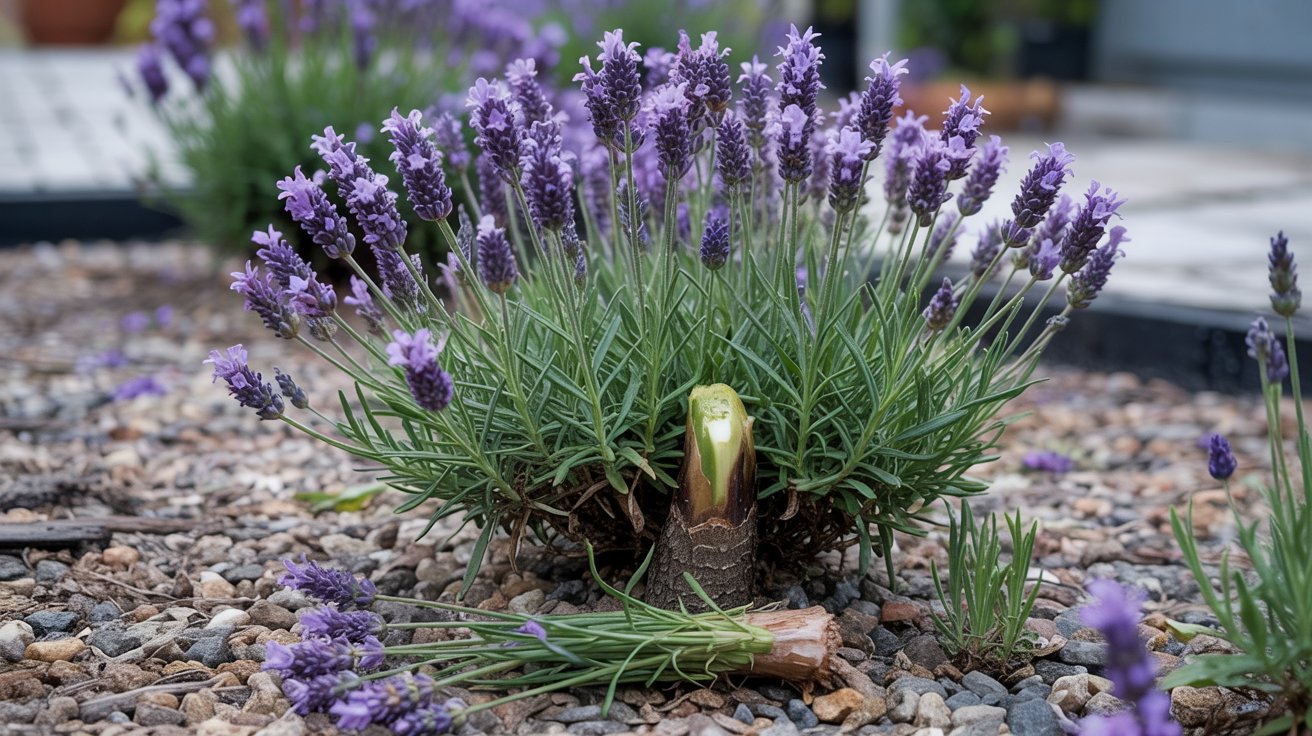
With the right soil and sun setup, Lavandula angustifolia and its relatives can grow reliably across a surprisingly wide range of climates - from the dry Southwest to the humid Southeast and even cold northern gardens.
Growing lavender successfully depends more on drainage and sun than on climate. Choose the right species for your zone, keep soil pH between 6.5 and 7.5, and prune every year to prevent woody die-back.
Most failures trace back to wet roots, not cold winters.
Pick the Right Lavender for Your Climate
Not all lavender is the same plant. The species you choose determines cold hardiness, humidity tolerance, and how aggressively you need to manage moisture.
Remember it later
Planning to try this recipe soon? Save it for a quick find later!
Getting this decision right before you buy a single pot saves a lot of frustration later.
If you're unsure where to start, a good overview of which lavender varieties exist by climate makes the selection process much faster.
- Lavandula angustifolia (English lavender): Hardy to Zone 5 and the most cold-tolerant species. Compact habit, highly fragrant, and handles light summer humidity better than most.
- Lavandin (L. × intermedia): A hybrid of English lavender and spike lavender. Hardy to Zone 5-6, taller than angustifolia, and extremely drought-resistant once established - ideal for hot, dry climates.
- Lavandula stoechas (Spanish lavender): Tolerates heat and humidity better but only hardy to Zone 7-8. Good for coastal gardens and mild-winter climates in the South.
- Lavandula dentata (French lavender): Grows well in Zones 8-11 and handles warm, dry conditions. Not frost-hardy - treat as an annual north of Zone 8.
In Zones 5–6, stick with named angustifolia cultivars like 'Hidcote' or 'Munstead' — they've been selected specifically for winter hardiness. In Zones 7 and warmer, lavandin and stoechas types open up more options.
Soil Setup: The Factor That Determines Everything
Lavender does not die from cold. It dies from wet roots sitting in heavy, airless soil.
Before you plant, fixing your soil is the single most important step you can take - more important than mulch, fertilizer, or pruning timing.
Target a soil pH between 6.5 and 7.5. Slightly alkaline conditions actually favor lavender, so if your beds run acidic (common in the Southeast and Pacific Northwest), work in ground limestone before planting.
Unlike acid-loving shrubs such as azaleas, lavender performs worse as pH drops below 6.
- Sandy or gravelly soil: Ideal as-is. Water drains fast, roots stay dry between waterings, and the plant self-regulates moisture easily.
- Loam: Workable with good amendments. Add coarse horticultural grit (20-30% by volume) to open up the pore structure before planting.
- Clay: Raises root rot risk significantly. Build a raised bed at least 12 inches high with a grit-and-compost mix, or mound individual plants 6-8 inches above grade.
Avoid high-nitrogen fertilizers entirely. Rich soil encourages soft, leafy growth that is more prone to disease and less aromatic. Lavender planted in lean, fast-draining soil produces stronger oils and lives longer.
How to Plant Lavender Step by Step?
Spring planting (after last frost) gives roots the longest establishment window before winter. In Zones 8 and warmer, fall planting also works well because cool, moist weather helps roots develop without heat stress.
One planting detail many growers overlook: unlike roses, lavender actively benefits from slightly stressful, lean conditions. A plant struggling in rich, moist soil will never outperform one growing hard in grit and full sun.
Pruning Lavender Without Killing It
Lavender grows from a woody base. If you never cut it back, that base expands outward, the center dies out, and the plant collapses within 4-6 years.
Annual pruning keeps it compact, productive, and living much longer.
Timing matters. The safest window for a hard cutback is late summer - right after the first flush of bloom fades, typically August in most zones. This allows new growth to harden before frost.
A lighter shaping in early spring, once new growth is visible, removes any winter-killed tips.
- Right after first bloom (late summer): Cut back by one-third to one-half of the plant's height. Leave at least some green foliage on every stem - cutting into bare brown wood below the foliage zone rarely regenerates.
- Early spring cleanup: Shear lightly to remove dead tips and reshape. Don't do a heavy prune here, as late frosts can damage fresh new growth stimulated by hard cutting.
- What not to do: Never cut all the way to the woody crown in a single session. Rejuvenation pruning over 2-3 years works far better than one severe cut that the plant can't recover from.
If your lavender is already woody and open in the center, don't abandon it. Cut back by one-third this year, one-third next year, and assess after that. Slow renovation succeeds where a single hard chop fails.
Growing Lavender in Humid and Cold Climates
Humidity is lavender's real enemy in the Southeast, Pacific Northwest, and Great Lakes regions. Wet air sitting around foliage encourages fungal disease and crown rot far more than cold temperatures alone.
Successful growers in these regions treat drainage and airflow as non-negotiable.
In humid climates, spacing plants wider than you think necessary - 30 inches or more for most varieties - makes a measurable difference in plant health. Similarly, managing moisture-sensitive plants in damp beds often requires raised soil structures that lavender also benefits from.
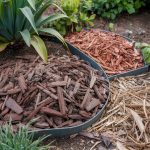
- Zone 5-6 winters: Mulch with gravel around the crown after the ground freezes. Avoid heavy wood mulch, which traps cold moisture against the crown through freeze-thaw cycles.
- High humidity regions (Zones 7-9 Southeast): Choose L. angustifolia or stoechas varieties, plant in raised beds with grit-amended soil, and avoid overhead irrigation entirely. Drip irrigation at soil level is the only sensible choice here.
- Pacific Northwest (wet winters, Zones 7-9): Winter rain is harder on lavender than summer humidity. Plant on slopes or in raised beds with excellent drainage, and consider a clear plastic cloche over individual plants during the wettest months.
- Containers in marginal zones: In Zones 4 and below, grow lavandin in large pots (at least 12 inches wide) and overwinter them in an unheated garage or shed where temps stay above 20°F.
The lavandin cultivar 'Phenomenal' was specifically bred for humidity tolerance and cold hardiness, performing well in Zones 5–8 in conditions that kill most other lavender varieties. It's one of the most reliable options for challenging climates.
5 Mistakes That Kill Lavender Before It Has a Chance
Most lavender failures are preventable. These are the errors that show up repeatedly, regardless of climate or experience level.
- Planting in clay without amending: Clay holds water against the crown for days after rain, creating exactly the anaerobic, wet conditions that cause root rot. Always raise the planting level or amend aggressively before putting any lavender in the ground.
- Overwatering established plants: Established lavender in Zones 5-7 needs water roughly every 2-3 weeks in summer, not every few days. Treating it like a vegetable garden plant is one of the fastest ways to lose it.
- Skipping the annual prune: A single missed year of pruning rarely kills a plant. Two or three missed years leads to a woody, open crown that cannot be fixed without major intervention. Make it a habit in late summer.
- Using bark mulch instead of gravel: Wood-based mulches hold moisture against stems and crowns. Gravel mulch creates the warm, dry microclimate at the plant base that lavender actually needs.
- Buying the wrong species for the zone: Spanish and French lavender planted in Zone 6 will die in winter, every time. Matching species to hardiness zone is not optional - it's step one.
These same drainage and spacing principles apply across a wide range of ornamental plants. A look at established garden plants shows that most root rot problems share the same cause regardless of species.
Companion Planting and Garden Placement
Where you place lavender in your garden affects how well it performs just as much as soil prep does. Lavender placed next to water-hungry plants that get frequent irrigation will struggle even with perfect soil.
Strategic placement solves this problem before it starts.
Good neighbors for lavender share its preference for lean, dry conditions. Deep-rooted annuals like sunflowers work nearby because they don't require the constant shallow watering that keeps lavender's root zone too wet.
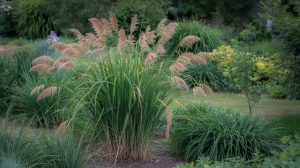
Ornamental grasses, rosemary, sage, and Russian sage are all compatible - they occupy different root depths and tolerate the same dry-leaning irrigation schedule.
- Border edges and pathways: Lavender along stone or gravel paths benefits from reflected heat and the fast-draining edge conditions paths naturally create.
- Slope planting: Even a gentle slope of 5-10 degrees significantly improves drainage and reduces standing moisture at the crown after rain.
- Avoid low spots: Any area where water pools after rain - even briefly - will cause repeated crown rot issues. Lavender planted in these spots rarely lasts more than 1-2 seasons.
- Separation from irrigated beds: If possible, keep lavender in its own zone on drip irrigation or on a separate timer so it gets far less water than vegetables or thirsty perennials nearby.
Vigorous climbers and heavy-blooming perennials that need regular feeding - like well-fed clematis - are best kept in separate beds so their irrigation and fertilization schedules don't interfere with lavender's lean-soil needs.
Harvesting Lavender for Maximum Fragrance
Harvest timing directly affects fragrance intensity and the plant's long-term health. Cut at the wrong stage, and you get weaker oil and a plant that doesn't rebloom as strongly the following year.
The optimal moment to harvest is when roughly half the buds on a spike have opened. At this stage, essential oil concentration is at its highest.
Fully open flowers look more dramatic but have already released much of their fragrance. For plants like warm-season ornamentals including summer-blooming crape myrtles, timing the cut for oil content is similarly critical for drying quality.
- Cut length: Cut stems down to just above the lowest set of leaves on each stem - typically leaving 2-4 inches of green growth. This double functions as both a harvest and a light pruning.
- Drying method: Bundle 20-25 stems with a rubber band (which contracts as stems dry) and hang upside down in a dry, shaded, ventilated spot for 2-3 weeks.
- Best time of day to harvest: Cut in the morning after the dew has dried but before midday heat, when volatile oils are most concentrated in the buds.
After harvest, the plant typically produces a second, lighter flush of bloom in late summer. Cutting back by one-third immediately after the main harvest encourages this second flush and sets the plant up well for the annual post-bloom pruning that follows.
Container-grown lavender harvested for fragrance benefits from consistent root health - a lesson that carries across many container crops: restricted roots need more attention to moisture balance than those in open ground.
Harvest lavender at the half-open bud stage, prune immediately after, and repeat annually. This single habit extends plant life by years and keeps fragrance output high season after season.
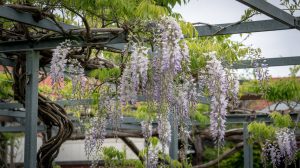
Lavender grown in challenging climates also benefits from exposure to long-lived woody perennials in the same garden - both wisteria and lavender reward growers who commit to annual pruning rather than letting plants run unchecked for years.
Frequently Asked Questions
Prune lavender twice yearly: a hard cutback of one-third to one-half in late summer (August for most zones) right after bloom, and a light shaping in early spring once new growth is visible but before any late frosts.
Fast-draining, slightly alkaline soil with a pH of 6.5–7.5 is ideal. Sandy or gravelly soil works best; clay must be amended with 20–30% coarse horticultural grit or replaced entirely with a raised bed mix.
The lavandin cultivar 'Phenomenal' is the most reliable choice for wet winters, rated hardy to Zone 5 and bred specifically for humidity tolerance. Planting on slopes or in raised beds further reduces the risk of crown rot during prolonged wet periods.
Yes — use containers at least 12 inches wide, fill with a grit-heavy mix, and move pots into an unheated garage or shed once temperatures drop below 20°F consistently. Lavandin types overwinter in containers better than French or Spanish lavender.
Established lavender in Zones 5–7 needs water roughly every 2–3 weeks during summer, only during dry spells. In Zones 8–9 with hot, dry summers, water every 10–14 days but allow the soil to dry out completely between sessions.
Pin it for your next how to grow lavender in any climate project.