Roses have a reputation for being fussy, but most beginners quit before they ever figure out why their plant failed - and it almost always comes down to variety choice, drainage, or timing.
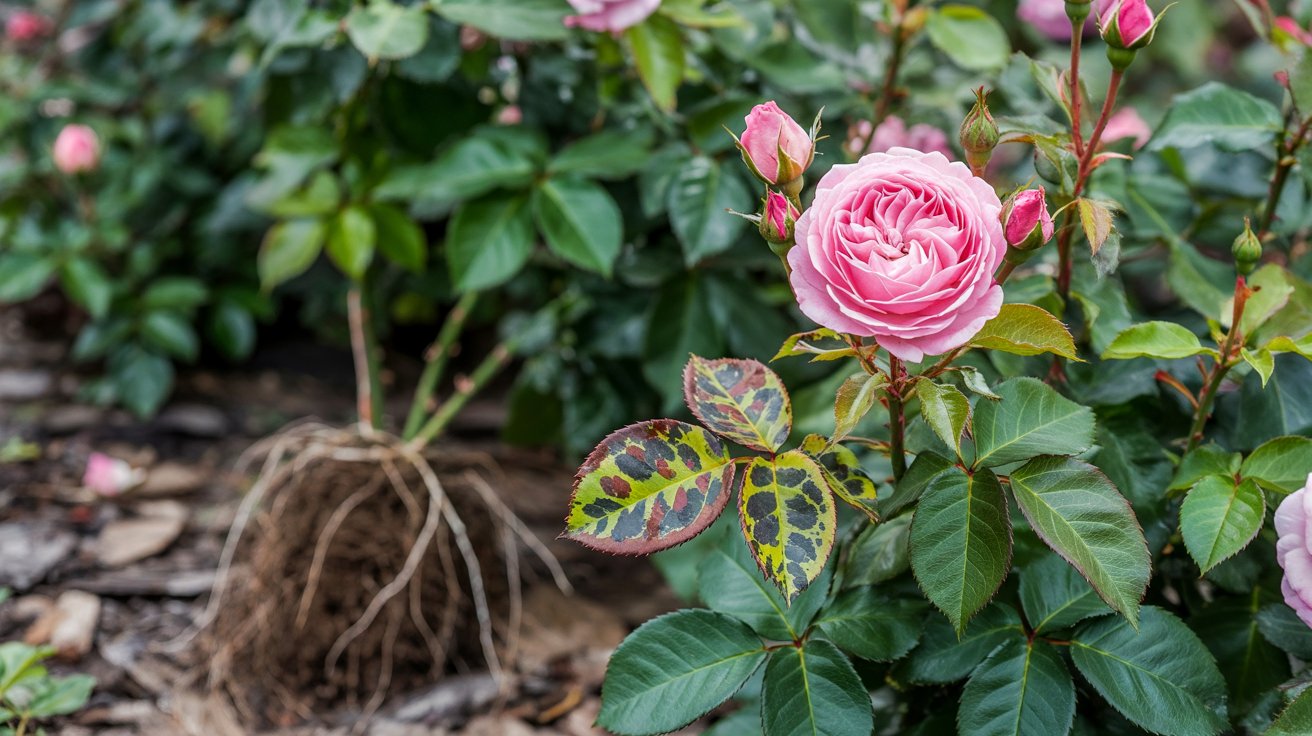
Get those three things right, and even a first-year gardener can have a rose bush that blooms reliably from June through frost.
Growing roses successfully starts with choosing a disease-resistant variety suited to your USDA zone. Prepare well-drained soil at pH 6.0–6.8, plant at the right depth, water deeply once a week, and fertilize every 6–8 weeks during the growing season.
What Roses Actually Need Before You Buy One?
The single most common beginner mistake is buying whatever looks prettiest at the nursery without checking disease resistance or zone rating.
Remember it later
Planning to try this recipe soon? Save it for a quick find later!
Rosa varieties vary enormously - hybrid teas demand constant care, while modern shrub roses like 'Knock Out' or 'Carefree Beauty' shrug off black spot and perform in zones 4 through 9 with almost no intervention.
Before you purchase, check two things: your USDA hardiness zone and how many hours of direct sun your chosen spot receives. Roses need at least six hours of full sun daily - fewer than that and you'll get leggy growth and almost no blooms.
- Shrub roses: Widest zone tolerance (zones 3-9), disease-resistant, repeat-blooming - best starting point for most beginners.
- Floribunda roses: Produce clusters of flowers, moderately disease-resistant, good for zones 5-9 in mixed borders.
- Landscape roses: Low-maintenance groundcover types; great for slopes or mass plantings where you want color without deadheading.
- Hybrid tea roses: Classic long-stemmed blooms, but susceptible to black spot and powdery mildew - not ideal for a first rose garden.
You can compare rose classes by bloom style, zone rating, and disease resistance before committing to a specific plant. That research saves a lot of frustration in year one.
The 'Knock Out' series, 'Carefree Wonder,' and the Oso Easy line are consistently the easiest disease-resistant roses for beginners in zones 4–9. All three rebloom without deadheading.
Tools and Materials You'll Need
Rose planting doesn't require specialty gear, but a few quality tools make the job faster and reduce transplant stress on the plant.
- Spade or digging fork: For loosening compacted soil and digging a wide, deep planting hole.
- Soil test kit (pH): Roses prefer a pH of 6.0-6.8; a basic test kit from any garden center costs under $15 and takes 10 minutes.
- Organic compost or well-rotted manure: Work in 2-4 cups per plant to improve drainage in clay and water retention in sandy soil.
- Bypass pruning shears + loppers: Bypass shears for canes under ½ inch; loppers for anything thicker. Anvil pruners crush stems and invite disease.
- Shredded bark mulch: Apply 2-3 inches around each plant to conserve moisture and suppress weeds - keep it away from the cane base.
- Balanced granular fertilizer: A 10-10-10 or rose-specific formula works well; slow-release options reduce the risk of over-feeding.
How to Plant Roses Step by Step?
Proper planting depth - especially for grafted roses - is the detail most beginners get wrong. Bury the graft union too deep in cold climates and the rootstock takes over; leave it too high and it desiccates in a hard freeze.
Follow these steps in order.
When planting bare-root roses, build a small cone of soil inside the hole and drape the roots over it naturally. Cramped or circling roots stall establishment for an entire season.
Pruning: When and How Much to Cut
Pruning intimidates most beginners, but roses are forgiving - a bad cut rarely kills a healthy plant. The goal is to open up the center for airflow, remove dead wood, and encourage new basal growth that carries the best blooms.
Timing depends entirely on your zone. Prune too early and a late frost burns the tender new growth; prune too late and you lose weeks of bloom time.
Once you understand clean cuts on roses, the whole process takes under 30 minutes per bush.
- Zones 4-6: Prune in early to mid-April, after forsythia blooms and frost risk drops significantly.
- Zones 7-8: Late February through mid-March is the window - cut back by one-third to one-half of total cane height.
- Zones 9-11: Prune in January; plants may never fully go dormant, so cut by one-third and remove any crossing canes.
- All zones, deadheading: Remove spent blooms just above a 5-leaflet leaf node throughout summer to trigger rebloom on repeat-flowering types.
In zone 7 (mid-Atlantic, Pacific Northwest lowlands), the optimal pruning window is late February to mid-March — roughly when daffodils start pushing up. Pruning after April 1 in zone 7 costs you 3–4 weeks of early bloom.

Problems That Derail New Rose Growers
Three issues knock out most beginner rose plants within the first two seasons. All three are preventable once you know what causes them.
Many common garden plants share these soil and pest pressures, but roses show the symptoms faster than most.
- Black spot and early leaf drop: Caused by poor air circulation and overhead watering on susceptible varieties. Switch to drip irrigation or water at the base only, prune for an open center, and replace highly susceptible plants with resistant varieties in future seasons.
- Leggy growth with few blooms: Usually from too much high-nitrogen fertilizer or not enough sun. Cut back on nitrogen-heavy feeds, prune to encourage basal canes from the base, and confirm the site receives 6+ hours of direct sun.
- Poor establishment and root rot: Heavy clay or low spots that hold water after rain are the culprit. Replant on a raised berm 6-8 inches above grade, or amend a 3-foot-wide area with 40-50% coarse compost before replanting.
Aphids cluster on new growth in spring but rarely threaten an established rose - a strong spray of water knocks them off. Powdery mildew shows up when nights are cool and days are warm; improve airflow first before reaching for a fungicide.
Like hydrangea leaf scorch, most rose disease problems trace back to site conditions rather than pest pressure alone.
Zone-Specific Timing Adjustments
The planting calendar for roses shifts by 6-10 weeks depending on where you garden. Getting the timing wrong in either direction - planting too early into frozen soil or too late into summer heat - sets back a new rose by a full growing season.
- Zones 4-5: Plant bare-root roses as soon as soil is workable in April. Mulch deeply (3-4 inches) over the graft union through winter. Expect late May to early June for first blooms.
- Zones 6-7: Bare-root planting window runs mid-March through mid-April. Container roses can go in through May. First bloom typically arrives late May.
- Zones 8-9: Plant bare-root in February; container roses succeed even in September with good irrigation. Watch for black spot year-round - humidity stays high.
- Zones 10-11: Most hybrid teas and floribundas struggle without a cold period. Stick to heat-tolerant shrubs and heat-adapted rose varieties like 'Belinda's Dream' or 'Mrs. B.R. Cant.'

Choosing Rose Companions That Actually Help
What you plant around roses affects disease pressure, pollinator activity, and how much time you spend managing pests. This is the section most beginner guides skip entirely.
Lavender planted at the base of rose bushes repels aphids and improves air circulation by keeping the soil surface dry - similar to how lavender's low mound shape discourages moisture from pooling at woody stems.
Alliums (ornamental onions) planted nearby deter aphids and Japanese beetles without any spray program.
- Catmint (Nepeta): Sprawls at the base of rose canes, suppresses weeds, and attracts predatory wasps that eat aphid colonies.
- Salvia: Upright habit means no competition for airflow; blue-flowered salvias complement pink and red roses without overcrowding.
- Avoid fennel and large ornamental grasses: Fennel inhibits rose root growth; tall grasses block airflow and contribute to black spot conditions.
- Clematis on a shared support: Pairing a clematis with a climbing rose works well - the clematis roots stay cool under rose foliage while both plants share vertical space.
Plants like butterfly bush nearby attract the same beneficial insects that help control aphid populations around roses.
Avoid planting roses directly next to acid-loving azaleas - their preferred soil pH (4.5-5.5) is too low for healthy rose roots and creates a management conflict in the same bed.
Wisteria planted near roses will eventually overtake them. Wisteria's aggressive root system competes heavily for water and nutrients within a 6-foot radius — keep at least 8 feet of separation.
Frequently Asked Questions
Newly planted roses need 1–2 gallons of water at the base once per week in moderate weather, increasing to twice weekly during hot spells above 90°F. Established plants (2+ years) generally manage on weekly deep watering unless soil is sandy.
In zone 7, prune roses between late February and mid-March — when forsythia blooms but before new rose canes push more than 1 inch. Pruning after early April in zone 7 delays first bloom by 3–4 weeks.
The 'Knock Out' series, 'Carefree Beauty,' and the Oso Easy line are consistently the most forgiving choices, rated for zones 4–9, resistant to black spot, and repeat-blooming without deadheading.
Bare-root roses establish faster and cost 30–50% less than container plants when planted correctly in early spring (March–April in zones 5–7). Container roses offer more flexibility — they can go in the ground as late as early June without sacrificing the first bloom season.
Replace susceptible varieties with disease-resistant cultivars — this is the only permanent fix. Combine that with drip irrigation, pruning for an open center, and removing fallen leaves immediately in autumn, since black spot overwinters on debris at the soil surface.
Pin it for your next how to grow roses for beginners project.