Most pool quotes feel like guesses until you understand what's actually driving the number. Site conditions, permit fees, equipment choices, and contractor markup can push a $35,000 project to $55,000 before the first shovel hits the ground.
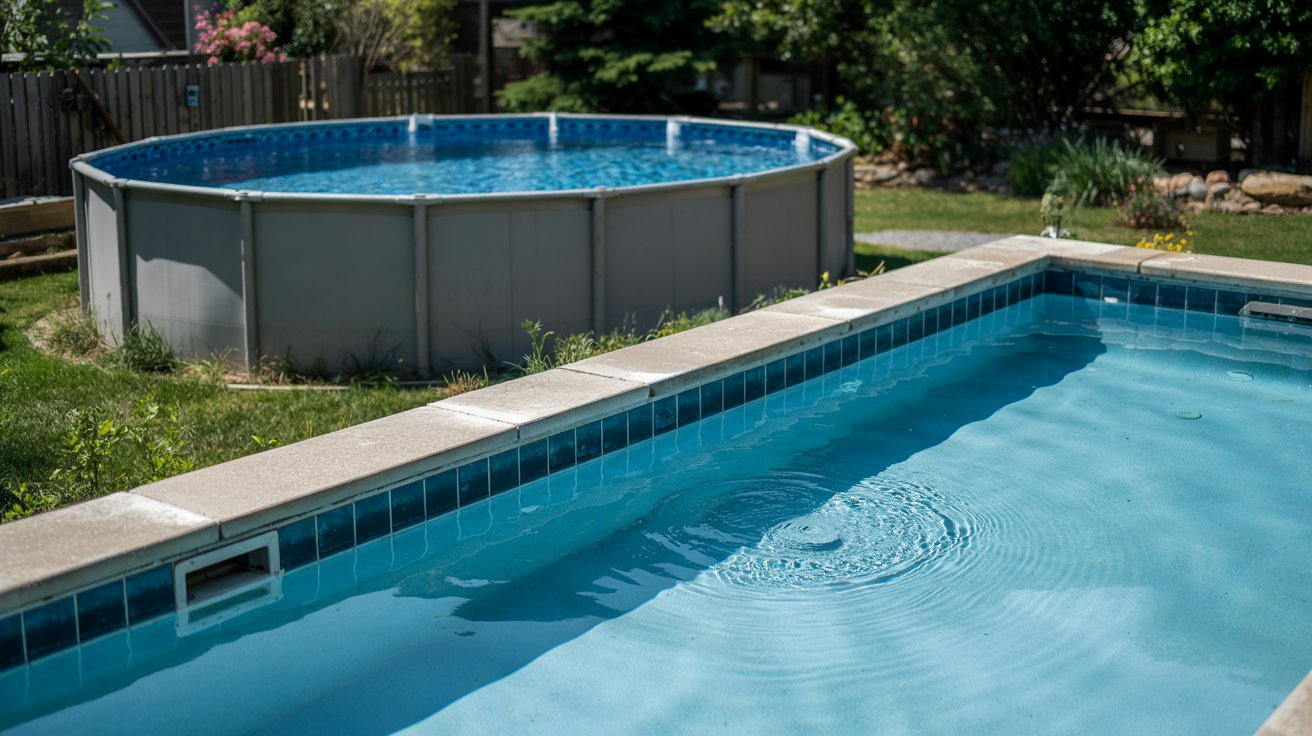
This guide gives you real dollar bands for 2026 - above-ground and inground - plus a line-by-line breakdown of every cost you'll face, so you can build a realistic budget before you call a single contractor.
Pool costs range from $800 for a basic above-ground kit to $150,000+ for a custom gunite inground. First-year total for a typical inground (installation, equipment, permits) runs about $45,000.
Useful life spans from 5–15 years (above-ground) to 30+ years (gunite). Data sourced from the University of New Hampshire Extension.
Immediate Answer: How Much Will YOUR Pool Cost?
The fastest way to land on a realistic number is to match your budget tier to a pool type and typical site conditions. These three tiers cover the vast majority of residential installs in the U.S. in 2026.
Remember it later
Planning to try this recipe soon? Save it for a quick find later!
Above-ground pools break into clear spending bands based on material and whether you're doing the work yourself or hiring a dealer. When you're ready to compare above-ground and inground options side by side, the cost gap is the first thing that stands out.
Inground vinyl at the budget tier assumes a rectangular shape under 400 sq ft with level ground and no bedrock. Add a water feature, automatic cover, or irregular footprint and you move up a tier quickly.
Gunite commands the highest price because every pool is poured and shaped on-site, which means labor hours drive the final number more than materials do. A $75,000 gunite quote in one market can reach $120,000 in a high-labor metro area for the same design.
Dealer quotes often exclude electrical upgrades, permits, and decking. Always ask for a written scope that lists every line item — a $35,000 inground quote missing those three items can land closer to $50,000 by closing day.
Line-by-Line Cost Breakdown (Installation & One-Time Fees)
Understanding each cost component is the fastest way to audit a contractor's quote. The numbers below reflect typical U.S. residential installs; coastal markets and mountain terrain regularly push the high end higher.
According to the U.S. Department of Energy, equipment selection - especially heater type - is one of the largest controllable variables in total pool cost.
Excavation is the line item that surprises most buyers. Rock or sloped sites can push excavation alone to $5,000-$15,000, compared to $1,000-$6,000 on flat, sandy soil.
| Line Item | Typical Cost Range | What Drives the Number |
|---|---|---|
| Excavation | $1,000–$6,000 | Rock, slope, or access issues push to $15,000 |
| Base/Compaction | $500–$3,000 | Soil stability; sand vs. gravel base |
| Pool Shell (vinyl liner kit) | $3,500–$10,000 | Size, shape, panel material |
| Pool Shell (fiberglass) | $15,000–$45,000 | Factory mold size; crane delivery access |
| Pool Shell (gunite labor) | $20,000–$60,000 | Custom shape; shotcrete crew rates |
| Equipment Package (pump, filter, chlorinator) | $1,500–$8,000 | Variable-speed pump and automation add $2k–$4k |
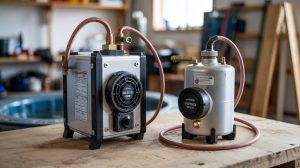
| Heater (gas or heat pump) | $1,500–$5,000 | BTU rating; gas line extension costs extra |
| Decking (concrete, pavers, or wood/composite) | $3,000–$20,000 | Material choice; square footage |
| Coping | $1,500–$6,000 | Travertine or natural stone vs. poured concrete |
| Electrical & Plumbing | $800–$6,000 | Panel upgrades add $2,000–$6,000 |
| Permits & Inspections | $100–$2,500 | Jurisdiction and project complexity |
| Pool Fence (code-compliant) | $800–$5,000 | Linear feet; gate type |
| Contractor Markup | 15%–25% of project total | Higher in low-supply markets |
The equipment package is the most negotiable line after the shell itself. A variable-speed pump saves $300-$600 per year in electricity versus a single-speed model, so paying $800 more upfront typically pays back within two seasons.
Decking cost depends almost entirely on material. Poured concrete costs the least per square foot but cracks over time; pavers run $15-$30 per sq ft installed.
If you're already researching what decking materials actually cost for an adjacent structure, those per-foot numbers translate directly to pool decks.
Permits are non-optional in virtually every U.S. jurisdiction. Skipping them can result in forced removal orders, failed home-sale inspections, and voided homeowner's insurance. Budget $200–$1,000 for a standard residential permit and plan for 2–6 weeks of approval time before breaking ground.

Ongoing & Annual Costs (Maintenance, Utilities, Repairs)
The purchase price is only the beginning. Annual operating costs for a midrange inground pool run $2,000-$5,000 per year before any repair work, and they climb steeply if you heat the pool into shoulder seasons.
Electricity is the steepest recurring expense for most owners. Running a standard single-speed pump 8 hours per day can add $600-$1,200 annually to your electric bill; adding a gas heater raises that by another $1,000-$2,500 per season depending on your climate and usage.
Owners curious about lower-energy heating alternatives often weigh these costs against what a hot tub costs as a year-round option.
| Cost Category | Annual Range | 5-Year Total |
|---|---|---|
| Chemicals & Consumables | $300–$1,200 | $1,500–$6,000 |
| Electricity (pump + heater) | $300–$2,500 | $1,500–$12,500 |
| Monthly Service (cleaning, balancing) | $600–$2,400 | $3,000–$12,000 |
| Opening & Winterizing | $300–$800 | $1,500–$4,000 |
| Minor Repairs & Parts | $200–$1,000 | $1,000–$5,000 |
| Subtotal (annual) | $1,700–$7,900 | $8,500–$39,500 |
| Vinyl Liner Replacement (every 8–12 yrs) | — | $3,000–$7,000 per event |
| Fiberglass Gelcoat Refinish (every 15–25 yrs) | — | $3,000–$10,000 per event |
| Typical 5-Year Total (midrange inground) | — | $50,000–$60,000 installed + upkeep |
Liner replacement is the single largest surprise cost for vinyl pool owners. Budget $3,000-$7,000 every 8-12 years to replace a vinyl liner; cutting corners on water chemistry shortens that interval significantly.
Pools in USDA cold climates (Zones 3–6) face mandatory winterizing costs of $300–$600 per year. Pools in Zone 9+ often skip winterizing entirely, which saves $1,500–$3,000 over a typical 5-year span.
Above-Ground vs Inground: Head-to-Head Comparison
Side-by-side numbers make the tradeoff clear. Above-ground pools win on upfront cost and speed; inground pools win on lifespan, resale value, and long-term enjoyment.
The right answer usually comes down to how long you plan to stay in the house and how much backyard space you're willing to commit permanently.
Inground pools add $10,000-$50,000 to home resale value in markets where pools are expected - primarily Sun Belt states and upscale suburban areas. In cold-climate or entry-level markets, the return on investment is much lower, and above-ground avoids the sunk cost entirely.
- Ready to swim in days, not months — ideal when you need the pool this season.
- Fully portable and removable; no permanent impact on property or zoning.
- Annual maintenance costs average $500–$1,500 less than a comparable inground pool.
- No excavation, no permits in most jurisdictions, no electrical panel upgrades required.
- Fiberglass and gunite pools last 20–30+ years versus 5–15 for above-ground structures.
- Custom shapes, depth variations, and integrated spas are only possible inground.
- Inground pools can meaningfully raise home sale price in the right markets.
- Year-round use with a heater is more practical in a permanent, insulated inground shell.
Buyers planning a full backyard upgrade often pair a pool decision with other big-ticket items. Knowing the cost of a shade structure nearby helps budget the entire outdoor project at once rather than getting surprised mid-build.

Permits, Codes, and Site Factors That Add Cost
These are the line items that cause the widest gap between a first quote and a final invoice.
Permit fees range from $100 to $2,500 depending on your jurisdiction, and most municipalities require a licensed contractor to pull the permit - which adds to your labor cost if your bidder doesn't include it.
Site geology is the factor contractors often don't flag until the excavator is already on-site. A high water table can add $5,000-$25,000 in dewatering and structural reinforcement costs, and bedrock discovery can pause a project for weeks.
Utility lines found during the locate process add $500-$3,000 in rerouting fees.
Most HOAs require written approval before any pool installation, and some prohibit above-ground pools entirely. Get HOA approval in writing before signing a contractor agreement — approval can take 30–60 days and has derailed plenty of summer pool plans.
Before you call for quotes, gather this information to protect yourself from cost surprises:
- Property survey: Confirm exact setback distances from property lines - most codes require 5-15 feet of clearance.
- Utility locate request: Call 811 (free in the U.S.) to mark underground lines before any digging quote is finalized.
- Soil report or drainage history: Note any areas that pool water after rain - these flag potential water table or drainage issues.
- HOA covenants: Request the current rules in writing; verbal approvals are not enforceable.
- Fence requirement: Most states mandate a barrier (4-foot minimum) around any in-ground pool; budget $800-$5,000 for a code-compliant fence and gate.
Pool fence requirements vary by state, but most follow the CPSC Pool Safely guidelines, which call for self-latching gates and a minimum 4-foot barrier with no climbable footholds within 36 inches of the pool gate.
Which Pool to Choose for Your Budget and Yard?
Mapping your budget and site conditions to a specific pool type saves weeks of back-and-forth with contractors. These three scenarios cover the most common buyer situations.
For families comparing pool options against other outdoor living upgrades, knowing the full multi-year cost of each choice makes the comparison fair and prevents budget regret later.
- Tight budget, flat backyard, few trees ($5,000-$15,000 total): A steel or hybrid above-ground pool in the 15-18 ft range with dealer installation is the right call. Add a simple wood deck surround for $3,000-$5,000. Timeline from order to swim-ready: 1-4 weeks. Action items: confirm no HOA restriction, request utility locate, budget $500 for a basic pump/filter upgrade.
- Family wants all-season use and long life ($55,000-$85,000 total): A fiberglass shell with a heat pump heater and modest concrete deck delivers the best value over a 20-year horizon. A midrange suburban inground install with deck and heater typically lands at $55,000-$85,000 all-in. Timeline: 8-16 weeks. Action items: pull permit early, budget for panel upgrade, confirm gas line access before choosing a heater type.
- Small yard, resale focus ($40,000-$60,000 total): A compact fiberglass plunge pool (12×24 ft or similar prefab shape) maximizes resale impact per dollar spent. Resale-focused fiberglass installs typically close at $40,000-$60,000 with standard coping and a safety cover. Timeline: 6-10 weeks. Action items: verify pool adds value in your specific market before committing, choose a neutral finish, include an automatic safety cover in the scope.

How to Get Accurate Quotes and Avoid Cost Surprises?
Three bids with line-item pricing is the minimum - not a courtesy, a necessity. Contractors who refuse to provide itemized quotes are hiding markup somewhere, and you have no way to compare value without the breakdown.
Homeowners who also want to keep costs controlled in adjacent projects can look at DIY approaches for outdoor features that don't require permits or specialized equipment.
A recommended deposit schedule protects both parties: 10%-30% upfront to secure materials and scheduling, 30% at a defined milestone (excavation complete or shell delivered), and the remainder at final walkthrough and punch-list completion.
Ask each contractor: "What's not included in this quote?" That single question surfaces exclusions faster than reading the fine print — and it's the question that separates transparent contractors from those who pad change orders.
Quick Cost Checklist Before You Buy
Use this checklist before making any phone calls. Arriving at contractor meetings with this information in hand cuts quote time in half and signals that you're a serious buyer - which often results in more accurate first-round bids.
Budget planning for a full backyard upgrade often pairs a pool with other investments; checking durable outdoor furniture options early helps you allocate leftover budget wisely.
Your walk-away number - a firm budget ceiling - is the most important item on this list. Decide it before the first site visit, not after you've fallen in love with a design.
Homeowners planning additional backyard features alongside a pool often find value in scoping everything together. Checking fire pit options that fit a pool-deck layout early keeps the overall outdoor budget organized and avoids landscaping conflicts later.
Those considering a heated water feature as an alternative or addition should also review the difference in hot tub operating costs before committing to a heater type. For a broader look at backyard water features and outdoor upgrades, our full resource library has cost guides for every project tier.
Frequently Asked Questions
Professional installation of a steel or hybrid above-ground pool (12–18 ft diameter) typically adds $500–$2,500 to the kit price, bringing total installed cost to $2,000–$5,000.
In Sun Belt markets, inground pools recoup 50%–80% of cost at resale. In cold climates, return drops to 20%–40%, making personal enjoyment the primary value driver.
Fiberglass installs take 4–8 weeks from permit approval; gunite custom pools take 10–14 weeks. Permit approval alone can take 2–6 weeks before any digging starts.