A backyard pergola can run anywhere from $400 for a weekend DIY build to well over $35,000 for a custom contractor job - and most homeowners have no idea where their project will land until they're already mid-quote.
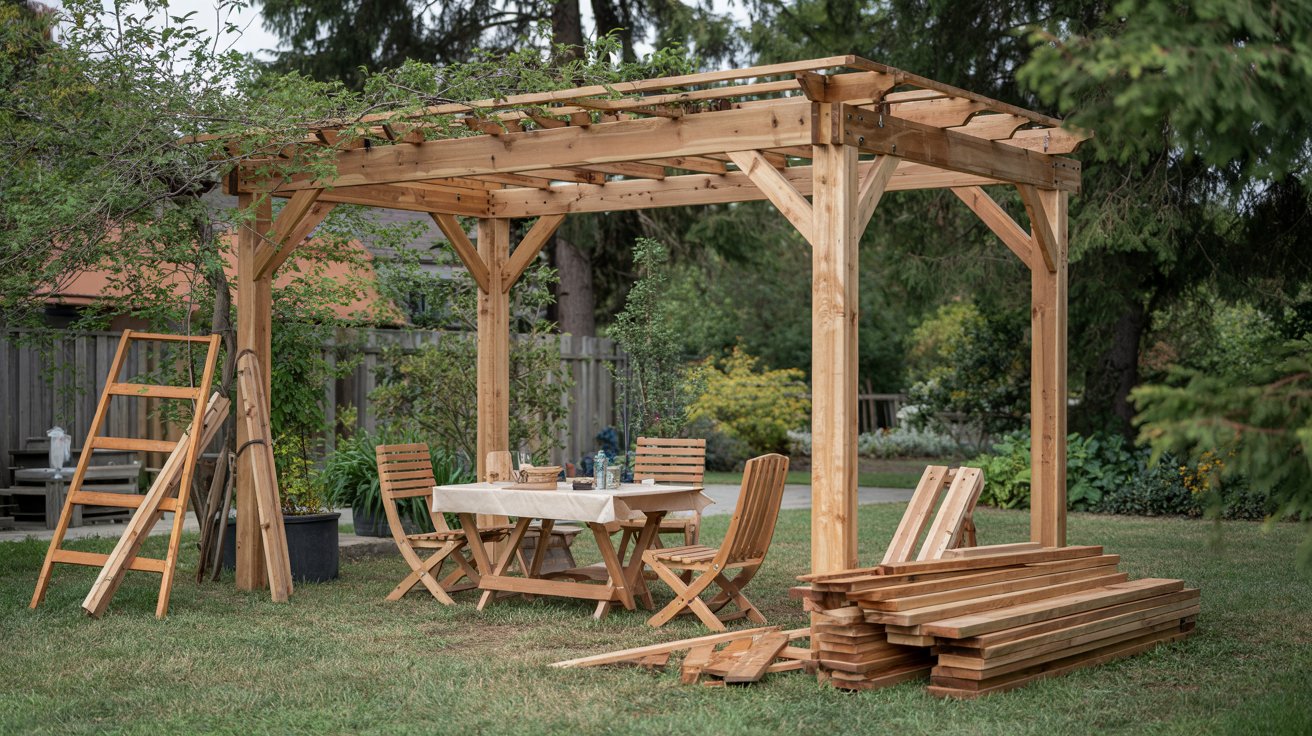
This guide cuts through that uncertainty with exact price ranges, a breakdown of every major cost driver, and a tier-by-tier comparison of DIY, kit, and custom builds so you can set a realistic budget before you buy a single board.
Pergola costs range from $400 (small DIY) to $35,000+ (large custom). Kits sit in the middle at $600–$6,500.
The national custom median lands near $12,000, and a rough per-square-foot rule runs $60–$200/ft² depending on material and finish.
Quick Cost Ranges: DIY vs Kit vs Custom
Most pergola shoppers fall into one of three clear spending bands. DIY builds run $400-$5,000, kits land at $600-$6,500, and contractor-built custom pergolas start around $3,500 and climb past $35,000 for large, finished structures with electrical and premium wood.
Remember it later
Planning to try this recipe soon? Save it for a quick find later!
Three one-sentence budget targets cover the most common situations. A starter budget of $1,200 gets you a small 8×8 DIY build or a basic entry-level kit.
A sensible mid-range target of $6,000 covers a high-end kit or a small custom build. For a large custom pergola with lighting, quality finishes, and full contractor labor, plan on $20,000 or more.
These ranges assume standard rectangular designs on flat, accessible lots. Sloped sites, unusual shapes, or composite materials can push any path 20–40% higher. The University of Maryland Extension recommends getting at least three contractor quotes before committing to a custom build.
Kits and DIY overlap heavily in the $1,500-$3,500 band, which is where most first-time buyers end up. If you're also budgeting for other backyard projects, a whole-yard cost estimate can help you prioritize spending across all features at once.
DIY Pergola Cost Breakdown
The biggest variable in a DIY pergola is wood species.
Pressure-treated pine, cedar, and tropical hardwood follow roughly a 1:2:3.5 price ratio - so a cedar project costs about twice what pine costs, and tropical hardwood (like ipe) runs 3.5 times pine for the same size.
Beyond lumber, plan for hardware, concrete footings, fasteners, and any finish coat or stain. Renting a post-hole auger for one day runs $45-$80, which is almost always cheaper than hand-digging and worth every dollar on clay or rocky soil.
| Size | Materials (Lumber) | Hardware & Footings | Finish / Extras |
|---|---|---|---|
| 8×8 | $400–$1,200 | $100–$300 | $50–$200 |
| 12×12 | $900–$2,500 | $200–$500 | $100–$350 |
| 16×16 | $1,800–$4,000 | $350–$700 | $150–$500 |
Hardware and concrete footings are easy to under-budget. Each poured footing adds real cost - see the full breakdown in the cost-drivers section below.
If you want a complete picture before starting, our guide to building a pergola yourself covers materials lists and footing specs in detail.
DIY stops saving money when your project exceeds 16×16 or requires an engineered beam, electrical rough-in, or a permit with site inspection. At that point, a contractor's bulk-material pricing and faster labor often close the cost gap to under 20%.
Pergola Kit Cost: What's Included and How to Compare Offers
Pergola kits are sold in three rough tiers. Economy kits ($600-$1,500) include pre-cut lumber, basic connectors, and instructions - but footings, stain, and post anchors are almost always add-ons.
Midrange kits ($1,500-$3,500) add engineered connectors and better wood. Premium kits ($3,500-$6,500) typically include cedar or composite material, decorative hardware, and extended warranties.
Assembly time is the honest hidden cost of kits. An economy kit takes 8-16 hours with two people; a premium kit with more components and decorative details can run 16-40 hours for two to three people.
- Pre-cut lumber eliminates measuring errors and waste.
- Engineered connectors meet load requirements without custom hardware.
- Faster to price — one SKU vs sourcing six materials separately.
- Full control over wood species, dimensions, and design details.
- Can match an existing deck or fence material exactly.
- Lower floor price — $400 vs $600 minimum for a kit.
Custom Pergola Price: Scope, Finishes, and Contractors
Custom pergola pricing is built from labor, materials, and project complexity - not a flat rate. Most pergola carpenters charge $60-$120 per hour depending on region, though some contractors quote a flat project price once they've reviewed a site.
Adding electrical - outlets, string-light circuits, or ceiling fans - tacks on $600-$2,500 to the final bill.
Permits, design fees, and site prep are often quoted separately and can surprise budget-conscious buyers. For comparison, a full shed build cost follows a similar contractor pricing model and can help you calibrate what labor in your region actually runs.
| Size | Scope | Estimated Total |
|---|---|---|
| Small (10×10) | Basic wood, 4 posts, no electrical | $3,500–$7,500 |
| Medium (12×16) | Cedar or composite, footings, lighting | $8,500–$18,000 |
| Large (20×20+) | Premium finish, electrical, design fee | $18,000–$35,000+ |
The factors that cause custom prices to jump most are: upgrading to hardwood or composite, adding a solid roof or shade cover, sloped or restricted site access, and electrical work requiring a licensed sub-contractor.
Regional labor markets also shift quotes significantly - coastal metro areas routinely run 30-50% above national averages.

Materials, Size, and Site Factors That Drive Cost
Size is the most straightforward driver - a larger footprint needs more posts, more beams, and deeper footings. But material choice compounds fast.
Each additional post adds $30-$150 depending on species and finish, and concrete footings run $80-$250 per hole when professionally poured and formed.
Structural upgrades push costs further. A GLULAM (glue-laminated) engineered beam can add $200-$1,200 per beam over standard dimensional lumber.
Adding a solid roof or polycarbonate shade cover - rather than leaving it open - increases the overall project cost by 25-60%. Electrical rough-in alone averages $600-$1,200 before fixtures.
- Wood species: Pressure-treated pine is the budget baseline; cedar costs roughly 2×, tropical hardwood like ipe runs 3.5× the same board-feet in pine.
- Footings: Clay, rocky, or expansive soils require deeper or wider footings, raising per-hole costs toward the $250 end.
- Roof/cover: Open-rafter pergolas cost least; polycarbonate panels, shade cloth, or solid roofing each add a different labor and material layer.
- Site access: A tight backyard gate or steep grade can add $300-$800 in equipment and labor just to move materials in.
- Electrical: Fan-rated ceiling boxes, GFCI outlets, and dedicated circuits require a permit and a licensed electrician in most municipalities.
Poor soil bearing capacity — common in filled lots, flood zones, or areas with high clay content — can require engineered helical piers instead of poured footings, adding $400–$1,500 per post. Always call 811 before any digging; some contractors charge a separate mobilization fee for utility locates.
Permits, Inspections, and Site Prep
Most municipalities require a building permit for any pergola attached to a house or over a certain square footage - commonly 200 sq ft. Permit fees range from $50 to $800 depending on the jurisdiction and project value.
Attached pergolas almost always trigger a structural review; freestanding ones in setback-compliant positions sometimes do not.
If your municipality requires stamped engineering drawings, budget $300-$1,200 for that document alone. Tree removal costs vary widely by size and species, but clearing a single tree from your planned pergola footprint runs $200-$1,000+.
| Item | Typical Cost | Notes |
|---|---|---|
| Building Permit | $50–$800 | Varies by municipality and project value |
| Engineer Drawing | $300–$1,200 | Required for attached or large pergolas |
| Utility Locate (811) | $0–$150 | Service free; contractor fees may apply |
| Tree Removal | $200–$1,000+ | Depends on size and access |
How to Move Between Budget Tiers?
Shifting your pergola from one spending tier to another is mostly about four line items: wood species, electrical, labor path, and decking or cover material. Small swaps here create big cost swings - often $1,000-$6,000 in either direction.
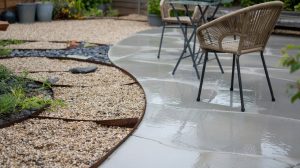
If you're also planning a lower-cost patio surface underneath, those savings can free up budget for pergola upgrades.
In northern climates (USDA zones 3–5), pressure-treated lumber rated for ground contact is required for posts — standard above-ground PT is not sufficient. This can add $20–$60 per post versus southern or coastal builds using above-ground-rated material.
What to Budget Right Now?
Before you finalize any number, add a 10-20% contingency to your total estimate - most pergola projects hit at least one unexpected cost, whether that's a rocky footing, a permit revision, or a lumber price change. Contractors typically ask for a deposit of 20-50% upfront, with milestone payments through the build.
Plan for a timeline of one day for a kit install up to 2-6 weeks for a full custom project. For context on how pergola spending fits alongside other outdoor feature budgets, fire pits and pergolas are often planned together.
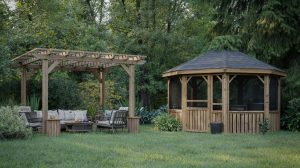
For a broader look at how a pergola fits alongside decks, patios, and fencing, a full backyard design cost overview gives realistic combined budgets. If you're comparing structures, the total cost of a gazebo runs higher on average due to full roofing and typically more complex framing.
Those planning a driveway or hardscape at the same time can cross-reference our concrete and asphalt pricing guide for contractor rate comparisons.

Frequently Asked Questions
Most pergolas cost $400–$35,000 depending on path. A typical mid-size custom build runs near the $12,000 national median, while a basic DIY or kit starts around $1,200.
Yes. Pergolas typically cost 30–50% less than gazebos because they lack a full enclosed roof. A comparable gazebo starts near $5,000 where a pergola kit begins at $600.
Usually yes if attached to a house or over 200 sq ft. Freestanding pergolas within setback limits sometimes don't require one, but rules vary by municipality.
Pressure-treated pine lasts 10–20 years with maintenance; cedar reaches 20–25 years. Tropical hardwoods like ipe can last 40+ years with minimal upkeep.
Yes — post base anchors bolt directly into existing concrete with sleeve anchors or epoxy inserts. This eliminates separate footing costs, saving $80–$250 per post location.
Pin it for your next how much does a pergola cost? project.