
Zucchini is the plant that laughs at neglect, then rewards you with more squash than you planned for. Cucurbita pepo grows fast, tolerates most soils, and produces heavily from midsummer straight through to frost - but a few specific mistakes can stop a harvest before it starts.
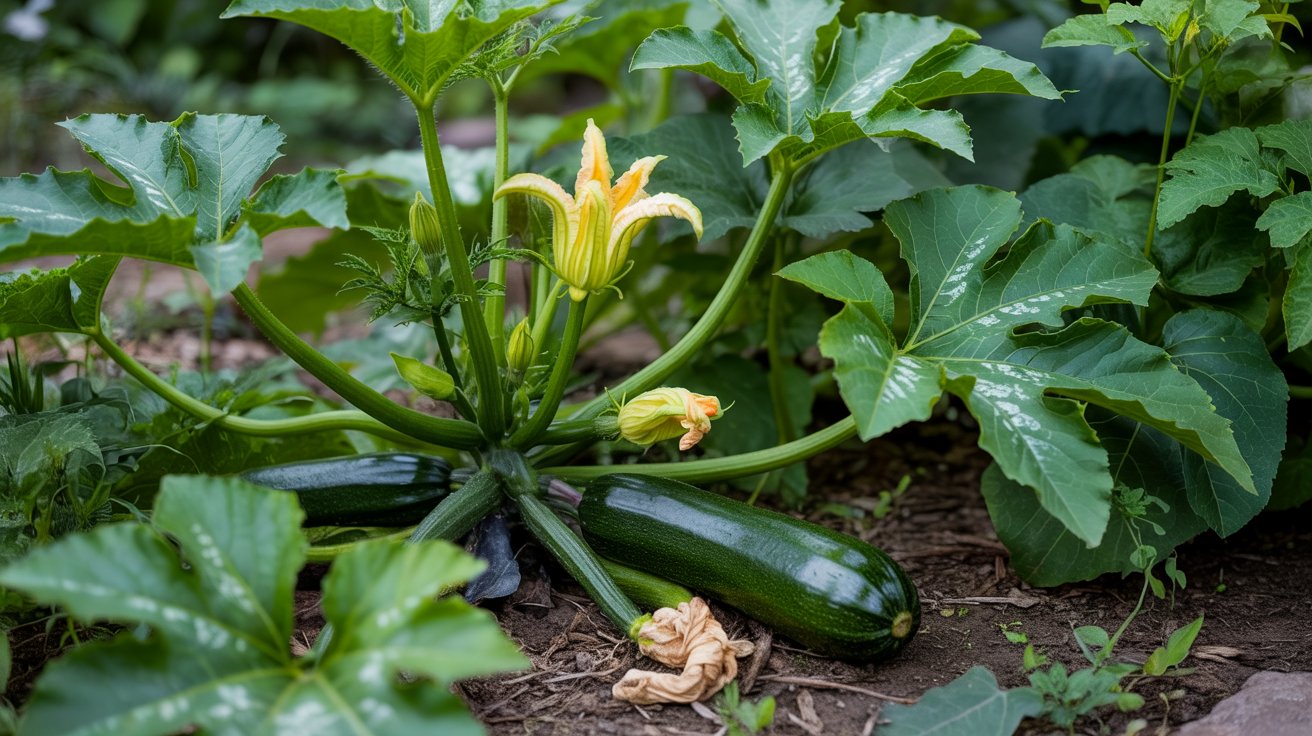
This guide covers planting, care, common problems, and what to actually do with all that zucchini once it's coming in.
Zucchini grows best in full sun with rich, well-drained soil at pH 6.0–7.0. Direct-sow seeds after your last frost date, water deeply 2–3 times per week, and harvest fruits at 6–8 inches for the best flavor and continued production.
How to Grow Zucchini Step by Step?
Zucchini is a warm-season crop that needs soil temps above 60°F before seeds go in the ground. Rush planting and seeds rot; wait two weeks past your last frost date and germination jumps above 90%.
Remember it later
Planning to try this recipe soon? Save it for a quick find later!
In zone 6, soil temps hit 60°F around mid-May in most years. For a second planting, sow again in early July — fruits will mature before the first fall frost in late October. In zones 9–10, plant in late February or early March to avoid peak summer heat during pollination.
Understanding Pollination (and Why Fruits Fail)
Zucchini produces separate male and female flowers on the same plant, and both need to be open at the same time for pollination to happen. Many gardeners panic when early fruits shrivel and drop - this is nearly always a pollination gap, not disease.
Male flowers appear first, usually a week or two before females. You can spot the difference easily once you know what to look for.
Among vegetable garden plants, zucchini is one of the few where understanding flower anatomy directly affects your harvest.
- Male flowers: Grow on a thin, straight stem. They open, release pollen, and drop - that's normal and not a sign of trouble.
- Female flowers: Have a tiny immature zucchini at the base of the bloom. If unpollinated, that mini-fruit yellows and falls off within 48 hours.
- Hand pollination: Use a small paintbrush or pull a male flower and dab its center against the female's center stigma. Do this in the morning when flowers are fully open.
- Bee activity: Plant pollinator-friendly flowers nearby. Zucchini pollination improves noticeably when bees are active in the bed by 8-10 a.m.
If your plant consistently produces male flowers but rarely opens female ones, it's often a heat or water stress response. Mulch the root zone and water more deeply to stabilize soil conditions.

Pests and Problems That Actually Matter
Zucchini is relatively tough, but two problems cause real damage: squash vine borers and powdery mildew. Both are easier to prevent than treat once established.
The squash vine borer (Melittia cucurbitae) is a moth larva that tunnels into the main stem at soil level.
If you're managing vine borers for the first time, the key is timing - the adult moth lays eggs on stems in late June through July in most of zones 5-7.
- Squash vine borer: Look for sawdust-like frass at the stem base. Wrap stem bases in foil as a barrier, or cover plants with row cover until flowers open. Once larvae are inside, treatment is much harder.
- Powdery mildew: White powder on leaves is almost inevitable by late summer. It looks alarming but rarely kills the plant if caught early. Increase airspace between plants and avoid overhead watering.
- Cucumber beetles: Small yellow-and-black beetles that chew leaves and spread bacterial wilt. Row cover early in the season excludes them before plants are established enough to handle feeding pressure.
- Blossom end rot: Caused by calcium deficiency or inconsistent watering rather than a pathogen. Fix the watering schedule first before applying any calcium foliar sprays.
A wilted zucchini plant on a cool morning almost always means squash vine borer damage inside the stem — not drought. Check the stem base before watering more, or you'll make root rot worse on top of the existing problem.
Mistakes That Cut Your Harvest Short
Most zucchini failures come down to a handful of repeat errors. These are the ones we see most consistently, along with how to fix them.
- Planting too early: Seeds sown in cold soil sit and rot instead of germinating. Wait until soil hits 60°F - a cheap soil thermometer confirms this in 30 seconds.
- Overcrowding plants: Zucchini needs 24-36 inches per plant minimum. Cramped plants compete for nutrients, airflow drops, and mildew moves in fast.
- Ignoring oversized fruits: Leaving a baseball-bat-sized zucchini on the plant tells it to stop producing. Harvest every 2-3 days during peak season or production slows dramatically.
- Watering from overhead: Wet leaves every evening almost guarantees powdery mildew by August. Drip irrigation or a soaker hose at ground level avoids this entirely.
- Skipping fertilizer after flowering: Many gardeners fertilize once and walk away. A second application of low-nitrogen fertilizer when the first fruits set extends productive harvest by several weeks.

What to Do With the Harvest?
This is the section no seed packet includes. One zucchini plant in a good season produces 6-10 pounds of fruit per week.
Having a plan before the harvest peaks makes the difference between enjoying it and feeling overwhelmed by it.
Zucchini pairs extremely well with fresh basil - if you don't already have some growing nearby, basil from seed is ready to harvest in about 3-4 weeks and makes a natural companion in the kitchen and the garden bed.
- Freeze shredded zucchini: Grate it, squeeze out moisture with a clean towel, then freeze in 1-cup portions. Works directly in baked goods, soups, and pasta sauce through winter.
- Harvest the flowers: Male flowers are edible and abundant. Stuff them with ricotta and pan-fry, or chop raw into salads. Pick in the morning before they close.
- Roast in batches: Cut into half-inch rounds, toss with olive oil and salt, roast at 425°F for 20 minutes. Keeps in the fridge for 4 days and works in eggs, grain bowls, or sandwiches.
- Zucchini "boats": Halve oversized fruits lengthwise, scoop the center, fill with ground meat or beans and tomato, and bake at 375°F for 30 minutes.
- Give strategically: Leave a bag of small zucchini on a neighbor's porch, not the 14-inch club. Small fruits at 6-8 inches get used; giant ones intimidate people.
Zucchini blossoms have a very short window — they open by 7 a.m. and close by early afternoon. If you want to harvest them, check the plant before breakfast, not at lunch.
Growing Zucchini in Containers and Small Spaces
Standard zucchini plants spread 3-4 feet in every direction, which rules them out for many small gardens. Bush varieties change that calculation entirely.
This is the section most general squash guides skip - but container growing is genuinely viable with the right variety selection.
Compact varieties like 'Patio Star,' 'Bush Baby,' and 'Astia' were bred specifically for container production. Similar to how growing tomatoes in pots requires larger containers than most people expect, zucchini in containers needs real volume to perform.
- Container size: Use a minimum 15-gallon pot - 20-gallon is better. Smaller containers dry out too fast and stunt root development by midsummer.
- Soil mix: Use a high-quality potting mix with added compost, not straight garden soil. Garden soil compacts in containers and kills drainage quickly.
- Watering frequency: Container zucchini may need watering daily in hot weather. Check soil moisture 2 inches down - if it's dry, water deeply until it drains from the bottom.
- Vertical options: Some gardeners train zucchini up a trellis in raised beds. It's not as clean as true vertical climbers, but it saves ground space and improves airflow significantly.
- Feeding schedule: Container plants need more frequent fertilizing than in-ground plants - every 2 weeks with a balanced liquid fertilizer once flowering begins.
One container-grown bush zucchini won't match the output of an in-ground plant, but it reliably produces 4-6 fruits per week at peak season. That's plenty for a single household without the sprawl.

Frequently Asked Questions
In zone 6, direct-sow zucchini seeds outdoors between mid-May and early June, once soil temperature reaches 60°F consistently. A second planting in early July gives a fall harvest before the first frost, typically in late October.
Water in-ground zucchini every 2–3 days in summer, delivering 1–2 inches per week total. Container-grown plants dry out faster and may need daily watering when daytime temps exceed 85°F.
Female flowers have a small, swollen mini-zucchini at the base of the bloom before it even opens. Male flowers sit on a plain, thin stem with no fruit behind them — they appear first, typically 7–10 days before female flowers emerge.
Yes, but cross-pollination between zucchini and other Cucurbita pepo varieties like pumpkins affects seeds saved for next year — not the current season's fruit. If you're growing pumpkins nearby, your zucchini fruits this year will taste exactly as expected.
Early in the season, plants produce only male flowers for the first 1–3 weeks before females appear. If both are present but fruit still drops, hand-pollinate in the morning using a small brush or a detached male flower.
Pin it for your next how to grow zucchini (and use the harvest) project.