Compacted soil is one of the most common reasons lawns look tired despite regular watering and fertilizing. When the top few inches of soil get dense, grass roots can't pull in air, water, or nutrients - and no amount of extra care fixes that without first addressing what's happening underground.
Lawn aeration breaks that cycle by physically opening the soil, and the difference in turf health is usually visible within a few weeks.
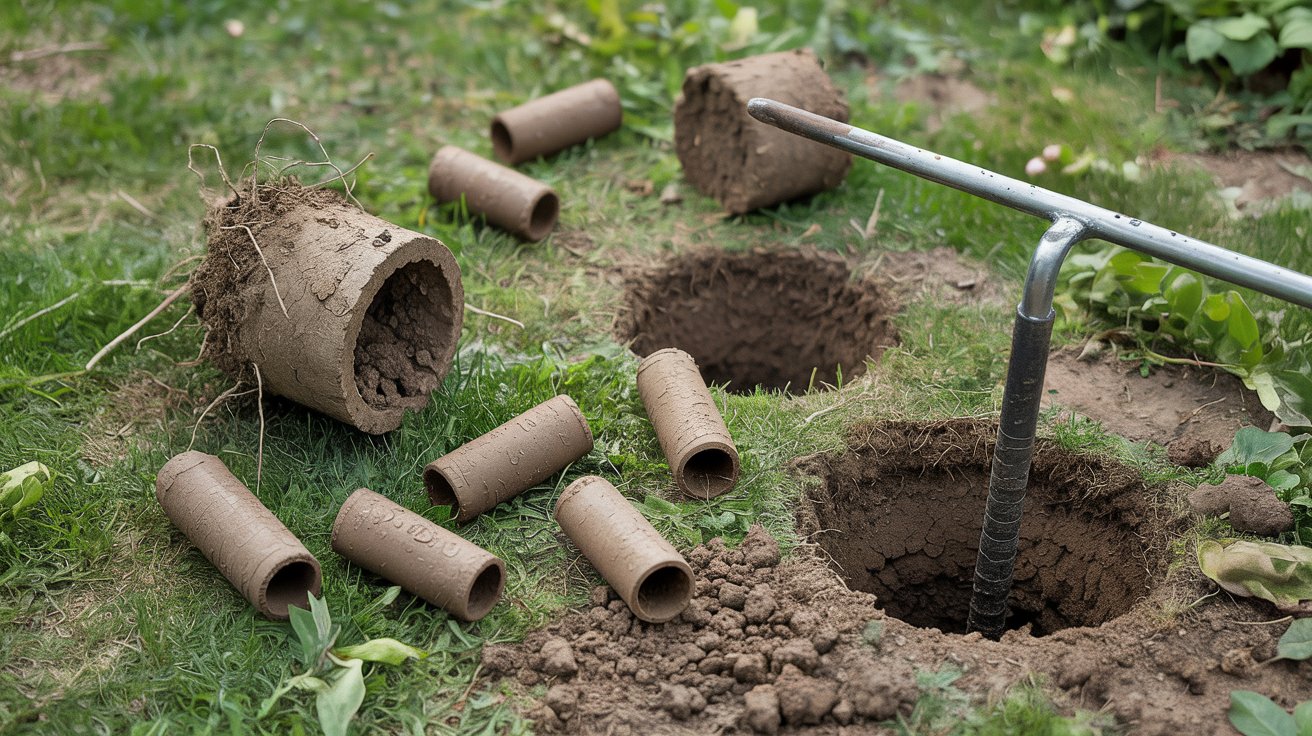
Aeration removes small plugs or punches holes into compacted soil, restoring airflow and water movement to grass roots. Core aeration outperforms spike aeration for most lawns.
Time it for active grass growth, and follow up with overseeding or topdressing for best results.
Why Soil Compaction Damages Grass?
Grass roots need more than just moisture to survive - they need oxygen. Soil compaction squeezes out the air pockets between soil particles, forcing roots to stay shallow where they're vulnerable to heat and drought.
Remember it later
Planning to try this recipe soon? Save it for a quick find later!
Foot traffic, heavy clay soil, and even routine mowing gradually compact the top 2-4 inches where most root activity happens.
A simple way to check compaction: push a screwdriver into the lawn without using force. If it stops at 2-3 inches, your soil is too dense.
If it slides in easily to 6 inches, you're probably fine for now.
- Thatch buildup: A layer of thatch thicker than half an inch blocks water and fertilizer from reaching the soil - dethatching vs aerating addresses different problems, though the two are often done together.
- Puddles after rain: Water pooling on a lawn that isn't obviously low-lying usually means the soil can't absorb it fast enough.
- Thin or bare patches: Compacted soil limits root spread, so grass struggles to fill in gaps even when seed is available.
- High-clay content: Clay soils compact far more easily than sandy ones, and lawns in humid regions often need annual aeration just to stay functional.
Even well-maintained lawns in high-traffic areas — kids playing, dog runs, regular foot paths — typically need aeration every year. Low-traffic lawns on sandy soil may only need it every 2–3 years.
Core Aeration vs Spike Aeration
Not all aeration is equal. The method you choose determines how much relief compacted soil actually gets.
Core aeration pulls out small cylinders of soil (usually half an inch wide and 2-3 inches deep), while spike aeration simply pokes holes without removing material.
Spike aerators compress soil sideways as they penetrate, which can actually increase compaction around the hole. For most homeowners dealing with real compaction, core aeration is the only method worth doing.
Spike rollers work as a very light maintenance tool on already-healthy, sandy-soil lawns - nothing more.
Gas-powered core aerators are available at most equipment rental shops. For lawns under 5,000 square feet, a tow-behind model attached to a riding mower works well.
Larger properties benefit from a self-propelled walk-behind unit, which gives you more control over pass density.
When to Aerate Based on Your Grass Type?
Timing matters almost as much as technique. Aerating during a grass's active growth phase lets it recover quickly and fill in the holes.
Aerating at the wrong time stresses turf when it's least able to bounce back. Knowing your specific grass species is the starting point for getting the timing right.
- Cool-season grasses (Festuca, Poa pratensis, Lolium perenne): Aerate in early fall, ideally late August through October. Growth is vigorous then, and fall overseeding pairs perfectly with aeration holes.
- Warm-season grasses (Cynodon dactylon, Zoysia japonica): Aerate in late spring through early summer, once soil temps hit 65-70°F and the grass is fully out of dormancy.
- Transition zone lawns: If you're in zones 6-7 running a mix of bluegrass or fescue blends, stick to the cool-season schedule - early fall gives the longest recovery window before winter.
In USDA zones 8–10, warm-season grasses like bermudagrass and zoysiagrass can be aerated from May through July. Avoid aerating within 4–6 weeks of the first expected frost, or the open holes can invite winter damage.
How to Aerate Your Lawn: Step by Step?
The actual aeration process is straightforward, but preparation and follow-up work make the difference between decent results and a noticeably healthier lawn. Plan for the process to take 2-4 hours for an average 5,000 square foot yard, not counting any follow-up topdressing.
Rent a core aerator with hollow tines at least half an inch in diameter. Narrower tines exist but produce smaller holes that close faster — you get less benefit per pass.
What to Do Right After Aerating?
Aeration creates the best window your lawn will have all year to absorb amendments, establish seed, and build deeper roots. Skipping the follow-up steps wastes most of that opportunity.
If you're also planning to overseed thin areas, do it within 24-48 hours of aerating. Seed dropped into aeration holes germinates at a significantly higher rate than seed broadcast onto solid turf.
Keeping the area consistently moist for the first 2-3 weeks is critical - the holes dry out faster than you'd expect.
- Topdress with screened compost: A thin layer raked across the surface fills the holes and introduces organic matter. This is the fastest way to improve clay soil long-term without a complete renovation.
- Hold off on herbicides: Pre-emergent and post-emergent weed killers applied right after aeration can harm germinating grass seed and interfere with soil recovery. Wait at least 4 weeks if possible.
- Reduce foot traffic for 2 weeks: Freshly aerated soil is more vulnerable to re-compaction until the holes close and roots fill back in.
- Resume normal mowing after 2 weeks: Understanding the right mowing height for your grass type keeps stress low while the lawn recovers.
4 Aeration Mistakes That Undercut Your Results
Most aeration problems come from skipping a step or misreading the timing. These are the errors that show up most often - and each one is easy to avoid once you know what to watch for.
- Aerating dry soil: Hard, dry ground stops tines at 1 inch instead of 3. You get surface scratches instead of meaningful decompression. Always pre-water 24-48 hours ahead.
- Only making one pass: A single pass at 6-inch spacing creates around 8 holes per square foot. A cross-hatch pattern doubles that density, which is the threshold where compaction relief becomes significant on heavy clay soils.
- Wrong timing for the grass type: Aerating warm-season grasses like bermuda or zoysia in early fall stresses them heading into dormancy. Cool-season timing rules don't transfer to warm-season turf.
- Skipping follow-up amendments: Aeration alone opens the door but doesn't improve the soil itself. Without compost topdressing or fertilizer, the holes close in 3-4 weeks and compaction rebuilds almost as fast as before.
Never aerate a lawn that was seeded less than 12 months ago. Young turf hasn't developed enough root depth to recover from core removal — wait until the lawn has gone through at least one full growing season.
Choosing Between DIY and Professional Aeration
Renting a core aerator runs $75-$100 per day at most equipment centers, which covers the average suburban lot with time to spare. Professional lawn care services typically charge $100-$250 for aeration depending on lawn size, sometimes bundled with overseeding.
DIY makes sense for most homeowners with standard rectangular lots. The rental equipment is simple to operate, and you control the pass count and follow-up timing.
Irregular terrain, slopes over 15 degrees, or lawns with complex irrigation layouts are better suited to a professional - the risk of equipment damage goes up significantly on tricky ground.
- DIY cost: $75-$100 rental + $15-$30 for compost topdress material = under $130 total for most lots.
- Professional service: $100-$250 aeration only; $200-$400 if bundled with overseeding and topdress.
- Frequency savings: Doing it yourself annually costs less over 5 years than hiring out every other year for most lots over 3,000 square feet.
For homeowners weighing long-term turf investment, it's worth comparing real grass vs artificial options - maintenance costs like annual aeration factor into that equation more than most people expect.
Building Aeration Into Your Annual Lawn Calendar
A single aeration is a fix. Annual aeration is a system.
Lawns that get consistent core aeration every year develop noticeably deeper root systems, drain better, and need less supplemental water to stay green through dry stretches.
The simplest approach: anchor aeration to the same task each year. For cool-season lawns, do it when you seed in fall.
For warm-season turf, tie it to your first summer fertilizer application. Pairing tasks makes it harder to skip and ensures you always catch the best timing window without checking a calendar.
Good overall lawn care habits - consistent mowing height, proper watering depth, and annual aeration - do more for turf health than any single product or treatment. Aeration is the one step that makes everything else work better.

Frequently Asked Questions
Most lawns benefit from aeration once per year, but heavily compacted clay soils or high-traffic areas may need two sessions annually — one in early fall and one in late spring.
Yes — aerating immediately before overseeding increases germination rates significantly, because seed falls into the 2–3 inch holes and makes direct contact with moist soil rather than sitting on thatch.
Wait at least 12 months after seeding before aerating — new turf roots aren't deep enough to handle core removal, and the disruption can pull up young plants that haven't fully anchored yet.
Dethatching removes the built-up layer of dead organic matter above the soil surface, while aeration addresses compaction below it — both jobs are real, but they require different tools and solve different problems.
Aeration holes typically close within 3–4 weeks as grass roots expand and soil swells back — topdressing with screened compost right after aerating slows that closure and extends the soil improvement window.
Pin it for your next how to aerate your lawn and why it matters project.