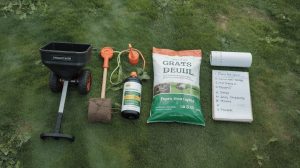
A thin, patchy lawn rarely fixes itself. Bare spots expand, weeds move in, and the grass that remains gets weaker each season.
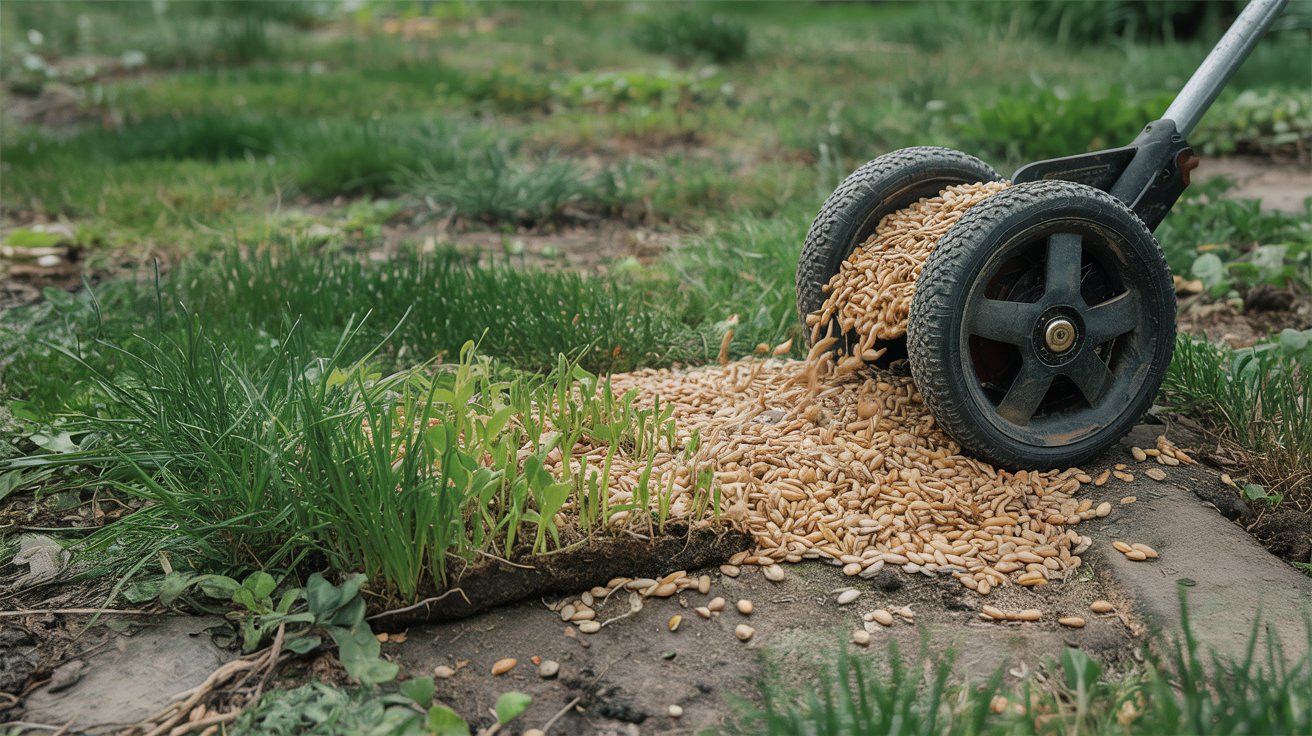
Overseeding - spreading new grass seed over existing turf - is the most cost-effective way to restore density without ripping everything out and starting over.
Overseeding fills thin turf by introducing new grass seed directly into existing lawn. Success depends on timing, soil prep, correct seed rate, and consistent moisture during germination.
Most lawns show meaningful improvement within 3-4 weeks when the process is done right.
Choosing the Right Seed for Your Lawn
Seed selection matters more than most people expect. Throwing down the wrong grass type means spending time and money on plants that won't survive your climate, soil, or shade conditions.
Remember it later
Planning to try this recipe soon? Save it for a quick find later!
Match your seed to your region first. Cool-season grasses like tall fescue and Kentucky bluegrass perform best in zones 3-7, while warm-season types like bermuda and zoysia suit zones 7-10.
You can identify your grass type before buying seed to avoid introducing an incompatible species into your lawn.
- Tall Fescue: Deep-rooted and drought-tolerant, handles heavy foot traffic well - a reliable choice for transition zones.
- Kentucky Bluegrass: Self-repairs through rhizomes, but needs full sun and consistent moisture to germinate evenly.
- Perennial Ryegrass: Germinates in 5-7 days, the fastest of the cool-season bunch - good for filling gaps quickly.
- Bermudagrass: Spreads aggressively once established and handles heat well, though it goes dormant in cool winters.
- Fine Fescue: Tolerates shade better than most grasses and needs minimal fertilizer compared to bluegrass blends.
When comparing options for drier climates, drought-resistant varieties reduce long-term water demand significantly. Buy seed with a germination rate above 85% - check the label's test date, and avoid bags tested more than 12 months ago.
Blend varieties for better resilience. A mix of 80% tall fescue and 20% Kentucky bluegrass gives you deep roots plus natural spreading — useful in high-traffic lawns.
Preparing the Lawn Before You Spread a Single Seed
Seed dropped onto unprepared turf has a low survival rate. Germination requires soil contact, not contact with a thatch layer or dry clippings.
Preparation is where most overseeding results are actually won or lost.
Start by mowing your lawn shorter than usual - drop to about 1.5 to 2 inches and bag the clippings. This exposes the soil surface and reduces competition from existing grass during germination.
For guidance on the mechanics of this step, cutting at the right height makes a measurable difference in how much light new seedlings receive.
- Dethatch first: If thatch exceeds 0.5 inches, run a dethatching rake or power dethatcher to clear the organic barrier between seed and soil.
- Core aerate: Pull 2-3 inch soil plugs across the entire lawn to relieve compaction - seed falling into aeration holes has 3x better germination contact than seed on hard surface.
- Test soil pH: Grass seed germinates poorly outside a pH range of 6.0-7.0. A basic soil test kit costs under $15 and tells you whether to add lime or sulfur before seeding.
- Rake bare patches: Scratch the top 0.25 inches of bare spots with a garden rake to loosen the surface before applying seed.
In zones 3-5, complete prep work by early September — soil temperatures below 50°F stall germination entirely. In zones 8-10, warm-season overseeding works best when soil temperatures stay above 65°F, typically April through May.

Step-by-Step Overseeding Process
Once the lawn is prepped, the actual seeding goes quickly. A calibrated spreader and a clear pattern make the difference between even coverage and a lawn with visible stripes of thin growth.
Seed Rate: How Much Is Actually Enough?
Under-seeding is the single most common reason overseeding fails to produce thick coverage. People apply half the necessary seed, see thin results, and assume the process doesn't work.
Seed rate varies by grass species and lawn condition. A lawn with moderate thinning needs less seed than a lawn with 40% bare soil.
Comparing options for your specific grass before buying helps avoid both waste and shortage - you can compare ryegrass and fescue rates since they differ significantly in seed size and recommended application density.
| Grass Type | Thin Lawn | Heavily Bare |
|---|---|---|
| Tall Fescue | 4-6 lbs | 6-8 lbs |
| Kentucky Bluegrass | 1-2 lbs | 2-3 lbs |
| Perennial Ryegrass | 4-6 lbs | 6-9 lbs |
| Bermudagrass (hulled) | 1-2 lbs | 2-3 lbs |
| Fine Fescue | 3-4 lbs | 4-6 lbs |
For a full year-round lawn care timeline, overseeding typically slots in as the anchor task of early fall or late spring - the season when soil temperatures consistently hit the germination window for your grass type.

Mistakes That Kill New Seedlings Before They Establish
Even correctly seeded lawns can fail when a few critical errors happen in the two weeks after spreading. These are the most common, and each has a clear fix.
- Applying pre-emergent herbicide before seeding: Pre-emergents stop ALL seed germination, not just weeds. If you used one in the past 8-10 weeks, new grass seed will not sprout - wait until the product has degraded before overseeding.
- Watering too infrequently in the first two weeks: Seed that dries out during germination dies at that stage and won't recover. Even one day of dry soil during the 5-14 day germination window can wipe out a full pass of seed.
- Seeding too late in the season: Cool-season seed sown after mid-October in zones 5-6 often germinates but doesn't establish roots before frost. The seedlings die over winter. Target 6 full weeks before your first expected frost date.
- Spreading seed without reducing existing grass height: Tall surrounding grass shades out new seedlings fast. Germinating grass needs 6+ hours of direct light - prep mowing isn't optional.
Don't apply a crabgrass preventer in spring if you plan to overseed that same season. Most pre-emergents create a chemical barrier that blocks germination for 8-12 weeks — fall overseeding is a safer window for lawns that need annual weed control.
Aerating and Overseeding on the Same Day
Combining core aeration with overseeding is the most efficient prep approach, and it produces better germination than either technique alone. The aeration holes act as seed pockets - protected from foot traffic, moisture-retentive, and in direct contact with loose soil.
Leave the soil plugs on the surface. They break down within 1-2 weeks and add organic matter back into your lawn.
Spreading seed before the plugs dissolve is fine - seed falls between them naturally. This pairing is especially effective for lawns with heavy clay compaction, where surface seed-to-soil contact is otherwise difficult to achieve.
- Rent a core aerator: Walk-behind aerators rent for $60-80 per half-day - most hardware stores carry them. Make two passes in perpendicular directions for maximum plug density.
- Aerate when soil is moist: Dry, rock-hard soil resists tines. Water your lawn 24 hours before aerating so tines penetrate 2-3 inches cleanly.
- Overseed within 48 hours of aerating: The open channels dry out quickly in warm weather. Spread seed the same day or the morning after for best results.
For lawns so damaged that overseeding seems inadequate, understanding whether sod versus seeding makes more sense depends largely on timeline and budget. Overseeding costs $0.05-0.15 per square foot; sodding runs $0.50-0.80 per square foot installed.
Once your overseeded lawn establishes, the maintenance routine changes. Using a slow-release fertilizer at 6-8 weeks after germination supports root depth without pushing excessive top growth too early in the season.
Overseeding doesn't replace bare patches well when soil pH is off. A pH below 5.8 causes nutrient lockout even if you've applied starter fertilizer — new seedlings yellow and stall. Lime takes 2-3 months to shift pH, so test before you seed, not after.
After Germination: Keeping New Growth Alive Through the First Season
New grass is fragile for its first 6-8 weeks. The seedlings have shallow root systems and can't compete with established turf or weeds without some help from you.
Stay off the lawn as much as possible during the first three weeks. Foot traffic on newly germinated seedlings compacts the soil around undeveloped roots.
If you have dogs or kids, temporary fencing around newly seeded areas pays off.
- Fertilize at week 6-8: Apply a balanced fertilizer (like 16-6-8) once new grass has been mowed twice - this feeds the establishing root system without burning young growth.
- Handle weeds manually early on: Broadleaf weed killers damage young grass seedlings. Hand-pull weeds in the first 8 weeks rather than spraying.
- Watch for washout: On slopes, heavy rain can shift seed before it germinates. A light topdressing of compost (0.25 inch) after seeding helps hold seed in place.
Warm-season lawns like bermuda and zoysia benefit from a different establishment path. For a detailed breakdown of how those two species compare in recovery speed and drought recovery, bermuda versus zoysia establishment timelines differ by about 3-4 weeks under the same watering regimen.
For homeowners who've struggled repeatedly with thin coverage and want to understand the full scope of what a healthy lawn requires, lawn care fundamentals cover everything from soil prep to seasonal timing in one place.
Overseeding works best as part of a consistent annual routine, not a one-time fix.
If results after overseeding still disappoint despite correct timing and seed rate, the problem is usually soil - not seed. Compaction, pH, or drainage issues keep new grass from ever developing the root depth it needs to survive summer heat or competition.
Address those before overseeding again, not alongside it. Wondering whether laying sod instead makes more sense is a legitimate question when soil problems are severe enough that seed establishment consistently fails.
Frequently Asked Questions
Cool-season grasses like tall fescue and Kentucky bluegrass germinate best when soil temperatures are 50-65°F, which typically means late August through mid-September in zones 5-7. Warm-season grasses like bermuda should be overseeded in late spring when soil temps stay above 65°F.
Tall fescue needs 4-6 lbs per 1,000 sq ft on thin lawns and 6-8 lbs on heavily bare areas. Kentucky bluegrass uses far less — 1-2 lbs for thin coverage — because of its small seed size and spreading growth habit.
Yes — aerating before overseeding significantly improves germination rates because seed falls into soil plugs holes rather than sitting on compacted surface. Spread seed within 48 hours of aerating before the channels dry out.
Perennial ryegrass germinates fastest at 5-7 days; tall fescue takes 7-12 days; Kentucky bluegrass is the slowest at 14-21 days under ideal soil temperatures of 50-65°F with consistent moisture.
Topsoil isn't required, but a thin 0.25-inch layer of compost improves germination in bare spots by retaining moisture and improving seed-to-soil contact — especially helpful on compacted clay or sandy soils that drain too fast.
Pin it for your next how to overseed a lawn for thick coverage project.