Deadheading is one of the simplest things you can do to double your garden's output. When a flower fades, the plant shifts energy toward making seeds - and once that happens, new blooms slow down or stop entirely.
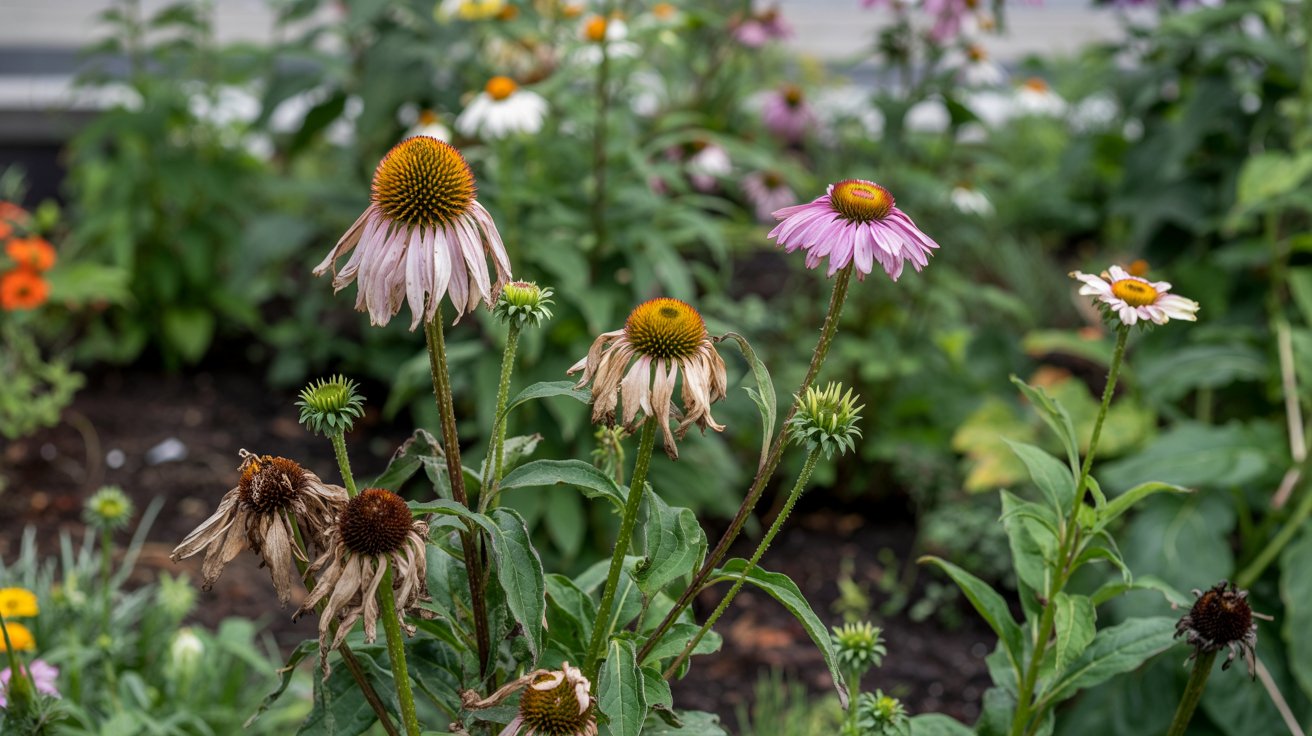
Removing spent flowers before seeds form redirects that energy back into fresh buds. The result is a longer, fuller bloom season from the same plants you already have.
Most gardeners skip deadheading because they're unsure where exactly to cut, or they worry about damaging the plant. Neither problem is hard to solve once you know a few plant-specific rules.
This guide covers the core process, the right tools, and how to handle late-season perennial bloomers and other tricky cases that come up in a real garden.
Deadheading removes spent blooms before seeds form, pushing plants to produce new flowers. Cut just above the first set of leaves or to a leaf node, using clean pruning shears or your fingers.
Works for annuals, perennials, and roses. Timing and cut point vary by plant type.
How to Deadhead Flowers: The Core Steps?
The process is the same whether you're working on petunias or coneflowers. Identify the spent bloom, find the right cut point, and remove it cleanly without disturbing nearby buds.
Remember it later
Planning to try this recipe soon? Save it for a quick find later!
According to Penn State Extension, if a bloom sits on a bare stalk, cut the stalk back to the base. If foliage grows along the stalk, cut just above the first set of healthy leaves - that node is where new growth will emerge.
Work through the entire plant before moving on. It's easy to miss faded blooms hiding under fresh ones, and skipping them means seeds start forming while you're focused elsewhere.
Check your flowering plants and garden techniques regularly - once every five to seven days is the right cadence during peak bloom season.
Tools, Timing, and Quick Reference
Your tool choice depends on stem thickness. Soft annual stems need nothing more than clean fingernails.
Woody rose stems need bypass pruners, not the anvil type - anvil pruners crush the stem rather than slicing it, which slows healing.
Timing matters almost as much as technique. South Dakota State Extension confirms that deadheading is most effective when done consistently, so building it into a morning routine helps you stay ahead of seed formation.
Avoid working on wet foliage, which spreads disease, and skip the midday heat when plants are already stressed.
| Situation | Best Tool | Notes |
|---|---|---|
| Soft annual stems (marigold, petunia) | Fingers / pinching | Pinch above first leaf set; no tool needed |
| Medium perennial stalks (coneflower, salvia) | Hand pruners (bypass) | Cut at 45° above a leaf node |
| Woody rose canes | Bypass pruners or rose snips | Cut to an outward-facing bud |
| Large-volume beds (lavender, catmint) | Hedge shears | Shear back by one-third after main flush |
| Best time of day | Morning | After dew dries; avoids midday heat stress |
| Conditions to avoid | Wet or rainy days | Wet cuts spread fungal disease between plants |
Keep a small bottle of diluted bleach solution (1 part bleach to 9 parts water) in your garden trug. Wiping blades between species takes ten seconds and prevents powdery mildew and black spot from jumping between plants.
If you're planning what to grow next season, looking at early-season planting options now helps you choose plants that reward consistent deadheading.

Plant-Type Quick Guide
Deadheading isn't one-size-fits-all. The cut point, frequency, and expected result differ significantly between perennials, roses, and annuals.
Iowa State University Extension notes that many perennials rebloom when spent flower stalks are fully removed - but only if you cut to the right point. Leave the stalk too long and it looks messy without triggering new growth.
Cut too deep and you remove the emerging side shoots that would have flowered next.
| Plant Type | Where to Cut | Expected Result | Watch Out For |
|---|---|---|---|
| Perennials (coneflower, black-eyed Susan, salvia) | To first healthy leaf or side shoot on stalk | Second or third flush of blooms in the same season | Some varieties only bloom once — check before cutting all stalks |
| Roses (hybrid tea, floribunda) | To an outward-facing bud above a 5-leaflet leaf | New flowering cane within 4-6 weeks | Don't cut below the first 5-leaflet leaf or you lose flowering wood |
| Annuals (marigold, zinnia, petunia) | Just above the first set of leaves below the bloom | Continuous bloom all season if done weekly | Missing spent blooms lets seeds form and slows the whole plant |
| Biennials (foxglove, hollyhock) | Remove main spike after bloom; leave side shoots | Side shoot blooms extend the season | Removing all stalks stops reseeding, which biennials need to return |
Roses deserve special attention. ISU's yard and garden guide on ornamentals and roses deadheading confirms that cutting prevents seed formation and directly encourages rebloom - but only when you find that five-leaflet leaf and cut to the bud above it.
Our full walkthrough on rose stem cutting technique goes deeper if you're working with climbing or shrub varieties.
For annuals, the payoff is nearly immediate. Zinnias and marigolds can push new buds within a week of deadheading, especially in warm weather.
If you're building a cutting-focused bed, comparing high-yield cutting garden plants will help you select varieties that rebloom fastest. Purple-flowering perennials like salvia and catmint are among the best responders - see which purple garden varieties rebloom most reliably.
White-flowering annuals like alyssum benefit from a hard shear rather than individual deadheading. White-blooming plant options often include low-growing spreaders where stem-by-stem removal isn't practical.
Shear the whole plant back by half, water well, and new blooms appear in two to three weeks.
Seasonal Tips and Tough Cases
Hot, dry spells slow rebloom even after perfect deadheading. When temperatures push above 90°F, many plants pause flowering regardless of how well you cut.
Missouri Extension notes that light shearing or partial cuts can coax rebloom in heat-stressed plants better than deep cuts, which demand more energy from an already-stressed root system.
Mixed containers need a quick scan every three to four days in summer. One seeding plant in a pot can slow every other plant in that container by shifting the soil's hormonal balance toward reproduction and away from flowering.
In late summer, stop deadheading plants like black-eyed Susan and coneflower. Leaving seed heads standing feeds birds through fall and winter, and according to SDSU Extension guidance, it also allows natural reseeding for next year's display.
Woody-stemmed perennials like Russian sage or agastache don't respond well to pinching. Use bypass pruners and cut to a visible side shoot - avoid cutting into old wood with no green growth below the cut.
If you want longer-blooming results starting in spring, selecting plants that respond to deadheading from the start of the season gives you the most weeks of color.
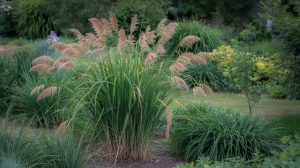
Some plants should never be deadheaded at all. Skip it on plants grown for their seed heads - ornamental grasses, nigella, and lunaria all offer better value left intact.
Blue-flowering species like love-in-a-mist fall into this category; their seed pods are as decorative as the flowers. Sunflower seed production is another case where skipping deadheading is the right call - unless you want side-shoot blooms on branching varieties.

Frequently Asked Questions
Deadheading removes only spent blooms to trigger rebloom. Pruning shapes the plant's overall structure, removes diseased wood, or controls size — it goes much deeper into the plant.
Every five to seven days during peak bloom season. Fast-blooming perennials like salvia can set seed quickly, so shorter intervals produce noticeably more flowers.
No. Roses require cutting to an outward-facing bud above a five-leaflet leaf. Cutting too shallow or too deep removes flowering wood and delays the next bloom cycle by weeks.
Only if you cut too close to an emerging bud or side shoot. Stay ¼ inch above the node and avoid cutting into any green growth that hasn't opened yet.
Functionally yes for soft-stemmed annuals. Pinching uses your fingers instead of a tool, and works best on marigolds, petunias, and zinnias where stems are thin enough to snap cleanly.
Pin it for your next how to deadhead flowers for more blooms project.