A few weekends of focused work in early spring can make or break your entire growing season. Get the soil right, plant at the right time, and the garden practically runs itself through summer.
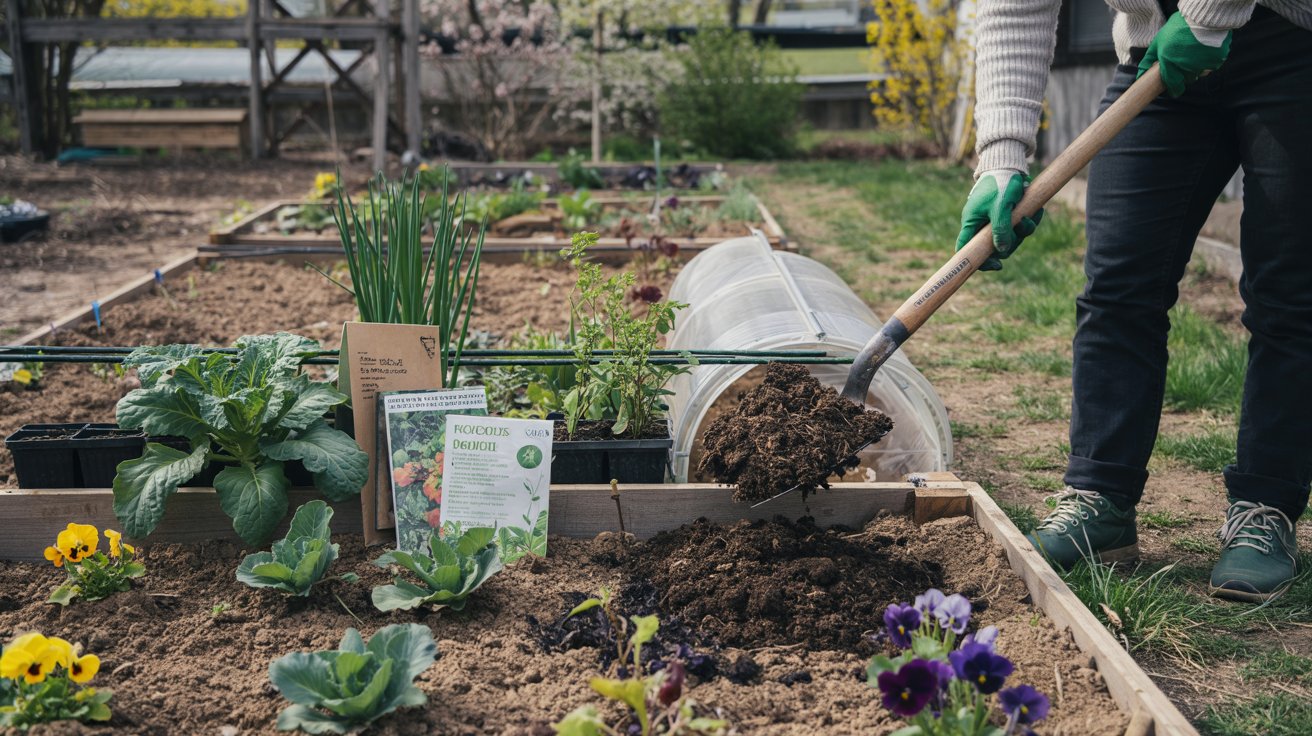
Spring garden prep comes down to three things: soil health, timing, and knowing which plants can go in the ground first. Miss any one of them and you're playing catch-up for months.
According to UC ANR soil prep guidance, you should start soil preparation at least three weeks before planting - which means late winter is the real starting line, not the first warm day in March.
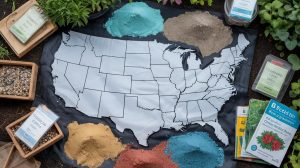
Whether you're growing vegetables, herbs, or cutting flowers, the plan is the same: assess your beds, feed your soil, choose the right seeds for your zone, and time your first plantings around your last frost date.
Our seasonal gardening guides walk through each part of that cycle in detail.
This guide covers soil prep first, then seed starting and early direct-sow crops, then a flexible strategy for unpredictable spring weather.
Good spring garden prep starts 3-4 weeks before your last frost date. Focus on soil testing, compost amendment, and timed first plantings to get the most out of your early growing window.
Check your local hardiness zone before buying seeds. Your last frost date drives every timing decision in spring garden prep.
Soil Preparation in Spring
Soil is where every garden success or failure starts.
Remember it later
Planning to try this recipe soon? Save it for a quick find later!
Before you add a single seed, you need to know what you're working with - and Ohio State Extension spring prep recommends a full soil test as your first step, adjusting lime and fertilizer based on the results.
A basic soil test costs $15-$25 through most state extension services and tells you pH, nitrogen, phosphorus, and potassium levels. That information prevents you from guessing - and over-fertilizing is a real problem that burns roots and wastes money.
| Step | Task | Timing |
|---|---|---|
| 1 | Clear debris and dead plant material | As soon as beds are accessible |
| 2 | Send soil sample to extension lab | 4–6 weeks before last frost |
| 3 | Apply lime if pH is below 6.0 | 2–4 weeks before planting |
| 4 | Incorporate 2–3 inches of compost | 2–3 weeks before planting |
| 5 | Edge beds and add mulch paths | 1 week before planting |
Most vegetables prefer a pH between 6.0 and 7.0. If your soil tests acidic, ground limestone brings it up slowly - plan for at least two weeks before planting so it has time to work.
Per UGA Extension's spring guidance, amending soil before planting - not after - is what separates productive beds from struggling ones.
Compost is the single best amendment for almost any soil type. Sandy soil?
It adds water retention. Clay?
It improves drainage. Work 2-3 inches into the top 8-10 inches of your bed using a fork or tiller.
- Aged manure: Adds nitrogen fast. Use only fully composted manure - fresh manure burns plants and can carry pathogens.
- Worm castings: Excellent for seed-starting mix or top-dressing transplants. More expensive, but potent in small amounts.
- Mulch: Apply 2 inches over bare soil after planting to hold moisture and suppress weeds. Keep it off direct stem contact.
Don't work soil when it's waterlogged. Squeeze a handful - if it crumbles when you open your fist, it's ready.
If it stays in a muddy ball, wait another few days or you'll damage the soil structure you just worked to build.
Raised beds dry out and warm up faster than in-ground beds, so they're often ready to work 2–3 weeks earlier in spring. If you're still waiting on ground soil, a raised bed can get your season started ahead of schedule.
Seeds, Seed Starting, and Early Plantings
Knowing what to plant - and when - is where most first-time gardeners lose time. A vegetable planting calendar tied to your last frost date is the clearest way to map this out before seed catalogs arrive.
Cold-tolerant crops go in first. Crops like lettuce, peas, spinach, kale, and radishes can handle light frost and germinate in soil as cool as 40°F.
Warm-season crops like tomatoes and peppers need soil above 60°F and must wait until after your last frost.
Choosing the right variety for your zone matters as much as timing. A tomato bred for short-season climates (like 'Stupice' or 'Siletz') will outperform a long-season variety in Zone 5 every time.
Seed catalogs list days to maturity - compare that number to your frost-free growing window before buying.
For indoor seed starting, starting seeds indoors correctly means consistent moisture, bottom heat around 70-75°F, and light as soon as germination happens. A cheap heating mat pays for itself in germination rates.
If you're in a warmer zone, your early spring planting window opens sooner. Zones 8-10 can direct-sow warm-season crops in February or early March.
Zones 3-5 may still be direct-sowing cold crops in May. Our April planting breakdown covers the overlap period when both cold and warm-season crops can coexist in the same bed.
- Peas: Direct-sow 4-6 weeks before last frost. They stop producing once temps hit 80°F, so early planting maximizes yield.
- Lettuce: Tolerates frost down to 28°F with row cover protection. Can be sown every 2 weeks for continuous harvest.
- Spinach: Germinates in soil as cold as 35°F. In Zones 6+, it can even overwinter with light mulch coverage.
- Kale: Frost actually improves flavor by converting starches to sugars. Plant 3-4 weeks before last frost.
Gardeners in Zones 3–4 can check cold-month planting options to plan indoor seed starting before outdoor conditions allow any soil work. In Zone 7+, some of these "early" crops can go in as soon as February.
Weather Windows and Zone Tweaks
Spring weather rarely follows a schedule. A warm week in March can tempt you to plant everything - then a hard frost in April wipes it out.
The fix is a flexible micro-schedule built around your 10-day forecast, not just the calendar.
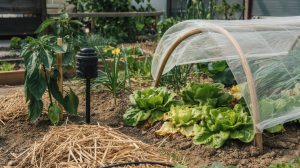
If a late frost warning hits after you've transplanted, cover plants with row cover fabric or even old bedsheets overnight. Most cold-tolerant crops survive a light frost (28-32°F) uncovered.
Below 28°F, cover everything except established kale and spinach.
In Zones 5–6, the last frost date swings by 2–3 weeks year to year. Rather than planting on a fixed date, watch soil temperature — a $10 soil thermometer is more reliable than any calendar. The USU spring checklist recommends tracking both air and soil temps before committing to planting.
Warm spells are an opportunity, not a trap - if soil temps hit 50°F for three consecutive days, cold-tolerant crops are safe to go in. For warm-season crops, hold until that number reaches 60°F for five days straight.
If a hard frost does hit after warm-season planting, pull losses early and replant - most summer crops have enough season left to recover if you act within a week.
Use the shoulder seasons wisely. A late-winter warm spell is perfect for early lawn and bed prep that reduces your workload when planting season actually arrives.
And if you want to get a head start on fall planning while spring is underway, our garden winterizing guide shows what to document now so next year's prep is faster.
Zone 7 and warmer gardeners can also start a second round of cool-season crops in late February, letting them mature before summer heat sets in. Check February planting specifics for what works by region.
Frequently Asked Questions
Start soil prep 3–4 weeks before your last frost date. For most of the U.S., that means working beds in late February through early April depending on your zone.
Yes. A soil test costs $15–$25 and prevents over-fertilizing. Without it, you're guessing on pH and nutrients, which leads to poor germination and stunted growth.
Peas, lettuce, spinach, kale, and radishes all tolerate frost and can go in 4–6 weeks before your last frost date, as soon as soil is workable.
Lettuce survives frost down to 28°F with row cover protection. In Zone 6, that often means direct-sowing as early as late March or even earlier in mild years.
Soil test, compost amendment, debris cleanup, seed ordering by zone, indoor seed starting for warm-season crops, and a planting schedule tied to your last frost date.
Pin it for your next how to prepare your garden for spring project.