FreshNestly
  • Lawn Care
  • Garden Plants
  • Backyard
  • Pests
  • Seasonal
  • Subscribe
  • Skip to primary navigation
  • Skip to main content
  • Lawn Care
  • Garden Plants
  • Backyard
  • Pests
  • Seasonal
  • Subscribe

FreshNestly

menu icon
go to homepage
  • Lawn Care
  • Garden Plants
  • Backyard
  • Pests
  • Seasonal
  • Subscribe
subscribe
search icon
Homepage link
  • Lawn Care
  • Garden Plants
  • Backyard
  • Pests
  • Seasonal
  • Subscribe
×
Home - Wildlife & Birds

Latest Updated: Mar 16, 2026 by Fresh Admin

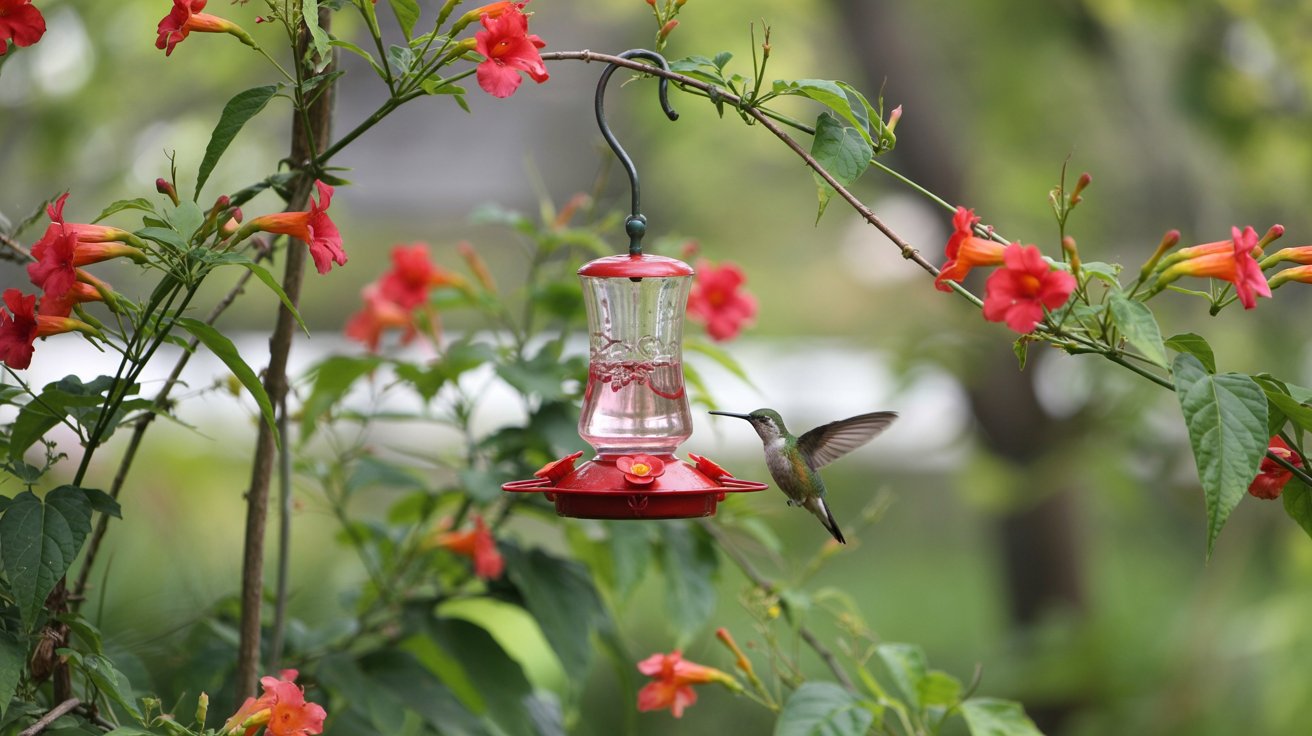
How to Attract Hummingbirds: Red Feeders, Trumpet Flowers

Hummingbirds can appear at your yard within days of putting out a feeder - if the setup is right. Most people either skip the natural plant layer or use the wrong nectar, and the birds simply move on.
How to Attract Hummingbirds: Red Feeders, Trumpet Flowers

Getting both pieces working together is what turns occasional flyovers into regular visits.

The plan here covers four core actions: make safe nectar, position feeders correctly, plant native tubular flowers, and keep a simple maintenance schedule. Each step builds on the last.

Timing matters. Peak migration windows vary by region - ruby-throated hummingbirds arrive in the Southeast as early as late February, while western species like Anna's hummingbirds are year-round residents in coastal California.

Most US gardeners should have feeders up by late March to early April.

This guide is built around the hummingbird migration cycle, so you know what to do each month rather than guessing. Follow the steps in order and you can realistically expect first sightings within 1-3 weeks of setup in active migration zones.

Quick Summary

Attract hummingbirds by combining a 1:4 sugar-water nectar recipe, correctly placed feeders, and native tubular flowers timed to bloom from spring through fall. Skip red dye, clean feeders every 2–3 days in heat, and have plants in the ground before migration peaks.

Nectar Ratio1 part sugar : 4 parts water
Feeder Height4–6 feet off ground
First Visit1–3 weeks after setup
Bottom LineFeeders bring them in fast; native plants keep them coming back all season.

Table of Contents

Toggle
  • Prepare Nectar: the Recipe That Works
  • Place and Maintain Feeders for Best Results
  • Garden Plan: Native Nectar Plants and Seasonal Timing
  • Seasonal Care Calendar and Quick Safety Rules
  • Frequently Asked Questions

Prepare Nectar: the Recipe That Works

Hummingbirds need a simple sugar solution that mimics flower nectar. The Cornell Lab nectar recipe is clear: use 1 part white granulated sugar to 4 parts water - nothing else.

Remember it later

Planning to try this recipe soon? Save it for a quick find later!

Honey ferments quickly and can cause fatal fungal infections; artificial sweeteners have no calories and will starve the birds.

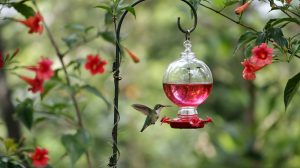
Red food dye is unnecessary and potentially harmful. Modern feeders already use red plastic parts to attract attention, so there is no reason to add color to the solution.

Measure your ratio
Use exactly 1 cup of plain white granulated sugar per 4 cups of water. Brown sugar, raw sugar, and honey all contain minerals or compounds that can harm hummingbirds.
Boil the water
Bring the water to a full boil before adding sugar. Boiling removes chlorine and kills bacteria and mold spores that would otherwise grow in the feeder.
Dissolve the sugar fully
Stir the sugar into the hot water until completely dissolved. Undissolved sugar can settle and encourage bacterial growth near feeder ports.
Cool before filling
Let the nectar reach room temperature before pouring it into the feeder. Hot nectar warps plastic feeders and accelerates spoilage once hung.
Store the surplus correctly
Extra nectar keeps in the refrigerator for up to two weeks in a sealed container. Label it with the date so you never use a batch that has been sitting too long.
Replace nectar on schedule
In temperatures above 80°F, replace nectar every 2 days. In cooler weather, every 4–5 days is fine. Cloudy or discolored nectar must be discarded immediately — mold is invisible early on.

A batch of nectar made with 4 cups of water costs under $0.05 to produce. There is no benefit to buying pre-made nectar solutions, and many commercial mixes include additives that serve marketing rather than birds.

Zone Note

In hot climates like the Southwest and Southeast, nectar can ferment in under 36 hours during summer. Check feeders daily in July and August and fill only what birds can drink in a day.

Place and Maintain Feeders for Best Results

Where you hang a feeder matters as much as what's in it. Hummingbirds are territorial and prefer feeders with clear sight lines - they want to spot approaching rivals and predators.

Hanging a feeder inside dense shrubs is a common mistake that keeps birds away rather than drawing them in.

If you're still choosing between models, compare your feeder options by port count before committing to a placement strategy, since bottle-style and saucer feeders have different cleaning needs.

Hang at the right height
Position feeders 4–6 feet off the ground — low enough to refill easily, high enough to stay out of cat reach. Avoid placing them directly against walls where predators can approach unseen.
Keep window distance in mind
Hang feeders either within 3 feet of a window or farther than 15 feet away. The danger zone is 3–15 feet: birds see the reflection and strike the glass at full speed.
Spread multiple feeders
If dominant males are chasing others away, hang a second feeder around the corner of the house out of sight. Hummingbirds can't guard two feeding stations they can't see simultaneously.
Clean ports every cleaning cycle
Use a small bottle brush and hot water — no soap — to scrub ports and the reservoir every time you change nectar. Black mold in ports is the leading cause of hummingbird illness from feeders.
Add an ant moat
Ants contaminate nectar quickly. A simple water-filled ant moat between the hook and feeder stops them without chemicals that could harm birds.
Supplement with plants near the feeder
As UF/IFAS extension research confirms, relying solely on feeders limits long-term attraction. Planting native flowers within 10 feet of the feeder ties the two food sources together in the bird's territory map.

A single feeder with 4-6 ports handles most residential traffic. More feeders equal more birds during peak migration weeks in May and August.
Butterfly Bush Care: Pruning, Growth, and Control
Garden Plants · See AlsoButterfly Bush Care: Pruning, Growth, and ControlButterfly bush earns its name honestly - few shrubs pull in more pollinators per square foot from midsummer...

Garden Plan: Native Nectar Plants and Seasonal Timing

Native tubular flowers give hummingbirds natural nectar, nesting habitat nearby, and insect prey - all in one planting. Audubon's native plant guidance emphasizes bright tubular flowers in red, orange, and pink as the most reliable attractors.

Think trumpet vine (Campsis radicans), cardinal flower (Lobelia cardinalis), bee balm (Monarda), and salvia species.

The goal is a staggered bloom sequence so nectar is available from April through October. No single plant blooms for six months, so you need three to four species with different peak windows.

Hummingbird Garden Activity Calendar
Jan
Feb
Mar
Apr
May
Jun
Jul
Aug
Sep
Oct
Nov
Dec

Prep / plant

Active visits

Peak migration

Plant early-spring bloomers first
Get columbine (Aquilegia) and native azalea in the ground by late March. These catch early migrants that arrive before most other flowers open.
Add midsummer workhorses
Bee balm and salvia bridge the gap from June through August. Plant bright red tubular species to maximize visibility for hummingbirds scanning the yard from above.
Extend into fall with late bloomers
Cardinal flower and native salvia keep blooming into September and October, feeding southbound migrants fueling up for the trip. Don't cut these back until after first frost.
Position plants close to feeders
Cluster flowering plants within 5–15 feet of your feeder so birds discover both resources during a single foraging pass. Isolated plantings in a far corner rarely get connected to feeder territory.

Hummingbirds also need insects for protein - up to 60% of their diet during breeding season is small insects and spiders. Native plants support the insect populations hummingbirds depend on; exotic ornamentals generally do not.

Seasonal Care Calendar and Quick Safety Rules

A month-by-month routine keeps your setup working without wasted effort. The Smithsonian hummingbird overview notes that nectar quality and habitat consistency are the two factors most predictive of return visits year after year.

Birds remember reliable food sources across migrations.

Your yard's summer upkeep routine should fold in feeder checks so they don't get skipped during busy months.

January–February: prep and order
Order native plant starts or seeds for spring planting. Clean and inspect feeders for cracked reservoirs or corroded ports before storage season ends. In mild zones (9–10), keep feeders up year-round.
March–April: deploy feeders
Hang feeders and fill with fresh nectar before the first expected migrants. Use historical migration maps from eBird or Journey North to estimate your local arrival date — typically 2 weeks before average last frost.
May–August: peak season protocol
Change nectar every 2 days in heat above 80°F, scrub ports at each change, and monitor for mold. Add a second feeder if one dominant male is blocking all access. This is also when plants need deadheading to extend blooms.
September–October: migration south
Keep feeders fully stocked through mid-October even if visits seem to slow. Late migrants need fuel, and leaving feeders up does not delay migration — that myth discourages a practice that genuinely helps birds.
November–December: winterize
Empty, clean, and dry feeders before storing in a cool, dry place. Cut back annuals, mulch perennial nectar plants, and note which spots received the most hummingbird activity for next year's plant placement.

Three non-negotiable safety rules: never use red dye, never use honey or brown sugar, and never let nectar sit more than 5 days regardless of temperature. These three mistakes account for most feeder-related bird illness.

Golden Rule

If the nectar looks cloudy, smells off, or has any visible particles, discard it and clean the feeder before refilling. Sick hummingbirds won't return — healthy ones will.

Pollinators like butterflies share many nectar plants with hummingbirds, so a garden designed for one often brings both. Pairing your hummingbird setup with a broader bird feeder strategy extends the wildlife value of the same yard space.

If squirrels become a problem around ground-level water features or feeders, a baffle-equipped feeder pole solves most of it without relocating everything.
Low Maintenance Plants Worth Planting (2026)
Garden Plants · See AlsoLow-Maintenance Plants: Easy Growers for Any YardMost gardens fail not from bad soil or bad luck, but from plants that demand constant attention their...

Frequently Asked Questions

Native tubular species work best regionally: trumpet honeysuckle in the East, penstemon in the West, and salvia across the South. All produce high-volume nectar in red or orange hues hummingbirds target.

Put feeders out 1–2 weeks before your region's average hummingbird arrival date. In the Southeast, that's late February; in the Midwest and Northeast, aim for early to mid-April.

Clean feeders every time you change nectar — every 2 days in heat above 80°F, every 4–5 days in cooler weather. Use a bottle brush and hot water; soap leaves residue that repels birds.

Yes, but it can take 1–3 weeks. Hanging red ribbon or a potted red flower near a new feeder speeds discovery significantly — hummingbirds scout red and orange objects instinctively during foraging routes.

Yes. Hummingbirds have strong site fidelity and typically return to the same reliable feeding locations year after year. Consistent nectar availability from early spring is the strongest trigger for repeat visits, per Smithsonian research.


Save This Guide

Pin it for your next how to attract hummingbirds to your yard project.
Related Guides
Backyard Design
DIY Fire Pit: Build One in an Afternoon
Read guide ->
Garden Plants
How to Grow Zucchini: Hand Pollination and Mildew Fixes
Read guide ->
Seasonal Guides
What to Plant in October: Garlic, Cover Crops, and Bulbs
Read guide ->

More Wildlife & Birds

  • Best Hummingbird Feeders: Glass, Easy-Clean, Ant-Proof
    Best Hummingbird Feeders: Glass, Easy-Clean, Ant-Proof
  • Best Bird Feeders: Tube, Platform, and Squirrel-Proof
    Best Bird Feeders: Tube, Platform, and Squirrel-Proof
  • How to Keep Squirrels Off Bird Feeders: Baffles and Tips
    How to Keep Squirrels Off Bird Feeders: Baffles and Tips
  • How to Attract Butterflies: Host Plants and Layout
    How to Attract Butterflies: Host Plants and Layout
FreshNestly

Practical guides for your garden, yard, and backyard. Clear answers, not jargon.

Guides
  • Lawn Care
  • Garden Plants
  • Backyard Design
  • Soil & Composting
  • Pests & Disease
More
  • Outdoor Living
  • Tools & Equipment
  • Wildlife & Birds
  • Seasonal Guides
About
  • About
  • Editorial Standards
  • Privacy Policy
  • Terms
  • Contact
© 2026 FreshNestly. All rights reserved.Some articles may include affiliate links. We may earn a commission at no extra cost to you.

Footer

↑ Back to Top

Forklift Kitchen

We do the heavy lifting so you can enjoy the cooking. Tested recipes, smart substitutes, and perfect pairings—built for real home cooks.

Content

  • Recipes
  • Substitutes
  • What to Serve With
  • Blog

Company

  • About Us
  • Contact
  • Subscribe

Legal

  • Privacy Policy
  • Terms of Service

As an Amazon Associate I earn from qualifying purchases.

© 2026 Forklift Kitchen.