Deer can strip a garden overnight, and once they find a reliable food source, they return on a schedule you can't predict.
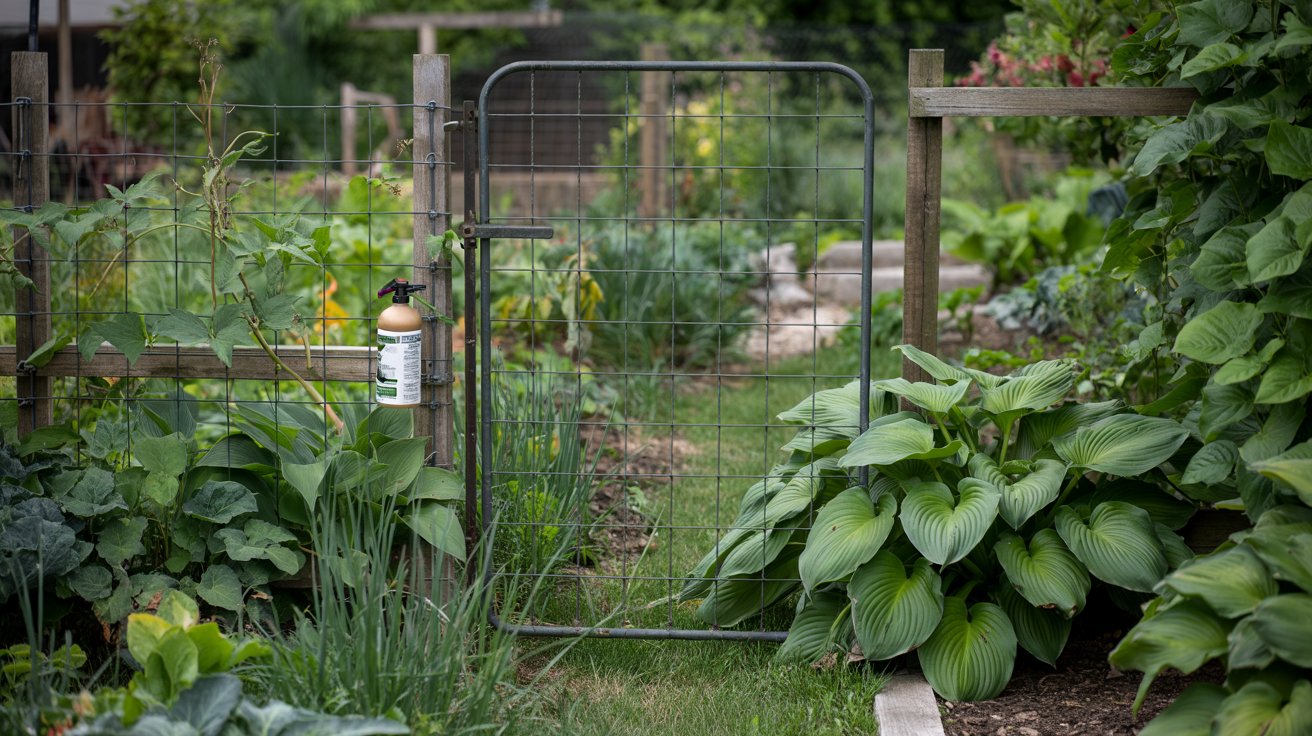
A single white-tailed deer (Odocoileus virginianus) eats 5 to 10 pounds of vegetation daily, which means even a modest herd can gut a vegetable patch before you notice the damage.
No single tactic stops deer completely in high-density areas. What works is layering methods: a physical barrier where your budget and property allow, repellents to cover gaps, and plant choices that reduce how attractive your garden looks in the first place.
Renters and seasonal gardeners aren't left out. Temporary fencing, motion-activated sprinklers, and container plantings all fit into a practical, low-commitment approach that doesn't require drilling into a landlord's fence posts.
UC IPM's deer management overview confirms what most experienced gardeners already know: combining deterrent types consistently outperforms any single method, especially where deer pressure is heavy year-round.
This guide walks through fencing, sprays, plant selection, and a seasonal maintenance routine so you can build a plan that fits your space, budget, and how much deer pressure you're actually dealing with.
Keeping deer out of a garden requires layered tactics: physical barriers, chemical repellents, motion deterrents, and deer-resistant plants. No single method is foolproof in high-density areas, but a consistent, rotating plan dramatically reduces damage across all seasons.
Fencing: Physical Barriers That Actually Work
A well-installed fence is the single most reliable deer deterrent available. Where it's permitted and budget allows, it removes the guesswork that comes with repellents alone.
Remember it later
Planning to try this recipe soon? Save it for a quick find later!
Oregon State University Extension's fence height research puts the minimum effective height at 8 feet for white-tailed and mule deer in most North American regions. Deer can clear a 6-foot fence on flat ground, especially when food pressure is high in late fall and winter.
NC Wildlife's deer exclusion guidance notes that electric fencing with a peanut-butter bait wire is another lower-cost option, training deer to associate the fence with a negative experience rather than blocking them outright.
This method works best as a supplement in areas with moderate deer pressure.
A 6-foot fence will stop some deer some of the time, but it's not reliable where populations are dense. In high-pressure suburban areas, invest in the full 8-foot height or use the angled alternative — anything shorter becomes a suggestion, not a barrier.
Polypropylene netting is a practical middle ground for protecting raised garden beds without the cost of a full perimeter fence. It's easy to install around individual beds and take down at the end of the season.
Deterrents, Sprays, and Timing
Repellents work by making your plants smell or taste bad enough that deer choose an easier meal elsewhere. They're not permanent solutions, but applied consistently, they significantly reduce damage - especially useful where fencing isn't an option.
MSU Extension's guide on discouraging deer breaks repellents into two categories: contact repellents applied directly to plant surfaces, and area repellents that work through strong-smelling materials placed around the perimeter. Both require rotation to prevent deer from habituating.
For renters, the spray-and-rotate system requires no permanent installation. Pair it with organic spray comparisons to understand how plant-based repellents interact with other pest control products you may already be using.
UC IPM cautions on repellent safety - avoid applying contact repellents to edible portions of food crops, and always follow label directions on food-safe use intervals.
Deer are most active at dusk and dawn. If you're seeing damage in the morning, the feeding likely happened between 4–6 AM. Timing motion-activated deterrents to those windows uses the battery more efficiently and delivers the startle effect when deer are actually present.
Managing deer is just one piece of broader garden pest control. Our pest and disease hub covers related problems like controlling invasive plants, which can create additional deer habitat near your property.

Deer-Resistant Plants and Landscape Design
"Deer-resistant" is not the same as deer-proof. In a hard winter with high population pressure, deer will eat almost anything.
What resistant plants do is make your garden a lower-priority target compared to your neighbor's more palatable landscape.
The general principle is simple: deer avoid plants that are strongly aromatic, have milky or bitter sap, are heavily textured or thorny, or are known to be toxic.
Browse deer-resistant species by region to narrow choices for your specific hardiness zone before finalizing your plant list.
| Category | Plant | Why Deer Avoid It |
|---|---|---|
| Ornamental | Lavender (Lavandula spp.) | Strong aromatic oils |
| Ornamental | Russian Sage (Perovskia atriplicifolia) | Pungent foliage and stems |
| Ornamental | Boxwood (Buxus spp.) | Bitter, toxic foliage |
| Ornamental | Yarrow (Achillea millefolium) | Bitter taste, aromatic leaves |
| Groundcover | Catmint (Nepeta spp.) | Minty scent repels browsers |
| Groundcover | Creeping Thyme (Thymus serpyllum) | Strong herbal scent |
| Edible (protected) | Garlic (Allium sativum) | Pungent sulfur compounds |
| Edible (protected) | Mint (Mentha spp.) | Strong essential oils |
| Edible (protected) | Rhubarb (Rheum rhabarbarum) | Oxalic acid in leaves is toxic |
MSU Extension and UC IPM both recommend placing the least palatable plants along the outer perimeter of your garden, with more vulnerable edibles in the center or in enclosed raised beds.
This design uses deer-resistant plants as a living buffer zone before deer ever reach your tomatoes or lettuce.
Zone considerations matter here. Lavender is reliably hardy in USDA Zones 5-8, while Russian Sage handles Zones 4-9.
Check hardiness before planting based on a deterrence strategy - a plant that dies back every winter needs replacing, which adds cost and gaps in your perimeter.
- Interplant aromatics with vulnerable crops: Rows of garlic or mint planted alongside lettuce and brassicas make the entire bed less attractive to browsing deer.
- Use thorny shrubs as border anchors: Hawthorn (Crataegus spp.) and rugosa rose (Rosa rugosa) create physical and sensory barriers that double as wildlife habitat for birds.
- Avoid deer favorites near entry points: Hostas, daylilies, and arborvitae are among the most heavily browsed plants in North America. Keep them well inside a fenced perimeter, or swap them out entirely.
- Pair plant strategy with other pest management: Gardens with dense deer browse damage often develop secondary problems. Knowing how to manage aphids on stressed plants helps you respond quickly when deer damage weakens your garden's natural defenses.
Invasive plants like Japanese knotweed are generally avoided by deer, but they create dense habitat corridors that bring deer closer to your property edges. Managing invasives around your garden perimeter is part of a complete deterrence strategy.
Costs, Quick Wins, and Seasonal Plan
Full perimeter fencing represents the highest upfront cost but the lowest long-term maintenance burden. HomeAdvisor's deer fence cost data shows installed prices ranging from $5 to $15 per linear foot depending on material and height, with an average backyard perimeter running $1,500-$4,000 fully installed.
For gardeners not ready for that investment, these lower-cost tactics deliver fast results with minimal commitment.
- Temporary polypropylene netting: Under $100 for most vegetable beds, installed in an afternoon with T-posts and zip ties. Reusable for 5+ seasons.
- Individual plant cages: Wire tomato cages or hardware cloth cylinders protect high-value plants like young fruit trees and newly transplanted shrubs for under $20 per plant.
- Spray repellent rotation kit: Two alternating products (egg-solid and capsaicin-based) cost roughly $40-$60 per season and cover most suburban garden footprints.
- Clover lawn management: Dense clover patches near garden edges attract deer. Understanding clover control in lawns reduces one food incentive that draws deer toward your property.
Oregon State Extension's deer fencing guidance notes that protecting just the highest-value section of your garden — rather than the full perimeter — can cut fencing costs by 60% or more while still shielding your most vulnerable plants. Prioritize the vegetable patch and fruit trees first.
For the seasonal calendar: start repellent applications in early October, inspect and repair fences in March before new growth emerges, rotate deterrent products in May and again in August, and add temporary caging around any new plantings within the first 30 days of installation. Fire ant colonies near garden beds also increase wildlife activity in summer - fire ant management is worth pairing with your fall garden prep.
Natural weed suppression methods, including eliminating weeds without chemicals, reduce open ground that attracts deer foraging close to fenced areas.

Frequently Asked Questions
Eight feet is the standard minimum for excluding white-tailed deer. On flat ground, deer can clear a 6-foot fence when motivated by food scarcity in winter.
They work best when rotated. Deer habituate to a single repellent within weeks, but alternating product types every 4–6 weeks maintains effectiveness across seasons.
Yes, in low-to-moderate deer pressure areas. Combining spray repellents, motion-activated sprinklers, and deer-resistant plant borders reduces damage significantly without any permanent structures.
Every 2–4 weeks during the growing season, and after any rainfall exceeding half an inch. Most commercial products degrade faster in humid or rainy climates.
Garlic, mint, chives, and rhubarb leaves are all reliably avoided by deer and safe to grow in edible gardens. Interplanting them with vulnerable crops reduces browse pressure on the entire bed.
Pin it for your next how to keep deer out of your garden project.