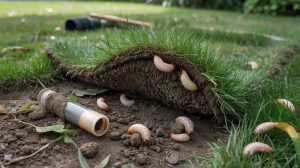
Moles can reduce a healthy lawn to a network of raised ridges and raw soil mounds in just a few days.
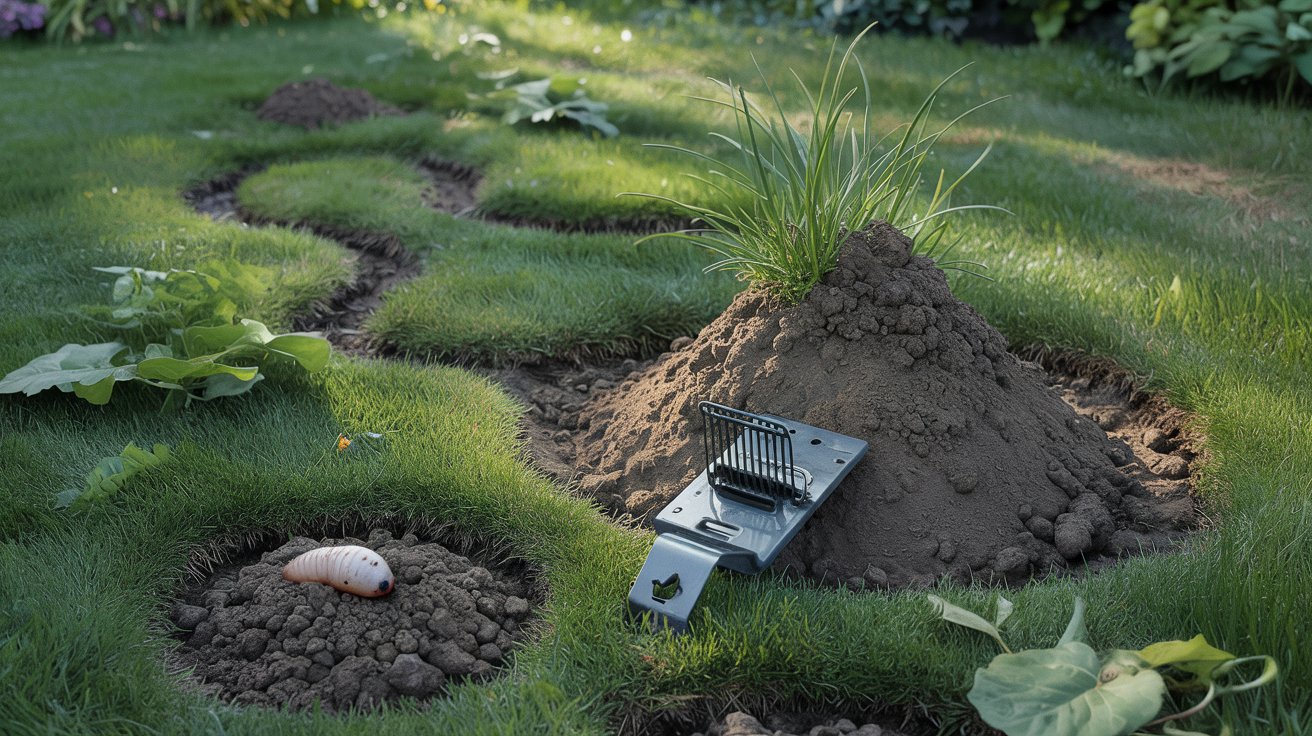
One adult mole can dig up to 100 feet of tunnel per day, and what looks like one animal's work is often a surprisingly small population - sometimes just a single resident.
Most homeowners waste weeks on methods that don't work: castor oil sprays, vibrating stakes, even chewing gum pushed into tunnel openings. University extension research is clear that these approaches fail consistently.
The most reliable plan starts with confirming active tunnels, then using lawn pest timing to your advantage by acting in spring or fall when moles work closest to the surface. Traps are the central tool in any serious control effort.
Traps require daily monitoring and carry some physical risk during setup, but they outperform every alternative in controlled studies. Deterrents are low-effort and low-risk - they're also low-result.
Moles are common across most of the continental U.S. but are especially destructive in moist soils with high earthworm populations. In sandy or dry regions, activity may be lower but tunnels still appear after irrigation or rain.
Moles cause lawn damage by building surface runways and deep tunnel networks. Trapping is the most effective control method.
Success depends on finding active main runways, setting traps correctly, and acting during peak activity in spring and fall.
Spot the Signs of Mole Activity
Moles leave two signature marks: raised surface ridges and volcano-shaped mounds. The ridges are active feeding tunnels; the mounds appear where moles excavate deeper tunnels and push soil up and out.
Remember it later
Planning to try this recipe soon? Save it for a quick find later!
According to Iowa State Extension, moles feed almost entirely on earthworms and soil invertebrates - they do not eat plant roots or bulbs. If you're losing plants underground, voles or mice are the more likely culprits, not moles.
| Feature | Mole | Vole | Gopher |
|---|---|---|---|
| Tunnel type | Raised surface ridges + deep runs | Surface paths, no raised ridges | Deep tunnels, fan-shaped mounds |
| Mound shape | Symmetric, volcano-like | None typical | Asymmetric, crescent-shaped |
| Diet | Earthworms, grubs | Plant roots, bulbs, bark | Roots, tubers, bulbs |
| Plant damage | Indirect (root disruption) | Direct — kills plants | Direct — kills plants |
| Active season | Year-round | Year-round | Spring and fall mainly |
To confirm mole presence specifically, flatten a section of raised runway with your foot and check back in 24 to 48 hours. If the ridge has reformed, the tunnel is actively used.
Main runways run in relatively straight lines across the yard, often along fence lines or garden borders. The Rutgers extension guide notes these are the primary travel routes connecting feeding areas to deeper burrows - and they're where traps work best.
- Fresh mounds: Dark, loose soil pushed up within the last day or two indicates active excavation nearby.
- Spongy turf: Stepping on seemingly solid ground that gives underfoot suggests a shallow tunnel just below the surface.
- Runway pattern: Straight or gently curving ridges are main runways; irregular branching ridges are usually dead-end feeding tunnels.
- Winter signs: In cold regions, moles move deeper in winter; surface activity slows but mounds can still appear during mild spells.
Knowing which tunnels are active - and which type - before setting any trap saves significant time. Targeting the source pest rather than treating symptoms is always the faster path to results.
Step-by-Step Mole Control Plan
A structured approach gets faster results than scattering traps at random. The sequence below follows university extension guidance on locating active runways and committing to mechanical control.
According to the Rutgers extension, trapping is the most effective method for mole removal, and success hinges almost entirely on runway selection and correct trap placement - not trap brand or quantity alone.
Iowa State Extension cautions that fumigants and pesticides are not reliable for long-term mole control. Gas cartridges and smoke bombs rarely penetrate the full tunnel network, and moles frequently seal off sections when disturbed.
Keep children and pets away from set traps. Harpoon and scissor-jaw traps are powerful and can cause injury. Always mark trap locations clearly and use a staking system so you can find every trap you've placed.
If trapping yields nothing after a full week, reassess before adding more traps. Check whether you've correctly identified a main runway versus a dead-end feeding branch.
You can also reduce white grub populations in your lawn, which removes one supplementary food source even if earthworms remain the primary driver.
Non-lethal relocation is an option if live-capture traps are used, but it requires immediate transport of at least a mile to a suitable natural area. Moles stress easily in captivity, so release should happen within hours of capture.
If you're also dealing with fewer slug and snail problems in treated areas, it's a sign your soil health changes are having broader effects.
Set traps in pairs at opposite ends of the same main runway. This doubles your interception odds because moles travel the runway in both directions depending on time of day.
Mole trapping regulations vary by state - some classify moles as furbearers requiring a permit or prohibiting certain trap types. Check with your state wildlife agency before purchasing traps, particularly scissor-jaw and harpoon styles.
You can also deter other wildlife visitors with barrier methods that won't interfere with your trapping plan.

Seasonal Timing and Prevention
Moles remain active all year, but surface tunnel activity peaks in spring and fall when soil temperatures are moderate and earthworm populations move up near the surface. This is when trapping is easiest and most productive.
Summer heat drives both moles and earthworms deeper, which is why midsummer trapping often underperforms. If you're planning broader summer lawn care tasks, hold off on mole trapping until August cools into September.
Iowa State Extension confirms that grub control does not reliably reduce mole activity because earthworms - not grubs - make up the bulk of a mole's diet. Eliminating grubs may marginally reduce food, but moles will stay as long as earthworms remain.
Repellents, gassing, and home remedies like chewing gum pushed into tunnels are not supported by extension research as effective controls. The Rutgers guide explicitly lists these as non-options.
Physical barriers of contact-action treatments similarly have no proven effect on moles specifically.
For prevention after successful trapping, underground hardware cloth at 2-foot depth around garden beds can stop moles from tunneling into raised beds or high-value planting areas. Avoid overwatering lawns, since consistently moist soil attracts dense earthworm populations close to the surface.
Also consider managing lawn ground cover to reduce soil moisture retention near the surface. Monitoring for new mounds every week in spring lets you catch re-infestation early before a mole establishes new runways, and a quick review of your integrated pest approach can help keep multiple lawn problems from compounding.
Frequently Asked Questions
Setting 2–3 scissor-jaw or harpoon traps in a confirmed active main runway is the fastest approach. Most successful catches happen within 3–7 days of correct placement.
University extension research consistently finds castor oil sprays, vibrating stakes, and similar repellents unreliable. Moles often resume normal activity within days of treatment ending.
Mole trapping rules vary by state — some classify moles as furbearers with permit requirements. Always check with your state wildlife agency before purchasing harpoon or scissor-jaw traps.
No. Earthworms are a mole's primary food source, not grubs. Eliminating grubs reduces one minor food item but won't drive moles out of an earthworm-rich lawn.
Properly placed traps in active main runways typically catch moles within 3–7 days. If no catch occurs by day 3, relocate traps to a different active section of the same runway.
Pin it for your next how to get rid of moles in your yard project.