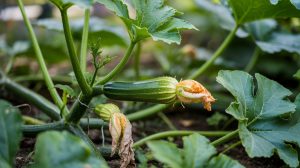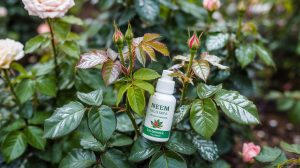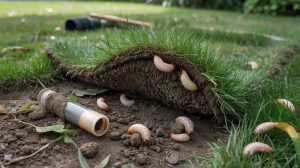
Slugs and snails can strip a seedling overnight, leaving ragged holes and a slime trail as the only evidence.
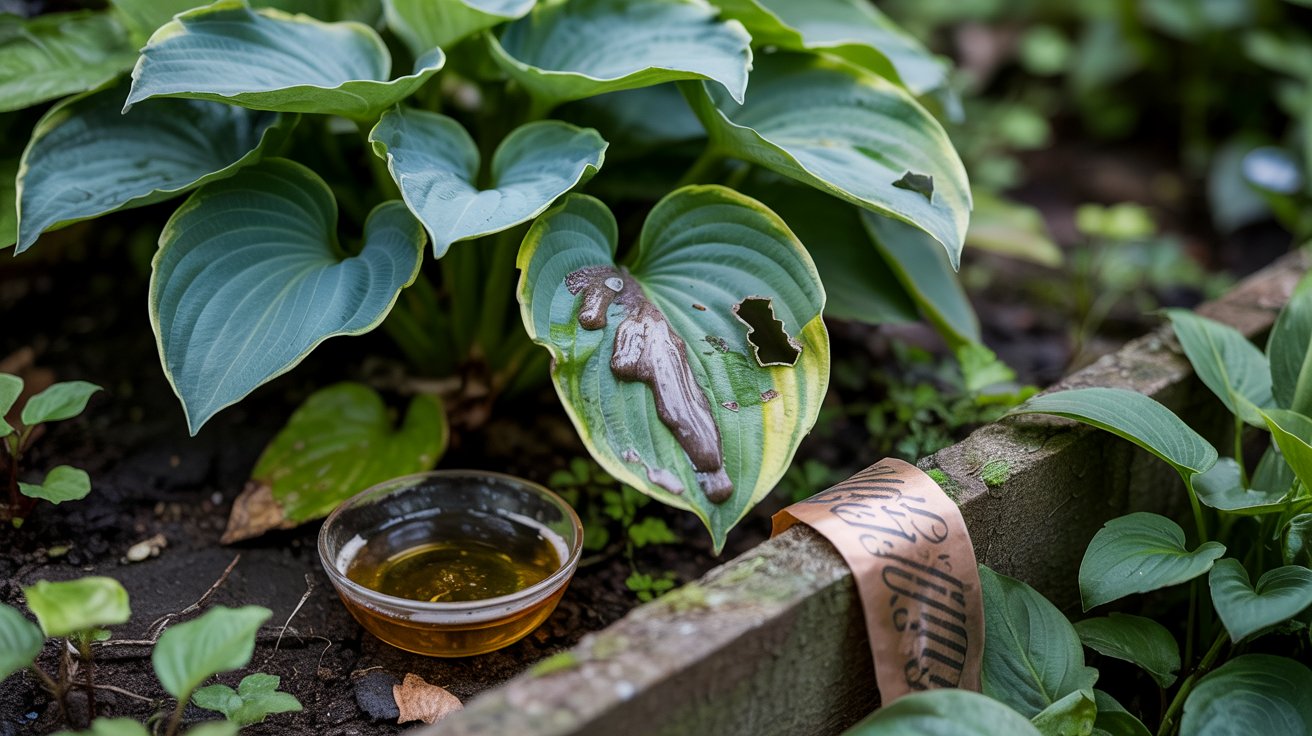
They hide through the day and move when temperatures climb above 50°F and humidity is high, which means most gardeners never see the pest that caused the damage.
A single tactic rarely solves the problem for long. Slug populations rebound fast in mild, wet climates, and a beer trap alone won't protect a bed of hostas through a rainy Pacific Northwest spring.
The approach here is layered: survey first, then combine traps, bait, barriers, and small habitat changes into a routine you repeat. Each layer reduces pressure independently, so if one method falls short in a wet week, the others carry the load.
This plan works in raised beds, containers, in-ground borders, and vegetable rows. You can manage multiple garden pests with the same IPM framework once you have the habit in place.
Controlling slugs and snails requires a layered IPM plan combining beer traps, iron phosphate bait, copper barriers, and habitat modification. Most damage happens at night when temps exceed 50°F and conditions are moist.
Apply bait in late afternoon and monitor traps every 2-3 days for best results.
Getting Started: Your Practical Slug Control Plan
Before placing a single trap, spend 15 minutes walking your garden at dusk with a flashlight. Mark where you see slime trails, ragged leaf edges, or slugs actively moving - these hot spots tell you exactly where to concentrate effort first.
Remember it later
Planning to try this recipe soon? Save it for a quick find later!
Slugs are most active at night when conditions are warm and moist, according to UC IPM pest notes. Temperatures above 50°F combined with high humidity are the trigger, so your timing for every tactic should match those windows.
Hand-pick slugs during your evening survey and drop them into soapy water. Even removing 10-15 slugs per night in a small garden meaningfully reduces next-generation populations within 2-3 weeks.
Traps, Baits, and Barriers: How to Choose
Not every product fits every situation. A beer trap works well in a vegetable bed but is impractical across a large border; copper tape protects a container but won't fence off a 20-foot row of lettuce.
Iron phosphate baits like Sluggo and Ferrox AQ are allowed in certified organic systems and are safe to use around children and pets, according to UC IPM guidelines. Slugs stop feeding within hours and die within a few days, while the iron phosphate breaks down harmlessly in soil.
Metaldehyde bait, by contrast, kills faster but is toxic to dogs, cats, and wildlife - use it only in fully enclosed bait stations if at all.
Bait timing matters as much as product choice. OSU Extension recommends applying granules in a band around plants in late afternoon so slugs encounter bait before they reach your seedlings.
You can also learn to stop soft-bodied insects like aphids with similarly timed applications of contact treatments.
| Method | Effectiveness | Pet/Kid Safe | Best Use Case | Approx. Cost |
|---|---|---|---|---|
| Beer trap | Moderate | Yes | Small beds, monitoring | $0-$5 DIY |
| Iron phosphate bait (Sluggo) | High | Yes (organic-approved) | Vegetable beds, borders | $10-$20/lb |
| Metaldehyde bait | Very high | No — toxic to pets | Last resort, enclosed stations | $8-$15/lb |
| Copper tape barrier | Moderate-High | Yes | Containers, raised bed rims | $8-$20/roll |
| Copper mesh | High | Yes | Raised bed perimeter, pots | $15-$35/roll |
| Diatomaceous earth | Low-Moderate (dry only) | Yes | Dry climates, paths | $10-$18/bag |
Beer traps fill up fast in a heavy population. Check them every 48 hours, empty dead slugs into compost or trash, and refill with fresh beer.
Stale trap liquid repels slugs rather than attracting them. If you're also battling other hard-to-spot pests, our guide to choosing contact pest treatments lays out which products overlap with slug-adjacent problems.
Barriers and Habitat Tweaks to Reduce Reinfestation
Traps and bait reduce the current population. Barriers and habitat changes reduce the next one.
Both are necessary for lasting control.
Copper barriers work because slugs receive a small electrical charge when their mucus contacts copper. OSU Extension confirms copper tape and mesh deter slugs around pots and beds, though the barrier must be at least 2-4 inches wide and kept free of debris that would let slugs bypass it.
Similarly, diatomaceous earth creates a dry, abrasive layer that damages slug tissue - but it loses effectiveness immediately when wet, so it's most useful under eaves or in covered spaces.
Habitat modification is often the most overlooked step. Slugs need cool, damp hiding spots during the day - flat boards, thick bark mulch, dense low plantings, and piles of rotting material all qualify.
Remove or relocate boards, thin mulch to no more than 2 inches deep in problem areas, and pull weeds at the base of plants.
Shelter boards can also work in your favor. According to UC IPM research, laying boards intentionally as traps and then hand-picking slugs from the underside each morning is a highly effective population-reduction method when done regularly.
Ground beetles are natural slug predators - minimizing soil disturbance and avoiding broad-spectrum insecticides helps them establish. You might already be protecting beneficial predators if you're reducing Japanese beetle damage without harsh chemicals.
In the Pacific Northwest and UK-climate gardens, slugs are active nearly year-round. In these regions, prioritize copper barriers and iron phosphate bait as permanent fixtures rather than seasonal interventions — the population never fully goes dormant.
Raised beds offer a structural advantage: a single copper mesh strip around the perimeter can protect the entire planting space. Secure the mesh with staples so there are no gaps at corners.
If you're also keeping out larger pests, our tips on fencing out deer cover how barrier systems stack to protect a full garden perimeter.
Watering habits also affect slug pressure. Drip irrigation keeps foliage dry and concentrates moisture at the root zone, giving slugs less wet leaf surface to feed on.
Switch overhead watering to early morning so soil surface dries before evening slug activity begins.
Seasonal Timing and Region-Specific Tips
Slug control isn't a one-time task - it tracks with weather and crop cycles. Knowing when to ramp up or ease off saves product and effort.
Autumn is the most critical baiting window in most temperate gardens. Adult slugs lay eggs in fall, and eggs overwinter to hatch in early spring.
Disrupting the population in September and October reduces the following year's pressure significantly. Spring is the second key window, when soil warms and juveniles emerge.
University of Maryland IPM guidance emphasizes that monitoring and adapting to actual weather conditions improves outcomes more than any fixed calendar schedule.
Avoid applying bait during very hot, dry, or cold snaps. Slugs retreat deep into soil when temperatures drop below 40°F or spike above 85°F, so bait sits untouched and degrades. Check the UC IPM activity guide for temperature thresholds before each application.
Prep / Monitor
Active Control
Peak Baiting Window
No-till and heavily mulched gardens carry higher slug risk because the mulch never fully dries out. In these systems, pull mulch 2-3 inches away from plant stems and apply bait in a ring at the mulch edge rather than under it.
This targets slugs as they cross from their daytime shelter toward plants at night.
Winter garden planning is worth folding slug management into early. Our winter garden planning guide covers how to prep beds in late autumn - including clearing debris and applying a final bait treatment before frost sets populations back.
If moles are also disturbing your beds and loosening soil structure, managing mole tunneling damage separately keeps your slug barriers intact. For gardens also dealing with persistent soil invaders like fire ants, the same IPM timing logic from our guide on eliminating fire ant colonies applies: treat when soil temperatures favor pest activity, not on a fixed calendar date.

Frequently Asked Questions
Yes, but they work best as a monitoring tool. Beer traps reduce local populations when checked every 48 hours and refilled; stale liquid loses attractiveness within 2 days.
Iron phosphate bait (Sluggo, Ferrox AQ) is the safest option — it's approved for organic use and non-toxic to dogs, cats, and wildlife when used as directed.
Copper barriers are effective when the tape or mesh is at least 2-4 inches wide and kept clean. Debris bridging the gap lets slugs cross without contact.
Check and empty beer traps every 2-3 days. A full or stale trap repels slugs rather than luring them, cutting effectiveness sharply after 48 hours.
Hostas, lettuce, seedling brassicas, and strawberries are slug favorites. Surround them with copper tape and apply iron phosphate bait in a ring around each plant every 2 weeks during active seasons.
Pin it for your next how to control slugs and snails project.