Choosing between concrete and pavers for your backyard patio is one of those decisions that looks simple until you price out a replacement slab five years later. Both materials can deliver a solid, attractive outdoor surface - but they behave very differently across climate zones, budgets, and maintenance schedules.
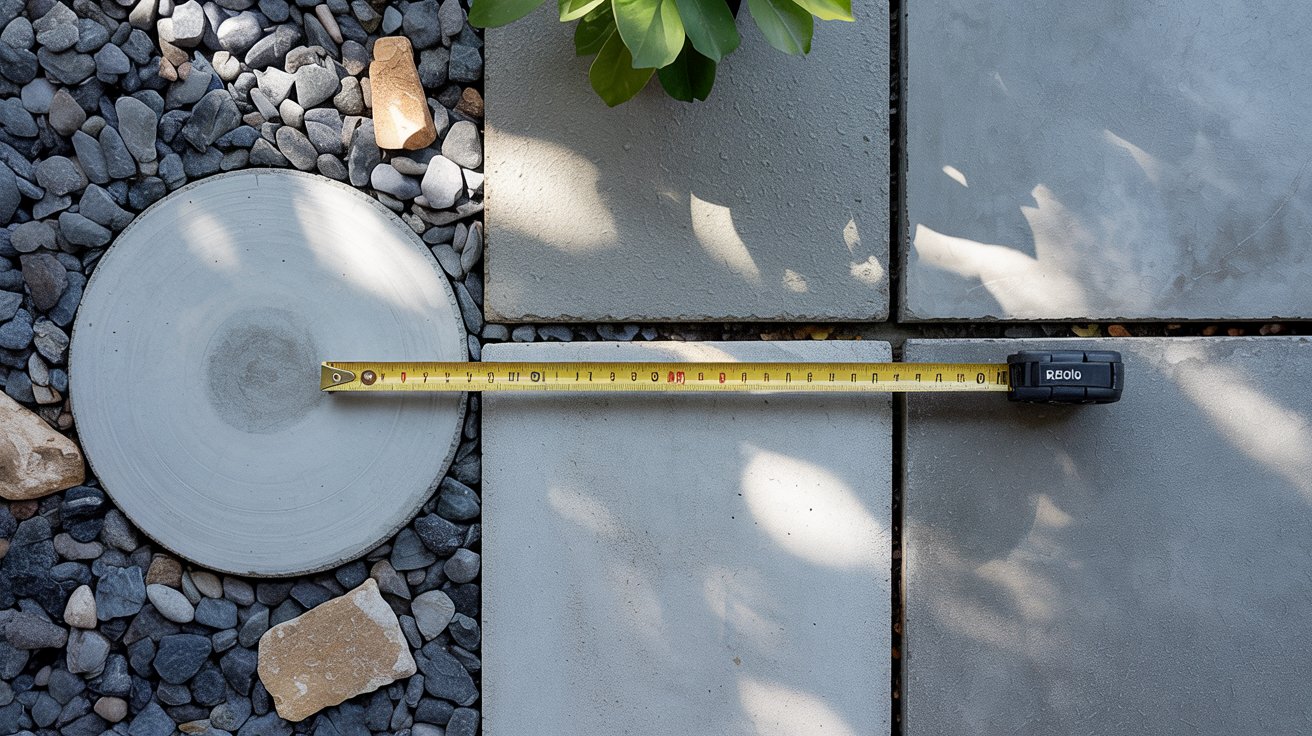
A patio versus deck debate gets resolved quickly once you commit to hardscape, yet the concrete-vs-pavers question lingers longer.
The short verdict: pavers win on repairability and design flexibility; concrete wins on upfront cost and low complexity for straightforward installs.
Most homeowners make this choice without accounting for lifecycle costs. A concrete slab poured today may cost less per square foot, but a single crack can mean a full panel replacement.
Pavers cost more to install, yet one damaged unit swaps out in minutes.
Climate matters more than most guides admit. Freeze-thaw cycles in northern states crack concrete slabs from below, while properly bedded pavers flex and settle without splitting.
Knowing your USDA zone and soil type before you commit can save thousands in repairs - subgrade preparation is the single biggest factor in concrete patio longevity, according to the Portland Cement Association.
This breakdown covers cost, durability, maintenance, and aesthetics so you can match the right material to your actual backyard - not a showroom version of it.
Concrete delivers a lower upfront cost ($6–$12/sq ft installed) while pavers run $10–$25/sq ft but offer superior repairability. Pavers handle freeze-thaw cycles better.
Concrete suits tight budgets and simple layouts; pavers suit design-forward or high-traffic patios.
Get bids for both materials at the same time. Contractors often discount paver installs when they're already mobilized for base prep, narrowing the price gap considerably.
Cost and Longevity: What You Pay Now vs Later
Concrete's appeal starts with price. A basic brushed-finish concrete patio runs $6-$12 per square foot installed, depending on thickness, reinforcement, and regional labor rates.
Remember it later
Planning to try this recipe soon? Save it for a quick find later!
A 400-square-foot patio lands between $2,400 and $4,800 - a range most renovation budgets can absorb.
Pavers carry a steeper entry point. Installed paver patios typically cost $10-$25 per square foot, with concrete pavers at the lower end and natural stone or tumbled brick pushing toward the top.
That same 400-square-foot space runs $4,000 to $10,000.
The gap narrows over time. Concrete requires resealing every 2-5 years to resist staining and surface degradation, and a single crack repair from a licensed contractor can cost $300-$800 depending on severity.
Full slab replacement - which freeze-thaw damage often demands - averages $3,000-$6,000 for a mid-sized patio. You can estimate concrete pour costs before committing to any contractor quote.
Pavers hold their value differently. Individual units cost $1-$3 each to replace, and no special equipment is needed.
Sealing is optional rather than mandatory, though it does extend color life. The long-term total patio investment often favors pavers past the 15-year mark.
| Factor | Concrete | Pavers |
|---|---|---|
| Install cost (per sq ft) | $6–$12 | $10–$25 |
| Typical lifespan | 25–30 years | 30–50 years |
| Resealing frequency | Every 2–5 years | Optional / every 3–5 yrs |
| Single repair cost | $300–$800+ | $5–$30 per unit |
| Full replacement cost | $3,000–$6,000 | Rarely needed |
Base preparation accounts for a significant portion of both budgets. A 4-inch compacted gravel base is standard for pavers; concrete typically requires 4-6 inches of reinforced base material.
Skimping here is where most failed patios start, regardless of material.
Resale value follows a similar pattern. Outdoor living improvements, including quality paver patios, can return 50-80% of installation cost at resale, according to real estate data.
Concrete patios in good condition also add value, but cracked or stained slabs actively reduce curb appeal.
Durability, Maintenance, and Repairability
Concrete slabs are monolithic - that's both a strength and a weakness. Once poured correctly, a slab resists surface wear, heavy furniture, and vehicle traffic without shifting.
But any crack in a monolithic slab spreads over time, especially when water infiltrates and freeze-thaw cycles expand it from within.
Pavers are modular by design. Each unit moves independently, which means ground heaving from frost or tree roots causes individual units to shift rather than crack.
Resetting a sunken paver takes under an hour with basic tools. That flexibility is why pavers consistently outperform concrete in USDA Zones 4-6, where hard freezes are common.
Sealing is non-negotiable for unsealed concrete. Oil, rust, and tannin stains penetrate within minutes on bare concrete.
Penetrating sealers cost $0.15-$0.25 per square foot per application and need reapplication every few years depending on traffic and UV exposure.
Pavers face a different maintenance challenge: joint stability. Polymeric sand locks joints against weeds and ant intrusion, but it needs reapplication every 3-5 years as it breaks down.
Without it, weeds establish quickly between units. According to Bob Vila's maintenance guide, paver joints are the most commonly neglected aspect of long-term upkeep.
Never use de-icing salts on concrete patios in winter. Sodium chloride accelerates surface spalling and can destroy the top layer within two or three seasons. Use sand or calcium magnesium acetate instead.
For high-traffic patios near pool areas or outdoor kitchens, pavers offer one more advantage: localized replacement. If a gas line or irrigation repair requires digging, pavers lift cleanly and relay without visible seams.
Concrete requires a saw cut and patch that rarely matches the original pour.
Design Options, Patterns, and Installation Choices
Aesthetics often tip the final decision. Concrete offers a clean, contemporary baseline - but it doesn't have to stay gray and flat.
Stamped concrete mimics stone, brick, and wood at a fraction of natural material costs, with dozens of texture molds available. Integral color pigments blend into the mix before pouring, producing consistent tone rather than surface-applied paint that chips.
Pavers offer modular design freedom that stamped concrete can't fully replicate. Patterns like herringbone, basketweave, and running bond each affect visual scale, structural strength, and installation labor.
Herringbone at 45° is the most stable interlocking pattern for driveways and heavy-use patios. For a deeper look at how finish choices affect long-term upkeep, comparing stamped concrete and pavers side by side covers the nuance well.
| Option | Concrete | Pavers |
|---|---|---|
| Color options | Integral pigment, stain, or dye | Wide — natural, tumbled, glazed |
| Surface texture | Broom, exposed aggregate, stamped | Smooth, tumbled, chiseled, cobble |
| Pattern variety | Limited by stamp molds | Herringbone, basketweave, fan, random |
| Custom shapes | Formwork required — flexible | Cut units needed for curves |
| Aging appearance | Fades, may crack visibly | Patinas naturally, stays cohesive |
Installation complexity scales with ambition. A basic broom-finish concrete pour requires forming, rebar, and a single continuous pour - typically a one-day job for a crew.
Paver installation involves base excavation, compaction, sand bedding, laying, cutting edge units, and compacting again - usually two to three days for the same area. As Angi's pattern guide notes, intricate patterns like diagonal herringbone add 15-20% to labor cost.
Hybrid designs are gaining ground in backyard patio planning. A poured concrete base with a border of tumbled pavers, or alternating concrete bands with paver insets, delivers the cost savings of concrete with the visual warmth of natural units.
These designs require careful detailing at transition joints to prevent differential movement cracking.
Decision Framework for Your Backyard Patio
Run through these steps before calling a contractor. Each narrows the field based on your real conditions, not a showroom scenario.
Proper subbase preparation is non-negotiable for both materials, but especially for concrete where slab integrity depends on uniform support beneath.
Homeowners in freeze-thaw climates should also ask contractors about 6-inch slab thickness and air-entrained concrete mix — both reduce cold-weather cracking significantly compared to standard residential pours.
Still weighing broader hardscape options? A gravel versus concrete patio comparison adds a third, lower-cost path worth reviewing before finalizing your material choice.
For DIY-friendly budget alternatives, the gravel patio build process is straightforward and tool-light. If your project extends to other surfaces, checking driveway installation pricing or paver walkway budgeting helps benchmark contractor quotes.
Fencing decisions often happen simultaneously - a vinyl versus wood fence breakdown covers that parallel choice.
Frequently Asked Questions
Yes — pavers run $10–$25 per square foot installed versus $6–$12 for concrete. However, pavers' lower repair costs often offset the gap within 10–15 years.
Stamped concrete costs $12–$22 per square foot and mimics stone or brick visually, but it still cracks like any slab and requires full-panel repair rather than unit replacement.
Sand-set interlocking pavers handle freeze-thaw cycles best because individual units flex with ground movement rather than cracking across a single rigid slab.
Paver patios last 30–50 years with basic maintenance and can return 50–80% of installation cost at resale, making them a stronger long-term value than a concrete slab in most markets.
Yes — hybrid designs using a concrete base with paver borders are common. Expansion joints at every transition point prevent cracking where the two materials meet.
Pin it for your next concrete vs pavers: which patio material wins? project.