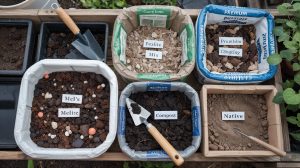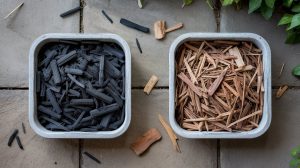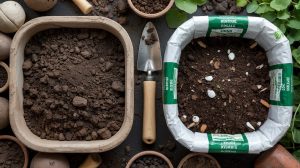
Choosing between mulch and rock comes down to what you actually need that ground cover to do. Mulch feeds your soil and keeps plant roots cool and moist; rock handles foot traffic, resists displacement, and never needs replacing.
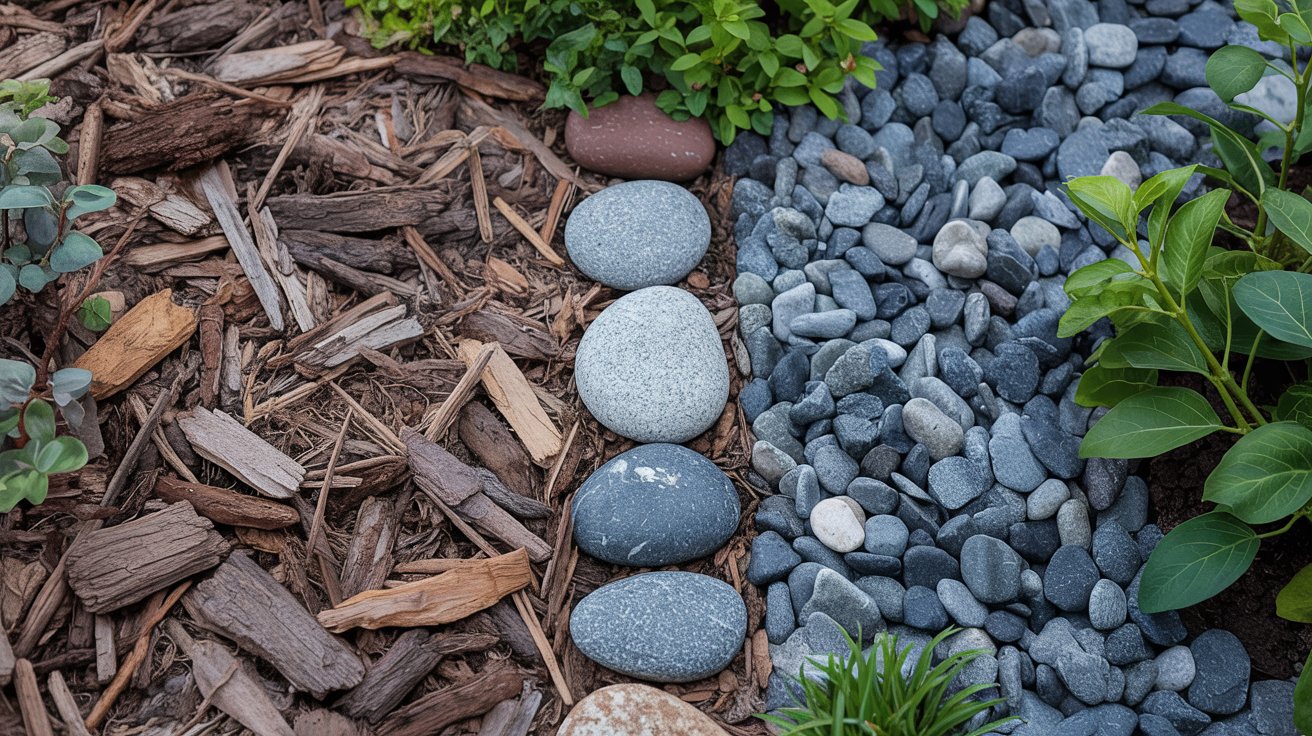
Neither material is universally better. A desert-climate driveway border has different demands than a shaded perennial bed in the Pacific Northwest.
We put both through the same tests - weed suppression, moisture retention, cost over five years, and maintenance hours - so you can match the right material to each zone in your yard.
If you want a deeper look at layering options for weed control, that's a related decision worth making at the same time.
Most yards end up using both materials in different spots. This article gives you the framework to place each one correctly.
For planting beds, mulch wins on soil health, moisture, and weed control. For pathways, slopes, and non-plant zones, rock wins on durability and low maintenance.
A mixed approach — mulch in beds, rock on paths — works best in most landscapes.
Direct Verdict: Mulch vs Rock
For most homeowners, mulch belongs in planting beds and rock belongs on paths, slopes, or areas with no active root zones. That single rule handles about 80% of decisions before you factor in climate or budget.
Remember it later
Planning to try this recipe soon? Save it for a quick find later!
Kansas State Extension recommends applying organic mulch in a 2 to 4 inch layer for effective weed suppression and moisture retention - any thinner and weeds push through, any deeper and you risk smothering roots.
Rock scores higher on permanence. It doesn't break down, float in heavy rain, or attract fungus gnats.
But it also doesn't add organic matter to your soil or buffer root-zone temperatures the way wood chips do.
Upfront cost favors mulch, but that gap narrows over time because mulch requires annual refreshing while rock is essentially a one-time purchase. Understanding mulch pricing by the yard or bag helps you model that multi-year cost accurately.
Mulch Scenarios: When Mulch Shines
Mulch earns its place anywhere plant health is the goal. It insulates roots from temperature swings, feeds soil microbes as it breaks down, and cuts the time you spend weeding by a significant margin.
Rock, by contrast, can actually work against plant health in warm climates.
According to University of California research, rock mulch lasts longer and does not decompose, but it can heat the soil and increase soil temperatures in planting beds - a real problem for shallow-rooted perennials and shrubs in full sun.
| Scenario | Best Choice | Reason |
|---|---|---|
| Perennial flower bed | Organic mulch | Feeds soil, protects roots |
| Vegetable garden path | Wood chip mulch | Breaks down into compost |
| Driveway border | Rock/gravel | Handles foot and vehicle splash |
| Sloped hillside | Rock with fabric | Resists erosion and displacement |
| Shaded woodland bed | Shredded bark mulch | Mimics natural leaf litter |
| Pool or patio surround | Pea gravel or stone | Drains fast, stays put |
| Young tree ring | Organic mulch, 3 inches | Moisture and root protection |
| Xeriscape design | Rock with desert plants | Low water, permanent look |
Knowing which mulch type suits each plant matters as much as choosing mulch over rock in the first place. Hardwood bark, pine straw, and wood chips all behave differently in wet versus dry conditions.
- Improves soil structure and feeds beneficial microbes as it decomposes
- Reduces moisture loss from the soil surface, cutting watering frequency
- Keeps root zones cooler in summer and warmer in late fall
- Lower upfront cost per square foot than most decorative rock
- Easy to remove and replace when redesigning a bed
- Lasts 10–20 years without refreshing — essentially permanent
- Handles foot traffic and steep slopes without shifting
- Does not attract fungal growth, termites, or rodent nesting
- No annual restocking cost after initial installation
- Better in areas where organic material would wash into drains
Costs, Maintenance, and Longevity
The cost gap between mulch and rock looks significant upfront but reverses over a five-to-ten year window. Decorative rock costs two to four times more per square foot to install, but you only pay once.
Kansas State Extension is direct about the ongoing commitment: organic mulches need yearly reapplication, while rock is considered a more permanent solution in landscape guidance. For a 500-square-foot bed, that annual mulch refresh adds up to hundreds of dollars over a decade.
Maintenance hours also differ sharply. Mulched beds need topping off each spring and occasional raking to break up matted layers.
Rock beds need periodic weeding around edges and occasional washing to remove debris, but total annual maintenance is far lower for rock once installed.
If you're comparing wood mulch specifically, the hardwood vs softwood breakdown affects how fast the material decomposes and how often you'll need to replenish it. Hardwood bark lasts roughly twice as long as pine straw in the same conditions.
Rock's 10-year cost per square foot often ends up lower than repeated mulch applications - especially if you factor in delivery fees each season. For beds close to a compost source or a wood chipper, bulk mulch can close that gap considerably.
Check our guide on building soil in raised beds if mulch decomposition is something you want to capture as a soil amendment.
How to Decide: A Step-by-Step Process?
Running through five quick site questions takes less than ten minutes and gives you a clear answer for each zone in your yard. Work through these in order - the first question that produces a clear answer is usually enough.
Oregon State Extension research found that mulch reduces irrigation needs substantially, with one study noting a 35% reduction in evaporation from mulched soil - a meaningful number if you're in a water-restricted area or on a drip system.
If you're installing both materials in the same yard, lay landscape fabric only under the rock sections — not under mulch. Fabric under organic mulch prevents decomposition from reaching the soil and cuts off the main benefit of using mulch in the first place.
A properly mulched garden bed also requires attention to depth and placement around stems. Volcano mulching - piling mulch against trunks - causes rot regardless of material type, so keep a 2-inch gap around any woody plant base.
When the decision still feels close, think about your five-year plan. If you're likely to redesign the bed, mulch is far easier to remove.
If the layout is fixed, rock's permanence becomes an asset rather than a liability. You can also compare how rubber mulch stacks up against wood if durability in a play area or high-traffic bed is the main concern.
Climate, Region, and Design Ideas
Where you live shapes the mulch-versus-rock decision as much as where you're putting the material. Hot, dry climates favor rock on pathways and exposed slopes, while mulch still wins inside the planting beds - even in the desert, roots need insulation from extreme heat.
UC Cooperative Extension is clear on the split: rock works best for non-plant areas and pathways because it resists blowing or floating and lasts indefinitely, while mulch improves soil tilth and plant health in active beds. That division holds whether you're in Phoenix or Portland.
In humid climates (Southeast, Pacific Northwest), organic mulch breaks down faster — sometimes within a single season. Budget for twice-yearly top-offs in those regions, or choose a slow-decomposing hardwood bark over pine straw to stretch the refresh cycle.
Mixed designs work well in nearly every climate. A common pattern: decomposed granite or river rock on the main pathway, a clean metal or stone edge strip, then a 3-inch mulch layer inside the planting zone.
That edge detail also prevents mulch from migrating into the rock path after heavy rain.
- Arid Southwest: Use river rock or crushed granite on all non-plant surfaces; stick with a 2-3 inch wood chip mulch layer around desert-adapted shrubs to keep root zones cooler than the surrounding rock surface.
- Southeast and Gulf Coast: Pine straw mulch is the regional standard for a reason - it resists matting, lets rain through, and is inexpensive. Use concrete or brick pavers, not loose rock, on pathways where humidity keeps the ground damp.
- Pacific Northwest: Shredded bark or wood chips break down fast in wet winters, feeding the soil naturally. Use gravel under downspouts and along fence lines where drainage is the priority.
- Midwest and Northeast: Hardwood bark mulch lasts longer than pine straw in cold climates. Use rock or gravel for driveways and garage surrounds where salt and plow activity would destroy organic material quickly.
For a broader look at how mulch fits into overall soil health practices, the relationship between decomposing organic material and soil biology is worth understanding before you commit to an all-rock design.
Rock locks in a soil condition permanently; mulch keeps that condition open to improvement.
Edging is the final design detail that makes mixed installations look intentional rather than accidental. Steel, aluminum, or recycled rubber edge strips hold the boundary between mulch and rock cleanly through seasons of rain and freeze-thaw cycles.
Plan your warm-season garden upkeep to include a quick edge check each June - that's usually when winter heave starts to show up as gaps or shifted borders.
If soil fertility matters alongside ground cover choice, the comparison between organic and synthetic feeding methods ties directly into why mulch adds long-term value that rock simply cannot replicate.
Frequently Asked Questions
Yes. Mulch reduces soil evaporation by up to 35%, while rock adds minimal moisture protection and can actually raise soil temperatures, increasing water loss from plant roots.
Rock lasts 15–20+ years with minimal upkeep. Organic mulch breaks down within 1–2 years and needs annual reapplication to maintain its 3-inch effective depth.
Yes, but keep them in separate zones. Use a steel or aluminum edge strip to hold the boundary — mulch inside planting areas, rock on pathways and borders.
Bulk mulch runs $20–$45 per 100 sq ft installed; decorative rock costs $80–$200 for the same area. Rock's higher upfront cost is often offset by its 15+ year lifespan.
A 3-inch mulch layer blocks most weed germination by limiting sunlight at the soil surface. Kansas State Extension recommends 2–4 inches for reliable suppression.
Pin it for your next mulch vs rock for landscaping project.