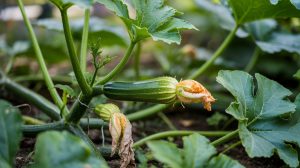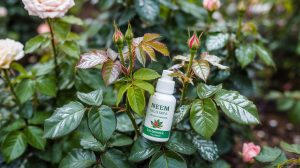
When aphids show up on your pepper plants in early May, the last thing you want is a lengthy debate about organic chemistry.
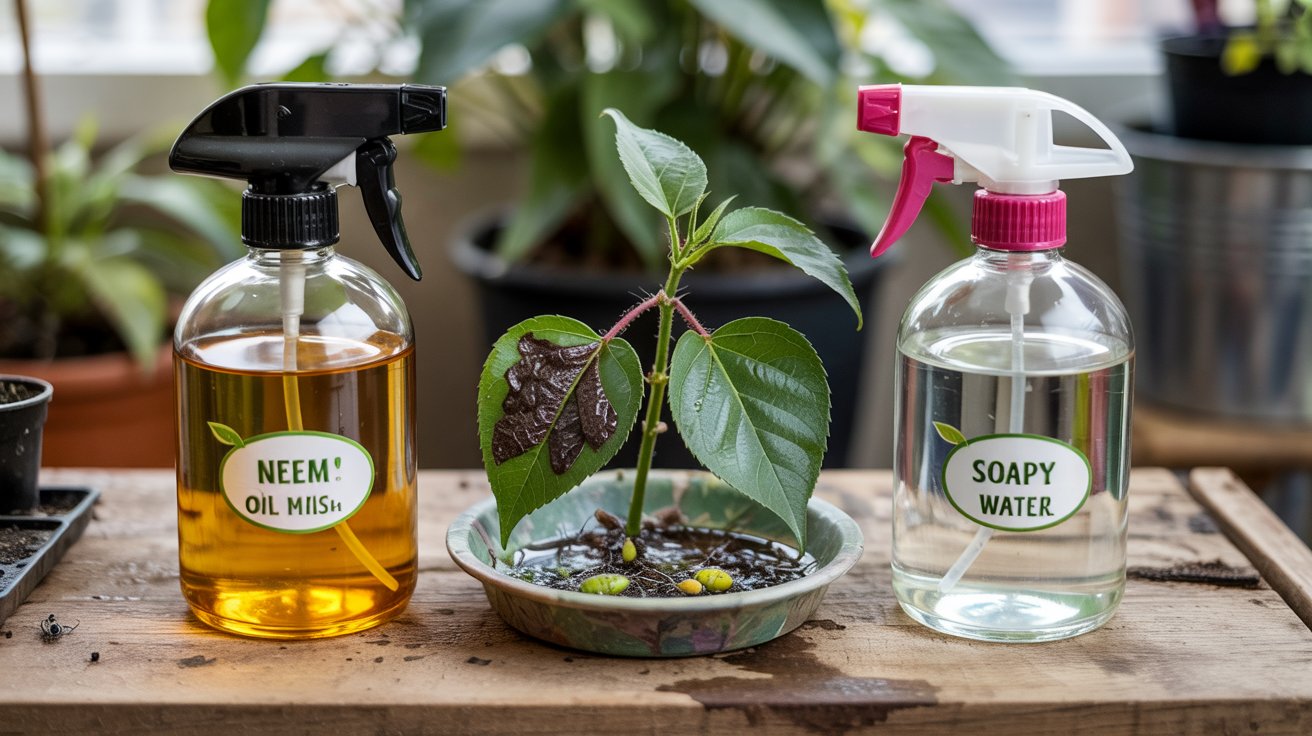
You want to know which bottle to grab, how to apply it, and whether it'll actually work before the infestation spreads to your tomatoes.
Both neem oil and insecticidal soap are contact-kill pest control options with strong organic credentials. Neither leaves lasting residue, both require thorough coverage, and both demand repeat applications after rain.
The short answer: insecticidal soap wins for rapid knockdown on soft-bodied insects like aphids and whiteflies. Neem oil is the better call when you also need to suppress fungal issues or disrupt pest development over a longer cycle.
Results genuinely vary by pest species, plant type, air temperature, and how stressed your plants already are. A treatment that works perfectly on roses can cause leaf burn on tender seedlings under the same sun.
This guide walks through how each product works, where each one performs best pest-by-pest, and a four-step process to pick the right option for your specific situation every time.
Both neem oil and insecticidal soap are contact insecticides with no lasting residual — they kill on direct contact and must be reapplied as pests reappear. Soap wins for rapid aphid knockdown; neem oil adds fungal suppression and feeding disruption benefits.
- Disrupts pest feeding and development, not just kills on contact
- Suppresses powdery mildew and other fungal diseases simultaneously
- Azadirachtin compounds deter future feeding after application
- Faster visible knockdown — effective within hours of application
- Lower leaf burn risk on most ornamentals and vegetables
- Simpler mixing, no emulsification needed in most formulas
How Neem Oil and Insecticidal Soap Work?
Insecticidal soap works by disrupting the cell membranes of soft-bodied insects on direct contact. The fatty acids in the soap penetrate the outer cuticle, causing desiccation and rapid death - usually within a few hours of a good direct hit.
Remember it later
Planning to try this recipe soon? Save it for a quick find later!
Neem oil's active chemistry is more layered. Azadirachtin, the primary active compound in Azadirachta indica-derived neem products, interferes with insect hormone systems, suppressing molting, egg-laying, and feeding.
This means neem can slow a population even when contact isn't perfect, but full effect takes 24-72 hours.
Neither product offers meaningful residual protection once it dries. According to UF/IFAS pest guidelines, both pure neem oil and insecticidal soap are contact sprays that leave no lasting residual - thorough coverage at the time of application is everything.
| Factor | Neem Oil | Insecticidal Soap |
|---|---|---|
| Primary action | Hormone disruption + contact | Cell membrane disruption |
| Speed of kill | 24–72 hours | 2–6 hours |
| Residual activity | Minimal (fades as it dries) | None once dry |
| Leaf burn threshold | Above 90°F or full midday sun | Above 90°F or drought stress |
| Fungal suppression | Yes (powdery mildew, some blights) | No |
| Application frequency | Every 7–14 days | Every 5–7 days |
Both products carry a real risk of phytotoxicity under the wrong conditions. Applying either one during midday heat, on drought-stressed plants, or to tender seedlings can cause leaf scorch, tip burn, or premature leaf drop.
Neem oil requires emulsification - you need to mix it with a mild liquid soap and warm water before use, or it won't disperse evenly in the sprayer. Pre-mixed insecticidal soap products skip that step entirely, which matters when you're dealing with a fast-moving infestation.
Temperature also affects neem oil's efficacy in a different way: below 50°F, the oil can solidify and clog sprayer nozzles. Plan applications for mild mornings between 55°F and 80°F.
If you're managing fungal problems alongside insects, neem's dual action makes it the more efficient single-product option.
The EPA product registration for neem-based insecticidal soaps covers both the oil and soap components together. Always read the specific label — concentrate ratios and crop registrations vary by brand.
One practical difference is shelf life. Neem oil emulsions should be used within a few hours of mixing; they degrade quickly once diluted.
Insecticidal soap can be pre-mixed and stored in a pump sprayer for a day or two without significant loss of efficacy, making it easier to keep ready during peak pest season.
If you're wondering whether organic inputs outperform synthetic ones across the board, pest control is one area where the honest answer is: it depends on your goal and timing, not just the ingredient list.
Pest-by-Pest Performance
Knowing which product works best on a given pest saves time and prevents wasted applications. Both options cover a similar target range, but their relative strengths shift depending on the insect's life stage and body type.
As a general rule, insecticidal soap outperforms neem on crawlers and nymphs, while neem's feeding-disruption chemistry gives it an edge against pests that aren't killed on contact but stop reproducing after exposure.
The UC IPM floriculture guide notes that both soaps and neem are commonly recommended for aphids on ornamentals and edibles, with repeat applications as needed.
| Pest | Neem Oil | Insecticidal Soap | Notes |
|---|---|---|---|
| Aphids | High | High | Soap faster; neem deters re-infestation |
| Whiteflies | High | Medium | Neem disrupts larvae; soap kills adults |
| Spider mites | Medium | High | Soap direct contact; neem slower on mites |
| Soft scales | Medium | Medium | Both work on crawlers, not armored adults |
| Mealybugs | Medium | High | Soap penetrates waxy coating better |
| Thrips | Low–Medium | Low | Hard to contact; neem slightly better |
A critical caveat: neither product distinguishes between pest insects and beneficial ones. Predatory wasps, lacewing larvae, and ladybug nymphs are all vulnerable if you spray them directly.
The UMD Extension pollinator guide highlights this for both neem-based products and soaps - spray in early morning or evening when bees are inactive.
Before treating an entire plant, test a small section of leaf and wait 24-48 hours for a reaction. This is especially important for roses, squash, and sweet peas, which can show soap sensitivity even at labeled rates.
You can get rid of aphids effectively with either product when the timing and coverage are right - the test step is what separates a clean result from scorched foliage.
For heavy whitefly pressure on tomatoes, neem often delivers better overall suppression because it targets larvae developing on leaf undersides, not just the flying adults that soap contacts.
Addressing the larval stage is what breaks the cycle and slows summer garden pest buildup before it compounds.

How to Choose for Your Situation?
A fast four-step process removes most of the guesswork. Work through each step in order - your answer often appears by step two or three without needing to read every product label on the shelf.
According to UF/IFAS natural pest management guidelines, thorough coverage and correct timing matter as much as which product you choose - neither option works if it misses the pest population entirely.
Mix insecticidal soap at the lower end of the label rate for your first application on any new plant. This catches sensitivity issues before you commit to a full-canopy spray. Bump to full rate only after a clean 48-hour test result.
The UC IPM aphid guide reinforces that repeated applications are often necessary - a single spray rarely eliminates a colony. Build a two-week reapplication schedule into your plan from the start, not as an afterthought after the first spray fails.
Keep in mind that organic pest control pairs well with broader garden hygiene. Removing heavily infested leaves before spraying increases contact coverage.
If you're also managing weeds around your beds, natural weed options like non-chemical weed suppression reduce the habitat where pest populations overwinter or shelter between spray cycles.
In hot, humid climates (Southeast US, Gulf Coast), neem oil applications above 85°F carry a higher phytotoxicity risk than in drier regions. Stick to early morning sprays before 9 a.m. during summer months and reduce concentration by 25% on first use.
If deer pressure is also a factor in your garden, note that neither product deters large mammals. Separate strategies like physical barriers or repellents handle that problem - keeping deer out of garden beds requires a different toolkit entirely.
Frequently Asked Questions
Yes, when used as labeled. Most neem oil products are approved for vegetables and fruits. Harvest intervals vary by crop — check the label and wait at least 24 hours after application before harvesting.
Yes. A small amount of liquid soap is often added to help emulsify neem oil in water. However, adding extra soap beyond the emulsification amount increases leaf burn risk without improving pest control. Follow label ratios carefully, as noted in UF/IFAS spray guidelines.
Reapply within 24 hours of significant rain. Both products wash off easily — even a quarter-inch of rain removes enough residue to restore full pest access to treated foliage.
Both are low risk to bees once fully dry, typically within 1–2 hours. Wet spray on open flowers is directly harmful to pollinators, so spray in the evening or early morning when blooms are closed or bees are inactive.
Insecticidal soap delivers faster visible knockdown on rose aphids and carries slightly lower burn risk on rose foliage. Follow with a neem oil application to reduce aphid return within 5–7 days if the colony rebuilds.
Pin it for your next neem oil vs insecticidal soap project.