You can build a solid raised bed in a weekend - if you pick the right wood from the start. Cedar and pressure-treated lumber are the two most common choices, and they pull in opposite directions on price, longevity, and safety.
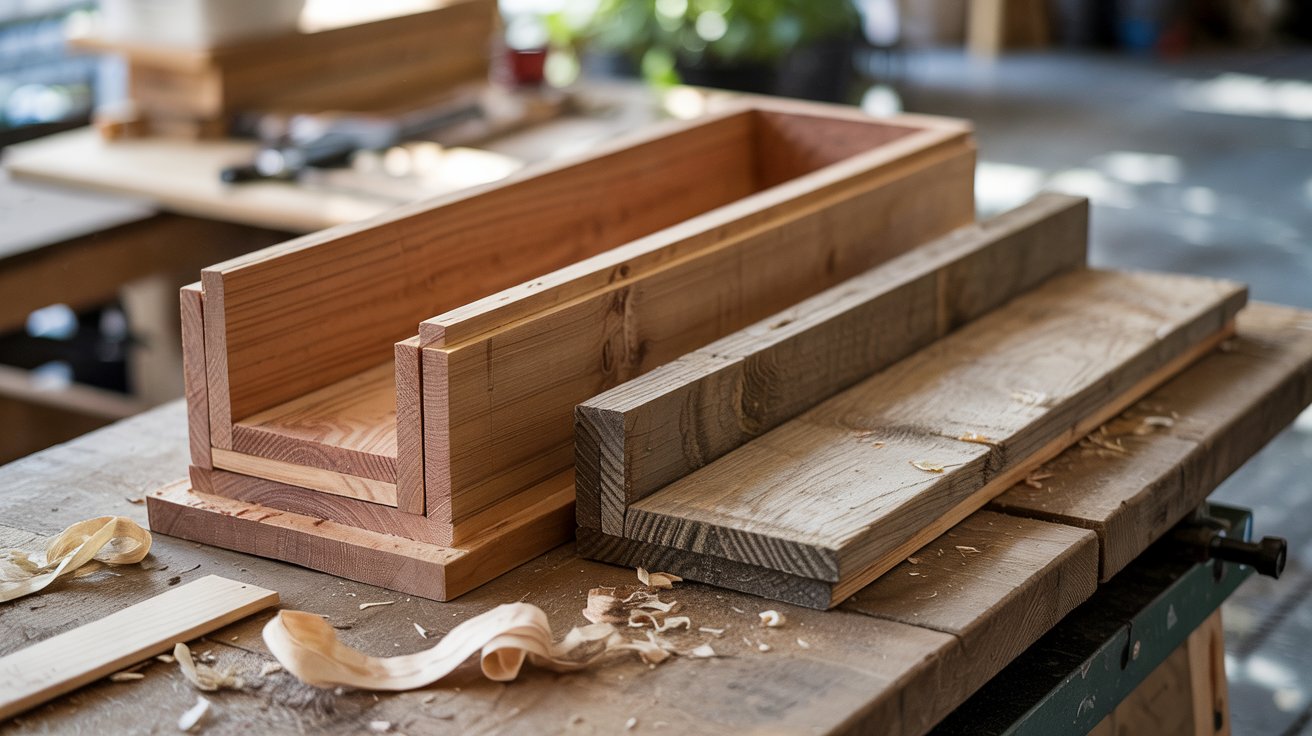
Cedar costs more upfront but brings natural rot resistance and a clean look. Pressure-treated wood costs less and outlasts cedar in wet climates, but it carries lingering questions about chemical leaching near edibles.
Neither material is universally better. The right call depends on your climate, your budget, and what you're growing - whether that's productive raised bed crops or ornamental plantings.
This breakdown covers the real data on both materials, from treatment chemistry to board lifespan, so you can make a confident decision before you buy a single board.
Cedar offers natural rot resistance and a safe profile for edibles, while modern pressure-treated lumber (ACQ-treated) is extension-confirmed safe and lasts longer in wet climates at a lower cost.
Your best pick hinges on budget, rainfall, and how long you need the bed to hold up.
Verdict at a Glance
If you want a single answer: cedar is the low-hassle choice for most backyard gardeners, while ACQ pressure-treated lumber is the practical pick for wet climates or anyone stretching a tight budget. Both are safe for edible gardens when installed correctly.
Remember it later
Planning to try this recipe soon? Save it for a quick find later!
Oregon State University Extension confirms ACQ lumber safety for raised bed use, settling the biggest concern most gardeners carry about PT wood. The University of Illinois Extension lists cedar as a naturally rot-resistant option well-suited for beds in most regions.
Oregon State Extension also notes that PT wood extends bed life when used correctly, especially in the high-rainfall Pacific Northwest. If you want to compare wood beds against metal options, this metal vs wood raised bed breakdown covers those tradeoffs too.
| Priority | Best Pick | Reason |
|---|---|---|
| Best Overall | Cedar | Safe, attractive, no prep needed |
| Best Longevity | Pressure-Treated | 20–30 year lifespan in wet climates |
| Best for Budget | Pressure-Treated | 30–50% cheaper per board foot |
| Best Aesthetics | Cedar | Warm tone, pleasant aroma, ages well |
Cedar: Pros, Cons, and Use Cases
Cedar's appeal comes down to one thing: it resists rot without any chemical treatment.
Natural oils in the wood - particularly in western red cedar (Thuja plicata) - slow moisture absorption and inhibit fungal decay, which is exactly what you need in a structure that sits in damp soil for years.
The University of Illinois Extension confirms that cedar's natural rot resistance makes it a reliable raised bed material. Utah State University Extension adds that cedar and redwood are the top naturally rot-resistant softwoods for raised bed longevity.
- No chemical treatment — safe for edibles straight out of the bag
- Lightweight boards (roughly 30% lighter than PT) make assembly easier
- Natural aroma deters some insects during the first few seasons
- Ages to an attractive silver-grey that suits most garden styles
- Easy to cut, drill, and fasten with standard tools
- Costs 30–50% more per board foot than comparable PT lumber
- Shorter lifespan in high-humidity or Pacific Northwest climates (10–15 years vs 20+ for PT)
- Supply varies by region — harder to source in the Southeast and Midwest
- Thinner boards (1×6 common grade) can warp if not properly supported
| Climate | Expected Lifespan | Notes |
|---|---|---|
| Dry/Arid (Southwest) | 18–20 years | Excellent — low moisture stress |
| Temperate (Midwest/Northeast) | 12–16 years | Good — seasonal freeze-thaw cycles |
| Humid/Wet (Pacific NW, Southeast) | 8–12 years | Shorter — moisture accelerates decay |
Buy heartwood-grade cedar, not sapwood. The darker inner wood holds the rot-resistant oils; the pale outer sapwood decays nearly as fast as untreated pine. Check the board's cross-section before buying.
Cedar makes the most sense when you prioritize aesthetics, plan a short or medium-term garden, or live in a dry climate.
For gardeners comparing overall raised bed cost options, the higher upfront price of cedar can still pay off if you skip the liner and prep steps PT requires.
Pressure-Treated Wood: Pros, Cons, and Safety Considerations
Modern pressure-treated lumber uses ACQ (alkaline copper quaternary) instead of the older CCA (chromated copper arsenate) formula that was banned for residential use in 2004. The chemistry shift matters: CCA contained arsenic, which raised legitimate concerns about soil contamination near edibles.
Oregon State University Extension states that ACQ-treated lumber is safe for raised bed construction. The University of Maine Extension explains the shift from CCA to modern treatments and why current PT lumber carries a much lower risk profile for garden use.
- Costs 30–50% less than cedar for equivalent board dimensions
- Lasts 20–30 years in wet climates where cedar would decay in 10–12
- Widely available at every major home improvement store in standard sizes
- Resists both rot and insect damage, including termites
- Heavier boards make handling and assembly more work-intensive
- Greenish tint from copper compounds is less attractive than cedar's warm tone
- Requires stainless steel or hot-dipped galvanized fasteners — standard screws corrode
- Some gardeners prefer a liner between soil and PT boards for added peace of mind
| Factor | CCA (pre-2004) | ACQ (current standard) |
|---|---|---|
| Active Preservative | Chromium, Copper, Arsenic | Copper, Quaternary compounds |
| Arsenic Present | Yes | No |
| Safe Near Edibles | Not recommended | Extension-confirmed safe |
| Availability Now | Discontinued (residential) | Standard at all lumber yards |
If you're reusing old lumber from a pre-2004 deck or structure, it may contain CCA. Don't use it for raised beds growing food. Check for a greenish-grey tint and stamp markings like "CCA" or "ACZA" to identify older stock.
Oregon State Extension confirms that PT lumber is economical and extends bed life in high-moisture environments. If you're planning a larger installation and want to weigh your options broadly, reviewing top-rated raised garden bed configurations can help you benchmark costs and materials before you commit.
Decision Framework: Climate, Budget, and Use Case
The right wood isn't a single answer - it's a matrix of where you live, what you're willing to spend, and how long you want the bed to last.
Running through these three variables takes about two minutes and saves you from buying the wrong material.
Oregon State Extension notes that PT lumber is a widely used, economical option for long-lasting beds, especially where rainfall is heavy. Illinois Extension confirms that cedar's rot resistance can reduce long-term maintenance in drier and temperate climates.
| Climate | Low Budget | Medium/High Budget |
|---|---|---|
| Dry / Arid | PT (no liner needed) | Cedar — lasts nearly as long, looks better |
| Temperate (4 seasons) | PT with galvanized fasteners | Cedar — good lifespan, lower maintenance |
| Humid / Wet | PT — clear winner on longevity | PT or cedar with annual inspection |
| Coastal / Salt Air | PT with stainless fasteners | PT — copper treatment resists salt corrosion better |
If you're in a humid climate but love cedar's look, use cedar for the visible long sides and PT for the end boards that bear the most ground contact. You get aesthetics where it shows and durability where it counts.
Clemson Extension recommends practical layout choices for treated wood in gardens, including keeping PT boards away from direct contact with root crops where possible.
Growing deep-rooted vegetables like long-season carrots in PT beds is safe with ACQ lumber, but some gardeners add a landscape fabric liner along the interior walls for extra separation.
If you're still weighing whether a raised bed is the right format entirely, the raised bed vs in-ground comparison covers the broader case for container-style growing.
And if you want to think beyond wood altogether, comparing aluminum vs steel raised beds adds useful context on metal durability versus wood.
Maintenance, Installation, and Best Practices
Both materials need the same basic installation logic: level ground, proper drainage, and fasteners rated for outdoor use. Where they differ is in ongoing care and what failure looks like over time.
Illinois Extension notes that rot resistance and longevity depend on both material and construction quality - a well-built PT bed will outlast a poorly assembled cedar one.
University of Maine Extension advises monitoring PT boards for signs of wear and replacing them when deterioration is evident.
In USDA Zones 8–10 with year-round moisture and heat, even PT lumber benefits from a concrete block or gravel base under corner posts. Direct soil contact at the corners is where rot starts first, regardless of treatment type.
For a broader picture of what goes into building healthy garden soil, pairing good wood choices with quality fill mix is the fastest way to extend both bed life and plant performance.
If you're choosing between a raised bed and a container setup, the raised bed vs container comparison covers drainage and root depth tradeoffs worth knowing before you build.
Frequently Asked Questions
Cedar is safer with zero prep and looks better, but ACQ pressure-treated lumber lasts 20–30 years versus cedar's 10–20, especially in wet climates.
CCA contained arsenic and was banned for residential use in 2004. ACQ uses copper and quaternary compounds — no arsenic — and is extension-confirmed safe for garden beds.
Modern ACQ-treated lumber poses minimal risk. Oregon State University Extension confirms it is safe for raised beds used to grow edible crops.
A liner is optional with ACQ lumber. Clemson Extension suggests it as a precaution for root crops growing directly against the boards, not as a safety requirement.
Heartwood-grade cedar lasts 10–20 years depending on climate. Dry, arid regions see the longest lifespan; humid or coastal climates cut that to 8–12 years.
Pin it for your next cedar vs pressure treated wood for raised beds project.