Choosing between perennial ryegrass and tall fescue comes down to what your lawn actually faces - not what looks good on a seed bag.
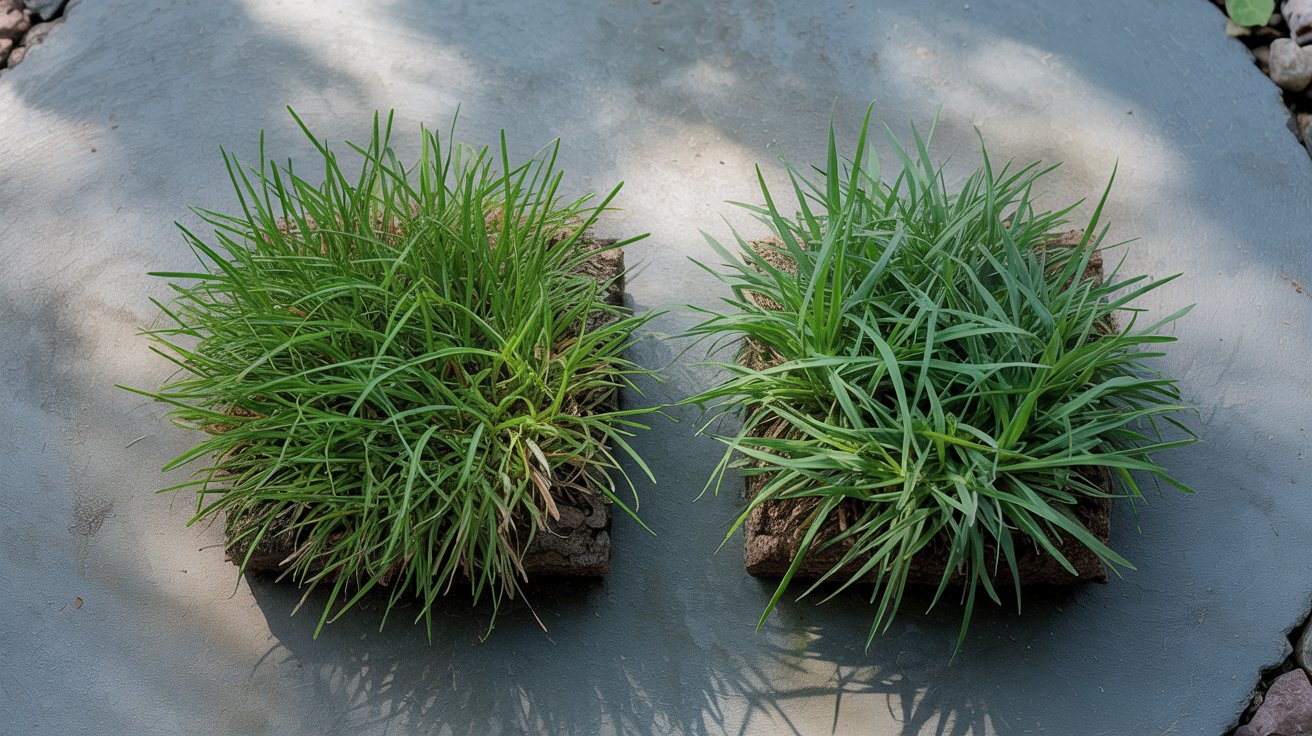
These two cool-season grasses handle heat, drought, shade, and foot traffic very differently, and picking the wrong one means fighting your lawn for years.
The short version: tall fescue wins on drought and heat tolerance, handles partial shade, and asks for less water and fertilizer over time. Perennial ryegrass germinates fast, handles heavy foot traffic well, and works best as a nurse grass or on well-irrigated sites.
University extension research from UMass turf selection confirms that perennial ryegrass germinates rapidly and establishes quickly, while tall fescue establishes more slowly but delivers superior heat and drought tolerance. That single trade-off drives most of the decisions below.
This comparison covers establishment speed, wear and drought tolerance, shade performance, maintenance load, overseeding strategy, and climate fit - everything you need to make a confident call for your specific yard.
If you want to see how these grasses stack up against another common option, the Kentucky bluegrass vs fescue comparison covers that ground directly.
In most cool-season lawns, tall fescue is the better long-term choice for drought resistance and low maintenance. Perennial ryegrass earns its place as a fast-establishing nurse grass, in high-traffic mixtures, or for winter overseeding in warm climates.
Key Differences by Use-Case
Both grasses are cool-season species, but they behave very differently once they're in the ground. Understanding where each one excels stops you from making a costly re-seeding mistake.
Remember it later
Planning to try this recipe soon? Save it for a quick find later!
According to Iowa State Extension, tall fescue carries the highest heat, drought, and traffic tolerance among cool-season grasses, yet germinates more slowly than ryegrass. Perennial ryegrass covers bare ground fast, but it can struggle badly under extended drought or deep shade.
The MSU turfgrass guide describes tall fescue as a bunch-type grass with strong wear tolerance and solid drought resistance - making it well-suited for transition zone lawns where summers are long and hot.
Perennial ryegrass fills in those bare spots faster than almost any other cool-season grass, which is exactly why it earns a place in high-traffic seed mixes even when fescue is the primary species.
Here's a quick scenario rubric for common situations:
- High traffic, well-irrigated: Perennial ryegrass establishes density fast, but pair it with tall fescue for longevity in the mix.
- Partial shade: Tall fescue tolerates light to moderate shade; ryegrass will thin out and decline in anything less than full sun.
- Drought-prone or low-water: Tall fescue is the clear call - browse grasses that survive dry summers for additional options.
- Winter overseeding warm-season turf: Perennial ryegrass is the standard choice for temporary winter color on dormant bermudagrass.
- Low-maintenance permanent lawn: Tall fescue wins on every axis - lower water, lower fertilizer, better heat resistance.
Perennial ryegrass and tall fescue are both cool-season grass types, but they have almost opposite strengths. Ryegrass is a sprinter; fescue is a distance runner.
Cost, Maintenance, and Lifecycle
Seed cost alone doesn't tell the full story. The real cost difference between these two grasses shows up in water bills, fertilizer schedules, and how often you'll need to re-seed over time.
Tall fescue generally has lower ongoing input needs than perennial ryegrass. According to WVU Extension, fescues fare better in drought and tolerate higher mowing heights, which translates directly into fewer watering cycles and less equipment time per season.
Perennial ryegrass needs water every 2-3 days during summer heat to stay green - skip irrigation for a week and it browns out quickly.
Tall fescue can go dormant under drought stress and bounce back once rain returns, which saves significant water over a full season.
For fertilizer, tall fescue typically needs 2-3 lbs of nitrogen per 1,000 sq ft per year. Perennial ryegrass in a high-traffic, irrigated setting can push toward 4 lbs.
Wondering which products actually work? The right fertilizer for your lawn type matters as much as the rate you apply it.
Mowing height also differs. Tall fescue performs best cut at 3-4 inches, which shades the soil and suppresses weeds.
Perennial ryegrass is typically mowed at 1.5-2.5 inches, meaning more frequent cuts if you want it looking clean.
- Perennial ryegrass lifespan: In hot, dry summers without irrigation, stands can thin badly within 2-3 seasons and require re-seeding.
- Tall fescue lifespan: A well-established tall fescue lawn can persist 10+ years with periodic overseeding every 3-5 years to maintain density.
- Disease pressure: Perennial ryegrass is susceptible to gray leaf spot and crown rust, especially in humid summers. Tall fescue has moderate resistance to common turf diseases.
The UMass turf fact sheet notes that fertilization needs vary by species, reinforcing that no single program fits both grasses. If you're weighing the total cost of a living lawn against alternatives, artificial turf installation cost is worth factoring in for high-maintenance problem areas.
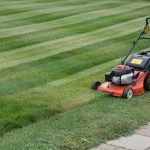
Set your mower to 3.5 inches for a tall fescue lawn in summer. Taller grass shades roots, cuts water needs, and slows weed germination — three benefits from one setting.
Overseeding Strategy and Transition
Most real-world lawns aren't pure stands of a single species. Knowing how to transition toward tall fescue dominance - or how to add perennial ryegrass as a quick-coverage component - saves you from seeding failures and clumpy, uneven turf.
University extension research confirms that in seed blends, perennial ryegrass should not dominate tall fescue. The MSU turfgrass guide recommends keeping ryegrass as a minority component and limiting Kentucky bluegrass to 0-10% in most fescue-dominated mixes.
Overseeding a thin tall fescue lawn works best in late summer to early fall, when soil temperatures sit between 50-65°F. You can track the full process at our overseeding for thicker turf guide.
If you're transitioning from ryegrass-heavy turf to a permanent fescue stand, expect a 2-3 season process. Gradually increase the fescue percentage in each overseeding cycle.
For sites where any grass feels like too much effort, natural vs artificial grass is worth an honest look.
Don't let perennial ryegrass exceed 20% of a tall fescue seed blend. Ryegrass outcompetes fescue early on, then thins under summer heat — leaving clumpy, uneven patches behind.
Seasonal Fit and Climate Considerations
Both grasses are cool-season species, but their climate comfort zones differ enough to matter. Tall fescue is built for transition zone conditions - hot summers, cold winters - while perennial ryegrass needs reliable moisture to stay competitive once temperatures climb above 85°F.
The UMass selection guide notes that fine fescues lead on shade tolerance, with tall fescue handling partial shade, and ryegrass performing poorly in anything below full sun.
For summer maintenance across both grass types, the summer lawn and garden schedule covers watering and mowing timing in detail.
| Condition | Perennial Ryegrass | Tall Fescue |
|---|---|---|
| Full Sun | Excellent | Excellent |
| Partial Shade | Poor | Moderate |
| Summer Heat | Struggles above 85°F | Tolerates 90°F+ with dormancy |
| Drought / Dry Soil | Poor — browns quickly | Good — recovers after rain |
| Wet / Clay Soil | Moderate | Good |
| Transition Zone | Risky without irrigation | Well-suited |
| Cool/Humid Northeast | Good | Good |
In the Pacific Northwest and cool-season Northeast, perennial ryegrass performs reliably because summers stay mild and rainfall stays consistent. Move into the mid-Atlantic or Midwest transition zone, and tall fescue becomes the more dependable permanent grass.
Comparing all your cool-season options before committing helps - cool-season grass selection covers the full picture of species suited to different regions.
If you've already weighed both species and still aren't sure a seed lawn is right for your site, sod vs seed cost and timing breaks down which installation method saves money and effort for each grass type.
Frequently Asked Questions
Tall fescue tolerates partial shade and performs reasonably well with 4–6 hours of sun. Perennial ryegrass needs full sun and thins out quickly under tree canopy or building shade.
Perennial ryegrass establishes fast and handles wear well, but only with consistent irrigation. Tall fescue's deep root system gives it comparable durability with far less water input on high-traffic sites.
Yes, but keep ryegrass below 20% of the blend by weight. Higher percentages let ryegrass outcompete fescue early, then thin in summer heat and leave bare clumps.
Perennial ryegrass germinates in 5–7 days under ideal conditions. Tall fescue takes 10–14 days to germinate but develops a deeper, more drought-resistant root system within the first season.
A blend of 80–90% tall fescue with 10–20% perennial ryegrass as a nurse grass works well for permanent cool-season lawns. Avoid adding Kentucky bluegrass beyond 10% in these mixes.
Pin it for your next ryegrass vs fescue project.