Two fences compete for your backyard: one costs roughly half as much to install, and the other actually blocks your neighbor's view of your yard.
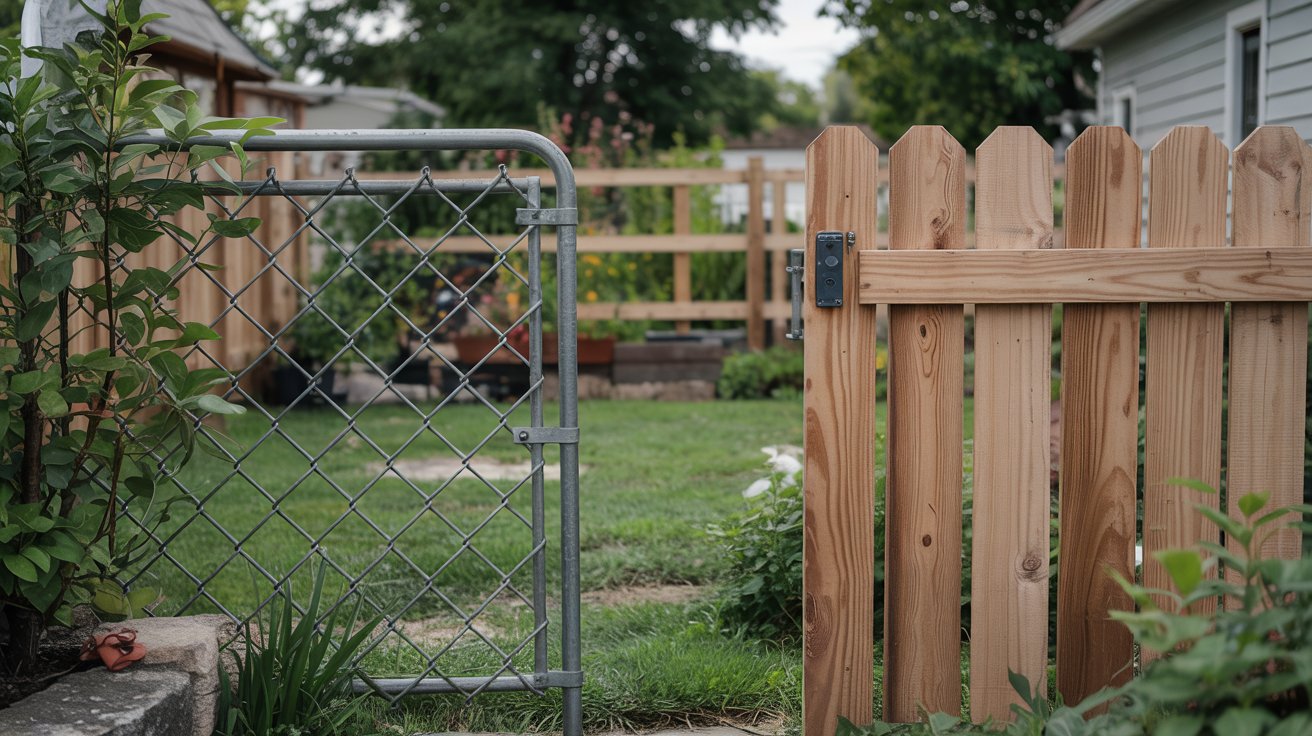
Chain link and privacy fencing solve different problems, and picking the wrong one means either overpaying for security you didn't need or under-building for the privacy you actually wanted.
The price gap is real. A 6-foot chain-link fence runs about $7 per linear foot installed, while a wood privacy fence of the same height runs closer to $15 per foot.
But cost alone doesn't settle this. Your yard's layout, your HOA rules, and how much maintenance you're willing to do all push the answer in different directions.
If you're still weighing whether a fence or hedge fits your privacy goals, that context helps sharpen the choice here too.
This comparison covers installed costs, maintenance realities, and the specific backyard scenarios where each fence type wins.
Chain link fences cost ~$7/ft installed and need almost no upkeep, making them ideal for pet containment and security. Wood privacy fences run ~$15/ft but deliver real seclusion and curb appeal.
Vinyl splits the difference at ~$8.50/ft with minimal maintenance and a long lifespan.
Direct Verdict: Chain Link vs Privacy Fence
Chain link wins on pure cost and durability where appearance doesn't matter.
Remember it later
Planning to try this recipe soon? Save it for a quick find later!
A galvanized, 9-gauge, 2-inch mesh chain-link fence with posts spaced at 10 feet is a proven, low-fuss perimeter solution - the NRCS fence standards document these specs as the benchmark for residential and agricultural use alike.
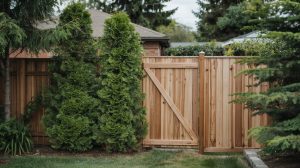
Privacy fencing wins when you want your backyard to feel like your own space. Wood boards block sightlines completely, reduce noise somewhat, and add visual weight that chain link simply can't match.
According to USU Extension fencing data, a 6-foot chain-link fence comes in at about $4.50/ft for materials and $2.50/ft for labor - roughly $7/ft all in. A 6-foot wood privacy fence is $10/ft materials and $5/ft labor, landing near $15/ft installed.
Vinyl sits in the middle at about $8.50/ft installed.
For a 150-foot backyard perimeter, that cost gap between chain link and wood privacy adds up to roughly $1,200 in extra spend - before any staining or sealing.
The verdict by scenario: if you're containing a dog, securing a side yard, or fencing a large property on a tight budget, chain link is the practical call.
If you're enclosing a patio, pool, or outdoor living area - spaces where you actually spend time and want to feel sheltered - wood or vinyl privacy fencing earns its extra cost.
Aesthetics matter more than people admit upfront. A chain-link fence does nothing for curb appeal, and in neighborhoods where outdoor living spaces are visible from the street, that gap is noticeable.
If you're comparing longer-term material decisions, the vinyl vs wood fence tradeoffs break that comparison down in detail.
Cost and Maintenance by Material
Understanding installed costs side by side helps you see where the money actually goes - materials or labor. For chain link, labor is a smaller share of the total because installation is faster.
For wood privacy fencing, skilled labor to set posts, attach rails, and hang boards is the dominant cost driver.
Maintenance costs rarely appear in upfront quotes, but they compound. Wood privacy fencing needs cleaning, staining, or sealing every 2 to 3 years to prevent rot and warping.
Chain link needs almost nothing - occasional rust treatment on damaged galvanized sections at most. You can review detailed per-project breakdowns on our full fence cost guide.
| Fence Type | Materials/ft | Labor/ft | Installed/ft | Maintenance |
|---|---|---|---|---|
| Chain Link (galvanized) | $4.50 | $2.50 | ~$7.00 | Very low |
| Privacy Wood | $10.00 | $5.00 | ~$15.00 | Stain every 2-3 yrs |
| Vinyl (3-rail/4-rail) | $5.00 | $3.50 | ~$8.50 | Rinse annually |
Vinyl is the quiet winner on long-term cost of ownership. It costs only marginally more than chain link upfront, but it delivers solid visual screening on solid-panel configurations and requires almost no annual maintenance.
Vinyl panels don't rot, don't need paint, and hold their color for 20 to 30 years in most climates.
Post spacing directly affects cost on long fence runs. The standard 10-foot post spacing used for chain link reduces the number of posts needed, which cuts both materials and labor on runs over 100 feet.
Wood privacy fencing typically uses 8-foot spacing to support heavier panel weight, which adds posts - and cost - on longer perimeters.
One note worth flagging: pressure-treated wood posts add upfront cost but significantly extend the life of a wood fence. Skipping treated lumber to save $50-$100 per post often leads to early rot at the ground line within 8-10 years in wet climates.
Whether you're budgeting for fencing or comparing it to other hardscape costs like planning a paver walkway, treating materials cost as a long-run investment makes sense.
Which Fence Fits Your Backyard Scenario?
Most backyards fall into a few common categories, and the right fence type is usually obvious once you name your actual goal. Security, privacy, pet containment, and aesthetics each pull in different directions.
Chain link handles pet containment and sports courts better than any other fence at its price point. A 4-foot or 6-foot galvanized chain-link run is nearly indestructible, easy to repair by section, and can enclose a large yard for a fraction of wood's cost.
For a working dog kennel or a backyard batting cage, chain link is the only sensible choice.
- Pool enclosures: Privacy wood or vinyl is the standard here. Most local codes require a minimum 4-foot barrier, and many homeowners go to 6 feet for both safety and seclusion around the pool deck.
- Outdoor living areas (patios, decks): Wood or vinyl privacy fencing creates the enclosed-yard feeling that makes a patio usable. If you're building out the space, pairing fencing decisions with choices like composite vs wood decking helps keep the aesthetic consistent.
- Side yards and alleys: Chain link works fine here - these spaces aren't for entertaining, and cost-per-foot savings on a narrow run add up fast.
- Front yard or street-facing areas: This is where HOA rules usually kick in. Many HOAs ban chain link entirely on street-facing sides. Vinyl or wood are the safe choices.
- Large rural lots: Chain link or agricultural wire fencing is standard. Privacy fencing on a half-acre lot would cost tens of thousands of dollars and isn't practical.
In coastal or high-humidity regions, galvanized chain link holds up better than bare steel, but wood privacy fencing needs pressure-treated lumber and annual inspection for ground-line rot. Vinyl is the lowest-risk material in wet climates — it doesn't absorb moisture and won't warp or splinter.
If your goal is privacy but your budget is closer to chain-link territory, a hybrid approach works well. Install chain link first, then add privacy slats, bamboo roll screening, or fast-growing hedges along the interior to build up seclusion over time.
Our guide on what actually creates backyard privacy covers the practical options in depth.
Lighting plays a bigger role in backyard security than most people account for during the fencing decision. A well-lit yard deters intrusion more effectively than fence height alone.
If you're building out a full backyard plan, comparing outdoor lighting costs alongside fencing helps you budget the full perimeter picture. For those ready to act, our guide to landscape lighting installation walks through the process step by step.
One often-overlooked factor: soil type affects post durability regardless of fence material. Sandy or loose soil requires deeper post setting - at least one-third of the post length below grade - which increases labor time and cost on both chain-link and wood installs.
Dense clay holds posts well but can heave in freeze-thaw cycles, loosening footings over time. Improving your soil's structure with organic matter and composting practices won't fix post footings, but it does affect drainage around fence posts and can slow rot in wood installations.
For those planning a gravel buffer along the fence line, our gravel patio DIY guide shows how to build a low-maintenance perimeter surface that reduces soil splash and weed pressure near posts.
Frequently Asked Questions
Yes — significantly. Chain link installs at roughly $7/ft versus $15/ft for wood privacy, saving over $1,200 on a 150-foot perimeter.
Yes. Woven privacy slats, bamboo roll screens, or fast-growing arborvitae planted 3 feet inside the fence line can deliver 80–90% visual screening without new posts.
Galvanized chain link typically lasts 20–30 years with minimal upkeep. Treated wood privacy fencing averages 15–20 years; vinyl privacy fencing often exceeds 30 years.
Many HOAs ban chain link on street-facing sides or front yards entirely. Rear and side yard rules vary — always check your CC&Rs before purchasing materials.
Adding motion-activated lighting, installing privacy slats in existing chain link, and planting a dense hedge row can meaningfully increase both security and screening for under $500.
Pin it for your next chain link vs privacy fence project.