A basic raised bed kit from a big-box store runs about $50-$150, but a custom-built cedar bed with proper soil fill can land closer to $500 before you plant a single seed. That gap surprises a lot of first-time gardeners.
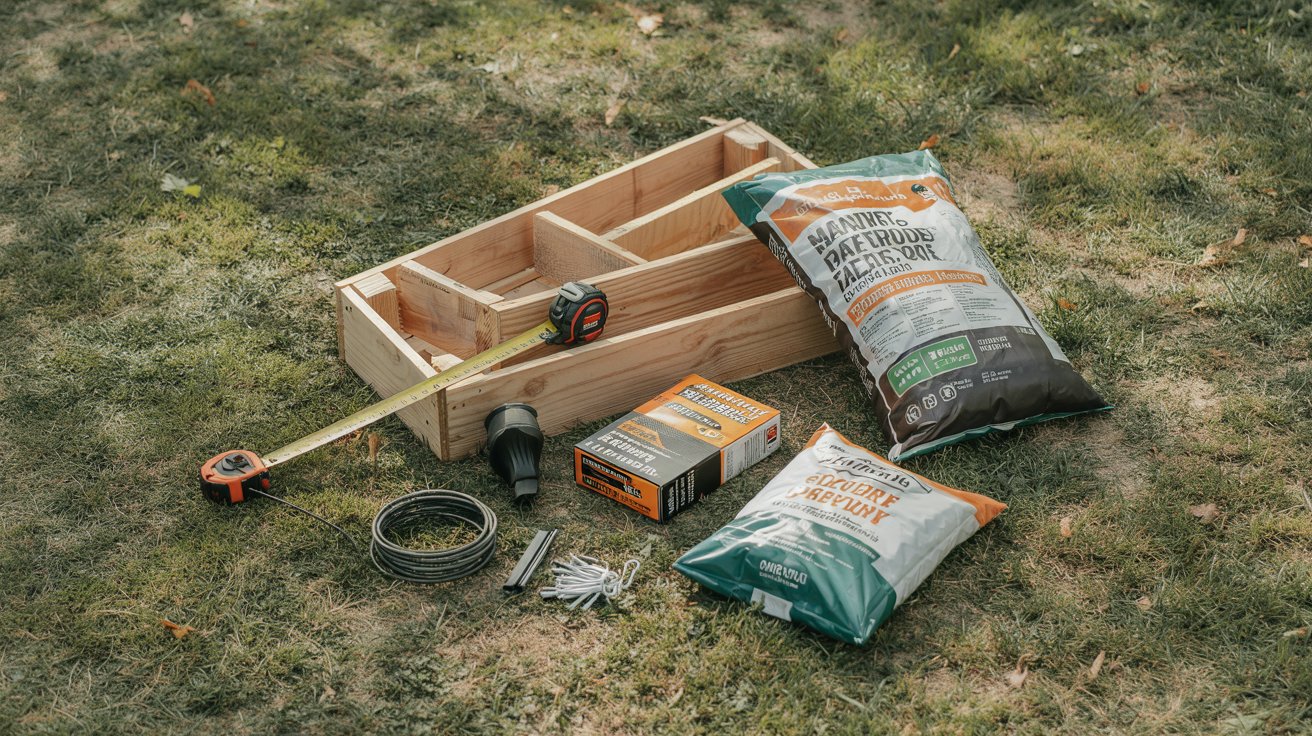
Knowing where the money actually goes helps you budget honestly and avoid mid-project sticker shock.
Material choice drives most of the cost difference. Cedar, galvanized steel, aluminum, and composite boards all carry different price tags - and different lifespans to match.
Labor is the other wildcard. A DIY build on a weekend costs you time; hiring it out can add $200-$600 in labor depending on size and complexity.
Soil fill is the expense most people forget to include upfront. A 4×8-foot bed filled to 12 inches deep needs roughly 32 cubic feet of soil mix, which often costs more than the frame itself.
We'll break down every cost layer here - frame materials, soil, add-ons, and installation - so you can compare growing methods and pick the setup that fits your budget and your yard.
Raised garden bed costs range from $50 for a basic kit to $1,000+ for a custom cedar or metal build. Frame material, bed size, soil fill, and labor all contribute.
Most homeowners spend $150–$400 total for a single 4×8 bed, including soil.
Raised Garden Bed Cost by Material
Frame material is the single biggest variable in raised bed pricing. Each option trades off cost, durability, and appearance differently.
Remember it later
Planning to try this recipe soon? Save it for a quick find later!
Wood is still the most popular choice, but not all lumber costs the same. Cedar naturally resists rot and typically lasts 10-20 years, while cheaper pine might need replacing in 3-5 years.
| Material | Typical Cost | Expected Lifespan |
|---|---|---|
| Pine / Untreated Wood | $30–$80 | 3–5 years |
| Cedar | $100–$250 | 10–20 years |
| Redwood | $150–$300 | 15–25 years |
| Galvanized Steel | $120–$300 | 20–30 years |
| Aluminum | $150–$400 | 25–50 years |
| Composite / Recycled Plastic | $100–$200 | 20+ years |
| Concrete Block | $80–$200 | Indefinite |
Cedar is the sweet spot for most gardeners - it costs more than pine upfront but the rot resistance vs. treated lumber trade-off favors cedar when food crops are involved.
Metal beds have closed the price gap with cedar considerably. Galvanized steel kits from brands like Birdies or Vegega now start around $120-$180 for a 4×8, and they won't warp, crack, or need sealing.
Aluminum costs more than galvanized steel but weighs far less — relevant if you move beds seasonally or garden on a rooftop or deck. See our aluminum vs. steel comparison for the full breakdown.
Concrete blocks and bricks cost the least per unit but require more labor to set level. A simple two-block-high 4×8 perimeter uses roughly 28-32 standard blocks at $1.50-$3 each.
Kit vs. DIY vs. Hired Build: Cost Comparison
How you build matters as much as what you build with. A pre-cut kit, a lumber-yard DIY, and a contractor build each land at very different price points.
Hiring a handyperson or landscaper to build and fill a raised bed typically adds $200-$600 in labor per bed. For one or two beds, DIY almost always saves enough to fund the soil budget instead.
If you're choosing a pre-made bed, our guide to top-rated raised bed options covers kits by material and size so you can compare before buying.

Soil and Fill Cost
First-time bed builders consistently underestimate soil costs. A 4×8 bed at 12-inch depth requires 32 cubic feet - that's more than a standard pickup truck bed can carry in one trip.
The most recommended mix is the Mel's Mix: one-third compost, one-third peat moss or coco coir, one-third coarse vermiculite. Ingredients purchased separately for one 4×8 bed run $80-$160 depending on local prices.
- Bagged garden soil: $5-$10 per 1 cu ft bag. Convenient but expensive at scale - filling a 4×8 bed with bags alone costs $160-$320.
- Bulk topsoil + compost blend: $30-$60 per cubic yard delivered. Most cost-effective for multiple beds; one yard fills roughly 2.5 beds at 12 inches deep.
- Compost only: Quality bagged compost runs $8-$15 per bag. Mixing your own via a backyard composting system cuts this cost significantly over time.
- Vermiculite: A 4 cu ft bag costs $25-$40. Often the priciest component in a Mel's Mix build.
Order bulk soil delivered by the cubic yard once you have three or more beds to fill. Delivery fees ($40–$80) become worthwhile fast, and bulk prices are 40–60% cheaper per cubic foot than bagged options.
Size and Depth: How Dimensions Change the Price
Every extra foot of length or inch of depth adds to both lumber and soil costs. Sizing your bed right before you build prevents expensive over-engineering.
Going from 6-inch to 12-inch depth doubles your soil cost but is worth it for growing root vegetables like carrots, which need at least 10-12 inches to develop properly.
A 4×4 bed costs roughly 40-50% less in lumber and soil than a 4×8 - a good starting point if you're testing raised bed gardening before committing to a full build.
Add-Ons and Extras That Raise the Total
The base frame and soil are just the start. Several common add-ons can push total project costs up by $50-$300 depending on what you choose.
- Hardware cloth lining: A 4×8 piece of ¼-inch galvanized mesh to block burrowing pests costs $15-$35. Worth every cent in gopher-prone areas.
- Drip irrigation kit: Basic soaker hose setups run $20-$60. A proper drip timer and emitter kit costs $60-$150 but saves water and guesswork.
- Corner brackets or bed connectors: Metal corner hardware adds $10-$30 and significantly extends frame life by preventing boards from bowing outward.
- Trellis or hoop system: PVC hoop kits for row cover or netting start at $20; sturdy metal trellis panels cost $40-$100.
- Landscape fabric weed barrier: A roll covering one 4×8 bed costs $8-$20 and reduces weeding time substantially in the first year.
Avoid using landscape fabric as a permanent base under beds you plan to grow root crops in — it blocks drainage and earthworm activity over time. Use it only on the surrounding paths, not inside the bed.
If you're deciding between a raised bed and a large container, factor in these add-ons before concluding which setup saves more - our cost-per-harvest comparison breaks down the long-term numbers.
Total Cost Examples by Build Type
Real-world costs depend on your material choices, bed count, and whether you DIY or hire out. These three scenarios show what a realistic budget looks like for each approach.
Scaling up to three or four beds cuts per-bed soil costs by 30-40% when you order bulk fill. The frame cost per bed stays roughly the same, but shared delivery fees spread across more beds make the math friendlier.
Wood beds can also be built from scratch in an afternoon with basic tools, which is the fastest way to cut total project cost without sacrificing quality.

Metal vs. Wood: Which Costs Less Over Time?
Upfront, cedar and galvanized steel cost about the same for a 4×8 bed. The cost difference shows up over the second decade of use.
Cedar may need board replacement after 10-15 years; a quality galvanized steel bed should still be solid at 25 years with zero maintenance. If you're planning a permanent garden layout, metal often wins on lifetime cost per year.
Our full metal vs. wood durability breakdown covers soil heat, aesthetics, and structural differences that affect long-term value beyond just price.
Ways to Cut Raised Bed Costs
Building raised beds on a tight budget is completely workable. A few strategic choices can cut your total spend by 30-50% without sacrificing function.
- Buy lumber in 8-foot lengths to minimize offcuts and avoid paying for waste.
- Order bulk compost and topsoil by the cubic yard once you have 3+ beds to fill.
- Start with a single 4×4 bed to test soil mixes and plant performance before scaling up.
- Check Facebook Marketplace and Craigslist for free or cheap cedar fencing boards - a common upcycled bed material.
- Fill the bottom 4-6 inches with wood chip or straw hugelkultur base to cut expensive soil mix volume nearly in half.
- Don't buy cheap untreated pine expecting it to last - you'll rebuild in 3 years and spend more total.
- Don't fill entirely with bagged potting mix - it costs 3-5× more than bulk blended fill.
- Don't skip hardware cloth if gophers or moles are present in your area - a $20 fix prevents total crop loss.
- Don't size beds wider than 4 feet - you'll compact soil reaching in, which undermines the whole raised bed advantage.
Planning to grow a wider variety of crops? Our guide to vegetables suited for raised beds helps you match crop selection to bed depth so you don't overbuild for crops that only need 6 inches.
Frequently Asked Questions
Filling a 4×8 bed at 12 inches deep typically costs $80–$200. Bulk delivery runs $30–$60 per cubic yard; bagged soil costs significantly more per cubic foot.
DIY lumber builds are usually 20–40% cheaper than equivalent kits. A cedar DIY bed costs $100–$200 in materials versus $150–$300 for a comparable pre-cut kit.
Cedar raised beds last 10–20 years in most climates due to natural oils that resist rot without chemical treatment. Redwood lasts even longer, up to 25 years.
Leafy greens and herbs grow fine in 6 inches. Tomatoes, peppers, and most vegetables need 10–12 inches. Root crops like carrots require at least 12 inches of loose soil.
Yes. Filling the bottom 4–6 inches with wood chips, straw, or logs can cut your purchased soil volume by 30–50%, saving $40–$100 per bed on a standard 4×8 build.
Pin it for your next how much does a raised garden bed cost? project.