Tree removal is one of those jobs where the quote you get can feel completely disconnected from what you expected. A small tree in an open yard costs a few hundred dollars.
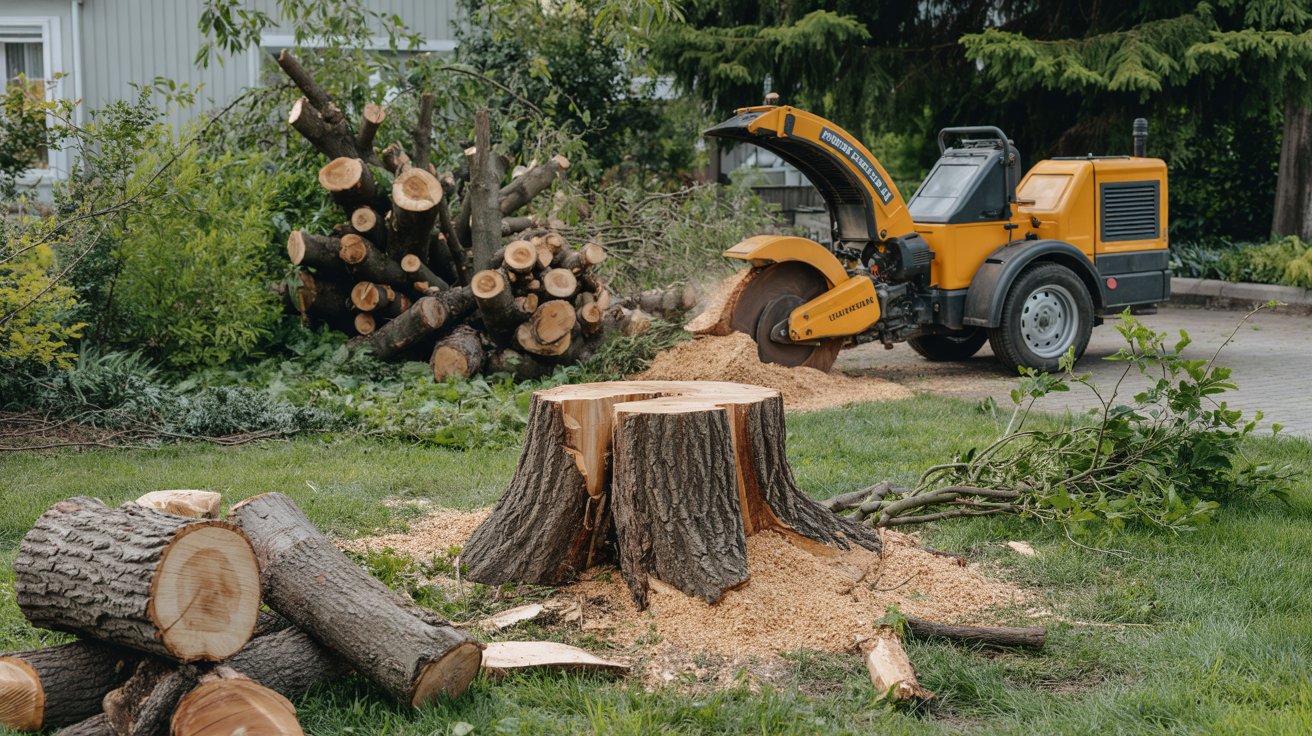
A towering oak near your house, tangled in power lines, can run several thousand. The difference isn't random - it comes down to a handful of measurable factors.
Most homeowners pay between $300 and $1,500 for a standard removal. But the range stretches from under $200 for a small dead tree to over $5,000 for a large, hazardous one in a tight space.
Size drives most of the cost. Access, condition, and what you do with the stump afterward push it the rest of the way.
Understanding those variables before you call a contractor puts you in a much better position to read a quote - and spot one that's too low to be legitimate. You can apply the same thinking to other backyard improvement projects once you know what drives professional labor costs.
This guide breaks down every cost factor, gives you real price ranges by tree size, and explains what's included - and what isn't - in a typical removal quote.
Tree removal costs $300–$1,500 on average, with large or hazardous trees reaching $5,000+. Size is the primary cost driver, followed by access difficulty, tree condition, and stump removal.
Tree Removal Cost by Size
Tree height is the fastest way contractors estimate a job. Taller trees require more equipment, more time, and more precision - especially when they're near structures.
Remember it later
Planning to try this recipe soon? Save it for a quick find later!
Here's how pricing breaks down across the four standard size categories most arborists use.
| Tree Size | Height | Typical Cost |
|---|---|---|
| Small | Under 30 ft | $150–$500 |
| Medium | 30–60 ft | $450–$1,000 |
| Large | 60–80 ft | $900–$1,800 |
| Very Large | 80 ft+ | $1,500–$5,000+ |
Small trees - ornamentals, young maples, shrubby pines - are usually one-person jobs with a chainsaw and a few hours of work. A very large tree over 80 feet often requires a crane, a full crew, and a full day on site.
Trunk diameter matters almost as much as height. A 60-foot oak with a 36-inch trunk takes far longer to cut and haul than a 60-foot poplar with a 12-inch trunk.
When you get quotes, mention both the height estimate and the trunk width at chest height.
Measure your tree's trunk circumference with a tape measure and divide by 3.14 to get the diameter. Contractors use this number to price cutting time, so having it ready speeds up the quote process.
What Factors Push the Price Up?
Size alone doesn't tell the whole story. Two trees of identical height can cost very different amounts depending on where they're standing and what condition they're in.
- Access: Trees reachable by a bucket truck or straight-pull crane cost less to remove. A tree hemmed in by a fence, shed, or tight side yard requires hand-climbing and rigging, which adds $200-$800 to the job.
- Proximity to structures: When a tree leans over a roof, pool, or power line, every section must be lowered by rope rather than dropped. Rigging time is significant labor.
- Dead or diseased trees: Dead wood is unpredictable - branches can snap mid-cut. Most contractors add a hazard premium of 20-30% for trees that are structurally compromised.
- Multiple trunks: A tree with three stems at the base is essentially three trees to cut through. Each trunk adds cutting and disposal time.
- Permit requirements: Some municipalities require a permit to remove trees over a certain diameter. Permits typically cost $60-$150 and can take days to approve.
Emergency removal - say, after a storm drops a tree on your fence - carries a premium of 25-50% over a standard scheduled job. Contractors reprioritize their schedule, and weekend or overnight callouts cost more.
If a contractor gives you a quote without walking the property, treat it as a placeholder — not a final price. Hidden obstacles like buried fencing, irrigation lines, or tight gate access almost always push costs up on the day of the job.
Stump Removal and Grinding Costs
Most tree removal quotes do not include stump removal. That's a separate service, and skipping it creates problems - stumps attract termites, produce new shoots, and get in the way if you plan to build a usable outdoor space where the tree stood.
Stump grinding is the standard approach. A machine chips the stump 6-12 inches below grade, leaving wood chips behind.
You can learn more about exact pricing in our breakdown of stump removal options.
Some contractors price stumps by diameter - typically $2-$5 per inch. Others charge a flat minimum of $75-$150 plus an hourly rate.
If you're removing multiple trees, bundling stump grinding into the same visit almost always saves money on mobilization fees.
Full stump removal - digging out the entire root ball - runs $300-$1,000 depending on tree size. It's only necessary if you're planting something directly in that spot or pouring a slab.
Additional Services and Add-On Costs
The tree coming down is just one part of what you pay for. Several line items appear on quotes that homeowners don't always anticipate.
- Log splitting: If you want firewood, most contractors will split and stack the trunk sections for an extra $75-$150. Otherwise, logs are hauled away.
- Debris hauling: Chipping and hauling branches is often included, but some low-quote contractors leave debris on site. Confirm this upfront - renting a dumpster for tree debris costs $250-$400.
- Root removal: Surface roots that threaten a driveway or foundation can be cut back for $100-$300 per session, though regrowth is common unless the stump is also removed.
- Crane rental: For very large trees in tight spaces, a crane can actually reduce total labor cost by speeding removal - but crane rental alone adds $200-$500 to the quote.
Some contractors offer a lawn protection fee for large jobs - plywood sheets over grass to protect it from equipment. Ask if that's standard or billed separately.

DIY vs. Hiring a Pro
Small trees under 20 feet with no nearby structures are genuinely DIY-able if you're comfortable with a chainsaw and understand the basics of directional felling. Rental equipment and disposal fees for a small DIY job typically run $100-$250.
The risk calculation changes fast once a tree is over 30 feet or within falling distance of anything valuable. The U.S.
Occupational Safety and Health Administration lists tree work among the most hazardous outdoor occupations - and that's for trained professionals with proper equipment.
Liability is the real reason to hire out on anything complicated. If you drop a tree on a neighbor's fence during a DIY job, your homeowner's insurance may not cover it.
A licensed arborist carries their own liability insurance.
How to Get an Accurate Quote?
Getting three quotes is standard advice - but getting three accurate quotes takes a little preparation on your end.
Some utilities will remove trees that directly threaten power lines at no cost to you. Call your utility company before paying for removal on any tree touching or leaning toward overhead lines.

Planning the Space After Removal
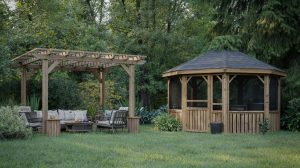
Once the tree is gone, you have a cleared area to work with - and often a budget question about what to do next. Many homeowners use the opportunity to add hardscape or replace the tree with lower-maintenance landscaping.
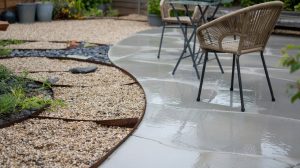
If you're weighing surface options for the cleared space, the choice between concrete and pavers comes down to budget and flexibility. A patio or deck are both common follow-up projects after a large tree comes down near a house.
Hardscape costs vary widely by material. Stamped concrete versus pavers is a common comparison for mid-range budgets, and understanding what a patio costs to install helps you plan the full project budget before the tree crew leaves.
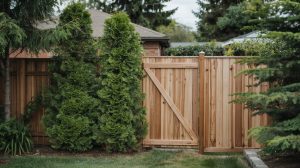
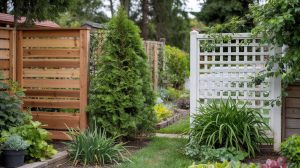
If fencing was damaged during the removal - or if you're enclosing the yard now that the tree is gone - understanding fence installation pricing and the tradeoffs between vinyl and wood fencing is a useful next step.
For larger structures, deck construction costs vary significantly by size and material.
Frequently Asked Questions
Large trees over 60 feet typically cost $900–$1,800. Trees over 80 feet with difficult access can exceed $5,000, especially if a crane is required.
Usually not. Stump grinding is almost always a separate charge, typically $150–$500 depending on stump diameter. Always confirm before signing a quote.
Many municipalities require permits for trees over 6 inches in diameter or on certain protected species lists. Check with your local planning department before scheduling work.
Emergency jobs typically carry a 25–50% premium. Contractors must rearrange schedules, and storm-related jobs often require working in hazardous conditions with damaged wood.
Winter — particularly January and February — is typically 10–20% cheaper due to low demand. Avoid scheduling during or right after storm season when contractors are fully booked.
Pin it for your next how much does tree removal cost? project.