A hot tub purchase looks simple until you start adding up the real numbers. The sticker price is just the beginning - delivery, electrical work, permits, chemicals, and monthly energy bills all stack on top.
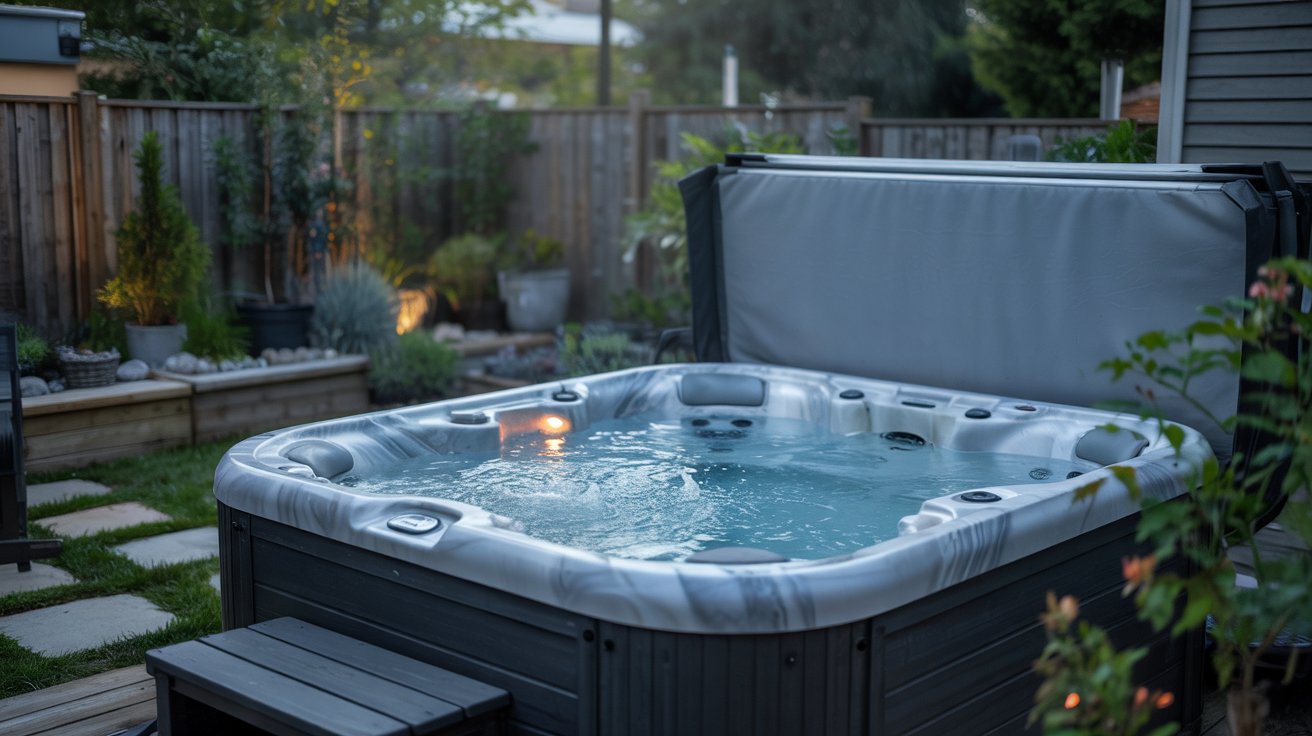
Inflatable models start around $400, but a fully installed in-ground spa can easily reach $25,000 or more before you fill it with water.
Understanding the total cost of ownership upfront saves you from budget surprises six months after installation. This guide breaks down every price tier with specific dollar ranges so you can match the right tub to your actual budget.
If you're also weighing other outdoor entertainment upgrades, knowing where a hot tub sits in your total outdoor spending helps you prioritize.
Hot tub prices range from $400 for inflatables to $25,000+ for in-ground installations. Portable hard-sided models hit the middle ground at $2,000–$10,000.
Factor in electrical work ($800–$1,600), delivery ($300–$1,500), and monthly running costs ($20–$100) to get a true ownership number before you buy.
Price Snapshot by Type
Hot tub prices split cleanly into four tiers, and the gap between the cheapest and most expensive option spans more than $20,000. The type you choose drives nearly every other cost decision downstream.
Remember it later
Planning to try this recipe soon? Save it for a quick find later!
Inflatable hot tubs run $400-$1,500 and need only a standard 110V outlet, which keeps installation costs near zero. Portable hard-sided plug-in models cost $2,000-$6,000 and usually require a dedicated 220V circuit.
Above-ground acrylic or wood-sided spas range from $3,000-$10,000 installed, while in-ground hot tubs land between $8,000 and $25,000 once excavation and plumbing are complete.
Delivery and basic setup for above-ground units typically adds $300-$1,500 to the purchase price, depending on site access and distance from the retailer. That number climbs fast if a crane is needed to clear a fence or roof overhang.
- Inflatable ($400-$1,500): PVC construction, 2-6 jets, heats slowly to around 104°F. No permanent installation needed.
- Plug-in portable ($2,000-$6,000): Rigid acrylic or plastic shell, 10-30 jets, requires a dedicated 220V outlet in most cases.
- Above-ground spa ($3,000-$10,000): Full acrylic shells with insulated cabinet, 20-60+ jets, and optional smart controls.
- In-ground ($8,000-$25,000): Gunite, fiberglass, or tile construction; often paired with a pool; includes excavation, plumbing, and electrical.
For context on how these costs compare to a full pool project, the inground vs above-ground price gap follows a similar pattern - site prep and labor dominate the in-ground category.
Inflatable vs Plug-In vs Built-In: Real Price Data
The price difference between hot tub types comes down to three things: materials, jet count, and whether the unit needs permanent electrical and plumbing connections. Each step up the ladder adds durability and features but multiplies installation cost.
Saltwater systems are an optional add-on worth budgeting separately. They cost $500-$1,700 to install on an existing spa, and the saltwater generator cell needs replacement every 3-6 years at $100-$500 per cell.
That ongoing cost is lower than traditional chemical programs for many owners, but the upfront price is significant.
| Type | Unit Cost | Delivery/Install | Electrical Add-On |
|---|---|---|---|
| Inflatable | $400–$1,500 | $0–$100 (self-setup) | None (110V outlet) |
| Plug-in Portable | $2,000–$6,000 | $300–$800 | $800–$1,600 (220V circuit) |
| Above-Ground Acrylic/Wood | $3,000–$10,000 | $500–$1,500 | $800–$1,600 |
| In-Ground | $8,000–$25,000 | Included in install | Included in install |
| Saltwater System Add-On | $500–$1,700 | — | — |
Acrylic shells resist UV damage and cracking far better than inflatable PVC, which typically lasts 3-5 years with regular use. That durability gap explains most of the price jump between the first two tiers.
Higher-end portable models also include foam insulation rated to reduce heat loss, which cuts monthly energy bills noticeably.
In-ground installations require electrical wiring baked into the overall project cost. Above-ground units still need a permanent vs temporary setup decision made early, because running a new 220V circuit after the spa arrives costs more than planning it before delivery.
Order your electrical work 2–3 weeks before spa delivery. Electricians are often booked out, and having the circuit ready on arrival day avoids a second service call fee of $150–$300.

Cost Drivers That Move the Final Price
Two line items catch buyers off guard more than any other: electrical upgrades and site preparation. A standard 50/60-amp dedicated circuit with a 220V GFCI outlet costs $800-$1,600 depending on panel distance and local labor rates.
If your main panel needs an upgrade to handle the load, add another $500-$2,000 on top.
In-ground installations carry costs that above-ground units never touch - excavation, permits, and plumbing tie-ins push the labor bill well above the material cost alone. Permits for in-ground hot tubs typically run $100-$250 but vary by municipality.
Cold-climate installations (Zone 5 and below) often require additional insulation or freeze-protection systems, adding $300–$700 to above-ground unit costs. Factor this in if you plan to run the spa year-round in northern states.
Heater type matters more than most buyers realize. Titanium heaters last longer in saltwater systems than standard stainless steel, but they cost more upfront.
Insulation quality - measured by foam density and cover R-value - directly affects how hard the heater works and how high your monthly electricity bill runs.
Site access is another wildcard. A spa delivered to a backyard with a wide gate costs far less to place than one that requires a crane over the roofline.
Crane lifts typically add $300-$600 to delivery costs. Planning the access route before you order saves real money.
Comparing these cost patterns to other outdoor projects like building an outdoor kitchen yourself shows a consistent theme: labor and site prep routinely match or exceed material costs on permanent installations.
Running Costs and Maintenance
The purchase price ends at delivery. Operating costs run for the life of the spa, and they vary significantly by tub type, climate, and usage frequency.
Budgeting for ongoing expenses upfront prevents the monthly bill from becoming a surprise.
Above-ground models cost roughly $20-$60 per month in electricity under typical use. In-ground and built-in models - which hold more water and take longer to heat - run $30-$100 per month.
Those numbers climb in cold climates if the spa is used year-round and the cover is thin or damaged.
| Expense | Above-Ground | In-Ground | Notes |
|---|---|---|---|
| Electricity | $240–$720/yr | $360–$1,200/yr | Varies by climate and insulation |
| Chemicals & Filters | $120–$370/yr | $150–$400/yr | Lower with saltwater system |
| Saltwater Cell (if applicable) | $100–$500 every 3–6 yrs | $100–$500 every 3–6 yrs | Generator cell replacement only |
| Cover Replacement | $200–$500 every 3–5 yrs | $200–$500 every 3–5 yrs | Critical for heat retention |
| Annual Service/Inspection | $100–$200/yr | $150–$300/yr | Optional but recommended |
Chemicals and filters for a chlorine or bromine system cost $120-$370 per year on average. Saltwater systems reduce that chemical spend but require the generator cell replacement noted above.
Choosing between systems is worth a close read - comparing heating system types involves similar trade-offs between upfront cost and long-term efficiency.
A worn-out cover is one of the most overlooked operating costs. A good insulated cover keeps heat in and debris out, and replacing it every 3-5 years at $200-$500 is far cheaper than paying to reheat a poorly insulated tub every night.
If the cover feels waterlogged and heavy, it has already lost most of its insulating value.
Owners who drain and refill their spa every 3-4 months (standard practice) also pay for water. At typical municipal rates, a full drain-and-refill costs $5-$20 depending on tub volume.
Small cost, but it adds to the annual total.
For a broader look at how utility-heavy outdoor features affect your budget, the monthly cost of irrigation systems follows a similar pattern of low per-event costs that compound over a season.

How to Budget and Plan?
A realistic hot tub budget has four layers: the unit, delivery and installation, electrical work, and a first-year operating reserve. Most buyers plan for the first two and get caught by the last two.
Working through the steps below before you shop prevents that gap.
Permit requirements catch many buyers off guard on in-ground projects. Most municipalities require a permit for in-ground installations, and some require them for above-ground units permanently connected to electrical systems.
Permit fees typically run $100-$250, but failing to pull one can trigger fines or forced removal.
Planning your full outdoor space as a cohesive project often saves money. Bundling a hot tub installation with other hardscaping work - like a patio or retaining wall - lets you share mobilization costs with a contractor.
The same logic applies when pricing new lawn installation alongside outdoor upgrades: contractors discount repeat site visits.
For buyers still deciding how a hot tub fits into a larger outdoor vision, browsing durable patio furniture options alongside your spa research helps you plan the full space budget in one pass.
Similarly, if a full pool is on the table, comparing the above-ground vs inground decision early keeps the total project cost in check.
Don't overlook the pad or base. A reinforced concrete pad for an above-ground spa costs $500-$1,500 installed, depending on size and thickness.
Some manufacturers require a minimum 4-inch concrete slab to honor warranty terms - check before pouring.
If you're building out a full outdoor entertaining area, pairing hot tub costs with a quality grill investment and comparing against patio and deck project budgets gives you a realistic picture of total outdoor spending.
Low bids that exclude electrical work or site prep are almost always incomplete. Ask every contractor to confirm what's excluded in writing before signing anything.
Frequently Asked Questions
Above-ground installation runs $300–$1,500 for delivery and setup plus $800–$1,600 for electrical. In-ground installations typically cost $8,000–$25,000 total including excavation and plumbing.
Yes. Inflatable models cost $400–$1,500 with near-zero installation cost. Built-in in-ground spas start at $8,000 and can exceed $25,000 fully installed.
Type of construction (inflatable vs in-ground) drives the biggest cost gap. Electrical upgrades, site access difficulty, and jet count are the next largest price variables.
In-ground installations almost always require a permit, typically $100–$250. Some municipalities also require permits for above-ground units hardwired to a 220V circuit.
Above-ground models typically cost $20–$60 per month in electricity. In-ground models run $30–$100 per month, with higher costs in cold climates and older, poorly insulated units.
Pin it for your next how much does a hot tub cost? project.