Most homeowners don't think about stump grinding costs until a freshly cut tree leaves an ugly reminder in the yard.
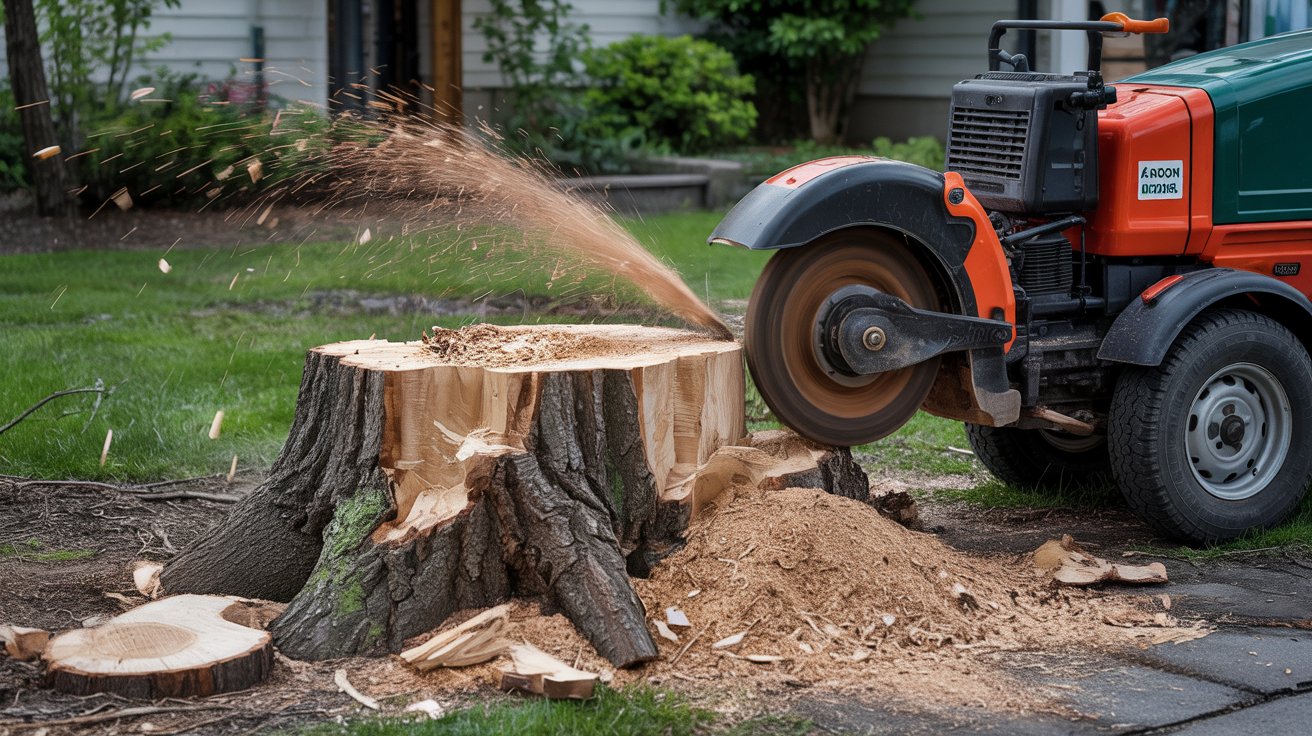
A single stump can run anywhere from $75 to $400, depending on how wide it is and where you live - and knowing that range before you call a contractor puts you in a much stronger position to budget and negotiate.
Pricing breaks down two ways: a flat per-stump fee or a per-diameter-inch rate, typically $2 to $5 per inch. Many contractors use the per-inch model because it directly ties the job size to the price.
Regional labor rates shift the numbers meaningfully. A 20-inch stump that costs $80 in rural Tennessee might run $160 in the San Francisco Bay Area.
This guide covers real dollar ranges, what drives them up or down, and a clear framework for comparing quotes from local arborists and landscaping contractors.
Municipal contract data shows per-inch pricing in official use, confirming this isn't just a contractor invention - it's a standardized billing method with real-world backing.
Stump grinding typically costs $150–$350 per stump for professional service, billed at $2–$5 per diameter inch. Rental machines run $100–$200 per day.
Total project cost depends on stump count, diameter, depth, debris removal, and regional labor rates.
Stump Grinding Cost Snapshot
Professional stump grinding typically falls between $150 and $350 per stump for average residential jobs, according to Angi's cost data. The wide range reflects real differences in stump diameter, wood hardness, and local labor costs - not just contractor markup.
Remember it later
Planning to try this recipe soon? Save it for a quick find later!
Per-inch pricing makes the math transparent. A 10-inch stump at $3 per inch costs $30 for grinding alone, but most contractors add a minimum service fee of $75-$150 to cover mobilization, so that 10-inch stump likely still bills at $100 or more total.
Large stumps cost significantly more. A 36-inch oak stump at $4 per inch runs $144 in grinding fees before the minimum call-out charge, debris hauling, or travel fees are added.
Forbes market-wide cost research puts the typical total for large stumps at $300-$500 when all fees stack up.
Multiple stumps on the same property usually earn a volume discount. Many contractors drop their per-inch rate by $0.50-$1.00 when grinding five or more stumps in one visit, since mobilization is a fixed cost split across more work.
| Stump Diameter | Per-Inch Rate | Estimated Total (with min. fee) |
|---|---|---|
| Under 12 inches | $2–$5/inch | $75–$150 |
| 12–24 inches | $2–$5/inch | $150–$250 |
| 24–36 inches | $2–$5/inch | $250–$350 |
| Over 36 inches | $3–$5/inch | $350–$500+ |
| 5 stumps (avg. 18 in.) | Volume rate | $500–$900 |
Travel fees apply when your property is far from the contractor's base. Expect a $25-$75 surcharge for jobs more than 20-30 miles out.
Debris removal - hauling wood chips and grindings off-site - adds another $50-$100 per stump if you don't want to spread the chips yourself.
If you're budgeting a broader landscape refresh, you can estimate combined costs using a full backyard project calculator that factors in multiple job types at once.
What Drives the Price Up or Down?
Stump diameter is the single biggest cost lever. Each additional inch of diameter adds $2-$5 to the base grinding fee, which means a 30-inch stump can cost three times more than a 10-inch one from the same contractor.
Grinding depth matters more than most homeowners realize. Standard grinding goes 6-8 inches below grade, which is enough for replanting grass.
Going deeper - 12 inches or more for a new tree or garden bed - adds time and wear on the equipment, often adding $25-$75 to the job.
- Stump count: The first stump carries the full mobilization cost. Each additional stump on the same visit costs less per unit because the travel and setup are already covered.
- Wood hardness: Hardwoods like oak, maple, and hickory dull grinding teeth faster. Some contractors charge 10-20% more for hardwood stumps versus pine or poplar.
- Site accessibility: A stump tucked behind a fence or on a slope requires smaller, slower equipment. Tight-access jobs routinely add $50-$150 to the quoted price.
- Debris handling: Leaving wood chips on-site is usually free or low-cost. Hauling them away adds $50-$100 per stump - but you can also use the chips as mulch around fire pit areas or garden beds.
- Regional labor rates: Contractors in high cost-of-living metros charge more simply because their overhead is higher. The same job can cost 40-60% more in coastal cities compared to the rural Midwest.
Urban markets in the Northeast and West Coast consistently show higher stump grinding rates — often $4–$5 per inch versus $2–$3 in the Southeast and Midwest. Forbes pricing data confirms this regional spread is driven primarily by local wage rates, not equipment costs.
Permit requirements are rare for stump grinding, but some municipalities require notification if the stump is near a utility easement or public right-of-way. Always call 811 before grinding to mark buried lines - hitting a utility line during grinding causes costly repairs and project delays.
For context on how stump removal fits within full landscaping project pricing, the total cost of clearing a yard often combines tree removal, stump grinding, and grading in a single estimate.
Renting vs. Hiring a Professional
Renting a stump grinder makes financial sense in one specific scenario: you have three or more stumps of moderate size and enough time to tackle them yourself over a full day.
A day rental typically runs $100-$200, with weekly rates around $400-$700, according to rental cost guides.
The breakeven math is straightforward. If a pro quotes $600 for four stumps and a full-day rental plus fuel costs $175, you save $425 - but only if you can finish in one day and return the machine undamaged.
Official rental schedules from suppliers like regional tool rental companies show most stump grinders rent in the $150-$200/day range for residential-grade machines.
| Scenario | DIY Rental | Hire a Pro |
|---|---|---|
| 1 small stump (10 in.) | $150–$200 (full day rental) | $75–$150 (min. fee) |
| 3 mid-size stumps (18 in.) | $175–$220 (rental + fuel) | $350–$600 |
| 6 large stumps (30 in.) | $350–$500 (2-day rental) | $900–$1,800 |
For a single stump under 18 inches, hiring a pro almost always costs less than renting. Minimum rental fees plus fuel and your time make DIY uneconomical for just one stump. Save the rental option for jobs with three or more stumps in a single session.
Skill matters too. Stump grinders are heavy, powerful machines that can kick back or damage irrigation lines and tree roots.
If you haven't operated one before, budget an extra hour of learning time - or factor in the cost of a potential repair visit.
How to Get an Accurate Quote and Cut Costs?
Getting the right price starts before you pick up the phone. Contractors quote more accurately - and more competitively - when you give them specific information upfront rather than asking for a rough ballpark.
Knowing your full tree removal costs alongside stump grinding lets you decide whether to bundle both services with one contractor for a potential discount. The steps below walk through exactly what to gather and ask.
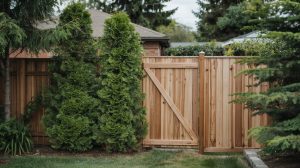
Bundling stump grinding with other yard work - fence installation, sod laying, or patio construction - can save on total mobilization fees. A contractor already on-site for fence installation may grind a nearby stump at a reduced rate since their equipment is already there.
Homeadvisor's stump grinding cost guide recommends asking contractors to itemize each line - grinding, depth surcharge, debris, and travel - so you can compare quotes on equal terms rather than just the headline number.
Angi's data reinforces this approach, noting that the largest price discrepancies between bids typically come from how debris handling and depth are scoped, not from the base grinding rate itself.
Once the stump is gone, that cleared patch opens up real options - from a new patio or deck surface to replanting a shade tree. Knowing your full project costs upfront makes that decision easier.
You might also consider whether the cleared space fits into broader yard improvement plans that combine multiple upgrades in one season.
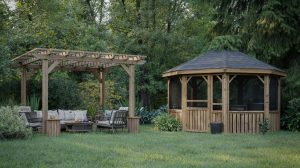
If the cleared area needs new grass, compare sod versus seed pricing before filling in the bare patch - sod runs $0.87-$1.76 per square foot installed, which adds up quickly for a large cleared area. For larger landscaping additions nearby, like a covered pergola structure, bundling quotes with your stump grinder visit can save on contractor minimums.
Similarly, if you're planning a full outdoor build, understanding the materials and labor involved in DIY pergola builds helps you prioritize which parts of the project to outsource.
Frequently Asked Questions
Most contractors charge $2–$5 per diameter inch. A 20-inch stump costs $40–$100 in grinding fees before the minimum service charge applies.
Only if you have three or more stumps. Daily rentals run $100–$200, making DIY uneconomical for a single stump versus a contractor's $75–$150 minimum fee.
A professional typically grinds one average stump in 15–30 minutes. Larger hardwood stumps over 30 inches can take 45–60 minutes depending on depth required.
No full root removal is necessary for most purposes. Grinding to 6–8 inches below grade lets roots decay naturally over 3–7 years without causing surface problems.
Yes — three quotes is the practical minimum. Price spreads of 40–60% between bids are common, mostly due to differences in how debris removal and grinding depth are scoped.
Pin it for your next how much does stump grinding cost? project.