A cheap feeder on a poor location will feed squirrels, not birds. Getting the setup right from the start saves money, frustration, and wasted seed.
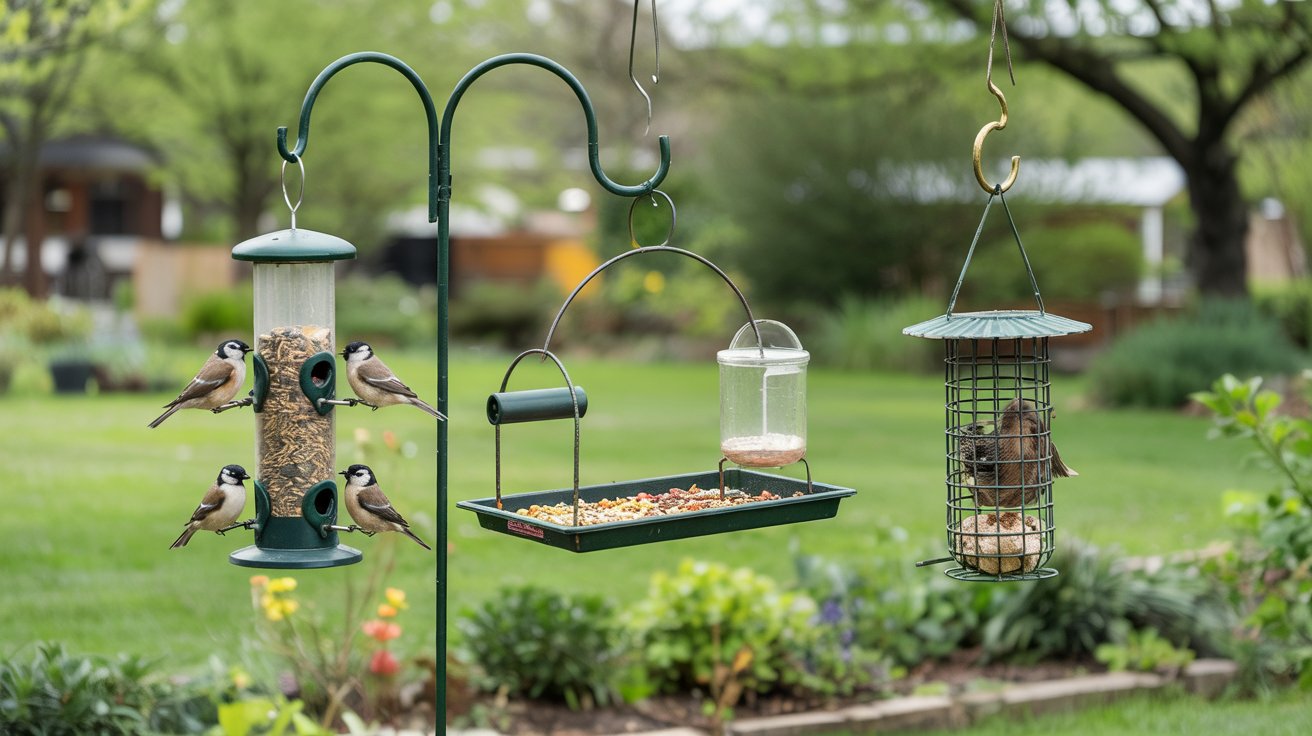
Most backyard birders need two feeders, not one. A tube feeder for small perching birds and a platform feeder for ground-feeding species like cardinals and doves cover the widest range of visitors.
Budget matters here. Expect to spend $15-$40 for a solid tube feeder, $10-$25 for a basic platform, and $40-$80 for a genuinely effective squirrel-proof model.
Seed costs add up fast - Nyjer seed research from the University of Florida puts Nyjer around $1.50 per pound, while black-oil sunflower runs cheaper and attracts far more species.
This guide maps each feeder type to real yard conditions - yard size, squirrel pressure, target birds, and budget - so you can make one confident purchase instead of three regrettable ones.
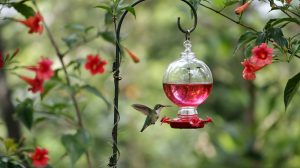
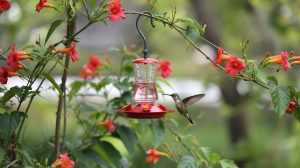
If hummingbirds are also on your wishlist, you'll want to check out a nectar feeder built for hovering rather than adapting a seed feeder.
Most yards need a tube feeder for finches and chickadees, a platform feeder for cardinals and sparrows, and a squirrel-proof model if squirrel pressure is high. Budget $25–$80 total for a solid two-feeder setup with quality seed.
Start with black-oil sunflower seed in a tube feeder. It attracts over 40 North American species and costs less per pound than specialty seeds like Nyjer or safflower.
How to Choose the Right Feeder for Your Yard?
Skipping the decision process is why most people end up with a feeder that sits half-full for months. Work through these five steps before you buy anything.
Remember it later
Planning to try this recipe soon? Save it for a quick find later!
According to Project FeederWatch, the feeders that get used most consistently are the ones matched to the birds already visiting the yard - not the most expensive models.
Cleanability also drives long-term success. Feeders that disassemble in under two minutes get cleaned regularly; those with hard-to-reach corners get ignored and become disease risks.
Tube, Platform, and Squirrel-Proof: Side-by-Side
Each feeder type serves a different feeding style. Knowing the tradeoffs prevents buying a tube feeder when your most-wanted bird is a cardinal that can't grip a narrow perch.
You can read a full breakdown of hardware and baffles when you want to block squirrels effectively from any feeder style.
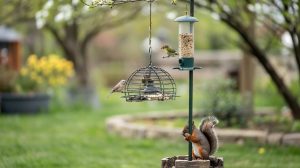
Squirrel-proof feeders occupy their own category. FeederWatch's feeder guide notes that weight-activated caged models are the most consistent performers, closing seed access when anything heavier than a songbird lands.
Port sizing matters too - Nyjer ports must be very small (around ⅛ inch) or the seed spills and wastes fast, as noted in UF/IFAS feeder design data.
Platform feeders win on species variety but need more frequent cleaning because rain reaches the seed. For a covered platform, add $5-$15 for a roof tray - worth it in wet climates.
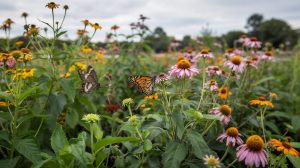
Attracting a wider range of pollinators alongside birds is a natural next step - see how a butterfly garden complements a feeder setup in the same yard space.
Placement and Maintenance That Actually Works
Even the best feeder fails if it's hung in the wrong spot or cleaned twice a year. These two factors - placement and hygiene - determine whether birds return daily or disappear after the first week.
Window strikes are a real hazard. Place feeders either within 3 feet or beyond 30 feet from windows.
The 3-foot zone keeps approach speed too low to cause injury; beyond 30 feet, birds redirect before reaching glass.
- Keep feeders 10 feet from trees. This gives birds clear sight lines to spot predators while removing easy squirrel launch points.
- Clean every 1-2 weeks. The U.S. Fish and Wildlife Service recommends cleaning at minimum every two weeks and more often in wet or humid weather.
- Store seed in a sealed container. Dry seed in an airtight bin prevents mold and deters mice better than the original bag.
- Use a seed tray or catcher. Dropped seed under the feeder attracts rats and wasps - a tray keeps waste contained and reduces ground-level pests.
- Don't hang feeders directly over decks or patios. Seed hulls and droppings accumulate fast and stain surfaces - which adds up quickly if you've invested in a pergola or outdoor structure.
- Don't let wet seed sit. Clumped or moldy seed spreads Aspergillosis and other fungal diseases to birds.
- Don't skip cleaning because birds "still seem fine." Salmonella and finch eye disease (Mycoplasmal conjunctivitis) spread silently through dirty feeders before visible symptoms appear.
- Don't place feeders on fences near thick shrubs. This creates a highway for squirrels and gives cats an ambush point.
One more detail: pull feeders in temporarily during peak squirrel breeding seasons (late winter and midsummer) if pressure spikes. Two weeks without food trains squirrels to look elsewhere.
You can also learn what draws hummingbirds to a yard - what actually brings hummingbirds back each season involves more than just a feeder.
For a broader look at backyard wildlife feeding beyond seed stations, the wildlife and birds resource hub covers feeding, habitat, and seasonal planning in one place.
Never use oil-based lubricants on feeder poles to deter squirrels. They coat bird feathers, destroying waterproofing and insulation. Use a metal baffle instead.
Frequently Asked Questions
Cardinals need a wide platform or hopper feeder with a full perch ring at least 3 inches wide. They won't use narrow tube ports and strongly prefer safflower or sunflower seed.
Clean feeders every 1–2 weeks using a 9:1 water-to-bleach solution, then rinse thoroughly and dry completely before refilling. Increase to weekly during rainy periods.
Black-oil sunflower seed attracts the broadest range of North American backyard species. Nyjer draws finches specifically, and safflower discourages house sparrows while still attracting cardinals.
Weight-activated models block access reliably when placed at least 10 feet from any jump-off surface. No feeder is 100% squirrel-proof if mounted within leaping range of a fence or branch.
A covered platform feeder filled with black-oil sunflower seed consistently draws the most species in North American yards — typically 15–20 species where tube feeders average 8–12.
Pin it for your next best bird feeders for your backyard project.