Picking up the wrong weed killer is one of the fastest ways to damage a lawn you've spent months building.
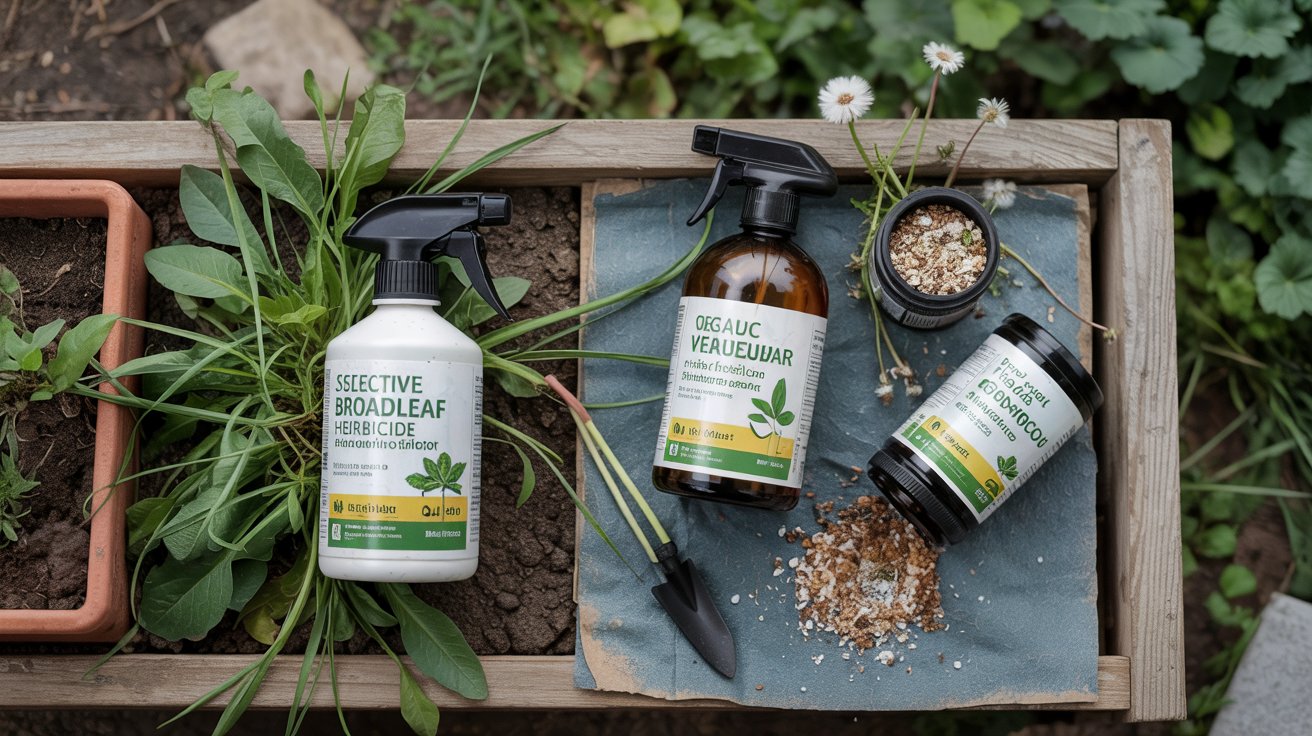
The wrong active ingredient on the wrong grass species can cause yellowing, thinning, or outright kill patches - and by the time you notice, it's too late to fix without reseeding.
Most homeowners face three distinct problems at once: weeds already growing, weeds about to germinate, and uncertainty about what's safe around pets and kids. No single product solves all three.
Understanding cool-season vs warm-season grass differences is the first real filter. A product labeled safe for tall fescue may injure bermudagrass, and vice versa - that one detail alone narrows your options significantly.
We put this guide together to help you match the right product category to your specific lawn type, weed pressure, and safety requirements. You'll leave with a clear pick, not just a list of options.
Choosing the best weed killer for lawns comes down to weed type, grass species, and timing. Selective herbicides handle broadleaf weeds in established lawns.
Pre-emergents stop seeds before they sprout. Organic options like corn gluten meal reduce chemical exposure with trade-offs in speed.
Buying Checklist for Lawn Weed Control
Before you buy anything, run through these five filters: weed type, grass species, product category, timing window, and safety requirements. Missing one almost always leads to a wasted purchase or worse, lawn damage.
Remember it later
Planning to try this recipe soon? Save it for a quick find later!
The broadleaf vs. grassy weed distinction matters most upfront. Broadleaf weeds like dandelions, clover, and plantain respond well to selective herbicides.
Grassy weeds like crabgrass and goosegrass require different chemistry - and often pre-emergent timing instead of post-emergent sprays.
| Filter | What to Determine | Why It Matters |
|---|---|---|
| Weed type | Broadleaf or grassy weed? | Determines product category |
| Grass species | Cool-season or warm-season? | Selective tolerance varies by species |
| Product category | Selective, pre-emergent, or organic? | Match to weed stage and lawn type |
| Timing window | Spring, fall, or active growth? | Affects efficacy and turf safety |
| Safety requirements | Pets, kids, or edible garden nearby? | Restricts active ingredients |
| Coverage area | Square footage of treatment zone | Determines concentrate vs. RTU format |
For when to apply each treatment, timing is as important as product choice. Applying a post-emergent herbicide in midsummer heat can stress the lawn even when the product is technically label-safe.
Common broadleaf herbicides include 2,4-D, MCPP, and dicamba. According to Iowa State Extension, label timing and grass tolerance drive safe use for all three.
Always confirm your grass species matches the label before treating.
Organic pre-emergents like corn gluten meal offer a lower-toxicity path, but require precise timing to be effective. Research from UW-Madison Extension shows that weed pressure and application timing both significantly affect how well corn gluten meal performs.
Buy concentrate formulas for areas over 5,000 sq ft — they cost 40–60% less per square foot than ready-to-use bottles. For spot treatments on small patches, RTU sprays save mixing time and reduce waste.
Categories Explained: What to Buy and Why
Three product families cover nearly every residential lawn weed problem. Each solves a different stage of the weed lifecycle, so the right choice depends on whether weeds are already growing or haven't germinated yet.
Selective herbicides are the most commonly used category for established lawns. They target specific weed species while leaving turf grasses unharmed - provided the label lists your grass species as tolerant.
Most selective broadleaf products combine two or three active ingredients for wider control.
| Category | Best For | Key Active Ingredients | Timing |
|---|---|---|---|
| Selective herbicide | Broadleaf weeds in established turf | 2,4-D, MCPP, dicamba | Spring/fall, active weed growth |
| Synthetic pre-emergent | Crabgrass and annual grassy weeds | Pendimethalin, prodiamine | Before soil reaches 55°F |
| Organic pre-emergent | Low-toxicity seed prevention | Corn gluten meal | Early spring, dry conditions needed |
| Organic post-emergent | Spot treatment, low-chemical zones | Acetic acid, clove oil | Direct contact, warm dry weather |
Selective herbicide combinations like 2,4-D + dicamba offer broader broadleaf control than single-ingredient products. Colorado State University Extension notes that combination herbicides improve control of hard-to-kill species like wild violet and ground ivy that resist 2,4-D alone.
For warm-season lawns prone to crabgrass - like bermudagrass or zoysia vs bermuda comparisons often reveal - a synthetic pre-emergent applied in early spring is more reliable than post-emergent removal later in the season.
Organic post-emergents based on acetic acid (concentrated vinegar) or clove oil kill on contact but offer no soil residual, so they work best for isolated spot treatments rather than lawn-wide applications.
According to Mississippi State Extension, active ingredient combinations and label-specific guidance are critical to matching product to weed profile.
Corn gluten meal stands apart from contact organics - it's a natural pre-emergent that inhibits root formation as seeds germinate, making it a prevention tool rather than a cure. It also adds about 10% nitrogen to the soil as it breaks down.

How to Pick the Right Weed Killer: Step by Step?
This five-step sequence takes about ten minutes and prevents the most common buying mistakes. Work through it before you add anything to your cart.
Mowing height directly affects herbicide performance. A correct mowing technique keeps turf dense enough to outcompete weeds between spray applications, reducing how often you need to treat.
If you're dealing with an aggressive invasive rather than common lawn weeds, the approach changes significantly. Persistent plants like Japanese knotweed control require a separate herbicide strategy and often multiple-season commitment.
Never apply broadleaf herbicides containing dicamba when air temperatures exceed 85°F. Volatilization increases sharply in heat, and the product can drift onto nearby garden plants, shrubs, or vegetable beds even with careful application.
After treatment, give the lawn at least two weeks before evaluating results. Yellowing or wilting in the treated weeds is normal - that's the herbicide working.
Yellowing in the surrounding turf is a sign of product stress and warrants a closer look at your label rate and grass compatibility.
If drought-resistant grass varieties make up your lawn, verify that the label tolerances apply specifically - some drought-adapted cultivars have different sensitivities than their parent species.
Seasonality, Regional Timing, and Safety
Timing a weed treatment to the right season in your region is often more important than brand choice. The same product applied two weeks too early or too late can fail entirely or cause avoidable turf stress.
Pre-emergent timing is tied to soil temperature, not calendar date. In the South and Southwest, pre-emergents for crabgrass often need to go down in late February or early March.
In northern states, the window may not open until mid-April. A soil thermometer is a worthwhile $10 investment.
In the Deep South (zones 8–10), warm-season grasses break dormancy earlier, so pre-emergent windows open 4–6 weeks ahead of northern cool-season lawns. Mississippi State Extension's regional herbicide timing guidance provides state-specific application windows for common weed species.
Post-emergents for broadleaf weeds perform best when weeds are actively growing - typically spring and early fall. Summer applications in heat above 85°F risk volatilization and turf burn, particularly with dicamba-containing products.
For pet and child safety, check the label's reentry interval. Most selective broadleaf herbicides require keeping pets and kids off the treated area until the product dries, typically one to two hours.
Iowa State Extension's lawn weed guidance notes that following label precautions and allowing adequate drying time significantly reduces exposure risk.
If you prefer to remove weeds without chemicals, organic options have near-zero reentry concerns, though they typically require more frequent applications and precise timing to achieve comparable results.

Affiliate Picks and Bundles: What to Buy Today
Matching a product to your lawn scenario is faster when you think in bundles. A dandelion-heavy cool-season lawn needs a different starting kit than a crabgrass-prone warm-season lawn in the Southeast.
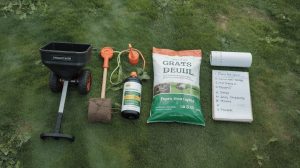
For cool-season lawns with broadleaf pressure, a selective herbicide combining 2,4-D, MCPP, and dicamba is the core product. Pair it with a broadcast spreader or tank sprayer based on coverage area, and a granular fertilizer applied two weeks after treatment to support recovery.
Colorado State Extension's overview of broadleaf herbicide combinations reinforces why multi-ingredient selective products outperform single-AI options on difficult species.
For warm-season lawns prone to crabgrass, lead with a prodiamine or pendimethalin pre-emergent in early spring, then follow up with a selective broadleaf herbicide in fall when the lawn is still actively growing.
Mississippi State Extension's weed control publication provides ingredient-specific guidance to help match bundle components to common weed profiles by region.
Concentrate formats make the most sense for lawns over 5,000 sq ft. A lawn fertilizer routine paired with post-treatment recovery feeding rounds out any weed control bundle and helps turf fill in gaps faster after treatment.
For routine seasonal planning across all these steps, a complete weed control and lawn maintenance approach ties product timing to mowing, feeding, and overseeding cycles throughout the year.
Frequently Asked Questions
A three-way selective herbicide combining 2,4-D, MCPP, and dicamba covers the widest range of broadleaf weeds in one application. Add a pre-emergent for grassy weeds like crabgrass before soil temps hit 55°F.
Corn gluten meal works but requires precise early-spring timing and dry conditions after application. It provides roughly 60% weed seed suppression in ideal conditions — lower than synthetic pre-emergents, but it adds 10% nitrogen as it breaks down.
Selective herbicides target specific weed species while leaving labeled turf grasses unharmed. Non-selective products like glyphosate kill all vegetation they contact and should never be broadcast-applied on an established lawn.
Apply pre-emergents when soil temperature reaches 50–55°F at a 2-inch depth. In southern states this may be late February; in northern states it's typically mid-April. A soil thermometer gives you the most accurate timing.
Most organic options like corn gluten meal and acetic-acid sprays have no reentry interval once dry. However, concentrated clove oil and high-acidity formulas can still irritate skin and eyes, so store them safely and avoid spray drift near play areas.
Pin it for your next best weed killer for lawns project.