Most gardeners reach for a bag of fertilizer before they ever check what's actually in their soil. That's backward.
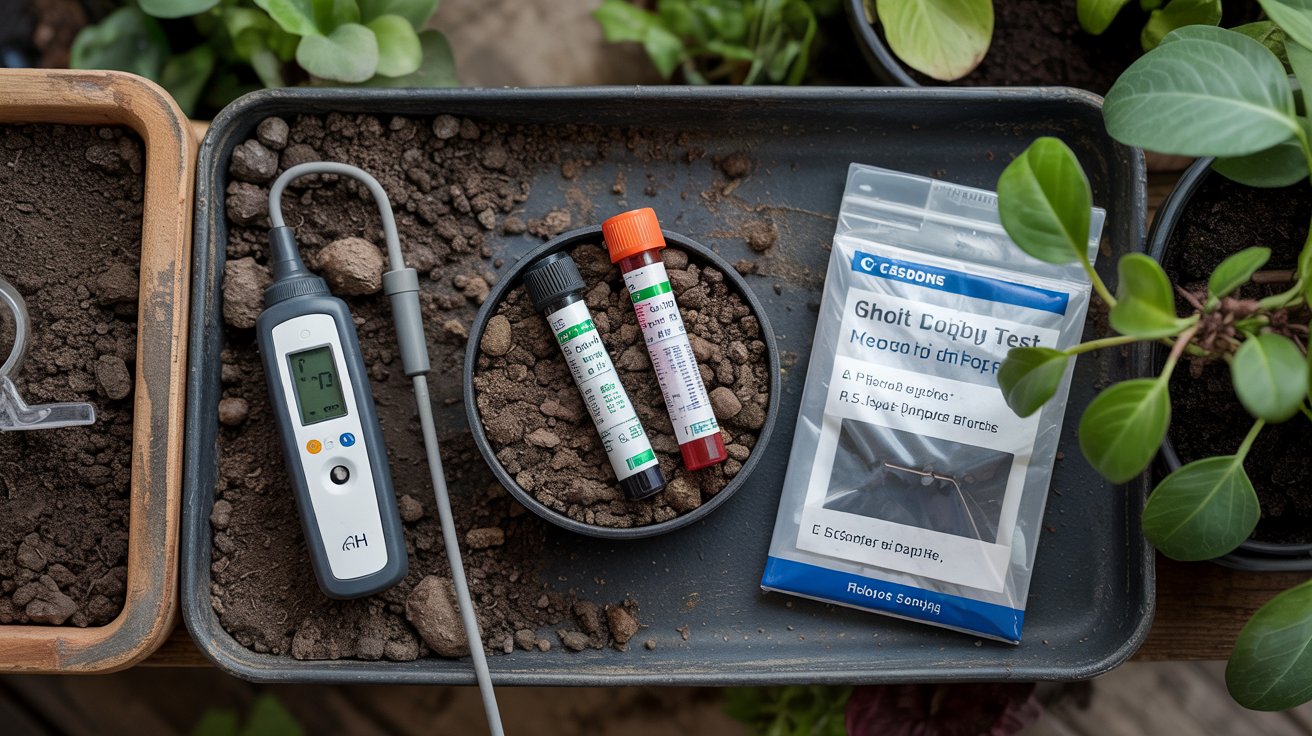
A soil test tells you what nutrients are missing, what's already in excess, and whether your pH is blocking plants from absorbing anything at all - before you spend a dollar on amendments.
We've mapped out three real-world testing paths: DIY capsule kits under $20, mail-in kits with online lab results in the $20-$30 range, and university extension labs that often cost $15-$25 per sample. Each path suits a different garden size, timeline, and accuracy requirement.
The Rapitest 40-count kit runs around $18-$22 and covers pH, nitrogen, phosphorus, and potassium. The MySoil Starter Kit sits at roughly $29 and pairs a physical sample submission with a detailed online report.
Both are covered in depth below.
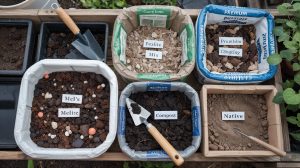
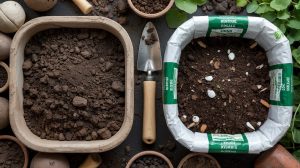
Understanding different soil compositions will help you interpret your results once they come back.
This guide compares DIY capsule kits, mail-in online-results kits, and university lab testing to help you pick the right soil test for your garden size and budget. Prices range from under $10 for basic strips to $29+ for lab-backed reports.
How to Choose Between DIY Kits, Digital Testers, and Labs?
Before buying anything, nail down what you actually need from a soil test. A gardener checking pH before planting tomatoes has a completely different requirement than someone diagnosing a struggling lawn or planning a raised-bed build from scratch.
Remember it later
Planning to try this recipe soon? Save it for a quick find later!
Three questions narrow the field fast: How precise do your results need to be? How quickly do you need them?
And how many samples are you running? Your answers will point you toward one of three paths.
DIY kits win on speed and volume. Labs win on depth.
If you're comparing fill options for raised beds or troubleshooting a persistent deficiency, a lab report will save you more money in wasted amendments than it costs.
University extension labs are often the cheapest per-sample option when you factor in accuracy. Many state programs charge $15–$25 and include specific lime and fertilizer recommendations tailored to your region's soil baseline.
Digital meters - handheld probes that read pH or moisture electronically - fill a middle slot. They're reusable and fast, but they require regular calibration and only measure pH, not NPK.
They're not a substitute for a full nutrient panel.
DIY-at-Home Kit Showdown: Rapitest vs MySoil
These two kits represent the most popular DIY paths, and they work quite differently. The Luster Leaf Rapitest 1601 uses color-matching capsules you read against a printed chart.
MySoil ships your sample to a partner lab, then delivers results through an online dashboard.
Neither is a substitute for a university lab, but both beat guessing. Here's how they stack up head to head.
The Rapitest 40-count gives you enough capsules to test multiple zones across a full growing season. That volume is hard to beat for under $22.
The tradeoff is that you're reading color gradients by eye, and user error in the mixing step can skew results.
MySoil's Starter Kit ships a collection bag you fill with a composite sample from your garden. Their online results platform returns a nutrient breakdown across 13 parameters - including sulfur, calcium, magnesium, and organic matter - with specific product recommendations tied to your deficiencies.
| Parameter | Rapitest 1601 | MySoil Starter |
|---|---|---|
| pH | Yes | Yes |
| Nitrogen (N) | Yes | Yes |
| Phosphorus (P) | Yes | Yes |
| Potassium (K) | Yes | Yes |
| Calcium / Magnesium | No | Yes |
| Sulfur / Organic Matter | No | Yes |
| Amendment Recommendations | No | Yes |
Choosing between them often comes down to one question: are you monitoring trends across many beds, or diagnosing a specific problem in one spot?
- Volume: 40 tests per kit means you can retest every season without reordering.
- Speed: Results in under 15 minutes with no shipping required.
- Price per test: Under $0.55 per test at full count.
- Nutrient depth: Tests 13 parameters vs Rapitest's 4, including micronutrients Rapitest can't detect.
- Lab accuracy: Results come from a certified lab, not a color-match chart.
- Actionable output: Online dashboard links deficiencies directly to specific amendment products.
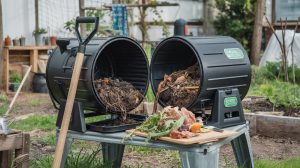
If you're managing a composting program and want to check how amendments are landing, pairing either kit with a plan to build healthy compost gives you a feedback loop - test, amend, retest next season.
Budget Paths: Price Ranges and Picks
Soil testing doesn't have to be expensive, but cheaper options trade depth for convenience. Knowing what you get at each price tier keeps you from overspending on tests you don't need - or underspending and missing the data that would have saved your plants.
The Rapitest multi-pack is the clear anchor for high-volume, low-cost monitoring. The MySoil Starter suits gardeners who want one thorough analysis before a major planting or amendment project.
For commercial growers or garden managers running multiple plots, the MySoil Professional Pack offers bulk pricing with the same lab-grade accuracy.
Buy the Rapitest 40-count in late winter before the spring rush — prices hold steady but availability drops in March and April. Run a baseline test before any amendment, then retest 6–8 weeks after applying lime or fertilizer to measure the shift.
For gardeners building new beds, understanding how pH affects nutrient availability makes your test results far more actionable - especially if your baseline reading comes back below 6.0 or above 7.5.
Affiliate Opportunities and Seasonal Deals
Soil test kits convert well because they sit at the start of the gardening decision chain. A reader who tests their soil next buys amendments, seeds, and drip irrigation systems - making soil tests a natural entry point for affiliate sequences.
The highest-conversion windows are late February through April (spring prep) and September through October (fall amendment season before ground freeze). Structure your links around those peaks.
Readers in Zones 7–10 have a second conversion window in October–November for fall soil prep, while Zone 3–5 gardeners act almost exclusively in March–May. Tailor your seasonal callouts to your audience's climate for stronger click-through rates.
The MySoil Professional Pack works well as a high-ticket anchor for homesteaders and market gardeners, while the Rapitest multi-pack serves as a low-friction, impulse-friendly entry point.
Running both in a comparison post - as done here - captures buyers at both ends of the decision spectrum.
Always pair affiliate links with FTC-compliant disclosure language. Readers who understand what they're clicking convert at higher rates and have lower return rates on physical products like test kits.
Link to complementary guides - like choosing the right compost bin or selecting mulch for moisture retention - to increase session depth and secondary click-throughs.
Readers building new outdoor spaces often cross between silos - someone researching pergola installation costs may also be landscaping from scratch and need a soil baseline before planting.
Cross-silo placements like that one tend to catch buyers earlier in their project cycle, when they're most likely to act on a product recommendation.
For gardeners who've never tested before, linking to a primer on building a compost system on a budget reinforces the testing-to-amendment workflow and keeps readers moving through your content funnel.

Frequently Asked Questions
Home capsule kits like the Rapitest give directional readings but can't match certified lab precision. OSU Extension notes home kits are generally less accurate, making labs better for fertilizer planning.
Most U.S. states offer university extension lab testing for $15–$25 per sample. Search "[your state] extension soil testing" to find your local program with regionally calibrated recommendations.
The MySoil Starter Kit (~$29) suits most home veggie gardens — it tests 13 parameters and delivers amendment-specific recommendations via an online dashboard within 5–7 days.
Test once before a major planting or amendment project, then every 2–3 years for maintenance. Retest 6–8 weeks after applying lime to confirm pH has shifted to your target range.
No — soil varies significantly by zone. Collect separate composite samples from each distinct area (lawn, veggie beds, shrub borders) for accurate readings. The Rapitest 40-count supports multi-zone testing affordably.
Pin it for your next best soil test kit project.