Picking the wrong string trimmer costs you more than money - it costs you an afternoon fighting a tool that's too heavy, too weak, or tethered to an outlet that doesn't reach your back fence.
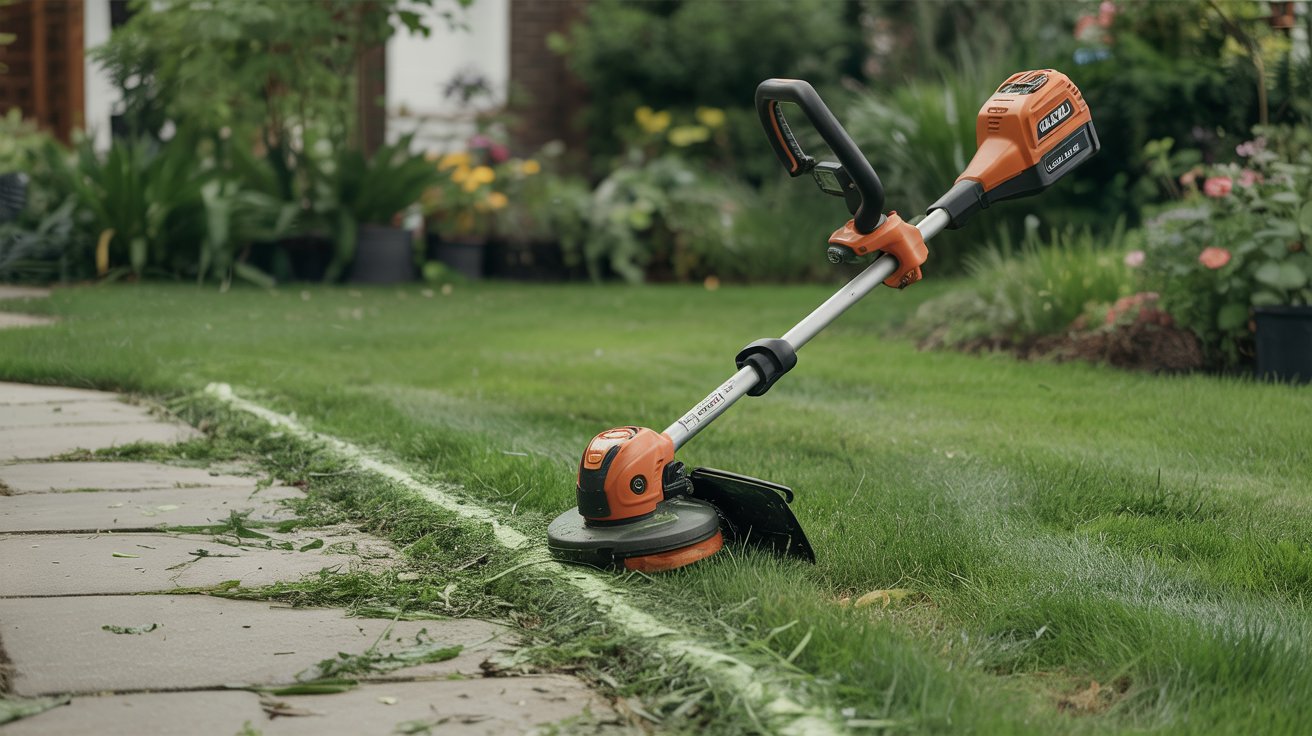
Most buyers either overpay for a gas model they'll use four times a year or grab a budget corded unit and discover it can't handle a 50-foot run.
This guide cuts through that noise.
We'll walk through the three main power types - corded electric, battery, and gas - and give you a concrete framework for matching one to your specific yard.
Standard residential trimmer line runs 0.065" to 0.095" in diameter, with 0.080" being the most common starting point for typical suburban lots.
Before comparing models, it's worth knowing that a 40V 4.0Ah battery typically delivers around 30-40 minutes of runtime under normal trimming conditions - enough for most medium-sized yards in a single charge.
Gas models for home use usually run 25-28cc engines, which balance raw cutting torque with a manageable weight.
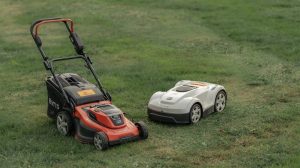
If you're also comparing gas versus electric mowers for a full yard setup, the same power-type logic applies across both tools.
The best string trimmer depends on yard size, terrain, and how much maintenance you're willing to do. Corded electric models suit small yards; battery weed eaters cover medium lots; gas trimmers handle large or brushy properties.
Line diameter, runtime, and long-term costs all factor into the right pick.
Five Steps to Choosing the Right String Trimmer
A string trimmer purchase goes sideways when buyers skip straight to brand comparisons without first sizing the tool to the job. These five steps work for any yard, any budget, and any power preference.
Remember it later
Planning to try this recipe soon? Save it for a quick find later!
Run through them in order - each step narrows your options before the next one refines them further.
If you already own a battery platform from a major brand (Ryobi, EGO, Milwaukee), buying a same-platform trimmer eliminates the cost of a second charger and often a second battery. That alone can save $60–$100 at purchase.
Battery, Gas, and Corded: Side-by-Side
Each power type has a clear best use case. The table below gives you the key numbers so you're not weighing vague trade-offs - you're comparing actual performance ranges.
For smaller lots, a corded electric trimmer edges grass and cleans up beds without any battery management. For suburban yards, a cordless tool pairing with a battery trimmer simplifies your whole outdoor kit.
And when you're dealing with overgrown brush or a half-acre of rough terrain, a gas trimmer is the only option that won't slow you down mid-job.
| Power Type | Runtime / Range | Weight | Maintenance | Best For |
|---|---|---|---|---|
| Corded Electric | Unlimited (cord-bound) | 5–7 lbs | Very low | Small yards, edge work |
| Battery (40V/4Ah) | 30–40 min per charge | 7–9 lbs | Low (battery care) | Medium yards, portability |
| Gas (25–28cc) | Unlimited (fuel-bound) | 10–13 lbs | High (seasonal tune-up) | Large/brushy yards |
Corded electric trimmers work best where you can reliably reach with a cord - typically patios, front strips, and small side yards, according to corded trimmer reviews from established home improvement sources.
The moment your yard pushes past 80-100 feet from an outlet, a battery or gas unit makes more practical sense.
Battery weed eaters have narrowed the gap with gas significantly. A quality 40V or 56V pack now delivers enough torque for weeds, edging, and light brush in a single session.
Runtime still varies by vegetation density - thick, wet grass burns through a charge faster than dry turf.
Gas trimmers remain the benchmark for sustained high-torque cutting. A 25-28cc engine handles tall grass, woody stems, and thick overgrowth that would stall or drain a battery unit.
The trade-off is weight, noise, and a maintenance schedule that includes checking the air filter, spark plug, and fuel lines each season, as outlined by university extension tool maintenance guidance.
Don't assume a higher voltage battery always means longer runtime — amp-hours (Ah) determine how long a pack lasts, not volts alone. A 40V 2.0Ah pack will run significantly shorter than a 40V 4.0Ah pack on the same trimmer.

Top Picks by Category
Rather than ranking a single "winner," the four categories below match real buyer situations. Each pick reflects the power-type analysis above and prioritizes value, performance, or flexibility depending on what the yard actually demands.
For anyone also weighing yard tools as a set, our guide to clean hedge cuts pairs well with any of the battery options here - same platform, less gear to haul.
For battery runtime specifically, a 40V/4Ah configuration hits the practical sweet spot for typical suburban trimming - enough charge for a full session without needing a backup pack.
Brands with established dealer networks and parts availability tend to hold long-term value better than budget-only options, since replacement heads, spools, and air filters stay accessible.
If you want to understand where a string trimmer ends and a true edger begins before committing to a pick, the breakdown of trimmer versus edger differences clarifies which tool actually handles which job.
That distinction matters when evaluating attachment compatibility for any of these picks.
Corded electric models from reputable brands routinely outperform their price tag on small lots, according to established trimmer comparisons. They're the most underrated option in the category - limited flexibility, but nearly zero ownership cost over time.
Picks for Unusual Yards and Tough Conditions
Standard buying advice assumes a flat, moderately sized yard. Sloped terrain, dense brush, and multi-zone setups each push toward a different configuration - and sometimes a single trimmer isn't the right answer at all.
For steep slopes, a straight-shaft gas trimmer with a harness reduces arm fatigue significantly compared to a handheld curved-shaft model. Dense brush situations - blackberries, thick weeds, saplings - benefit from a brush-blade attachment on a compatible straight-shaft unit, where line alone won't make a dent.
If you're managing multiple yard zones with different vegetation types, a multi-attachment power head lets one engine or battery platform run a trimmer head, edger blade, and cultivator without buying separate tools.
Extension-backed safety guidance recommends inspecting line-head compatibility before adding any attachment — mismatched line sizes can cause head failures or uneven cutting. A flexible attachment system typically supports 0.080" to 0.095" line, so verify the spec before purchasing bulk spool line or a secondary head.
Multi-attachment power heads typically cost $150-$300 for the base unit, with individual attachments adding $30-$80 each. That's a higher entry cost but lower total cost than buying three separate tools.
Look for systems where the power head is available as a standalone - some brands only sell the head bundled, which limits flexibility. You can also find pressure washing equipment comparisons at what cleans outdoor surfaces if cleaning up after brush clearing is part of your project plan.
For new landscaping setups with irrigation needs, sprinkler system installation costs and trimmer selection often overlap in the same project budget conversation.
And if a small-yard mower is also on your list, our compact mower guide pairs directly with the corded or light-battery trimmer picks above.
For full yard tool planning beyond trimming and edging, outdoor power equipment guides cover the broader category. And if watering the areas you've just cleared is next, choosing the right lawn sprinkler covers that ground efficiently.

Frequently Asked Questions
Gas trimmers with 25–28cc engines deliver more sustained torque for thick weeds and woody brush than most battery models, making them the stronger choice for heavily overgrown or large properties.
Always match the line diameter to your trimmer head's spec — common residential sizes run 0.065" to 0.095". Using oversized line can jam the head or damage the feed mechanism.
For yards over ⅓ acre, a second 40V/4Ah battery prevents mid-job stops. A single pack typically covers 30–40 minutes, which isn't enough for larger lots in one session.
Gas trimmers need a seasonal tune-up covering spark plug, air filter, and fuel lines. Battery and corded models need only line replacement and head cleaning every few uses.
For most standard yards, attachments add cost without much benefit. They make sense if you're managing multiple vegetation types or want to replace two or three single-purpose tools with one power head.
Pin it for your next best string trimmer project.