Picking up the wrong pair of garden gloves costs you more than money - it costs you comfort, protection, and sometimes skin. A flimsy synthetic pair shreds against a rose cane in under a minute, while an oversized leather gauntlet turns a simple seed-planting session into a frustrating fumble.
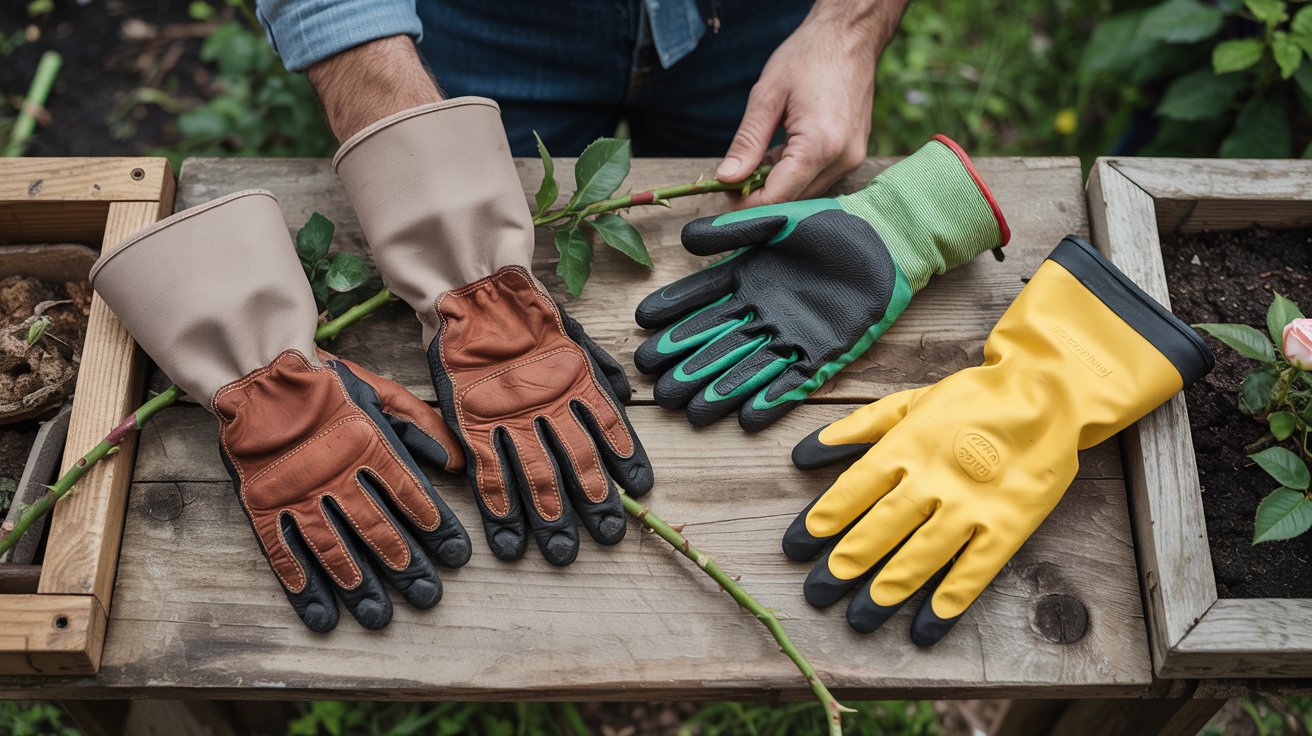
The difference between a good day in the garden and a bad one often comes down to a single purchasing decision made in under 30 seconds at a hardware store.
We put together this guide to make that decision deliberate, not accidental.
Whether you're wrestling with brambles, mucking through wet mulch, or just keeping up with summer maintenance, the right glove depends on matching material, fit, and waterproofing to the actual task at hand. A six-step framework below walks you through that process in plain terms.
We've also broken down price tiers so you know exactly what you're getting at $10 vs. $50, and which tier converts best if you're recommending products to others.
Choosing the best garden gloves means matching material and cuff design to your specific task — thorn pruning needs reinforced leather, wet soil needs waterproof coatings, and everyday work needs breathable synthetics. Fit and budget both narrow your final choice.
A 6-Step Framework for Choosing Garden Gloves
Most people buy gloves by grabbing whatever looks sturdy on the shelf. A more reliable method starts with the task, not the product.
Remember it later
Planning to try this recipe soon? Save it for a quick find later!
These six steps funnel you from broad garden habits down to a specific glove category, material, and price range.
According to UF/IFAS extension research, glove materials commonly used in gardening include leather such as goatskin and pigskin, as well as synthetic-coated fabrics - each balancing protection and dexterity differently. Knowing that distinction up front saves you from buying the wrong category entirely.
Run through these six steps once per glove type you own. Many gardeners keep two pairs — one thorn-proof leather for pruning, one lightweight synthetic for transplanting and watering days.
Once you've worked through this framework, you'll have a clear material category and a realistic budget range. The next section turns those answers into specific trade-off decisions between leather, synthetic, and coated options.
Materials, Protection, and Fit
Material choice determines almost everything about how a glove performs - thorn resistance, grip quality, breathability, and how long it holds up to repeated washing. There are three main families worth understanding before you buy.
Waterproofing typically comes from rubberized or polyurethane coatings, which can reduce breathability significantly; as detailed in Rutgers pesticide glove guidance, choosing based on climate and task duration matters more than defaulting to the thickest option.
A coated glove worn for three hours in July will soak your hand from the inside out.
| Material | Thorn Protection | Grip / Water Resistance | Breathability | Best Task |
|---|---|---|---|---|
| Goatskin Leather | Excellent | Good / Low | High | Rose pruning, brambles |
| Pigskin Leather | Very Good | Moderate / Low | High | General digging, heavy work |
| Nitrile-Coated Fabric | Low–Moderate | Excellent / High | Moderate | Wet soil, mulching, planting |
| Neoprene / Rubberized | Low | Excellent / Waterproof | Low | Irrigation, chemical handling |
| Polyurethane-Coated Fabric | Low | Very Good / Moderate | Moderate–High | Light tasks, transplanting |
Thickness and lining add another layer to that table. A fleece-lined leather glove offers winter warmth but dramatically reduces finger sensitivity for fine work like staking seedlings or handling small hardware.
Fit is more nuanced than just picking a labeled size. Cuff design matters as much as palm width:
- Gauntlet cuffs extend 4-6 inches up the forearm, protecting the wrist from thorns and soil when you reach into a shrub or raised bed.
- Short slip-on cuffs give better wrist mobility and are preferable for repetitive tasks like planting or weeding where you flex constantly.
- Elasticated wrists keep debris out without restricting movement - useful when working with drip emitter spacing or small hardware around irrigation lines.
- Pre-curved finger construction reduces hand fatigue on grip-heavy jobs like using a trowel or operating battery-powered yard tools.
Leather gloves run small when new and loosen over 3–5 uses. Size up half a step if you're between sizes. Synthetic gloves typically have less break-in time and fit truer to label.
For everyday tasks on hauling and soil work, a mid-weight pigskin or nitrile-coated glove usually handles both without a full switch between jobs.
Thorn-Proof vs. Waterproof: Tradeoffs
These two glove types solve different problems, and choosing the wrong one for the job creates real frustration. Thorn-proof gloves prioritize physical barrier strength; waterproof gloves prioritize moisture exclusion.
Neither is universally superior.
Research from the University of Minnesota Extension confirms that thorn-proof pairs feature thicker leather or reinforced palms and longer cuffs to cover the wrist - these trade dexterity for real protection in bramble and rose pruning situations.
For anyone growing woody-stemmed flowering shrubs with stiff canes, thorn resistance is the non-negotiable first filter.
Waterproof gloves hold a real advantage in damp, mulching, and irrigation work, but can feel stiff and trap heat for long sessions. The UF/IFAS guidance on protective gloves recommends looking for a breathable liner if you'll be wearing waterproof gloves for extended periods.
- Blocks punctures from rose thorns, blackberry canes, and hawthorn
- Long gauntlet cuffs protect forearms when reaching into dense shrubs
- Natural leather breathes well during multi-hour pruning sessions
- Improves grip and feel as leather molds to your hand over time
- Keeps hands dry during mulching, composting, and wet-soil planting
- Synthetic coatings provide superior grip on wet tools and hose fittings
- Easier to clean — rinse and air dry rather than condition leather
- Lower entry price; widely available in budget tiers under $15
For most gardeners working with a mix of tasks, owning one of each is more practical than finding a single hybrid. Use the thorn-proof leather pair for pruning days and a nitrile-coated waterproof pair when you're setting up drip irrigation systems or turning compost in wet conditions.
Pair either with properly maintained cutting tools and your hands stay protected at both ends of the risk spectrum.
Waterproof gloves labeled "all-purpose" often sacrifice thorn protection entirely. If the product description doesn't specifically mention reinforced palms or puncture resistance, assume it offers none.
Best Buys by Budget
Price correlates directly with material quality, stitching, and cuff construction in garden gloves - but diminishing returns kick in above $40 for most hobby gardeners. These four tiers cover the full spectrum from grab-and-go seasonal pairs to investment-grade thorn protection.
According to UMN Extension agricultural safety research, the mid-range tier converts best for recommendations because durability and protection meet at a price point most gardeners accept without hesitation.
- Budget (under $12): Lightweight nitrile or polyurethane-coated fabric. Fine for seasonal planting and light weeding; expect to replace them every 1-2 seasons with regular use.
- Mid-Range ($12-$25): Nitrile-dipped with reinforced fingertips, or entry-level split leather. This tier handles most general garden work and holds up to repeated washing.
- Premium ($25-$40): Full goatskin or pigskin leather with double-stitched seams and elasticated wrists. Built for frequent, heavy-duty use including pruning, digging, and hauling alongside your garden hose setup.
- Specialty Thorn-Proof ($40-$60+): Reinforced leather palms, extended gauntlet cuffs (often 12-18 inches), and sometimes Kevlar lining. Designed specifically for rose beds, bramble clearing, and hawthorn - worth every dollar if that's your primary task.
If you're recommending gloves through affiliate links, the mid-range and premium tiers see the highest click-through conversion, particularly when matched to a specific task like rose pruning or setting up an efficient water harvesting system that involves wet hands regularly.
Browse the full garden tool buying guides for compatible recommendations across every budget.
Frequently Asked Questions
Most thorn-proof gloves use thick goatskin or pigskin leather, sometimes with Kevlar reinforcement in the palm. Gauntlet cuffs extending 4–6 inches protect the wrist from rose canes and brambles.
No — waterproof coatings sacrifice thorn resistance. For pruning, use leather. Save waterproof gloves for mulching, wet-soil planting, and irrigation tasks where moisture protection matters more than puncture defense.
Most gloves run S to XL; keep a little wiggle room in the fingers for dexterity. Leather gloves run small initially and loosen after 3–5 uses, so size up half a step when between sizes.
Budget synthetic gloves last 1–2 seasons with regular use. Quality leather gloves can last 3–5 years if hand-washed with mild soap and air-dried away from direct heat after each muddy session.
Goatskin leather offers the best combination of thorn resistance and breathability. For extreme protection in dense rose beds or hawthorn, look for specialty gloves with Kevlar-reinforced palms in the $40–$60+ tier.
Pin it for your next best garden gloves project.