Peak hummingbird migration moves fast, and a feeder you haven't bought yet won't attract a single bird. This guide cuts straight to three categories worth your money: the best glass feeder, the easiest feeder to clean, and the most reliable ant-proof design on the market.
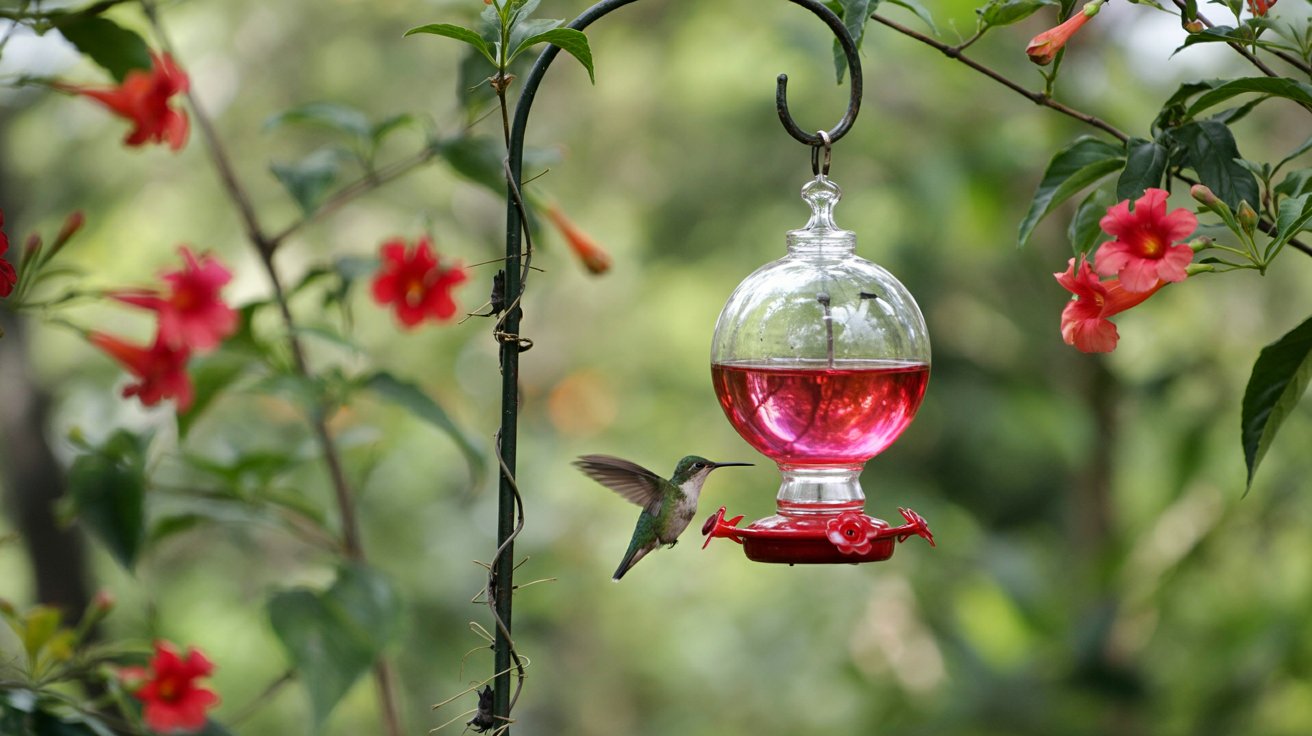
We scored each option on five criteria: cleanability, durability, nectar capacity, pest resistance, and port count.
Those five factors separate a feeder that lasts a decade from one you toss after a single moldy season. If you want to know what actually brings hummingbirds to your yard beyond a feeder, that's a separate question worth answering before you hang anything.
Budget matters too, but it's secondary. A $12 plastic feeder cleaned every three days outperforms a $45 glass feeder cleaned once a week.
This guide scores hummingbird feeders on cleanability, pest resistance, and durability. Glass feeders win on longevity; easy-clean plastic wins on daily practicality; ant-proof designs with built-in moats protect nectar year-round.
Clean every 3–5 days minimum, more often in heat.
One-Glance Verdict and Buying Criteria
Three feeder types cover nearly every buyer situation. Glass feeders handle long-term outdoor exposure without staining or warping.
Remember it later
Planning to try this recipe soon? Save it for a quick find later!
Easy-clean plastic feeders - those with wide-mouth bases and dishwasher-safe parts - suit anyone who feeds year-round and prioritizes speed. Ant-proof feeders with integrated moats are non-negotiable if you've lost nectar to insects before.
The single biggest factor most buyers overlook is how often a feeder must be cleaned. According to FWS bird feeding guidance, nectar should be refreshed and feeders cleaned every 3-5 days under normal conditions.
In humid or hot weather, that drops to every 1-3 days - spoiled nectar can harm birds rather than help them.
Before spending on any feeder, run through these five criteria at checkout.
- Cleanability: Wide-mouth openings and removable bases cut scrubbing time in half. Avoid feeders with narrow necks you can't fit a brush through.
- Durability: UV-stabilized glass or BPA-free polycarbonate outlasts cheap acrylic by several seasons.
- Capacity: 12-16 oz suits most yards; go larger (32 oz+) only if multiple birds visit daily, since unused nectar spoils faster than it's consumed.
- Pest resistance: Ant moats and bee guards are separate features - check for both if your region has heavy insect pressure.
- Port count: Four to eight ports balances feeding access against territory aggression; dominant males guard fewer ports more easily.
Glass vs Plastic Hummingbird Feeders
Material choice shapes every other aspect of feeder ownership - how long it lasts, how easy it is to clean, and how well it holds up in direct sun. Neither glass nor plastic wins outright; each suits a different setup.
Glass feeders hold their color, resist staining from nectar, and don't leach chemicals over time. Plastic feeders are lighter, cheaper, and - when designed well - easier to disassemble for cleaning.
Cornell Lab's feeder maintenance notes confirm that plastic is simpler to sanitize than denser materials, which matters when you're cleaning every few days.
For a covered porch where a feeder hangs in partial shade, glass is a sound long-term buy. For a second-floor balcony or a travel feeder you pack seasonally, plastic makes more practical sense.
- Won't yellow, crack, or warp in heat the way thin acrylic does
- Non-porous: nectar residue wipes clean without staining
- Heavier base adds wind stability on hooks and poles
- More decorative — many hand-blown options double as yard art
- Weighs far less, reducing stress on feeder hooks and thin branches
- Wide-mouth bases and snap-apart parts cut cleaning to under two minutes
- Cheaper upfront — easier to replace one of several feeders seasonally
- Better for high-traffic yards where multiple feeders reduce territory fights
If you're managing seed feeders alongside nectar feeders, plastic hummingbird feeders streamline your overall cleaning routine since most share the same brush sizes.

Key Features: Easy-Clean, Ant-Proof, Capacity, Ports
Features printed on feeder packaging rarely tell you how they perform after six weeks of summer heat. Here's what each spec actually means at the cleaning station and in the field.
Cleaning access is the feature most buyers underweight. A feeder with a wide-mouth base - at least 3 inches across - fits a standard bottle brush without modification.
Removable flower ports matter too: detachable ports can soak in diluted white vinegar, dissolving mold without scrubbing. The summer garden maintenance window is when feeders need the most attention, so design for that reality.
Ant moats work by placing a water-filled cup between the hanging hook and the feeder body, creating a barrier ants can't cross. A moat that holds at least 1 oz of water and sits above the feeder is the most reliable design.
Built-in moats beat clip-on accessories since there's nothing to lose mid-season.
Bee guards are small plastic inserts at each port that recess the feeding hole so bees can't reach nectar with their shorter tongues. They're worth having if yellow jackets are a documented problem in your region.
According to Penn State Extension's feeder guide, the correct nectar ratio is 1 part sugar to 4 parts water - no red dye, no honey, no artificial sweeteners. Stronger concentrations can damage kidneys; weaker ones attract fewer birds.
| Feature | What to Look For | Why It Matters |
|---|---|---|
| Cleaning Access | Wide-mouth base (3"+), removable ports | Prevents mold buildup between cleaning days |
| Ant Moat | Built-in, holds 1+ oz water | Blocks ant trails without chemical deterrents |
| Bee Guards | Recessed port inserts, removable | Reduces yellow jacket access to nectar |
| Capacity | 12–16 oz for average yards | Limits spoilage; matches typical bird traffic |
| Port Count | 4–8 ports | Balances access against territorial fights |
| Material | UV-stabilized glass or BPA-free plastic | Resists cracking, staining, chemical leaching |
Fill your feeder only halfway during the first two weeks of hanging. If nectar disappears in under two days, increase capacity. If it sits for four or more days, reduce the fill amount to cut waste and spoilage.
Product Spotlights: Best Glass, Easy-Clean, and Ant-Proof Picks
These three profiles represent distinct buying lanes. Each covers a different use case, and the specs below are based on widely available models in each category - not a single brand endorsement.
Maintaining any of these feeders correctly matters as much as picking the right one. NWF feeder care advice reinforces that regular cleaning in warm weather - as often as every 1-3 days - is the real variable separating healthy feeding stations from harmful ones.
| Category | Capacity | Ports | Price Range | Best For |
|---|---|---|---|---|
| Best Glass | 20–32 oz | 5–8 | $25–$55 | Porch display, long-term use |
| Best Easy-Clean | 12–16 oz | 4–5 | $10–$22 | Year-round feeders, quick cleaning |
| Best Ant-Proof | 12–24 oz | 4–6 | $15–$35 | High-insect yards, summer feeding |
Best glass pick: Look for hand-blown or borosilicate glass bottles paired with a red metal base. The Aspects HummZinger line and similar designs offer 5-8 ports on a 16-32 oz reservoir.
Avoid glass feeders with glued-on bases - they trap moisture and breed mold at the seam.
Best easy-clean pick: The Perky-Pet 203CPBN and similar saucer-style feeders disassemble into two parts. The entire unit fits in a dishwasher on the top rack.
Port count stays at four, which is intentional - fewer ports mean less scrubbing per cleaning session.
Best ant-proof pick: Any feeder with a factory-installed water moat above the hang point, combined with yellow bee guards at each port.
The First Nature 3055 is a widely available example at around $15, with a 32 oz capacity and eight ports - though that size requires strict every-other-day cleaning in warm climates to prevent spoilage.
Clip-on ant moat accessories work, but they're easy to knock off during cleaning and easy to forget to refill. If ant pressure is your main concern, buy a feeder with the moat built into the hanger — not sold separately.
Regional Considerations and Care Schedule
Where you live changes both which feeder you need and when to hang it. In the eastern U.S., the Archilochus colubris (Ruby-throated Hummingbird) - 2.8-3.5 inches long - typically arrives in late April across the mid-Atlantic and Midwest, and departs by mid-October.
Western regions host multiple resident species year-round, shifting the calculus entirely.
Colder climates (Zones 4-6) benefit from a lighter plastic feeder that's easy to bring indoors between cold snaps, since nectar freezes below 32°F and glass can crack. Milder climates (Zones 8-10) can run year-round feeding stations with glass feeders on a fixed cleaning schedule.
If you're also managing a pollinator-friendly yard, pairing hummingbird feeders with a butterfly-friendly planting plan extends your yard's appeal across the full season.
In USDA Zones 8–10, Anna's Hummingbirds (Calypte anna) may visit feeders in every month of the year. Keep at least one feeder active through winter and clean it on a 3-day cycle during warmer spells. Eastern feeders can come down two weeks after your last confirmed sighting in fall.
Budget Ladder and Where to Buy
Feeder price maps closely to material and feature count, but longevity flips the value equation at the higher end. A $50 glass feeder lasting 10 years costs less annually than a $12 plastic feeder replaced every two seasons.
Factor in replacement parts - FWS maintenance guidance notes that cleaning and upkeep directly affect feeder lifespan, so ports, gaskets, and bases should be available for your model before you buy.
| Budget | Best Match | Trade-Off |
|---|---|---|
| Under $15 | Entry plastic, wide-mouth base | Replace every 2–3 seasons; limited parts |
| $15–$30 | Easy-clean saucer or ant-proof combo | Best value; most replacement parts available |
| $30–$55 | Borosilicate glass, 5–8 ports | Lasts 10+ years; heavier, needs sturdy hook |
| $55+ | Hand-blown decorative glass | Aesthetic-first; cleaning can be harder |
For buying channels, Amazon carries the widest selection with fast shipping during peak migration. Wild Birds Unlimited stores offer expert staff advice and replacement parts.
Home Depot and Walmart stock basic models reliably through July. You can find additional feeder options across our hummingbird and feeder coverage if you want to compare across more species and setups.
If pest control is your main issue, our guide on keeping feeders pest-free covers the full strategy.

Frequently Asked Questions
Wide-mouth plastic is the easiest starting point. Saucer-style models with just two parts clean in under two minutes and cost between $10 and $20.
Every 3–5 days under normal conditions, dropping to every 1–2 days when temperatures exceed 85°F. Spoiled nectar grows mold that harms birds.
No. The red color on the feeder itself attracts birds. Red dye additives are unnecessary and potentially harmful — use plain white granulated sugar only.
One part white sugar to four parts water, boiled and cooled. Stronger ratios stress kidneys; weaker ratios attract fewer visits and spoil at the same rate.
Wait two weeks after your last confirmed sighting in fall. In the East, that's typically mid-October to early November; western residents may feed year-round.
Pin it for your next best hummingbird feeder project.