For most yards under 5,000 square feet, the average homeowner spends far more on a mower than the lawn actually demands.
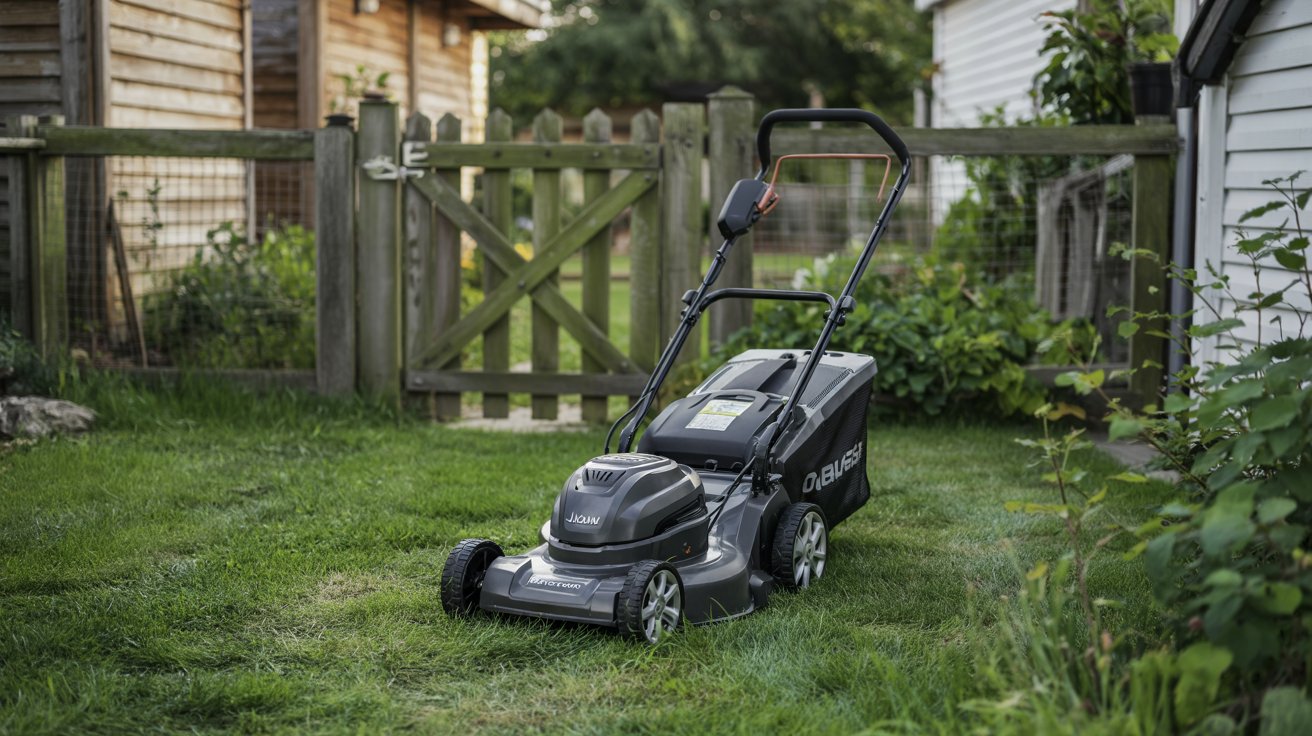
A push reel or corded electric covers the job cleanly, stores in a corner, and costs a fraction of what a self-propelled gas model runs.
The best lawn mower for a small yard depends on three things: terrain, budget, and how often you'll use it. Flat, even ground opens the door to reel mowers.
Anything with slopes, thick grass, or irregular edges usually calls for a rotary option.
Before comparing specific models, it helps to know which mower category fits your situation. Our gas vs electric comparison guide breaks down the real running costs between fuel-powered and plug-in options for lawns of any size.
Prices range from under $100 for a basic reel to over $400 for a battery-powered walk-behind. Each tier has clear trade-offs, and knowing where your yard lands saves real money.
This guide maps four price tiers, compares reel and push options head-to-head, and walks through a four-step decision process so you buy the right mower once.
For small yards under 5,000 sq ft, a reel mower (flat terrain) or corded electric (uneven or thicker grass) handles nearly every scenario. Prices start at under $100 for reel and run to $400+ for battery electrics.
Affiliate picks are flagged in the top picks table below.
At a Glance: Small-Yard Mowing Basics
Small yards - typically anything under a quarter-acre - don't need the horsepower or cutting width designed for suburban half-acre lots.
Remember it later
Planning to try this recipe soon? Save it for a quick find later!
A 21-inch deck width is the most common standard, but a 14- to 16-inch reel mower can cut an eighth-acre in under 20 minutes without a single drop of fuel.
According to OSU Extension's mower guide, reel mowers produce a scissor-like cut that's actually cleaner than a rotary blade on fine grasses, and they run without emissions or engine noise. That matters if you're in a neighborhood with noise ordinances or early-morning mowing habits.
The four price tiers below cover nearly every small-yard scenario. Where you land depends mainly on terrain and grass density - not yard prestige.
The OSU Extension also notes that blade sharpness directly affects cut quality on all mower types - a dull reel blade tears grass rather than cuts it, leading to brown tips within a day. Plan to sharpen or lap reel blades once per season.
| Tier | Price Range | Best Mower Type | Yard Size Fit |
|---|---|---|---|
| Budget | Under $100 | Manual reel mower | Under 2,000 sq ft, flat |
| Mid-Low | $100–$199 | Reel or corded electric | 2,000–4,000 sq ft, mostly flat |
| Mid-High | $200–$399 | Corded or cordless electric | 3,000–5,000 sq ft, mixed terrain |
| Premium | $400+ | Battery electric or robotic | Any small yard, max convenience |
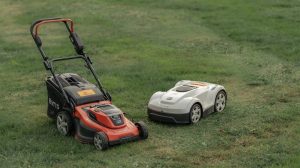
If hands-free mowing appeals more than walking, check what autonomous mowing delivers before committing to a walk-behind at the $400 tier. Robotic options have dropped significantly in price and now start around $350 for small-yard coverage.
Note that affiliate links appear in recommendation tables throughout this guide. Prices shown reflect current retail averages and may shift seasonally - always verify before purchasing.
Push vs Reel: Which Wins for Small Yards?
The short answer: a reel mower wins on flat, well-maintained grass under about 2,500 square feet. A rotary push or corded electric wins everywhere else.
The gap between them isn't just about power - it's about how each type handles the specific conditions in a small yard.
Reel mowers weigh 20-30 pounds, store upright in a closet, and need zero fuel. Corded electrics run 12-16 amps, need a 100-foot extension cord for most small yards, but cut damp or longer grass that would stall a reel.
Briggs & Stratton's mower guide emphasizes that terrain and user ability should drive type selection - a reel mower on a sloped yard adds real physical effort.
Consumer-oriented research from USA Today's mower guide confirms that reel mowers are genuinely harder to push on uneven ground - the resistance increases noticeably when the blade hits bumps or soft soil. That's worth knowing before buying one for a lumpy backyard.
- Near-zero running cost — no fuel, no battery replacement
- Quietest option available, safe for early morning or restricted zones
- Scissor-cut leaves fine grass blades healthier than rotary tearing
- Fits in a coat closet — ideal for apartment patios or tiny yards with no shed
- No warm-up, no cord management, no charge time
- Cuts grass left longer than 4 inches without stalling
- Works on slopes and uneven ground without extra user effort
- Handles coarser, denser turf types like St. Augustine or Zoysia
- Wider deck options (18–21 inch) reduce total mowing passes
- No annual blade lapping required — swap blade for $8
For yards with compact ornamental trees or garden beds breaking up the lawn area, a corded electric's tighter turning radius and adjustable height often make navigating obstacles faster than a reel model.
If you're weighing a walk-behind against a fully automated option, the robotic vs push mower breakdown covers the real cost difference over five years - the gap is smaller than most buyers expect.
Budgeting and Decision Steps for Tiny Yards
Most buyers skip directly to product comparisons without mapping their actual yard first. That leads to buying a 21-inch self-propelled gas mower for a 1,200-square-foot lawn - a $320 mistake that also requires oil changes and carburetor cleaning every season.
Consumer Reports' mower research puts reel mowers at $70-$200, gas push mowers at $150-$350, and electric walk-behinds at $160-$690 - a range that only makes sense once you know which tier your yard actually needs. The steps below compress that decision into a four-question sequence.
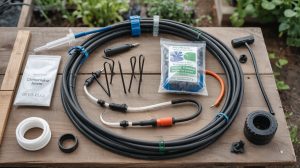
A reliable lawn sprinkler paired with the right mower height keeps small-yard grass dense enough to suppress weeds - mowing at 3 inches in summer is the most effective low-chemical weed strategy available.
After mowing, edging clean lines along beds and walks is where a quality string trimmer earns its place - and for small yards, a lightweight cordless model is usually enough.
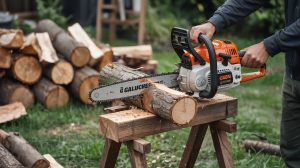
If your yard includes any woody growth or overhanging branches that complicate mowing patterns, a homeowner-grade chainsaw solves clearance issues before they become annual headaches.
And if you're thinking about landscaping the yard for easier maintenance overall, see what trees work for compact spaces without creating dense root competition near mowing areas.
For a broader look at yard care tools that complement your mower purchase, the outdoor power equipment coverage on FreshNestly covers everything from trimmers to blowers in one place.
Speaking of blowers - if fall cleanup is on your list, a cordless leaf blower pairs well with any electric mower platform, especially if you're already on a 40V battery system.