Picking a patio umbrella sounds simple until you're standing in a big-box store staring at a wall of aluminum poles and polyester canopies with no idea whether that 9-foot market umbrella will actually shade your dining table -
or blow into your neighbor's yard the first time a storm rolls through.
Wind performance is the most overlooked spec in this category. Most shoppers focus on color and size, then wonder why their umbrella is inverted by July.
This guide cuts through the noise. We'll help you match umbrella style to your actual patio layout, understand what base weight you need, and find a model that holds up past one season.
If you're also rethinking the full outdoor space, our guide to choosing outdoor furniture pairs well with this one.
We've organized everything around three decisions: style (cantilever vs. market), wind readiness, and budget. Make those three calls and you'll know exactly what to buy.
Choosing the best patio umbrella comes down to matching canopy style to your layout, sizing your base weight to wind exposure, and setting a realistic budget. Market umbrellas suit table-centered setups; cantilever umbrellas free up floor space for lounging areas and pools.
The Quick Buy Framework
Before comparing models, nail down four variables: your usable shade area, whether you have a center-pole table or an open lounge zone, your typical wind conditions, and your total budget including the base. Skipping any one of these leads to a return trip.
Remember it later
Planning to try this recipe soon? Save it for a quick find later!
According to Forbes wind umbrella guide, wind resistance should be evaluated before aesthetics - a lesson most buyers learn the hard way after one gusty afternoon.
The table below maps umbrella type to typical use case, price band, and recommended minimum base weight. Use it as your first filter before reading the full comparisons.
| Type | Best For | Price Range | Min Base Weight |
|---|---|---|---|
| Market (center-pole) | Dining tables, small patios | $50–$300 | 50 lbs |
| Cantilever (offset) | Lounge sets, pools, open decks | $200–$1,200 | 100–150 lbs |
| Wind-rated (any style) | Coastal, gusty, or exposed sites | $300–$2,000+ | 150+ lbs or deck-mount |
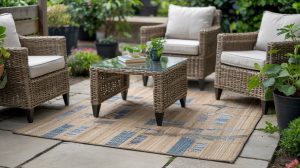
A quick rule: if your patio is exposed on two or more sides, step up to a wind-rated canopy regardless of style. An outdoor rug that anchors your space visually won't help if your umbrella takes flight in a summer storm.
Cantilever vs Market: Trade-offs
The biggest structural difference is where the pole sits. A market umbrella runs a center pole straight through a table hole or a freestanding base - simple, stable, affordable.
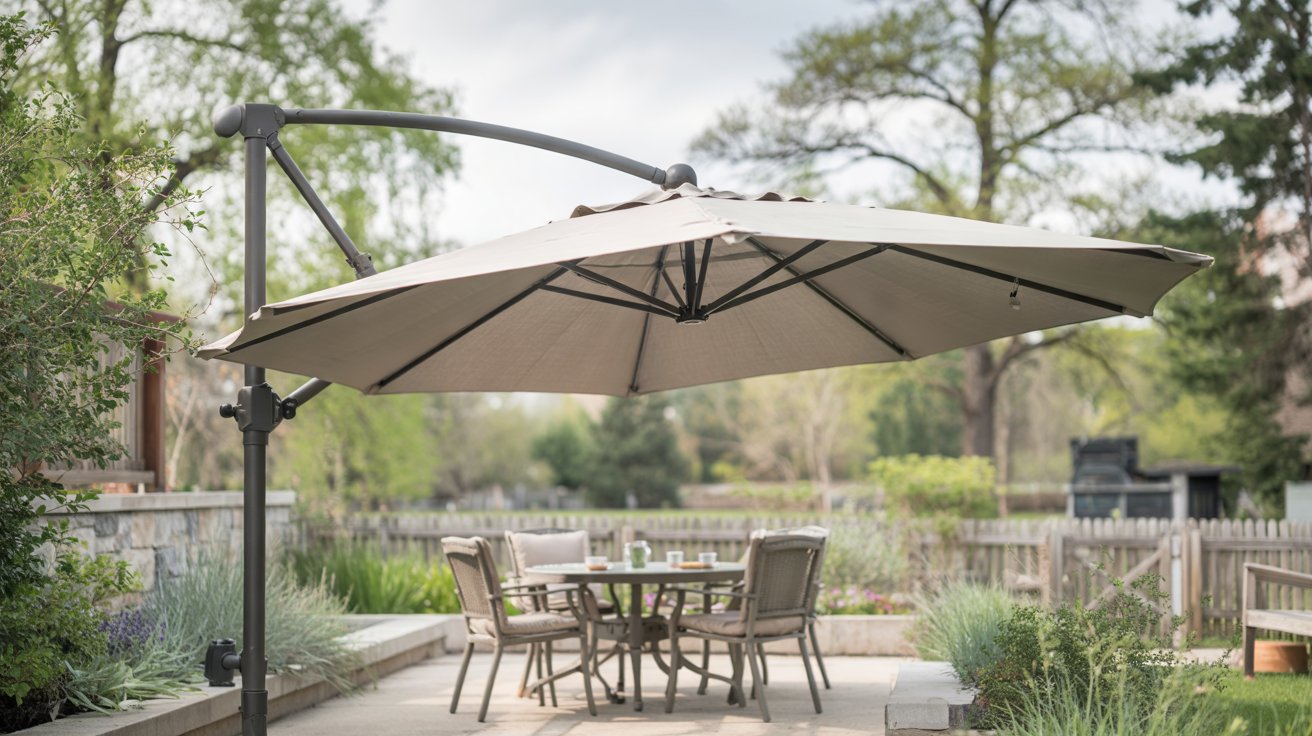
A cantilever umbrella offsets the pole to the side, leaving the entire shade zone pole-free.
That offset design is genuinely useful for lounge chairs, sectionals, and poolside setups where a center pole would be in the way.
The trade-off is price and base mass: cantilever arms create significant leverage, so the base needs to be much heavier to resist tipping - often 100 to 150 lbs for an 11-foot canopy.
For balconies and small patios, a market umbrella almost always wins on practicality. You can pair it with a weighted base bolted to a deck plate, keeping it compact and low-profile.
Wind ratings for shade products - including Frankford's wind rating guide - typically recommend closing any umbrella when sustained winds exceed 20-25 mph, regardless of style. Cantilever designs with large canopies are especially vulnerable because the offset arm amplifies force on the base.
Verdict by setup: dining table on a sheltered patio = market umbrella; open lounging area or poolside = cantilever with a 100-lb+ base; coastal or windy yard = wind-rated model of either style with a deck-mount option.

Wind-Ready Setup: How to Choose and Anchor
Wind is the number one reason patio umbrellas fail early. Getting the setup right the first time means sizing the canopy, matching the base weight, and choosing the right mounting method for your specific exposure.
Follow these steps in order.
Never leave any umbrella open and unattended in winds above 20 mph, even if it carries a higher wind rating. Sustained gusts combined with an unlocked tilt angle create enough leverage to overturn a 75-lb base. Close it when you leave the patio.
Vented canopies cut wind resistance measurably. A double-vent design reduces uplift force by allowing air to pass through the canopy rather than under it, and many wind-rated models use this feature as their primary durability mechanism.
If your patio is exposed, treat a vented canopy as a non-negotiable spec rather than a nice-to-have.
Pole material also matters in wind. Aluminum poles flex slightly under load and recover; steel is heavier but stiffer and can bend rather than spring back.
Fiberglass ribs outperform both metals in flexibility and are standard on most wind-rated residential options. Pairing a weatherproof string light setup with a well-anchored umbrella turns a functional shade structure into a complete evening space.
Top Picks by Category
The models below represent the best options at each price tier, selected for wind features, base compatibility, and materials. These aren't the only good umbrellas - but each solves a specific, common problem well.
When comparing canopy fabric, solution-dyed acrylic (like Sunbrella) resists fading significantly longer than polyester, with a typical 5-year fade warranty vs. 1-2 years for polyester.
Wind-resistant parasols with reinforced frame construction - as described by MDT-tex's commercial wind parasol designs - use multiple cross-bracing points along each rib, a feature worth checking even on residential models.
| Model / Category | Canopy Size | Material | Wind Features | Price Range |
|---|---|---|---|---|
| Abba Patio 9 ft Market (Budget Market) | 9 ft | Polyester | Single vent, aluminum pole | $60–$90 |
| California Umbrella 9 ft Olefin (Mid Market) | 9 ft | Olefin | Push-button tilt, steel frame | $120–$180 |
| Sunbrella 9 ft Market (Premium Market) | 9 ft | Solution-dyed acrylic | Double vent, fiberglass ribs | $250–$320 |
| Treasure Garden 13 ft Cantilever (Mid Cantilever) | 13 ft | Olefin/acrylic | Double vent, 360° rotation | $450–$700 |
| Tuuci Ocean Master Cantilever (Premium Wind-Rated) | 10–13 ft | Solution-dyed acrylic | Marine-grade aluminum, Beaufort 7 | $900–$2,000+ |
For most homeowners, the Sunbrella 9 ft market umbrella hits the best value-durability balance. The acrylic fabric outlasts polyester by years, and fiberglass ribs handle normal summer storms without permanent bending.
If you're spending significantly on an outdoor kitchen installation, stepping up to a commercial-adjacent wind-rated model protects that investment.
The Treasure Garden cantilever stands out in its tier for 360-degree rotation, which lets you reposition shade as the sun moves without relocating the base. Pair it with a 150-lb base for an open poolside lounging area.

Budget Planner and Affiliate Buy Guide
Budget the full system, not just the canopy. A $90 market umbrella with a $25 base is a waste of money on any exposed patio - the base alone puts it at tipping risk on a moderately breezy day.
- Entry-level market setup ($75-$150 total): A polyester 9-ft canopy with a 50-lb resin-fill base. Fine for a sheltered patio with minimal wind exposure. Expect to replace the canopy in 2-3 seasons.
- Mid-range market setup ($200-$400 total): An olefin or acrylic 9-ft canopy plus a 50-75-lb base. Adds fiberglass ribs and a better tilt mechanism. This is the sweet spot for most suburban patios.
- Mid-range cantilever setup ($500-$900 total): Includes a 13-ft vented canopy and a 100-150-lb base. Budget $100-$200 of that for the base alone. Check if a DIY outdoor build project could include a deck-mount anchor to save on base cost.
- Wind-rated premium ($1,000-$2,500+): Commercial-grade aluminum frames with Beaufort 6-7 ratings, solution-dyed acrylic, and deck-mount hardware. Justified for coastal homes or frequent entertainers.
Base weight guidance from Ratana's base safety spec sheet recommends a minimum of 75 lbs for any 7.5-ft fiberglass-ribbed umbrella exposed to normal outdoor wind conditions - higher than what most retail listings suggest.
Always check the warranty separately for the frame, canopy fabric, and base. Top brands offer 5-year fabric warranties and 1–3 years on frames. A canopy warranty under 3 years on an acrylic fabric is a red flag — it signals lower-grade construction. Keeping mosquitoes away matters too once the shade is sorted; check what works best against patio mosquitoes before peak season.
For comparison shopping, note that the cheapest grill upgrade decisions often follow similar budget logic: the base product matters less than the durability of the components you use it with daily.
Frequently Asked Questions
A 9-foot canopy covers a standard 42-inch square dining table with roughly 18 inches of overhang on each side, which is the minimum for comfortable shade coverage.
Use 50 lbs for a 9-ft market umbrella in sheltered spots, 75 lbs on exposed patios, and 100–150 lbs for any cantilever model with an 11-ft or larger canopy.
Yes, but a freestanding base for a 13-ft cantilever can reach 150 lbs. A deck-mount flange bolted into joists eliminates that ballast requirement and is far more stable in wind.
For coastal or open-yard sites, yes. Wind-rated models with fiberglass ribs and double vents typically survive 5–7 seasons; budget polyester umbrellas in the same exposure last 1–2 seasons.
A market umbrella uses a center pole that threads through a table; a cantilever offsets the pole to the side, keeping the shade zone completely clear for lounging furniture or poolside use.
Pin it for your next best patio umbrella project.