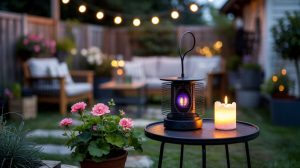
A patio without a rug feels unfinished, like furniture floating on bare concrete with nothing anchoring the space. The right outdoor rug pulls a seating area together, softens hard surfaces underfoot, and tells guests the space was designed with intention.
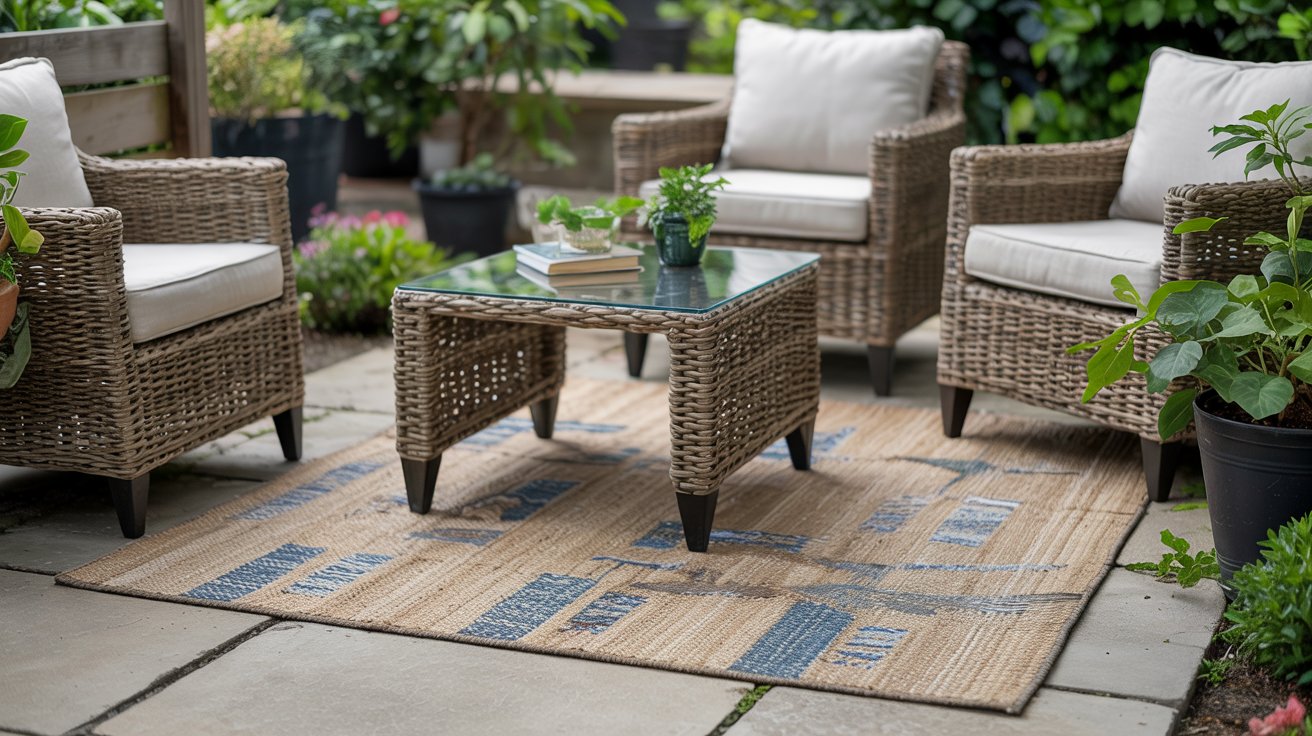
Choosing the wrong one, though, costs more than just money. A rug that traps moisture under a low-backed weave can sprout mildew in under a week during humid summers.
A natural-fiber option left exposed to rain may curl, stain, and disintegrate within a single season.
We've worked through the material tradeoffs, sizing rules, and care realities so you can skip the trial-and-error phase. Whether you're outfitting a small balcony or full backyard, the framework here applies.
This guide contains affiliate links. We may earn a small commission if you buy through them, at no extra cost to you.
Every pick reflects real performance criteria, not sponsored placement.
For most uncovered patios, a polypropylene flatweave rug is the right call — it resists moisture, dries fast, and holds color under UV. Our top pick is a polypropylene flatweave in a 5×8 or 8×10 size.
Natural fibers suit covered, dry climates only. Budget starts around $30; premium options run $200+.
Before you buy, check whether your patio is covered or exposed. Covered patios can handle polyester and some natural fibers. Exposed ones need polypropylene's superior UV and moisture resistance to last more than one season.
Materials, Durability, and Value
Three materials dominate the outdoor rug market: polypropylene (also sold as olefin), polyester, and natural fibers like jute, sisal, and seagrass. Each performs differently under sun, rain, and foot traffic - and the gap between them matters a lot once weather stress accumulates.
Remember it later
Planning to try this recipe soon? Save it for a quick find later!
Polypropylene is the clear frontrunner for exposed patios. It's solution-dyed, meaning color is baked into the fiber rather than applied as a surface coat, which makes it significantly more fade-resistant than polyester.
It also repels moisture rather than absorbing it, so a post-rain dry-out takes 1-2 hours versus 4-6 hours for polyester. According to rug maintenance guidelines, fiber type is the single biggest factor in how long an outdoor rug lasts under repeat moisture exposure.
Natural-fiber rugs - jute, sisal, seagrass - look stunning and complement most outdoor furniture styles. But they absorb water readily and can develop mold within days if left wet.
Research from the Carpet and Rug Institute confirms natural fibers perform best in low-humidity, covered environments - not on exposed decks in the Pacific Northwest or Southeast.
- Fastest drying time after rain — under 2 hours in most climates
- Solution-dyed fibers resist UV fading for 3–5 years outdoors
- Widest price range, from budget flatweaves to high-pile premium
- Resists mold and mildew without chemical treatment
- Far better texture and visual warmth underfoot
- Eco-friendlier production and biodegradable at end of life
- Easier to find in muted, earthy tones that suit transitional styles
Budget buyers should default to a polypropylene flatweave under $60. Midrange buyers get better pattern density and pile height in the $80-$150 range.
Premium buyers ($150-$300+) gain hand-woven construction, thicker pile, and richer colorways - but the material performance ceiling for polypropylene is reached well before the top price tier.
Sizing, Placement, and the Buying Process
Getting the size wrong is the most common outdoor rug mistake - and it's hard to fix once the rug arrives. Too small, and furniture legs hang off the edge, making the whole setup look cramped.
Too large, and the rug competes with the space rather than defining it.
A good shaded patio setup with a dining table and four chairs typically needs at least a 9×12 ft rug, with all chair legs staying on the rug when pulled out.
Seating areas without a table work well on a 5×8 or 8×10, depending on sofa size.
On wood or composite decking, leave at least 2 inches of clearance between the rug edge and any built-in rail or step. This prevents moisture from wicking into the deck boards along the rug perimeter.
Pattern visibility also matters at scale. A geometric or medallion pattern reads clearly at 8×10 but can look cluttered on a small 4×6.
Solid colors and simple stripes scale better across sizes. The CRI performance research on fiber density also suggests that low-pile flatweaves stay cleaner outdoors than high-pile cut loops, which trap debris between tufts.

Care and Longevity: Keeping It Looking Great
Most outdoor rugs fail not from poor quality but from poor upkeep. Mold and mildew are the top causes of early replacement, and both are preventable with a weekly shake-out and monthly rinse routine.
After rain, stand the rug on its side against a wall or fence to let both faces dry. Laying it flat on a solid surface while still wet is the fastest route to mildew.
For covered patios, even brief ventilation after humidity spikes keeps the backing clean.
Never store an outdoor rug rolled up while damp. Even a slightly moist rug stored in a garage or shed over winter will develop mildew that's nearly impossible to remove fully. Let it dry completely — at least 24 hours flat in the sun — before rolling and storing.
For fading, summer maintenance routines that include periodic rinsing remove surface oxidation that dulls color over time. The cleaning and maintenance guidance recommends hosing outdoor rugs down monthly and spot-treating stains with mild dish soap within 24 hours of occurrence.
Edges that lift or curl signal adhesive breakdown in the backing. A low-cost fix: outdoor carpet tape applied to the underside holds edges flat and prevents trip hazards.
Replace a rug when the backing begins to flake, shed rubber particles, or crack - typically after 3-5 years for polypropylene on an exposed patio.
Cost Guide and Top Affiliate Picks
Outdoor rug prices span a wide range, and the jump from budget to midrange delivers genuine performance gains. Beyond the premium tier, most cost increases reflect aesthetics rather than durability.
Here's how the tiers break down for a standard 5×8 or 8×10 size.
| Tier | Typical Size | Material | Price Range |
|---|---|---|---|
| Budget | 5×7 or 5×8 | Polypropylene flatweave | $30–$60 |
| Midrange | 8×10 | Polypropylene / polyester pile | $80–$160 |
| Premium | 8×10 or 9×12 | High-density polypropylene | $160–$280 |
| Luxury | 9×12 or custom | Hand-woven or natural fiber | $300–$600+ |
When comparing affiliate deals, check the listed pile weight and backing type before price. A $90 rug with a breathable open-weave backing outperforms a $120 rug with a sealed rubber base in wet climates.
The CRI material research supports pile density as a core durability indicator - not price alone.
Always verify the warranty before buying. Budget rugs rarely include one. Midrange and premium brands typically offer 1–3 year limited warranties against fading and fiber breakdown. Lifecycle costs, including replacement frequency, are covered in the rug care guidelines. A $150 polypropylene rug lasting 5 years beats two $60 replacements on value.
If you're also budgeting for a full outdoor setup, see our breakdowns on outdoor kitchen costs and hot tub installation pricing to scope your total spend.
Seasonal Picks and How to Spot Real Deals
Outdoor rug prices shift noticeably by season. The best time to buy is late summer (August-September), when retailers discount current inventory ahead of fall resets.
Memorial Day and Labor Day sales also deliver genuine markdowns, typically 20-35% off regular prices.
Spring drops bring new colorways - expect bold geometric patterns in March and April. If your patio leans neutral, spring is a good time to find transitional tones.
Fall clearance is where you'll find the deepest discounts on polypropylene options, especially larger sizes like 9×12 that didn't sell through at full price.
In humid southern climates (Zones 8–10), look for rugs with anti-microbial fiber treatments — they're worth the slight price premium. In dry western climates, UV resistance matters more than mold resistance, so prioritize solution-dyed polypropylene. Seasonal buying guidance aligned to climate types is covered in the CRI seasonal resources.
To verify a deal is real and not a staged markdown, check the price history on a browser extension like Honey or CamelCamelCamel (for Amazon listings). A rug listed at "$120, was $200" that has never sold above $130 isn't a 40% discount.
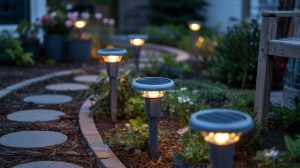
Seasonal color pairings also help: dusty terracotta and sage flatweaves complement most warm outdoor string light setups in summer. Cooler navy and slate tones photograph better in fall and pair well with screened or treated patio spaces.
For affiliate links specifically, disclose clearly in any content you create - the FTC requires it, and readers appreciate the transparency.
If you're deciding between a ground-level patio or an elevated pool deck, our comparison of above-ground vs. in-ground pool setups and pool installation cost breakdowns can help you plan the full space before buying a rug to fit it.
Frequently Asked Questions
Polypropylene (olefin) is the best choice for rainy climates. It repels water rather than absorbing it, drying completely in 1–2 hours, and resists mold without chemical treatment.
A quality polypropylene outdoor rug lasts 3–5 years on an exposed patio with regular care. Budget flatweaves in high-traffic areas may need replacing after 2 years.
Surface-dyed polyester and natural-fiber rugs fade noticeably within one season of full sun. Solution-dyed polypropylene holds color significantly longer — typically 3+ years in direct sunlight.
Yes. A breathable outdoor rug pad lifts the rug off hard surfaces, reduces slip risk, and cuts drying time by improving airflow underneath — extending rug life noticeably.
Only for covered, dry-climate patios. Jute, sisal, and seagrass absorb moisture and degrade quickly when wet. In humid or rainy regions, they typically fail within a single season, per rug lifecycle data.
Pin it for your next best outdoor rug for patio project.