January feels like the garden's off-season, but it's one of the most useful months you can spend with a seed catalog and a heat mat. While the ground outside is frozen or soggy, the windowsill and grow light are where real momentum builds.
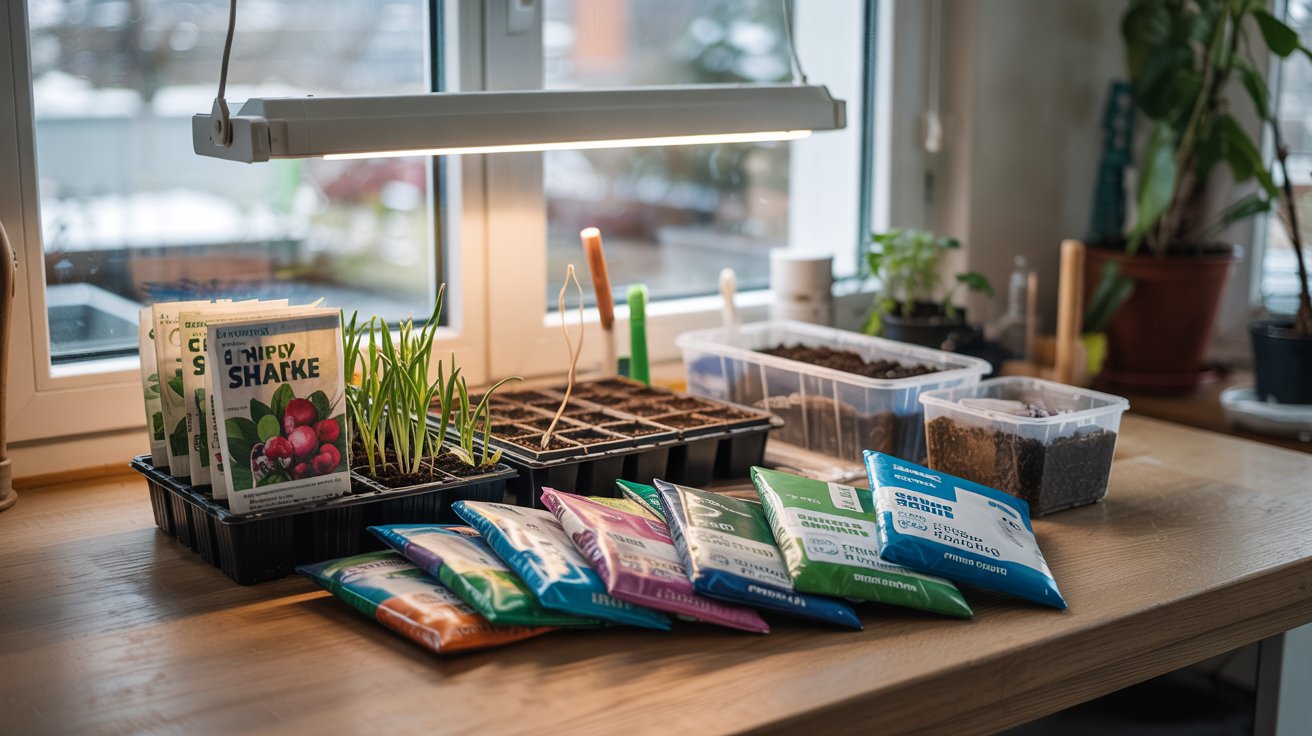
Cold frames, grow lights, and bottom-heat mats make indoor starting viable for more crops than most gardeners realize. Onions, celery, and slow-growing herbs like rosemary all need a long head start - and January is exactly the right moment to give it to them.
Zone matters here more than almost any other month. A gardener in Zone 9 can direct-sow cool-season greens outdoors while a Zone 5 gardener is still waiting for their seed-starting mix to arrive.
Both can be productive - they're just working at different layers.
Our year-round vegetable planting calendar covers every month in detail, but this guide is focused entirely on January: what to start, where to start it, and how to time it so nothing gets ahead of your last frost date.
Use this page as your January blueprint - a calendar, a step-by-step indoor guide, and a zone planner all in one place.
January is prime time for indoor seed starting, especially for slow-maturing crops like onions, celery, and peppers. Cold-climate gardeners (Zones 3–6) focus entirely on indoor prep, while Zones 7–10 can also sow cool-season crops outdoors.
A heat mat and grow light are the two non-negotiables for success this month.
January Planting Calendar: Vegetables, Flowers, and Herbs
The most common January mistake is starting too many crops too early. Most vegetables seeded indoors in January are specifically those that need 10-14 weeks before transplanting - which puts their outdoor date squarely at a safe spring window.
Remember it later
Planning to try this recipe soon? Save it for a quick find later!
Flowers are easy to overlook in January, but Antirrhinum majus (snapdragons) and Lobularia maritima (sweet alyssum) benefit from an early indoor start. Both need 8-10 weeks before transplanting and tolerate light frost once hardened off.
According to OSU's planting calendar, January indoor sowing often requires bottom heat to achieve reliable germination, especially for peppers and celery. Seed packets remain the most accurate source for variety-specific timing, as UMD Extension notes in its January gardening checklist.
| Crop | Category | Start Method | Weeks Before Last Frost | Frost Note |
|---|---|---|---|---|
| Onions | Vegetable | Indoor start | 10–12 weeks | Start now in all zones |
| Celery | Vegetable | Indoor start | 10–12 weeks | Needs warm soil to germinate |
| Peppers | Vegetable | Indoor start | 8–10 weeks | Requires heat mat (75–80°F) |
| Leeks | Vegetable | Indoor start | 10–12 weeks | Slow to germinate; start early |
| Spinach | Vegetable | Outdoor direct (Zones 7+) | N/A | Tolerates light frost |
| Kale | Vegetable | Outdoor direct (Zones 7+) | N/A | Hardy to 20°F |
| Rosemary | Herb | Indoor start | 10–12 weeks | Very slow germination |
| Parsley | Herb | Indoor start | 8–10 weeks | Soak seeds 24 hrs before sowing |
| Cilantro | Herb | Outdoor direct (Zones 8+) | N/A | Bolts in heat; cool-season only |
| Snapdragons | Flower | Indoor start | 8–10 weeks | Light frost tolerant once hardened |
| Sweet Alyssum | Flower | Indoor start | 6–8 weeks | Self-seeds readily once established |
| Pansies | Flower | Indoor start or outdoor (Zone 7+) | 8–10 weeks | Tolerates hard frost |
If your last frost falls in mid-April, count backward from that date to pin down your exact January start window. A hardiness zone lookup can confirm your average frost dates if you're unsure.
Onions are the most time-sensitive January start. Thin, weak transplants are almost always the result of starting too late — aim for the first week of January in Zones 5 and 6.
Indoor Seed Starting Timeline
Starting seeds indoors in January is less about enthusiasm and more about system. The right setup - consistent heat, adequate light, and clean media - determines whether seedlings thrive or damp off by week two.
The most common failure point is light, not water. A south-facing windowsill delivers 4-6 hours of usable light in January; a T5 or LED grow light on a 14-16 hour timer is far more reliable.
Once your setup is in place, the steps below keep things on track from seed to transplant-ready plant.
Damping-off fungus kills seedlings at the soil line and spreads fast. Never reuse last year's seed-starting mix — always start with a fresh, sterile bag. Consistent airflow from a small fan also helps.
February planting builds directly on January's indoor starts - see what crops to add to your trays in February before your first rounds go stale.
Zone-Specific January Planner
January tasks vary significantly depending on where you garden. A gardener in Minnesota is focused entirely on planning and indoor setup, while one in coastal California can be sowing brassicas and greens directly into the ground.
The tab below breaks this down by climate band - find yours and use it as your working checklist for the month.
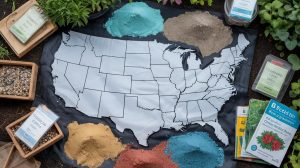
If you're unsure which band fits you, check your garden's winter prep status and cross-reference with your USDA zone. Zones 3-6 are Cold, Zones 7-8 are Transition, and Zones 9-10 are Warm.
Frost risk: High - ground frozen, outdoor sowing not viable. January is entirely an indoor month for Zones 3-6.
Start indoors now: Onions and leeks (10-12 weeks before last frost), celery (10-12 weeks), and snapdragons (8-10 weeks). Peppers can begin in late January if your last frost is before May 15.
Lighting: Days are shortest now - grow lights running 14-16 hours are non-negotiable. A timer prevents the most common mistake of inconsistent light periods.
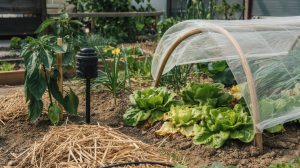
Outdoor tasks: Minimal. Check cold frames for moisture buildup and remove heavy snow loads from row covers or low tunnels to prevent collapse.
What to order now: Finish seed orders by January 15 - popular varieties from small seed companies sell out. Review last year's notes and avoid repeating problem varieties.
The monthly planting guides can help you map out the full season while you're planning.
Frost risk: Moderate - hard freezes still possible, but cold frames and low tunnels extend your outdoor window. Average January lows range from 20-40°F in this band.
Start indoors now: Onions, leeks, celery, and early-season herbs like parsley and rosemary. Pansies and snapdragons can begin under lights for an April transplant.
Outdoor sowing (with protection): Spinach and kale direct-sown under a low tunnel can germinate on mild days - soil temperatures need to reach at least 40°F. Mâche (corn salad) tolerates near-freezing soil and germinates slowly but reliably.
Lighting: Supplemental lighting still recommended, especially for seedlings on north-facing windowsills. As UMD Extension advises in its January gardening tips, always cross-check your seed packets for region-specific timing adjustments.
Planning notes: Map your spring beds now - crop rotation is easier to plan in January than in April when you're busy transplanting. March brings a significant step up; use our early spring growing window guide to stay ahead.
Frost risk: Low to none - Zones 9-10 rarely see frost after early January, and many areas are already in their cool-season growing window.
Direct sow outdoors now: Spinach, lettuce, arugula, kale, chard, cilantro, radishes, and beets can all go directly into garden beds. Soil temperatures are typically 50-60°F, which is ideal for cool-season crops.
Start indoors now: Tomatoes and peppers for a March transplant date - these need 8-10 weeks indoors before going out. Starting too early risks leggy transplants that outgrow indoor space before the weather cooperates.
Flower starts: Cosmos, zinnias, and marigolds can begin under lights for an early March planting. Don't start zinnias too early - they grow fast and get root-bound quickly in small cells.
Outdoor tasks: Amend beds with compost before sowing. Check irrigation lines for winter damage before turning water back on.
Review what worked in your fall garden and adjust spacing - April planting in warm climates moves fast, and our warm-season crop timing guide covers that transition in detail.
Gardeners in Zone 7 often straddle the Cold and Transition bands depending on their exact location and elevation. If you're in a frost pocket or at higher elevation, treat yourself as Zone 6 for January planning purposes.
By May, crops started in January will be established plants producing real harvests - see what to direct-sow outdoors in May to keep succession planting on track.
And if you want to see how the warm-season calendar opens up, our June planting comparison shows how much shifts once summer heat arrives.
Frequently Asked Questions
Yes. Onions, leeks, celery, and peppers all need 10–12 weeks indoors before transplanting, making January the correct start month in most zones.
Zones 3–6 focus on onions, celery, and herbs indoors. Zones 7–8 add pansies and spinach under tunnels. Zones 9–10 can start tomatoes and peppers indoors for a March transplant.
In Zones 7–10, pansies and kale starts can go outdoors in January. Both tolerate temperatures down to 20°F once properly hardened off over 7–10 days.
T5 fluorescent or full-spectrum LED panels work well. Position lights 2–4 inches above seedlings and run them 14–16 hours daily using a timer for consistency.
Most January starts are ready to transplant 10–12 weeks later, typically March through May depending on your zone. Harden off seedlings outdoors for 7–10 days before planting.
Pin it for your next what to plant in january (vegetables flowers herbs) project.