May is the month most gardeners have been waiting for. Soil temperatures finally climb above 60°F in much of the country, frost risk drops away (mostly), and the full roster of warm-season crops becomes plantable all at once.
That window can feel overwhelming. Tomatoes, cucumbers, basil, zinnias, beans - everything seems to need attention in the same two-week stretch.
This guide breaks May planting into three clear categories - vegetables, flowers, and herbs - with a table, a step-by-step timing plan, and regional notes so you can act fast without second-guessing yourself.
If you want a broader look at your year-round planting calendar, that's worth bookmarking alongside this page.
One important caveat: frost risk doesn't disappear on May 1st everywhere. Cold zones can see a hard frost well into mid-May, so knowing your last frost date before you transplant tender crops is non-negotiable.
May is the primary planting window for warm-season vegetables, annual flowers, and tender herbs. Timing hinges on your last frost date.
Most of the US can transplant tomatoes and peppers by mid-May, but northern and high-elevation gardens may need to wait until the final week.
What to Plant in May by Category?
The single most useful way to plan May planting is by category. Vegetables, flowers, and herbs each have different frost tolerances, spacing needs, and whether they prefer to be direct-seeded or transplanted.
Remember it later
Planning to try this recipe soon? Save it for a quick find later!
According to the MOFGA planting calendar, May 1-31 covers both indoor starts for melons, cucumbers, and squashes AND outdoor direct sowing of beets, carrots, lettuce, peas, and spinach - meaning May is genuinely a two-track month.
| Category | Top Picks | Method | Notes |
|---|---|---|---|
| Vegetables (warm) | Tomatoes, peppers, cucumbers, squash, beans | Transplant / direct sow | Plant after last frost; soil 60°F+ |
| Vegetables (cool) | Lettuce, spinach, beets, carrots, peas | Direct sow | Sow early May before heat sets in |
| Annual Flowers | Zinnias, marigolds, cosmos, sunflowers | Direct sow / transplant | Full sun; space 6–18 in depending on variety |
| Tender Perennial Flowers | Dahlias, impatiens, petunias | Transplant | Frost-sensitive; wait for stable nights above 40°F |
| Herbs (tender) | Basil, lemon verbena, Thai basil | Transplant / direct sow | Frost kills basil; transplant after last frost date |
| Herbs (hardy) | Cilantro, dill, parsley, chives | Direct sow | Tolerate light frost; sow any time in May |
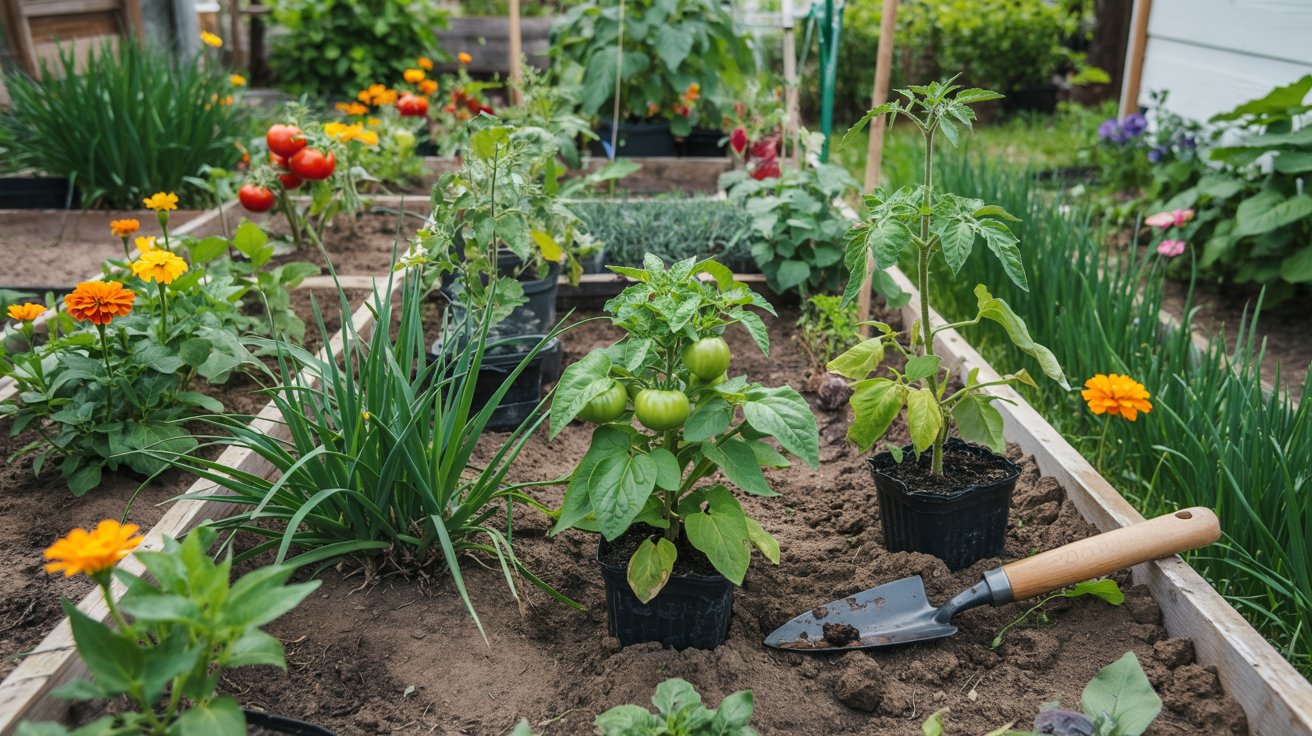
Zinnias and marigolds are among the easiest direct-sow flowers for May. Marigolds germinate in 5-7 days when soil is above 65°F and need just 8-10 inches of spacing for dwarf varieties.
Basil deserves special attention because it's genuinely cold-intolerant. Even a night in the low 40s can stunt growth and cause leaf blackening.
Wait until your nights are reliably above 50°F before setting it out.
- Cucumbers: Direct sow in hills of 3 seeds, 12 inches apart, after soil reaches 65°F. Germination stalls in cold ground.
- Lettuce: growing leaf lettuce from seed in early May takes advantage of mild temperatures before summer heat causes bolting.
- Sunflowers: Direct sow 1 inch deep, 6 inches apart; thin to 12-24 inches once seedlings emerge.
- Dahlias: Plant tubers 4-6 inches deep after last frost; they rot in cold, wet soil.
- Cilantro: Sow every 2-3 weeks for continuous harvest - it bolts fast once temperatures hit 75°F.
Cool-season crops like peas and spinach need to go in early May before heat arrives. Once daytime temps consistently exceed 80°F, they stop producing and bolt. Sow them the first week of May and you'll harvest before summer shuts them down.
Timing Guide: Sowing and Transplanting in May
May planting isn't a single moment - it unfolds across four weeks, and what you do in week one differs sharply from what you do in week four.
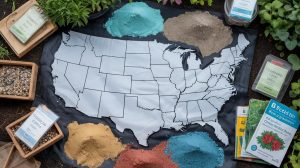
The anchor for all of it is your last expected frost date, which you can look up using the USDA hardiness zone finder.
The K-State Extension May Garden Calendar lays out a clear sequence: beans and cucumbers go in by direct seed in early May, peppers transplant mid-May, and pumpkins and corn follow on a varied schedule depending on heat accumulation.
If you're comparing your May progress to what came before, a quick review of April planting strategies shows how much the workload accelerates once May arrives.
Transplanting tomatoes and peppers too early is the most common May mistake. A single late frost doesn't just nip leaves — it can set back fruit set by 2–3 weeks even if the plant survives. Check a 10-day forecast, not just the calendar date.
For gardeners planning what comes next, it's worth knowing what goes in the ground in June so you can stagger successions of beans, cucumbers, and herbs without a glut in August.
Regional Tweaks and Microclimates
The national average last frost date is a useful fiction. Your actual last frost could be two weeks earlier or later depending on whether you garden at the bottom of a slope, near a brick wall, or in an exposed field.
Frost pockets - low-lying areas where cold air settles overnight - can experience frost 3-5°F colder than the nearest weather station reading. If you're in a frost pocket, treat your last frost date as a week later than the official figure.
The University of Minnesota Extension's Upper Midwest garden calendar recommends waiting until the last week of May through end of June to direct seed summer vegetables in the Upper Midwest. Zone 3–4 gardeners should treat June 1 as a realistic transplant target, not May 15.
South-facing walls and raised beds warm up faster than open ground. A raised bed can run 8-12°F warmer at the surface than in-ground soil in early May, which meaningfully extends your planting window for heat-loving crops like basil and eggplant.
Coastal gardeners face a different challenge: marine air keeps nights cool even in late May, which stalls pepper and eggplant growth. Inland gardens 20+ miles from the coast can often transplant peppers a full two weeks earlier than their coastal counterparts at the same latitude.
- Northern zones (3-4): Prioritize early March seed starting indoors to give tomatoes and peppers enough lead time before late-May transplanting.
- Southern zones (8-10): May is actually a transition to heat-tolerant crops - shift to okra, sweet potatoes, and Southern peas as temperatures climb above 85°F.
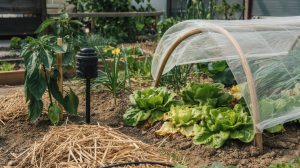
- High elevation (above 5,000 ft): Use row cover as insurance even after your average last frost date; unexpected cold snaps in May are common above 5,000 feet.
- Pacific Northwest coast: Cool, wet May conditions favor February cool-season starts that continue producing into May; hold warm-season transplants until June.
If you're rethinking your whole seasonal approach, the broader monthly planting guide series covers every month with the same zone-aware detail.
And for winter garden planning that connects back to what you're doing now, the fall garden prep checklist is where to start thinking about what to preserve after your May plantings finish.
The January planning window is also when smart gardeners decide which seed varieties to order - what you sow in May often starts as a January catalog decision.
Frequently Asked Questions
In May, plant tomatoes, peppers, cucumbers, squash, and beans after your last frost date. Direct sow beets, carrots, and lettuce in early May while soil is still cool.
Zinnias, marigolds, cosmos, and sunflowers all direct sow well in May once soil tops 65°F. Dahlias and impatiens transplant safely after nights stay above 40°F.
Yes — hardy herbs like cilantro, dill, and parsley go in any time in May. Hold basil until nights are reliably above 50°F, as temperatures in the low 40s cause leaf blackening.
Cold-zone gardeners can still start melons, cucumbers, and squash indoors in early May for a late-June transplant, giving them a 3–4 week head start on the growing season.
Not at all. Zone 3–4 gardeners routinely transplant tomatoes and peppers in late May to early June. Fast-maturing varieties under 70 days still produce a full harvest before first fall frost.
Pin it for your next what to plant in may (vegetables flowers herbs) project.