July sits at the hinge point of the growing season - hot enough to stress cool-season crops, yet exactly the right moment to lock in a continuous harvest that runs deep into autumn. Most gardeners stall out in midsummer, watching their spring beds wind down with nothing lined up to follow.
A little planning this month changes that entirely.
The window is shorter than it feels. Counting back from your first frost date, many fall crops need 60-90 days from seed to table, which means July sowings aren't optional if you want October harvests.
According to NC State Extension, you can begin your fall vegetable garden this month, planting beans, carrots, and tomatoes directly and starting broccoli, cabbage, and cauliflower in peat pots for early transplanting. Brussels sprouts and collards can also go out as transplants mid-July.
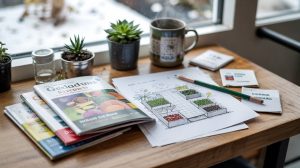
Our full vegetable planting calendar gives month-by-month sowing windows if you want to plan further ahead. This guide focuses tightly on July decisions - what to direct-sow now, what to start indoors, and how to use succession planting so nothing sits idle in your beds.
The sections below cover vegetables, flowers, and herbs in turn, then close with a week-by-week succession timeline you can follow from early July right through to early August.
July is prime time for succession sowing, fall-crop transplants, and heat-tolerant direct seeding. Start brassicas in peat pots, direct-sow beans and carrots, and swap fading spring beds for fast-turn crops that carry harvests into October and beyond.
Prep
Active
Peak
Vegetables to Plant in July
July vegetable planting splits into two tracks: crops that genuinely tolerate summer heat and can be sown or transplanted right now, and cool-season crops you start now so they mature once temperatures drop.
Remember it later
Planning to try this recipe soon? Save it for a quick find later!
Understanding which track a crop belongs to saves a lot of failed germination.
The UC ANR planting guide lists beans (including drying types), corn, dwarf tomatoes, eggplant, peppers, chard, kale, cucumbers, green onions, and summer and winter squash as valid July transplants or sowings.
Late July into August opens a second window specifically for carrots and cole crops as temperatures start to ease.
Beans deserve special mention for July. A bush bean sown now reaches harvest in roughly 50-55 days, fitting neatly before a mid-October frost in most of zones 5-7.
Sow a short row every two weeks through early August and you keep picking without any single glut.
Corn is trickier. It needs warm soil and a block planting for pollination, so check that your hardiness zone details support a 70-plus-day window before frost.
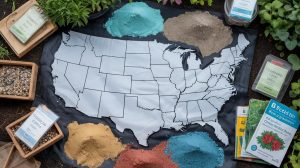
Soil temperature, not air temperature, controls germination. In July, most garden soils sit above 70°F, which speeds up bean and squash germination to 5–7 days but can inhibit lettuce and spinach until late August.
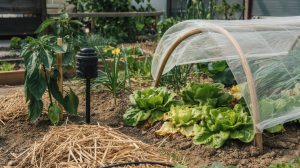
If you're growing lettuce through summer, sow into a shaded spot or use a 30% shade cloth - direct sun over 80°F triggers bolting within days.
Flowers and Herbs for July
July isn't only about the vegetable beds. Heat-tolerant annuals and herbs started now will carry color and flavor from late summer well into fall, filling gaps left by spring blooms that have run their course.
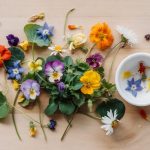
According to the UC ANR extension resource, ornamentals worth sowing or transplanting in July include alyssum, celosia, cosmos, petunia, portulaca, salvia, and zinnia - all strong performers in heat.
Herbs for July include basil, dill, and summer savory, along with heat-loving perennials like Lavandula and Rosmarinus officinalis (rosemary) that establish well when planted in warm soil.
Basil is the one July herb with a hard deadline. It collapses at the first frost, so a July 15 sowing gives you roughly 10-12 weeks of harvest before zones 5-6 see their first freeze.
For fall color without much fuss, zinnias win on speed. A packet of Zinnia elegans sown directly into a prepared bed on July 1st can be cutting flowers by early September.
Alyssum and petunias fill the edges well. Both tolerate heat if they get consistent moisture, and they'll continue flowering until hard frost - useful for pots and borders where you need reliable coverage after summer annuals fade.
Check our April planting guide if you want to compare what a spring start versus a July start looks like for the same annuals.
Dill bolts fast in sustained heat above 85°F. Sow it in a spot that gets afternoon shade, or plan for a second sowing in late August when temps ease — that late sowing often produces more foliage than the July one.
July Succession Planting Timeline
Succession planting in midsummer means working in short windows, not long-term plans. Oregon State University describes the practice as staggering sowings and transplants through the season so the same bed produces multiple crops without a productivity gap.
In July, that means filling every cleared row within a week, not letting beds sit bare.
The steps below give a repeatable schedule from early July through to early August, accounting for heat stress at transplant time and the shift toward fall-crop timing in the final weeks.
Lay a single board or damp burlap over carrot seed rows for the first 7 days to retain moisture and moderate soil temperature. Lift it daily to check for germination, then remove it the moment sprouts appear.
By early August, your first July sowings are already several weeks along, and your brassica starts are nearly ready for outdoor beds. For what comes next, our August planting guide covers the hand-off from these July starts into the heart of fall prep.
If you're also thinking about end-of-season tasks, our guide on winterizing your yard and garden pairs well with the fall-forward work you're starting now.
Tracking a full year of planting decisions is easier with our month-by-month planting guides in one place.
For contrast, compare your July work with the cold-frame and indoor-start tasks in our January planting overview, the February seed-starting schedule, and what March looks like for early starters - the continuity across months makes individual decisions easier to time.
Frequently Asked Questions
Beans, carrots, kale, chard, and cucumbers all work as July direct-sow crops. Most mature in 50–70 days, fitting a fall harvest before a mid-October frost in zones 5–7.
Zinnias, cosmos, celosia, and salvia are the strongest July-sown options for fall color. Zinnias bloom in roughly 60 days, meaning September flowers from a July 1 sowing.
Basil, summer savory, rosemary, and lavender all handle July heat reliably. Basil germinates in 7–10 days at soil temps above 70°F and produces heavily until the first frost.
Brassica transplants started in peat pots around July 10–15 are ready for outdoor beds by mid-to-late August — about 4–6 weeks later — giving them enough time to mature before hard frost.
Stagger small sowings every 10–14 days rather than one large planting. A second bean row sown two weeks after the first offsets harvest by two weeks, preventing a single oversupply glut.
Pin it for your next what to plant in july (vegetables flowers herbs) project.