November feels like the door closing on the growing season, but it's actually one of the most useful months in the garden calendar. The weeks before the ground freezes hard are packed with planting opportunities that most gardeners miss entirely.
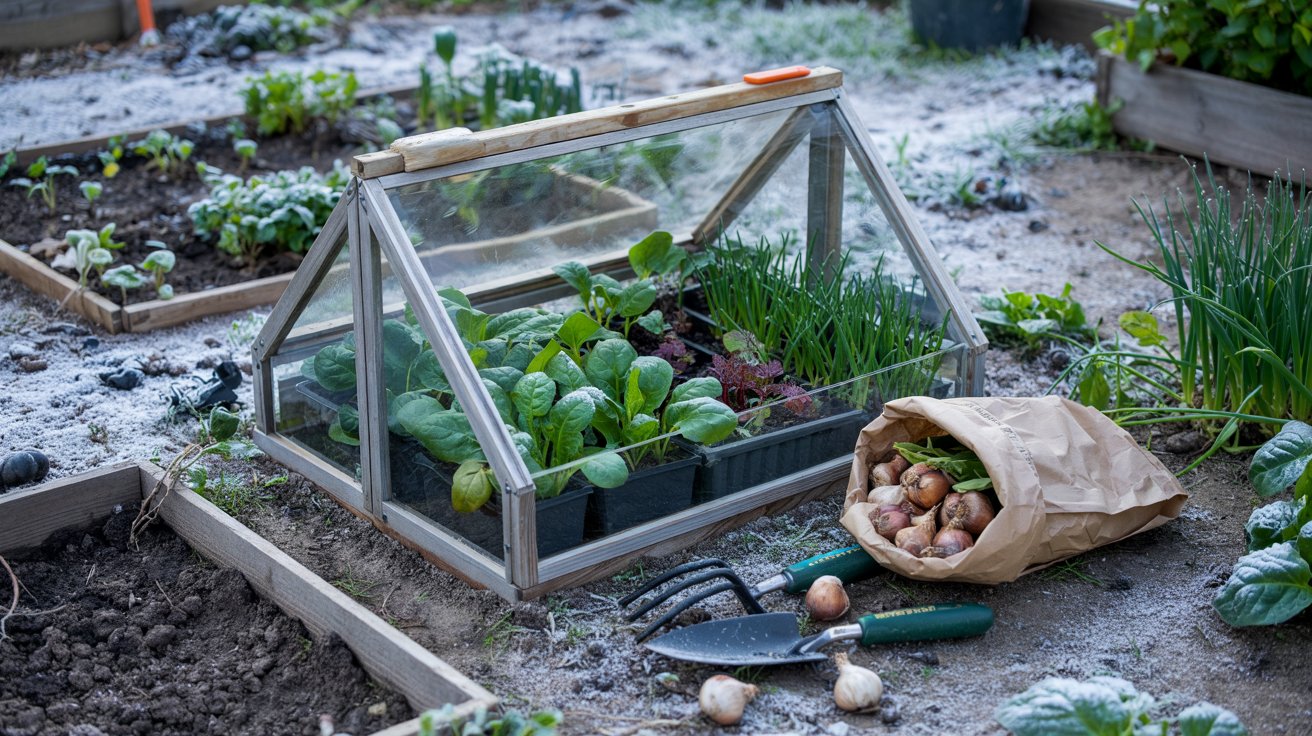
Cool-season vegetables like spinach, kale, and garlic want cold soil. Hardy annuals like larkspur and sweet peas need a winter chill to germinate well in spring.
Planting now puts you ahead of every neighbor who waits until April.
The catch is timing. Plant too late in a cold zone and seeds rot in frozen ground.
Plant the right things at the right moment, and you get harvests that stretch into December or a head start on spring growth that transplants simply can't match.
This guide covers vegetables, herbs, and flowers suited to November sowing, organized by week and by zone. You'll find a full vegetable planting calendar linked for deeper reference, but everything you need for this month is right here.
November is prime time to plant garlic, hardy greens, and cool-season flowers before the ground freezes. Zones 7–10 can direct-sow outdoors.
Zones 5–6 should focus on garlic, spring bulbs, and cold-frame crops. Zones 3–4 shift to indoor seed starting for late-winter transplants.
November Planting Calendar at a Glance
November breaks naturally into two halves: early November still allows outdoor direct sowing in most zones, while late November demands a shift toward cold frames, mulched beds, or indoor starts. Knowing which half you're in determines almost every decision this month.
Remember it later
Planning to try this recipe soon? Save it for a quick find later!
The USDA zone for your location tells you when your average first hard frost arrives. Zones 5-6 typically see hard freezes by early November.
Zones 7-8 often stay workable until late in the month.
The OSU November calendar recommends using frost-date windows to sequence tasks by week rather than by fixed date, since first-frost timing shifts by up to two weeks from year to year.
Garlic cloves need at least six weeks of cold exposure to develop properly, so getting them in the ground before a hard freeze matters more than the calendar date.
Use the table below as your action checklist. Each row maps a task to the best week and notes which approach - direct sow, transplant, or indoor start - applies.
| Week | Task | Method | Zones |
|---|---|---|---|
| Week 1 (Nov 1–7) | Plant garlic cloves | Direct in ground | All zones |
| Week 1 (Nov 1–7) | Sow spinach, kale outdoors | Direct sow | Zones 7–10 |
| Week 2 (Nov 8–14) | Set spring bulbs (tulips, crocus) | Direct in ground | Zones 4–7 |
| Week 2 (Nov 8–14) | Sow sweet peas outdoors | Direct sow | Zones 8–10 |
| Week 3 (Nov 15–21) | Start onions indoors | Indoor seed start | Zones 3–6 |
| Week 3 (Nov 15–21) | Sow larkspur, poppies outdoors | Direct sow | Zones 7–10 |
| Week 4 (Nov 22–30) | Mulch garlic beds (4–6 in.) | Maintenance | Zones 3–6 |
| Week 4 (Nov 22–30) | Continue greens under cold frame | Cold frame/row cover | Zones 6–8 |
Cool-season vegetables sown outdoors before the ground solidifies will often germinate in late winter without any further effort. UC Cooperative Extension research on fall vegetable timing confirms that spinach and kale seeds sown in fall consistently outperform spring-sown equivalents in both yield and cold hardiness.
Push garlic in before November 15 in zones 5–6 — once the top 2 inches of soil freeze solid, roots can't establish. A soil thermometer showing below 50°F but above 32°F is the sweet spot for planting cloves.
If you're planning ahead to winter, our guide on yard and garden winterizing covers protective steps that run alongside November planting tasks.
Vegetables and Herbs to Plant in November
Hardy vegetables and cool-season herbs share one trait: they either tolerate frost outright or complete most of their growth before temperatures drop hard. That window is exactly what November planting targets.
The Purdue fall planting guide groups cool-season crops into two tolerance tiers - "hardy" (survives below 28°F) and "semi-hardy" (survives 28-32°F) - and that distinction drives the table below. Hardy crops can go in the ground in zones 5-6 now.
Semi-hardy ones belong under row cover or in a cold frame.
| Crop | Method | Frost Tolerance | Days to Harvest |
|---|---|---|---|
| Garlic (Allium sativum) | Direct — cloves | Hardy (to 0°F) | 240–270 (spring) |
| Spinach (Spinacia oleracea) | Direct sow | Hardy (to 20°F) | 40–50 |
| Kale (Brassica oleracea) | Direct sow or transplant | Hardy (to 10°F) | 55–75 |
| Overwintering onions | Direct sow or sets | Hardy (to 20°F) | 100–120 (spring) |
| Lettuce (Lactuca sativa) | Direct sow (cold frame) | Semi-hardy (28–32°F) | 45–60 |
| Broad beans (Vicia faba) | Direct sow | Hardy (to 25°F) | 80–100 (spring) |
| Cilantro (Coriandrum sativum) | Direct sow | Semi-hardy (28–30°F) | 45–70 |
| Parsley (Petroselinum crispum) | Transplant | Hardy (to 10°F) | 70–90 |
| Chives (Allium schoenoprasum) | Direct sow or divide | Hardy (to -20°F) | 60–90 |
Kale actually sweetens after frost because cold triggers a conversion of starches to sugars. Sowing it now in zones 7-8 gives you a December harvest with noticeably better flavor than summer kale.
Cilantro bolts in heat but winters over beautifully in mild climates. In zones 8-10, sowing it in November means a steady cut-and-come-again supply through February.
The OSU November calendar notes spinach and kale as model November crops for Pacific Northwest gardens, where mild, wet winters extend the outdoor growing window considerably.
- Garlic is non-negotiable for November - it's the one crop that genuinely requires fall planting to form proper bulbs by summer.
- Broad beans sown in November in zones 7-9 overwinter as seedlings and yield 3-4 weeks earlier than spring-sown plants.
- Parsley transplants are better than seeds in November because direct-sown parsley can take up to three weeks to germinate, leaving little time before hard cold.
- Chives can be divided from existing clumps and replanted now - they'll go dormant, then burst back in late February.
Planning your full year of food gardening? Our March warm-season prep guide picks up exactly where November leaves off, covering the transplants you'll set out from your indoor starts.
Flowers to Plant in November
Several of the most rewarding spring flowers need a cold period to bloom at their best. Sowing them in November - or planting bulbs before the ground locks up - is the only way to hit that window.
Hardy annuals like sweet peas and larkspur actually germinate better when sown in fall because the cold stratification breaks seed dormancy naturally. Skipping this step and sowing in spring produces noticeably weaker plants, as Gardening Know How's November seed guide confirms.
| Flower | Method | Frost Tolerance | Bloom Time |
|---|---|---|---|
| Sweet peas (Lathyrus odoratus) | Direct sow | Hardy to 25°F | April–June |
| Larkspur (Consolida ajacis) | Direct sow | Hardy to 20°F | May–July |
| Cornflower (Centaurea cyanus) | Direct sow | Hardy to 10°F | May–August |
| Poppies (Papaver rhoeas) | Direct sow — scatter | Hardy to 20°F | May–June |
| Tulips (Tulipa spp.) | Bulb — 6–8 in. deep | Hardy to -20°F | March–May |
| Alliums (Allium spp.) | Bulb — 4 in. deep | Hardy to -10°F | May–June |
Sweet peas need at least 6 inches of space between plants and a trellis ready before they emerge. Sow them about 1 inch deep and expect germination in late February or early March.
Tulip bulbs require a minimum of 12-14 weeks of cold below 50°F to bloom properly. In zones 8-9, chill bulbs in the refrigerator for six weeks before planting in December if you missed November.
Don't scatter poppy seeds over frozen soil expecting results. They need to make soil contact before the ground hardens. Broadcast on a day when the top inch is still workable and lightly rake them in.
If you're curious what follows the spring flush these plants create, our April planting guide covers what to direct-sow once soil temperatures climb back above 50°F.
Climate and Zone Tweaks for November Planting
November planting is not one-size-fits-all. A gardener in coastal California has a totally different set of options than someone in Minnesota, even though both are technically "planting in November."
Use your last frost date as the anchor. If your area averages a hard freeze before November 1, outdoor direct sowing is mostly done - shift to indoor starts and focus on getting garlic and bulbs in fast.
The Colorado State extension planting guide recommends counting back 8-10 weeks from your last frost date to determine the latest viable indoor start date for transplants.
Zones 3–5: Focus on garlic and spring bulbs outdoors; start onions and leeks indoors by mid-November. Zones 6–7: Cold frames extend direct sowing of greens through late November. Zones 8–10: Direct sow greens, broad beans, and sweet peas outdoors all month.
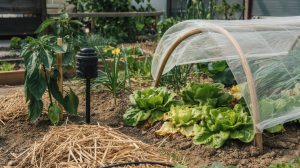
Row covers rated to 4-6°F of frost protection (typically labeled "medium-weight" at 1.5 oz/sq yd) let zone 6-7 gardeners keep lettuce and cilantro alive well into December.
Pair them with a 3-inch mulch layer over bare soil to slow ground freeze by up to two weeks.
Microclimates matter too. A south-facing bed against a brick wall can run 5-8°F warmer than open ground, effectively bumping you one zone warmer for cold-hardy crops.
If you're still building your zone knowledge, check our month-by-month planting guides for zone-specific breakdowns across every season.
For gardeners in zones 3-5 who want a productive winter, starting seeds in January for late-winter transplants picks up right where November's indoor starts leave off.
And if you're targeting February transplant readiness, count back 10-12 weeks from your last frost date and mark your November start date on the calendar now.
Planning your beds for next year? Our guide on what to plant in May gives a useful comparison point for how much earlier November starters mature versus those sown in spring.
Frequently Asked Questions
Zones 3–5 should plant garlic and spring bulbs only. Zones 6–7 can add cold-frame greens. Zones 8–10 direct-sow spinach, kale, broad beans, and sweet peas outdoors all month.
In zones 3–6, garlic cloves and overwintering onion sets are your safest bets. Start leeks and onions indoors by mid-November for transplanting in 8–10 weeks.
Sweet peas, larkspur, cornflowers, and poppies all benefit from fall sowing. They use natural cold stratification over winter and bloom 3–4 weeks earlier than spring-sown plants.
Yes — in zones 8–10, cilantro and parsley thrive when sown in November. Cilantro grown over winter rarely bolts, giving a steady harvest through February without summer's heat stress.
Medium-weight row covers (1.5 oz/sq yd) provide 4–6°F of protection. Adding 3 inches of straw mulch over the soil surface slows ground freeze by up to two full weeks.
Pin it for your next what to plant in november (vegetables flowers herbs) project.